

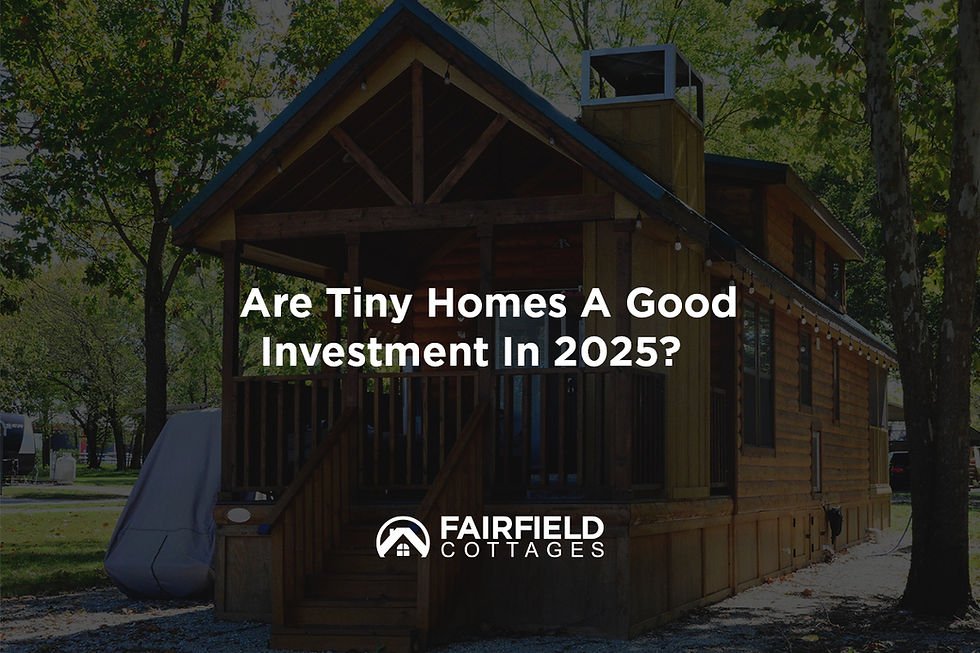
Discover whether tiny home investing is still profitable in 2025. Explore market trends, real-life case studies, ROI potential, risks, FAQs, and strategies to maximize returns from tiny homes, ADUs, and micro-living rentals.
Over the last decade, the tiny home movement has shifted from being a quirky lifestyle trend to a serious real estate investment opportunity. As more Americans face housing affordability challenges, investors are exploring whether these compact dwellings can still generate meaningful profits in 2025.
The question isn’t just “Are tiny homes cute?” anymore—it’s “Can they generate sustainable income, compete with traditional rentals, and appreciate in value?”
This blog dives deep into real-world examples, credible data, and case studies, while also addressing trending questions Americans are asking today. By the end, you’ll know whether tiny homes belong in your real estate portfolio this year.
The Tiny Home Market in 2025: Growth Snapshot
Before discussing profitability, let’s first look at the industry landscape.
- Global Market Size: Valued at USD 5.95 billion in 2024
- Growth Forecast: Expected to hit USD 8.20 billion by 2033, with a CAGR of 3.6–6.3%
- North America Leads: Over 40% of revenue share in 2024, around USD 326.1 million
- Mobile Tiny Homes Dominate: More than half of all sales are towable units (THOWs)
- Key Drivers:
- Soaring housing prices and affordability issues
- Desire for sustainable living
- Favorable Accessory Dwelling Unit (ADU) laws in some states
- Millennial and Gen Z preference for flexible, minimalist lifestyles
Source: Market Data Forecast, Cognitive Market Research
Real-Life Tiny Home Investment Case Studies
1. Manny Reyna’s Airbnb Tiny Home, Texas
- Setup: 384-sqft home purchased via seller financing (~$50,000). Additional $20,000 for land prep and utilities.
- Revenue: $1,200–$1,500/month from Airbnb, VRBO, and mid-term rentals. Added RV hookups for extra land income.
- Annual Projection: ~$85,000 from scaling multiple units.
- Lesson: Location + diversified rental channels = strong profitability.
Source: Business Insider
2. Tiny Home Village, Bangor, Maine
- Setup: 30-unit community, each ~320 sqft, with full kitchens and parking.
- Rent: $1,300/month (utilities included).
- Scale: Community model spreads risk across multiple units.
- Lesson: Larger upfront investment ($4 million), but stable returns and long-term community appeal.
Source: The Sun
3. KOTO Studio’s Modular Cabins in the U.S.
- Setup: Prefabricated “Niwa Cabins,” starting ~$52,000.
- Use Case: Guest houses, ADUs, Airbnb rentals, wellness retreats.
- Lesson: Sleek design + sustainable materials = ability to charge premium rent.
Source: Business Insider
Is Investing in Tiny Homes Still Profitable in 2025?
The answer is yes—but with nuance. Tiny homes can deliver double-digit ROI if managed well, but several factors determine success:
- Location & Zoning – Laws differ drastically; ADU-friendly states (California, Texas) offer more flexibility.
- Use Case – Airbnb = higher income, higher turnover. Long-term leases = stability but lower yields.
- Costs & Financing – Build cost ($30k–$60k), land ($5k–$100k+), utility hookups, permits. Financing is often personal or RV loans.
- Design & Amenities – Premium finishes, solar panels, and eco-friendly features increase rentability.
- Marketing & Occupancy – Listings on Airbnb, VRBO, Furnished Finder, and social media improve exposure.
- Risks – Regulatory hurdles, depreciation (especially for mobile units), high utility setup costs.
Where Tiny Homes Perform Best in 2025
- Tourist Markets: Mountain cabins, lakeside retreats, eco-getaways.
- ADU-Friendly States: California, Texas, Oregon, Colorado.
- Affordable Housing Crises Zones: Urban fringes where demand is high.
- Land With Infrastructure: Reduces upfront costs and boosts ROI.
Challenges of Tiny Home Investing
- Depreciation: THOWs depreciate like RVs; foundation homes fare better.
- Financing Issues: Lack of traditional mortgages; reliance on cash, personal loans, or specialized lenders.
- Regulatory Barriers: Some cities ban tiny homes under certain square footage.
- Maintenance: Short-term rentals require constant upkeep.
Financial Metrics for 2025
- Build/Purchase Costs: $30k–$60k average; luxury units $100k+.
- Monthly Rental Income: $1,200–$1,500 average on Airbnb (with good location).
- Gross Returns: 20–30% possible in high-demand zones.
- Net ROI: Typically 8–15% after expenses, taxes, and maintenance.
Tips to Maximize Profit
- Start with one unit, then scale gradually.
- Invest in solar energy, insulation, and smart layouts.
- Market as an experience (eco-retreat, wellness stay, off-grid adventure).
- Diversify rental streams (short-term + mid-term).
- Use professional photos and video tours for listings.
Frequently Asked Questions (FAQs)
1. What defines a tiny home in 2025?
A tiny home is typically under 400 square feet. It can be on wheels (mobile) or stationary. Unlike RVs, many are designed for full-time residential living. ADUs (Accessory Dwelling Units) are also considered part of the tiny home category if under ~500 sq ft.
2. How much capital is required to start?
Expect to spend $50,000–$100,000+ including land, build cost, permits, and utilities. If you already own land, your entry cost may drop by 30–50%.
3. How profitable are tiny homes on Airbnb in 2025?
On average, tiny homes in attractive locations earn $1,200–$1,500/month. In peak tourist areas, returns may be significantly higher.
4. Do tiny homes appreciate in value?
- Stationary homes: Can appreciate, especially in land-scarce markets.
- Mobile homes: Tend to depreciate like RVs, though land value may offset losses.
5. What are the biggest risks?
- Zoning restrictions, financing limitations, unexpected infrastructure costs, and occupancy risks.
6. Can I get financing for a tiny home?
Yes, but usually via personal loans, RV loans, or specialized lenders. Traditional 30-year mortgages rarely apply.
7. What maintenance costs should I expect?
Regular maintenance (appliances, insulation, roof) + insurance + utilities. Short-term rentals increase cleaning and upkeep costs.
8. Where are tiny homes most profitable?
Tourist markets (mountains, lakes, coastlines), ADU-friendly cities (California, Texas), and areas with affordable housing shortages.
9. Should I build one tiny home or a community?
Single units are easier to start, while tiny home villages (5–30 units) allow economies of scale but require higher investment.
10. What is the ROI timeline?
Most investors see break-even within 3–5 years, depending on occupancy rates, land costs, and rental strategies.
Conclusion
Investing in tiny homes in 2025 is still profitable, provided you pick the right location, strategy, and financing model. Real-life investors like Manny Reyna and developers of tiny home villages prove that ROI can rival or exceed traditional rentals.
However, tiny homes are not a “get rich quick” scheme. They require due diligence, zoning research, infrastructure planning, and careful marketing.
For those willing to manage these details, tiny homes remain a high-opportunity niche in real estate investment—especially as Americans demand affordability and sustainability.