

Summary
Despite rapid growth in e-commerce, physical retail stores remain a vital part of the modern shopping experience. Brick-and-mortar locations provide product interaction, immediate purchases, trusted brand experiences, and community engagement that online platforms cannot fully replicate. As retailers blend digital convenience with in-store experiences, physical shops continue to play a strategic role in sales, brand loyalty, and local economic activity.
The Retail Landscape Has Changed—But Stores Haven’t Disappeared
Over the past two decades, online shopping has transformed how Americans buy products. Major platforms like Amazon, direct-to-consumer brands, and mobile commerce have made it easier than ever to order items from anywhere. Yet physical retail stores have not faded away. In fact, they remain the dominant channel for consumer purchases.
According to the U.S. Census Bureau, roughly 80–85% of retail sales in the United States still occur in physical stores. Even digitally native brands—from Warby Parker to Allbirds—have opened brick-and-mortar locations after initially operating online only.
Why? Because stores provide something e-commerce alone cannot: tangible, human-centered experiences.
Physical retail spaces allow shoppers to see products in person, receive immediate service, and connect with brands in a way that builds trust. Rather than disappearing, retail stores are evolving into hybrid spaces that combine digital convenience with real-world experiences.
The Power of Physical Interaction
One of the most obvious advantages of physical retail is the ability to touch, test, and evaluate products directly. This matters especially in categories where quality, fit, or sensory experience influence buying decisions.
For example:
- Clothing shoppers often want to try on garments before purchasing
- Electronics buyers prefer to see displays and test features firsthand
- Furniture customers want to sit on sofas or feel materials
These tactile experiences help reduce uncertainty and increase buyer confidence.
Research from PwC’s Global Consumer Insights Survey consistently shows that consumers value the ability to see and handle products before purchasing, particularly for higher-priced items.
This physical interaction also reduces product returns—a major challenge for e-commerce retailers.
Immediate Gratification Still Matters
Another reason retail stores remain relevant is speed.
Even with fast shipping options, online purchases often require waiting. Physical stores allow shoppers to:
- Purchase items instantly
- Avoid shipping costs
- Solve urgent needs quickly
- Handle exchanges immediately
Consider everyday situations:
A parent needs school supplies tonight.
A traveler forgot a charger before a flight.
A homeowner needs tools for a weekend project.
In these moments, physical retail is the fastest solution.
Retail analysts often describe this advantage as “instant fulfillment”, and it remains one of the strongest reasons consumers visit stores.
Retail Stores Build Brand Trust
Trust plays a major role in consumer purchasing decisions.
While online reviews help, many shoppers feel more confident buying from brands that maintain physical locations. Stores signal stability, accountability, and long-term commitment to customers.
When consumers can:
- Walk into a store
- Speak with knowledgeable staff
- Return products in person
they often feel more comfortable making purchases.
For newer brands, physical retail can significantly strengthen credibility.
This is why many digital-first companies eventually expand into showrooms, pop-up stores, or permanent retail locations.
Stores as Experience Centers
Modern retail stores increasingly focus on experience rather than simple transactions.
Retailers recognize that consumers can easily purchase products online. Therefore, stores are evolving into spaces that provide value beyond the sale.
Common experiential strategies include:
- Product demonstrations and workshops
- Interactive displays and technology
- Personalized consultations
- In-store events and community gatherings
- Design and lifestyle inspiration
For example, Apple Stores are widely known for offering hands-on product exploration and technical support rather than simply selling devices.
Similarly, outdoor retailer REI hosts classes and events that connect customers with its brand mission.
These experiences transform stores into destinations rather than simple points of sale.
The Rise of Omnichannel Retail
Today’s most successful retailers combine physical stores with digital platforms in what is known as an omnichannel strategy.
Rather than competing with e-commerce, stores now support it.
Popular omnichannel services include:
- Buy Online, Pick Up In Store (BOPIS)
- Curbside pickup
- In-store returns for online purchases
- Real-time inventory visibility
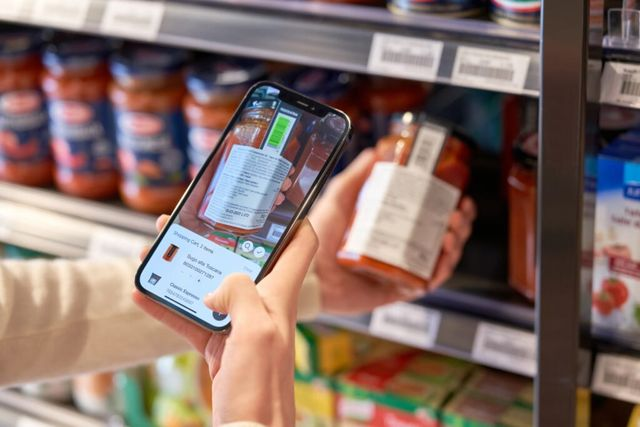
- Mobile checkout systems
According to National Retail Federation (NRF) data, retailers offering omnichannel options often see higher customer loyalty and repeat purchases.
Physical stores become logistical hubs that support faster delivery and flexible fulfillment.
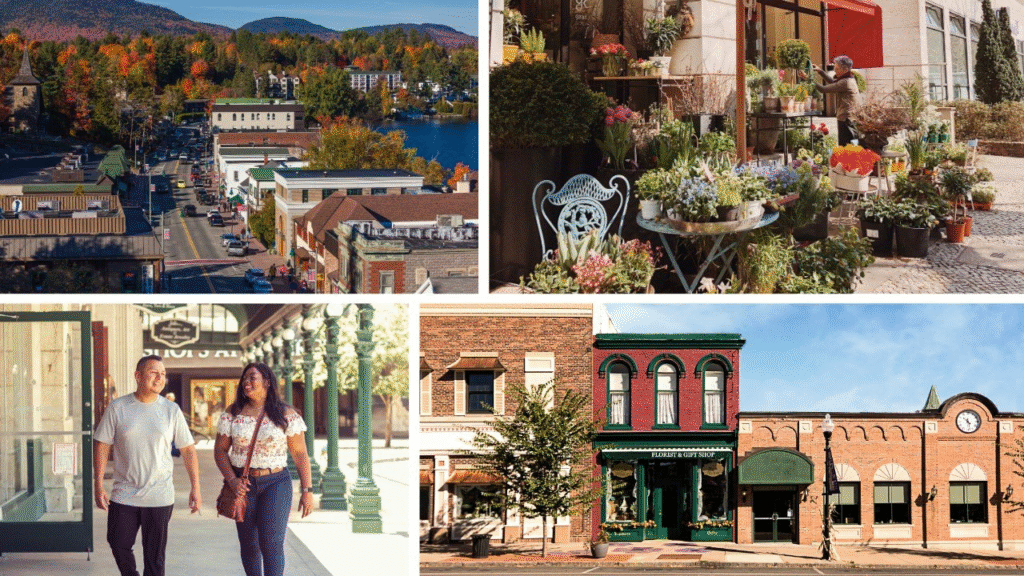
Retail Stores Support Local Economies
Physical retail also plays a significant role in local economic health.
Retail stores contribute by:
- Creating local jobs
- Supporting nearby small businesses
- Generating sales tax revenue
- Activating community spaces
Shopping districts, main streets, and neighborhood retail centers contribute to community identity and economic vitality.
Local retailers often participate in community events, sponsorships, and partnerships with nearby businesses.
These contributions extend beyond commerce—they help build stronger communities.
Small Retailers Still Have Opportunities
Despite competition from online giants, independent retailers can still succeed by focusing on differentiation and service.
Many successful small retailers emphasize:
- Highly curated product selections
- Expert knowledge and personalized advice
- Unique or locally sourced merchandise
- Strong relationships with repeat customers
For example, a specialty running store may provide gait analysis and training advice that large online retailers cannot replicate.
Independent bookstores often host author events, reading groups, and local gatherings that foster loyal communities.
These approaches create value that goes beyond price comparison.
Technology Is Enhancing Physical Retail
Technology is not replacing stores—it is enhancing them.
Retailers increasingly use digital tools to improve in-store experiences.
Examples include:
- Smart shelves that track inventory
- Mobile point-of-sale systems
- Interactive product displays
- Augmented reality fitting rooms
- AI-driven customer insights
These technologies allow stores to operate more efficiently while delivering personalized experiences.
The result is a retail environment where digital and physical elements work together.
What the Future of Retail Stores May Look Like
Retail stores will likely continue evolving in several ways:
Smaller footprints:
Urban locations may prioritize curated products rather than large inventory.
Showroom models:
Stores may display products while fulfilling orders from nearby warehouses.
Community-focused spaces:
Events, education, and social engagement may become central to store design.
Integrated logistics hubs:
Stores may support local delivery and pickup operations.
Rather than disappearing, stores are becoming more flexible and strategically integrated into broader retail ecosystems.
Why Consumers Still Choose In-Store Shopping
When Americans choose physical stores over online shopping, several consistent motivations appear.
Common reasons include:
- The ability to see products before buying
- Immediate access to purchases
- Personal interaction with staff
- Easier returns and exchanges
- A more enjoyable shopping experience
For many consumers, the ideal experience combines online convenience with in-person confidence.
Retailers who successfully blend these elements often outperform those relying solely on one channel.
Frequently Asked Questions
Why are physical retail stores still important?
Physical stores provide hands-on product interaction, instant purchases, and personal service that many shoppers value. They also help build brand trust and offer experiences that online platforms cannot fully replicate.
Are brick-and-mortar stores declining in the U.S.?
While some stores have closed, the overall retail sector remains strong. Most retail sales still occur in physical stores, and many online brands are opening physical locations.
What is omnichannel retail?
Omnichannel retail integrates online and offline shopping experiences. Examples include buying online and picking up in store, returning online purchases at physical locations, or checking store inventory through mobile apps.
Why do online brands open physical stores?
Physical locations allow online brands to build trust, offer product experiences, and strengthen customer relationships.
What types of retail benefit most from physical stores?
Categories such as clothing, furniture, electronics, beauty products, and specialty goods benefit from in-person experiences where customers can see, try, or test products.
Do physical stores increase customer loyalty?
Yes. Stores provide opportunities for personal interaction and brand experiences that strengthen long-term customer relationships.
How do retail stores compete with e-commerce?
Retailers compete by offering unique experiences, expert advice, instant fulfillment, and integrated digital services.
What role do retail stores play in communities?
Retail stores create jobs, support local economies, and help maintain active commercial districts that contribute to community life.
Are shopping malls still relevant?
Many malls are evolving into mixed-use destinations that include dining, entertainment, offices, and residential spaces alongside retail.
Will physical stores disappear in the future?
Most experts expect physical stores to remain a core part of retail, though they will continue adapting to new consumer behaviors and technologies.
Retail’s Enduring Advantage in a Digital Marketplace
Retail stores continue to play a meaningful role in the modern economy because they provide experiences, trust, and immediacy that digital platforms alone cannot match.
As technology evolves, the most successful retailers are not choosing between online and offline channels—they are combining both. Physical stores are becoming hubs for experiences, logistics, and community engagement.
The future of retail is not purely digital or purely physical. It is connected, flexible, and centered on how consumers actually prefer to shop.
Key Insights From Today’s Retail Environment
- Physical stores still account for the majority of U.S. retail sales
- Hands-on product experiences remain valuable for consumers
- Omnichannel strategies strengthen customer loyalty
- Stores increasingly focus on experiences rather than transactions
- Technology is enhancing in-store operations and personalization
- Retail locations support local economies and communities
 Robert Weber