

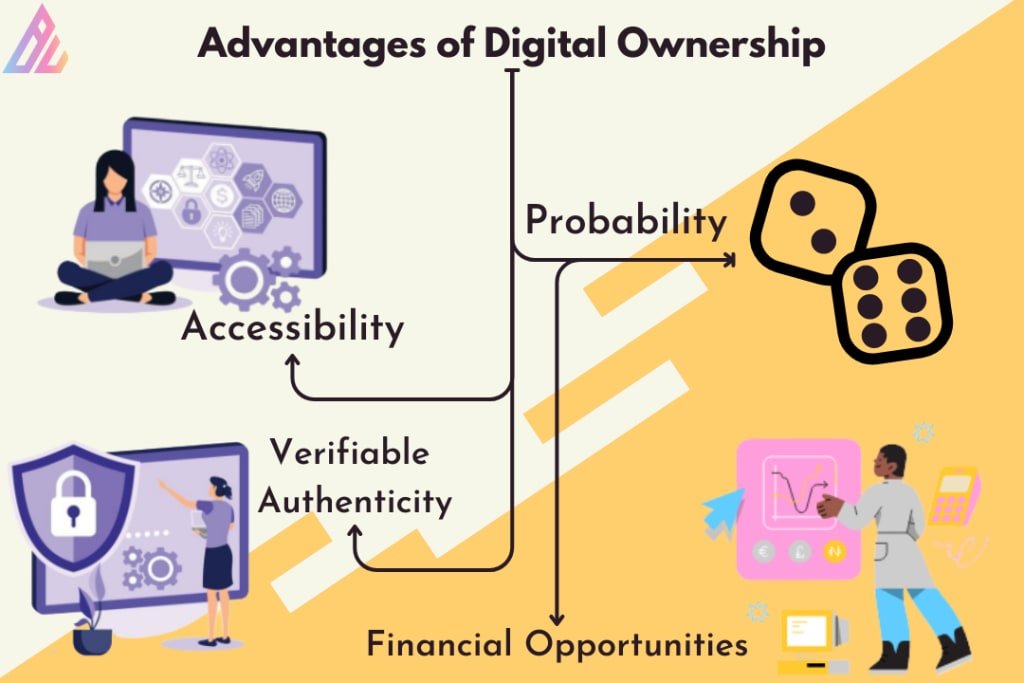
Digital ownership is emerging as a defining trend in modern finance. Powered by blockchain technology, digital assets now represent everything from cryptocurrencies to tokenized real estate and digital identity systems. Financial analysts and institutions are increasingly studying this shift as it reshapes how value is stored, transferred, and verified in the global economy.
Understanding the Concept of Digital Ownership
Ownership has traditionally been defined by legal documentation, centralized databases, and financial intermediaries. Whether it involved property deeds, stock certificates, or intellectual property rights, proof of ownership typically relied on trusted institutions such as banks, governments, or corporate registries.
Digital ownership introduces a different model. Instead of relying solely on centralized systems, ownership records can now be verified through distributed blockchain networks. These networks create transparent and tamper-resistant ledgers that record transactions and ownership changes.
This approach allows individuals and organizations to hold verifiable digital claims over assets without requiring constant oversight from a central authority.
For financial experts, the significance lies in the potential efficiency improvements and transparency gains. Blockchain-based ownership records can reduce administrative costs, shorten settlement times, and provide clearer audit trails across financial markets.
Why Financial Experts Are Studying Digital Ownership
Financial analysts, economists, and institutional investors are paying attention to digital ownership for several reasons. The shift reflects broader technological trends transforming how assets are issued, managed, and transferred.
Several developments are accelerating this shift:
- Growth of blockchain networks used for financial transactions
- Increasing adoption of tokenized financial products
- Improvements in digital identity and authentication systems
- Expansion of regulated digital asset investment vehicles
- Interest from major financial institutions and asset managers
According to research from PwC, blockchain technology could significantly influence global financial infrastructure over the next decade. Meanwhile, studies from Fidelity Digital Assets show increasing institutional curiosity about blockchain-based financial systems.
While the technology is still evolving, financial professionals increasingly see digital ownership as part of a long-term shift toward digitized financial markets.
Blockchain: The Infrastructure Behind Digital Ownership
At the center of digital ownership systems is blockchain technology. A blockchain is essentially a distributed ledger that records transactions across many computers simultaneously.
Because each transaction is validated by network participants and permanently recorded, altering historical records becomes extremely difficult. This property makes blockchains particularly useful for tracking ownership and verifying asset transfers.
Some of the most widely known blockchain networks include:
- Bitcoin – often viewed as digital gold and the first widely adopted cryptocurrency
- Ethereum – known for supporting smart contracts and decentralized applications
- Solana – designed for high-speed transaction processing
Financial institutions and technology companies are experimenting with these and other blockchain systems to explore new financial applications.
For example, blockchain settlement systems could allow certain financial transactions to finalize within minutes rather than days.
Digital Assets Are Expanding Beyond Cryptocurrency
While cryptocurrency sparked early interest in digital ownership, the concept now extends far beyond digital currencies.
Financial experts are increasingly examining how blockchain systems can represent ownership of many different types of assets.
Examples include:
- Tokenized real estate shares
- Digital art and intellectual property rights
- Supply chain documentation
- Corporate equity tokens
- Digital identity credentials
Tokenization allows real-world assets to be represented as digital tokens on blockchain networks. These tokens can then be transferred, traded, or verified using blockchain infrastructure.
For example, a commercial building could theoretically be divided into thousands of blockchain-based ownership units, allowing investors to hold fractional interests.
Although this model is still developing, analysts see potential for improving market accessibility and liquidity.
The Role of Regulation in Digital Ownership Systems
One of the most important factors shaping the future of digital ownership is regulatory clarity.
In the United States, multiple agencies oversee aspects of digital asset markets. Financial experts closely monitor how regulatory frameworks evolve because these rules determine how digital ownership structures can operate legally.
Key regulatory bodies include:
- U.S. Securities and Exchange Commission
- Commodity Futures Trading Commission
- Internal Revenue Service
These agencies address issues such as securities classification, taxation, and investor protection.
As regulatory frameworks mature, financial institutions often become more comfortable integrating new technologies into traditional financial systems.
Clear regulations also help protect investors and ensure fair market practices.
How Digital Ownership Could Influence Financial Markets
Digital ownership has the potential to reshape several aspects of modern finance. While widespread adoption will take time, analysts are already examining how blockchain-based systems might transform financial infrastructure.
Possible impacts include:
- Faster settlement times for certain financial transactions
- Improved transparency in asset ownership records
- Lower administrative costs in financial operations
- Expanded access to global investment opportunities
For example, traditional stock trades in the United States typically settle within two business days. Blockchain systems could theoretically shorten that process significantly.
However, financial experts emphasize that integrating these technologies into large-scale financial systems requires careful testing, regulatory oversight, and robust security measures.
Real-World Examples of Digital Ownership Applications
Although much of the digital ownership conversation focuses on future potential, several practical applications already exist.
1. Blockchain-based payment networks
Digital currencies enable peer-to-peer transfers without traditional payment intermediaries. This can be particularly useful for cross-border transactions.
2. Tokenized assets
Financial firms are experimenting with tokenized bonds, real estate investments, and other securities.
3. Digital collectibles
Blockchain systems can verify ownership of digital items such as artwork or game assets.
4. Supply chain verification
Companies are using blockchain ledgers to track product origins and verify authenticity.
Each of these examples demonstrates how blockchain technology can serve as a reliable record of ownership.
What Individual Investors Should Understand
For individual investors, the shift toward digital ownership raises important questions. Understanding the broader financial context can help investors approach digital assets thoughtfully.
Several key considerations are worth keeping in mind.
Important Factors for Investors
- Digital asset markets can be volatile.
- Blockchain technology is still evolving.
- Regulatory frameworks continue to develop.
- Security practices are essential for protecting digital assets.
- Digital ownership models may reshape investment opportunities over time.
Investors who focus on education and risk management tend to navigate emerging financial technologies more effectively.
As with any investment category, diversification and long-term thinking remain important principles.
Why Analysts See Digital Ownership as a Long-Term Trend
Financial experts often distinguish between short-term market cycles and long-term technological shifts. Digital ownership appears to fall into the latter category.
Several factors support this view:
- Increasing institutional research into blockchain systems
- Growing investment in financial technology infrastructure
- Expansion of tokenization experiments by major financial firms
- Development of digital identity and authentication technologies
Major consulting firms, including Deloitte, have published research suggesting that blockchain technology could play a significant role in the future of financial services.
While widespread adoption will take time, the underlying infrastructure continues to evolve.
For analysts studying financial innovation, digital ownership represents one of the most significant developments in modern financial technology.
Frequently Asked Questions
What is digital ownership?
Digital ownership refers to the ability to prove and transfer ownership of assets using blockchain-based systems rather than traditional centralized records.
How does blockchain enable digital ownership?
Blockchain networks record transactions in a decentralized ledger, allowing ownership records to be verified across multiple computers.
Are cryptocurrencies the only form of digital ownership?
No. Digital ownership can also apply to tokenized real estate, digital art, intellectual property, and other blockchain-based assets.
Why are financial institutions interested in digital ownership?
Institutions see potential benefits in transparency, efficiency, and new investment structures enabled by blockchain technology.
Is digital ownership legally recognized?
In some cases yes, but regulations are still evolving in many jurisdictions.
What is tokenization?
Tokenization converts ownership of real-world assets into digital tokens recorded on blockchain networks.
Are digital assets secure?
Security depends heavily on proper storage, secure platforms, and strong cybersecurity practices.
Can digital ownership replace traditional financial systems?
Most analysts expect blockchain technology to complement existing systems rather than completely replace them.
Is digital ownership suitable for all investors?
Not necessarily. Because digital asset markets are evolving, investors should carefully assess their risk tolerance and financial goals.
What industries could benefit from digital ownership?
Finance, real estate, supply chains, intellectual property, and digital media are among the sectors exploring blockchain-based ownership systems.
A Financial Landscape Increasingly Defined by Digital Records
The movement toward digital ownership reflects a broader shift in how value is documented and transferred in the modern economy. For centuries, financial systems relied on paper records, centralized databases, and institutional intermediaries. Blockchain technology introduces an alternative structure where ownership can be verified through decentralized networks.
Financial experts are paying close attention because these systems may improve transparency, reduce settlement times, and enable new financial products. While many questions remain about regulation, security, and scalability, the underlying technology continues to attract investment and research.
For investors and financial professionals alike, the rise of digital ownership highlights an important reality: the infrastructure supporting global finance is gradually becoming more digital, more programmable, and more interconnected.
Understanding this shift helps place digital assets within a larger conversation about the future of financial markets.
Essential Insights From the Digital Ownership Transition
- Digital ownership uses blockchain systems to verify asset ownership.
- Financial institutions are studying the technology for efficiency and transparency benefits.
- Tokenization could expand access to certain investment opportunities.
- Regulatory clarity will play a major role in shaping adoption.
- Security and risk management remain critical for investors.
- Digital ownership may complement traditional financial infrastructure.
 Julia
Julia