

Summary
Public-private partnerships (PPPs) are increasingly shaping major real estate development projects across the United States. By combining public sector resources with private sector expertise and investment, these collaborations help deliver housing, infrastructure, and mixed-use developments more efficiently. Understanding how PPPs work—along with their benefits, risks, and real-world applications—can help developers, investors, and policymakers make better decisions.
Understanding Public-Private Partnerships in Real Estate
Public-private partnerships (PPPs) are cooperative arrangements between government agencies and private companies designed to finance, build, and manage real estate or infrastructure projects. In real estate development, these partnerships allow both sectors to share financial responsibility, expertise, and risk.
The concept is straightforward: a public entity—such as a city government, county authority, or state agency—partners with a private developer to complete projects that might otherwise be difficult to finance or manage alone. The public side often provides land, tax incentives, or regulatory support, while the private partner contributes capital, construction capabilities, and operational experience.
PPPs have become particularly common in large urban development projects where public goals—like affordable housing, transit-oriented communities, or economic revitalization—align with private investment opportunities.
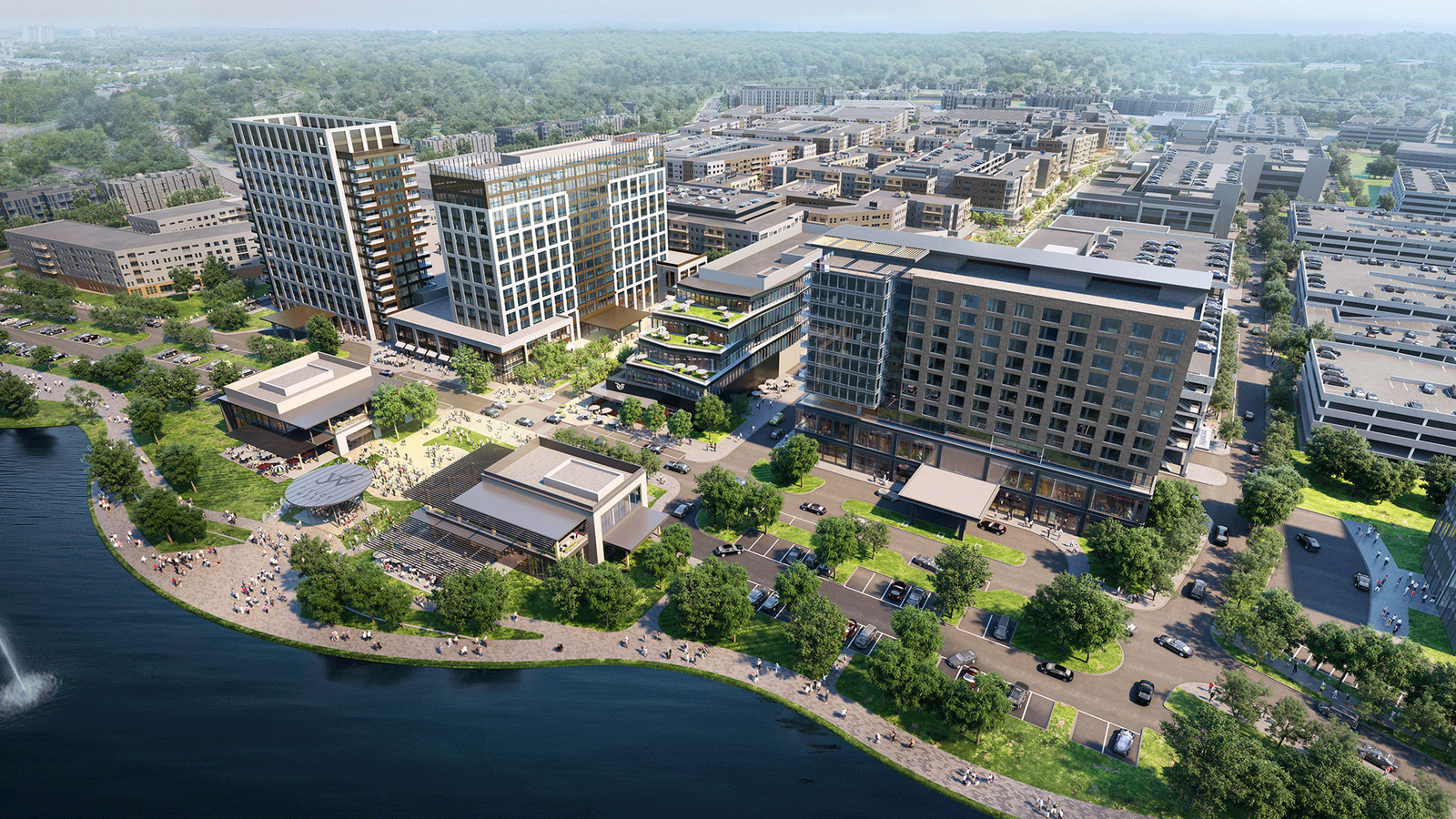
Across the United States, PPPs have played a role in projects ranging from mixed-use downtown districts to transit hubs and large-scale housing developments.
Why Governments and Developers Use PPPs
Both public agencies and private developers have strong incentives to collaborate.
For government entities, PPPs help accelerate development while reducing the need for upfront taxpayer funding. Private companies gain access to valuable land, incentives, and long-term projects that might otherwise be unavailable.
Common motivations for public-private partnerships include:
- Redeveloping underused public land
- Financing infrastructure improvements
- Expanding affordable housing supply
- Supporting economic development in urban centers
- Sharing development risks and costs
- Attracting private investment to public projects
For example, a city might own a vacant parcel near a transit station. By partnering with a private developer, the city can transform that land into a mixed-use community with housing, retail, and public amenities.
According to the Urban Land Institute, PPPs are increasingly used in redevelopment districts, particularly in cities seeking to revitalize downtown areas while maintaining public oversight.
How Public-Private Partnerships Typically Work
Although PPP agreements vary widely, most follow a similar structure.
First, the public sector identifies a development need. This could involve housing shortages, infrastructure upgrades, or economic redevelopment.
The government then issues a Request for Proposals (RFP) inviting private developers to submit plans. These proposals outline financial structures, design concepts, and timelines.
Once a private partner is selected, both parties negotiate a development agreement covering:
- Project financing
- Land ownership or leasing terms
- Construction responsibilities
- Long-term management obligations
- Risk allocation
- Public benefits such as affordable housing units or public spaces
These agreements often span decades, particularly when infrastructure or long-term operations are involved.
The private developer typically finances construction through a combination of equity, loans, and sometimes public funding tools like tax-increment financing (TIF) or municipal bonds.
Common Types of Real Estate Projects Using PPPs
Public-private partnerships appear in many different real estate sectors. Some of the most common examples include mixed-use developments, transportation hubs, and community revitalization initiatives.
Major PPP project categories include:
- Mixed-use urban redevelopment
- Transit-oriented development near rail or bus stations
- Affordable housing developments
- Sports arenas and entertainment districts
- University and hospital expansions
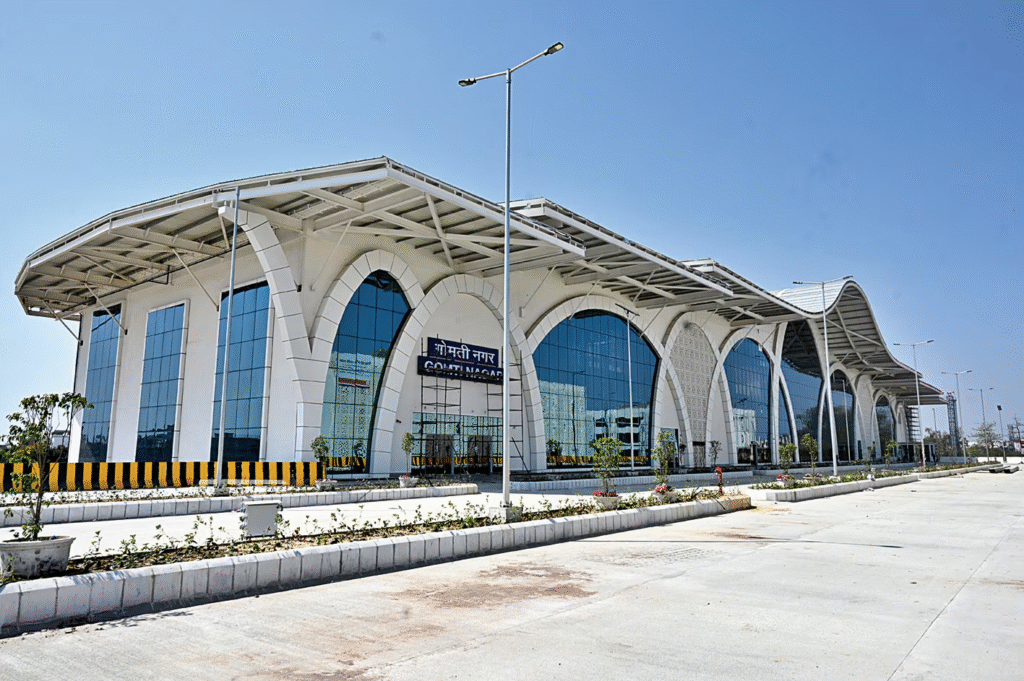
- Infrastructure-linked real estate such as airports or rail stations
Transit-oriented development is one of the fastest-growing PPP categories. Cities often collaborate with developers to build residential and retail properties around major transportation infrastructure.
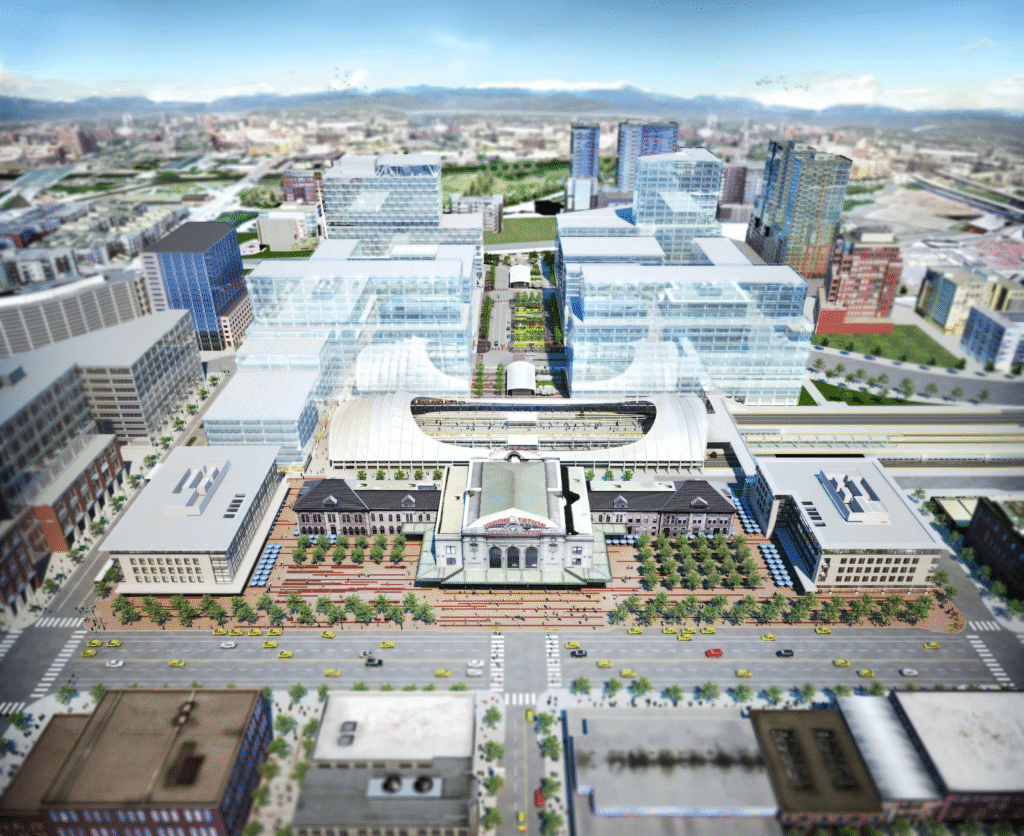
For instance, Denver’s Union Station redevelopment project transformed a historic rail hub into a mixed-use district with hotels, offices, and housing through a partnership involving the city, transportation authorities, and private investors.
Benefits of Public-Private Partnerships
When structured effectively, PPPs offer several advantages for communities, developers, and investors.
One of the most significant benefits is the ability to mobilize private capital for public goals. Large development projects—especially infrastructure-related ones—can cost hundreds of millions or even billions of dollars. PPPs allow governments to share that financial burden.
Additional benefits include:
- Faster project delivery compared with traditional public procurement
- Access to private sector innovation and construction expertise
- Risk sharing between public and private stakeholders
- Increased economic activity and job creation
- Improved public amenities such as parks, transit, and community spaces
For developers, PPPs often provide access to prime urban locations, particularly when public agencies control strategic land parcels.
Many successful PPP developments create long-term economic benefits for cities, including higher property values and increased tax revenues.
Risks and Challenges in PPP Development
Despite their advantages, public-private partnerships also involve significant complexity.
Negotiating these agreements requires careful planning, legal expertise, and financial modeling. Without strong oversight, projects can face cost overruns, delays, or conflicts between public goals and private profit incentives.
Some common PPP challenges include:
- Complex contract negotiations
- Political and regulatory changes during long project timelines
- Financing difficulties in uncertain markets
- Community opposition or public scrutiny
- Long approval processes
Transparency is critical to maintaining public trust. Communities often expect clear explanations of how public resources—such as land or tax incentives—are being used.
For this reason, many cities now conduct public hearings and economic impact studies before approving major PPP developments.
Real-World Examples of PPP Projects in the United States
Several major U.S. real estate developments demonstrate how PPPs work in practice.
Hudson Yards – New York City
One of the most widely cited PPP examples is the Hudson Yards development in Manhattan. The project transformed a former rail yard into a massive mixed-use district with offices, residential towers, retail spaces, and public plazas.
The city supported the project through infrastructure investments and zoning changes, while private developers financed and constructed most of the development.
National Landing – Arlington, Virginia
The redevelopment of National Landing—home to Amazon’s HQ2 offices—illustrates another PPP model. Local governments worked with developers to upgrade transportation infrastructure, housing, and commercial space in the area.
Denver Union Station Redevelopment
Denver’s Union Station project combined transportation infrastructure with real estate development, creating a transit hub surrounded by hotels, offices, restaurants, and residential buildings.
These projects highlight how PPPs can reshape urban districts while balancing public and private objectives.
Financing Tools Used in PPP Real Estate Projects
Funding large real estate developments often requires a combination of financial tools. PPPs typically combine public and private funding sources.
Common financing mechanisms include:
- Tax Increment Financing (TIF) districts
- Municipal bonds
- Federal housing or infrastructure grants
- Private equity investment
- Commercial bank loans
- Opportunity Zone incentives
Tax increment financing is widely used in redevelopment projects. Under this model, future increases in property tax revenue help finance infrastructure or development costs.
According to the Government Finance Officers Association, TIF has funded thousands of redevelopment projects across U.S. cities over the past several decades.
Community Impact and Public Accountability
Because PPPs involve public resources, community engagement plays a critical role.
Local governments often require developers to deliver public benefits such as:
- Affordable housing units
- Public parks or open spaces
- Transportation improvements
- Local hiring initiatives
- Community retail space
Community groups and neighborhood organizations frequently participate in planning discussions to ensure developments reflect local priorities.
Balancing economic development with community interests is one of the most important challenges in PPP planning.
Frequently Asked Questions
What is a public-private partnership in real estate?
A public-private partnership is a collaboration between government entities and private developers to finance, build, or manage real estate projects.
Why are PPPs used in urban development?
They help combine public goals—such as housing or infrastructure—with private investment and expertise.
Who typically owns the property in a PPP project?
Ownership structures vary. Sometimes the government retains land ownership while leasing it to developers, while other projects transfer ownership to private entities.
Are PPP projects funded with taxpayer money?
Some public funding may be involved, but most PPP projects rely heavily on private capital.
What types of projects commonly use PPP models?
Mixed-use developments, transportation hubs, affordable housing, sports venues, and infrastructure-related projects.
How do governments select private developers?
Most agencies use competitive bidding processes such as Requests for Proposals (RFPs).
What risks do PPPs carry?
Potential risks include financial uncertainty, project delays, political changes, and community concerns.
Are PPP developments common in the United States?
Yes. Many major redevelopment districts and infrastructure-related real estate projects use PPP structures.
Do PPPs help create affordable housing?
They can. Many cities require developers to include affordable housing units as part of PPP agreements.
How long do PPP agreements typically last?
Some agreements last decades, especially when long-term operations or infrastructure maintenance are involved.
Charting the Future of Collaborative Urban Development
Public-private partnerships are likely to remain a central strategy in American real estate development. As cities face increasing housing demand, infrastructure needs, and fiscal constraints, collaboration between government and private developers provides a practical path forward.
Successful PPPs depend on transparent planning, strong financial structures, and a clear balance between public benefit and private investment. When managed effectively, these partnerships can transform underused land, stimulate local economies, and create lasting urban communities.
Key Insights from the PPP Development Model
- PPPs combine government oversight with private sector investment and expertise
- They are widely used in mixed-use redevelopment and transit-oriented development
- Financial tools like tax increment financing often support these projects
- Transparent agreements and community engagement are essential for long-term success
- Many large U.S. redevelopment districts rely on PPP frameworks
 Robert Weber