

Summary
Effective tax planning isn’t just about filing returns—it’s about making strategic decisions throughout the year. Financial advisors often emphasize proactive planning, smart timing, and understanding how income, investments, and retirement accounts affect taxes. The following ten tax planning steps reflect widely recommended practices that help many Americans manage tax obligations more efficiently while supporting long-term financial stability.
Why Tax Planning Matters Beyond Filing Season
Many Americans think about taxes only when filing their returns each spring. Financial advisors, however, typically view taxes as a year-round planning process. The decisions you make about income timing, retirement contributions, investments, and deductions throughout the year can significantly influence your overall tax situation.
According to the IRS, more than 150 million individual tax returns are filed each year in the United States. Yet a large portion of taxpayers miss opportunities simply because they begin planning too late. Advisors often stress that tax strategy should be integrated with broader financial planning, including retirement goals, investment management, and estate considerations.
Good tax planning does not rely on complicated loopholes. Instead, it focuses on understanding available tax rules and applying them thoughtfully to everyday financial decisions.
1. Review Your Tax Situation Early in the Year
Financial advisors frequently recommend starting the tax planning process early—ideally in the first quarter of the year.
Waiting until the filing deadline limits the number of adjustments you can make. Early reviews provide time to make strategic changes that may influence deductions, income timing, and retirement contributions.
An early tax check-in often includes reviewing:
- Estimated income for the year
- Changes in employment or business activity
- Potential deductions or credits
- Retirement contributions
For example, a household that anticipates higher income due to a promotion or bonus may adjust withholding or increase retirement contributions to offset the additional taxable income.

2. Maximize Contributions to Tax-Advantaged Accounts
One of the most widely recommended tax planning strategies is contributing to tax-advantaged accounts.
These accounts can reduce taxable income today while supporting long-term savings goals.
Common options include:
- 401(k) plans
- Traditional IRAs
- Health Savings Accounts (HSAs)
- Flexible Spending Accounts (FSAs)
In 2024, the IRS allows up to $23,000 in employee contributions to a 401(k), with additional catch-up contributions for individuals age 50 and older.
Financial advisors often suggest prioritizing these accounts because they offer immediate tax benefits while building retirement savings.
3. Understand Your Marginal Tax Bracket
Tax planning becomes much more effective when you understand your marginal tax bracket.
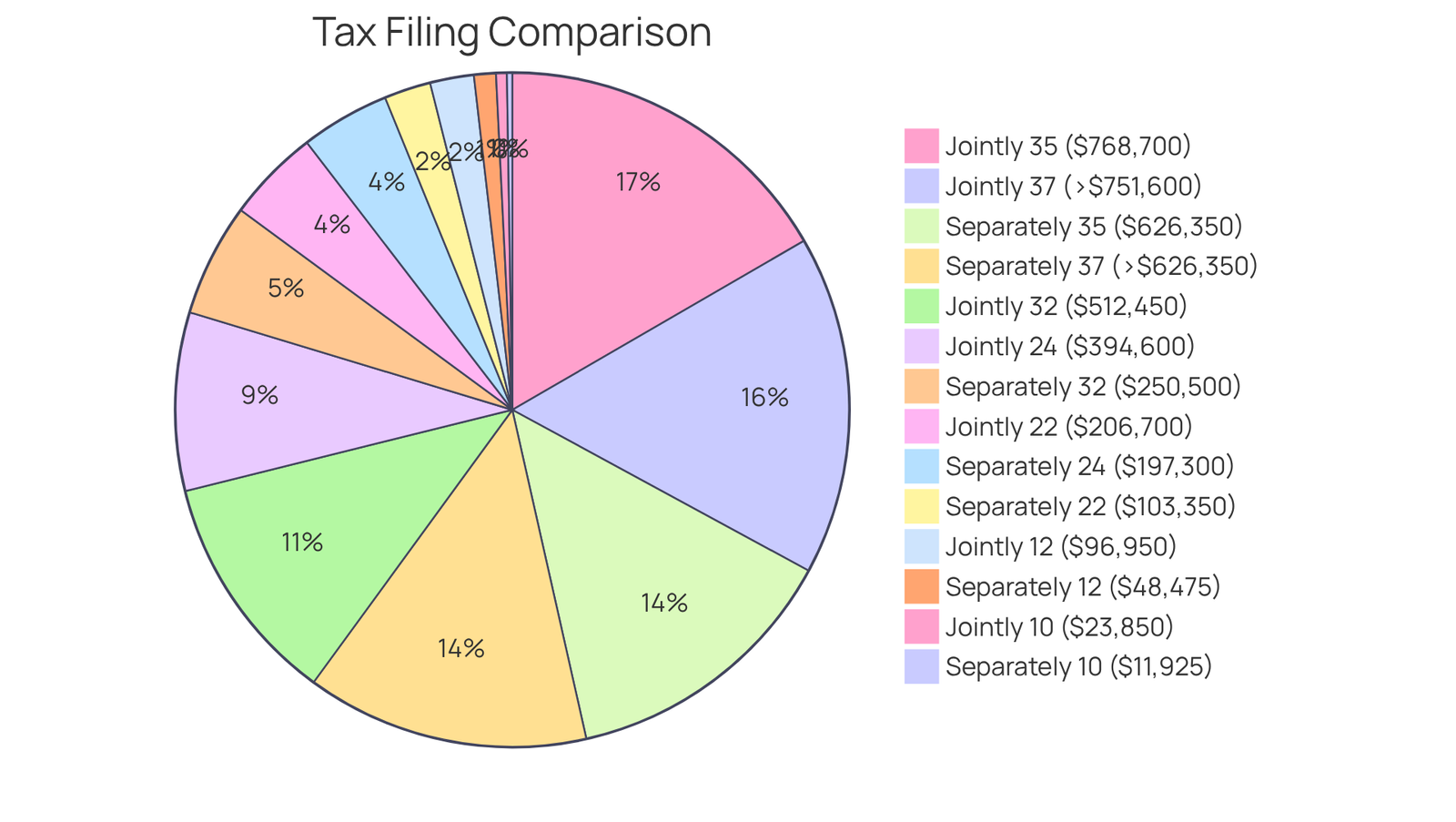
The U.S. tax system is progressive, meaning income is taxed at increasing rates as it rises. Knowing your bracket helps you evaluate whether certain decisions—such as realizing investment gains or making deductible contributions—may shift your tax liability.
For example, a household nearing the top of the 22% tax bracket might increase retirement contributions to avoid entering the 24% bracket.
Advisors frequently analyze projected income levels to help clients make strategic timing decisions.
4. Review Investment Tax Efficiency
Investment choices can have a substantial impact on taxes.
Advisors often emphasize the importance of tax-efficient investing, which considers how different assets generate taxable income.
Some investments produce more taxable income than others:
- Bond interest is typically taxed as ordinary income
- Qualified dividends often receive favorable tax rates
- Long-term capital gains usually receive lower tax rates than short-term gains
For example, an investor holding frequently traded assets in a taxable brokerage account may generate higher annual tax bills compared with someone using tax-efficient funds or holding assets longer.
Many advisors recommend placing tax-inefficient investments—such as bonds—inside retirement accounts when possible.

5. Consider Tax-Loss Harvesting
Tax-loss harvesting is a strategy often used by investors to offset capital gains.
The concept is relatively straightforward: selling investments that have declined in value can generate a capital loss, which may offset taxable gains from other investments.
Financial advisors often review portfolios toward the end of the year to determine whether harvesting losses could reduce tax liability.
However, the IRS wash-sale rule prevents investors from repurchasing the same or substantially identical security within 30 days.
Because of these rules, advisors typically review the strategy carefully to avoid unintended tax consequences.
6. Monitor Required Minimum Distributions (RMDs)
For retirees, Required Minimum Distributions (RMDs) are an essential part of tax planning.
Beginning at age 73 (under current law), individuals must begin withdrawing minimum amounts from certain retirement accounts such as traditional IRAs and 401(k)s.
These withdrawals are generally taxed as ordinary income.
Financial advisors frequently help retirees plan these withdrawals carefully, especially when they have multiple retirement accounts.
Some retirees choose strategies such as:
- Coordinating withdrawals with Social Security income
- Spreading withdrawals across accounts
- Using charitable distribution strategies
Proper planning can help prevent unexpectedly large tax bills.
7. Evaluate Charitable Giving Strategies
Charitable giving can serve both philanthropic and tax planning purposes.
For taxpayers who itemize deductions, donations to qualified charitable organizations may be deductible.
Advisors sometimes suggest strategic approaches such as:
- Donor-advised funds
- Qualified charitable distributions (QCDs)
- Donating appreciated securities
For instance, donating appreciated stock directly to a charity may allow the donor to avoid capital gains taxes while still claiming the charitable deduction.
These strategies can be particularly useful for individuals who regularly support nonprofit organizations.
8. Review Tax Withholding and Estimated Payments
Underpaying taxes throughout the year can result in penalties or large tax bills at filing time.
Financial advisors often review withholding levels after major life changes such as:
- Starting a new job
- Receiving a bonus
- Beginning freelance work
- Selling investments
Self-employed individuals or those with significant investment income may also need to make quarterly estimated tax payments.
Regular reviews can help ensure that payments remain aligned with actual income levels.
9. Plan for Major Life Events
Life changes frequently bring tax implications.
Financial advisors often encourage clients to revisit their tax strategy after major milestones such as:
- Marriage or divorce
- Buying or selling a home
- Having children
- Starting a business
- Entering retirement
For example, new parents may become eligible for tax credits such as the Child Tax Credit, while homeowners may see changes in deductions related to mortgage interest or property taxes.
Proactive planning allows households to adjust financial decisions accordingly.
10. Work With Qualified Tax Professionals
Even financially savvy individuals often benefit from professional guidance.
Financial advisors, certified public accountants (CPAs), and tax professionals can help interpret complex tax rules and identify opportunities that might otherwise be overlooked.
Professional collaboration often becomes especially valuable when dealing with:
- Multiple income sources
- Business ownership
- Investment portfolios
- Retirement income strategies
- Estate planning considerations
Many advisors emphasize that tax planning should be coordinated with investment and retirement planning rather than treated as a separate process.

Common Questions About Tax Planning
When should tax planning start during the year?
Many financial advisors recommend beginning tax planning early in the year and reviewing it periodically. This allows enough time to adjust contributions, investment decisions, and withholding before year-end.
What is the difference between tax planning and tax preparation?
Tax preparation focuses on filing returns accurately. Tax planning involves making strategic financial decisions throughout the year to manage tax liability.
Do retirement contributions really reduce taxes?
Contributions to certain retirement accounts—such as traditional 401(k)s or IRAs—can reduce taxable income in the year they are made.
Is tax-loss harvesting only for wealthy investors?
Not necessarily. Investors with taxable brokerage accounts can potentially benefit from harvesting losses, although the strategy must follow IRS rules.
What is the benefit of understanding tax brackets?
Knowing your tax bracket helps you evaluate whether additional income, deductions, or investment decisions could increase or reduce your overall tax liability.
Are charitable donations always tax deductible?
Only donations to qualified organizations may be deductible, and taxpayers typically must itemize deductions to claim them.
Why do retirees need to plan for required minimum distributions?
RMDs are mandatory withdrawals from certain retirement accounts and are generally taxed as income, making planning important for managing tax obligations.
Should self-employed individuals pay taxes quarterly?
Many self-employed individuals must make quarterly estimated tax payments to avoid penalties.
How often should someone review their tax strategy?
Many advisors suggest reviewing tax strategies at least once or twice per year, especially after major financial changes.
Can tax planning help reduce investment taxes?
Yes. Strategies such as asset location, long-term holding periods, and tax-loss harvesting may help reduce taxes associated with investments.
Planning Ahead: Integrating Taxes Into Your Financial Strategy
Tax planning works best when it becomes part of a broader financial strategy rather than a once-a-year task. Many financial advisors emphasize that small adjustments—such as reviewing withholding, adjusting retirement contributions, or managing investment timing—can gradually improve tax efficiency over time.
The goal is not to eliminate taxes but to ensure that financial decisions align with current tax rules and long-term financial goals.
Key Ideas to Remember
- Tax planning is most effective when done year-round
- Retirement accounts often provide significant tax advantages
- Investment decisions can influence taxable income
- Life events frequently change tax circumstances
- Professional guidance can help navigate complex tax rules
 Robert Weber