

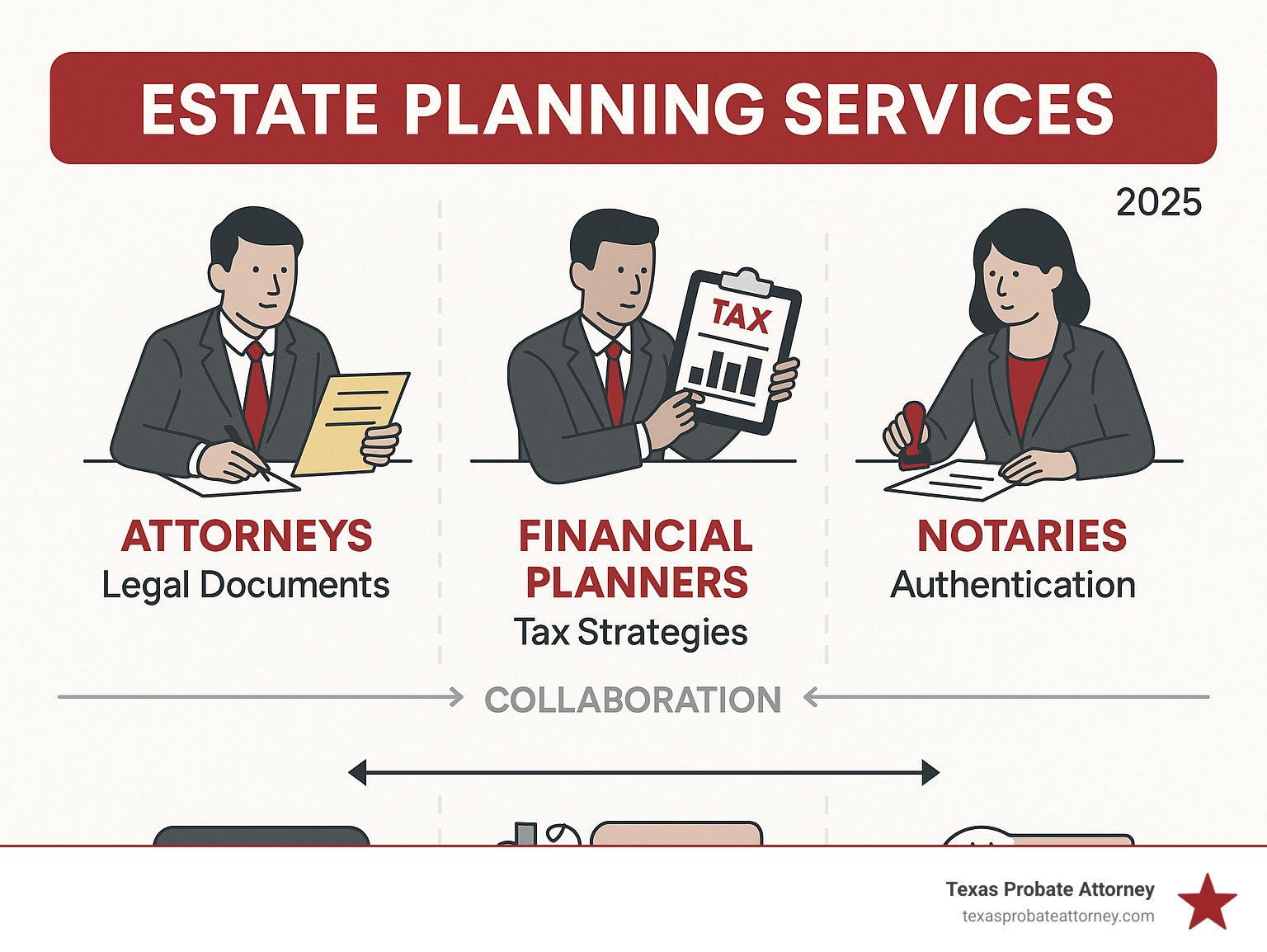
Discover whether estate planning remains the best tax shield in 2025. Learn how trusts, gifting, exemptions, and smart strategies protect your wealth from IRS burdens. Includes FAQs, real-life examples, expert tips, and the latest tax insights.
Estate Planning in 2025: A Quick Overview
Estate planning in 2025 continues to be one of the strongest tax shields for American families, but new federal tax proposals, changing exemption limits, and IRS enforcement are reshaping strategies. By combining trusts, gifting, and charitable planning, individuals can still reduce estate taxes, protect generational wealth, and maintain control over assets.
Why Estate Planning Still Matters More Than Ever
For decades, estate planning has been viewed as something reserved for the ultra-wealthy. But the reality in 2025 is quite different. Rising asset values, state-level inheritance taxes, and an upcoming reduction in the federal estate tax exemption make estate planning essential for middle-class and wealthy families alike.
Estate planning is not only about writing a will. It is about creating a tax shield—a set of strategies designed to keep as much of your wealth as possible within your family rather than in the hands of the IRS.
Some of the most important benefits include:
- Estate Tax Minimization – Strategic gifting, exemptions, and trusts reduce taxable exposure.
- Capital Gains Management – Step-up in basis rules minimize capital gains tax for heirs.
- Probate Avoidance – Trusts allow assets to pass privately, saving time and costs.
- Wealth Protection – Shields assets from lawsuits, creditors, and even divorce settlements.
💡 Example: In 2025, the federal estate tax exemption sits around $13.61 million per person. A couple could transfer $27.22 million tax-free. However, if the law sunsets in 2026, the exemption will drop to ~$6 million. Without proper planning, families risk losing 40% or more of their estate above that threshold.
The 2025 Tax Climate: What’s Changed?
Estate planning strategies always evolve with the tax code. In 2025, three major changes stand out:
1. Federal Estate Tax Exemption “Sunset” Looms
The Tax Cuts and Jobs Act doubled the estate tax exemption in 2017. That provision expires after 2025, cutting the exemption nearly in half.
2. IRS Enforcement Surge
Billions in IRS funding have been allocated for enforcement, with a focus on high-net-worth taxpayers and estate audits.
3. State-Level Estate and Inheritance Taxes
Seventeen states (including New York, Massachusetts, and Oregon) levy their own estate or inheritance taxes, with exemptions much lower than the federal threshold.
Real-Life Scenario: A Massachusetts family with $3 million in property could face state estate taxes even though they are below the federal threshold. Without planning, heirs might need to liquidate assets just to pay the tax bill.
Is Estate Planning Still the Best Tax Shield Compared to Alternatives?
Many Americans are exploring alternative tax shields such as retirement accounts, insurance products, and business structures. While valuable, none offer the comprehensive protection of estate planning.
- Retirement Accounts (401k/IRA): Good for deferring taxes but heavily taxed on withdrawal.
- Life Insurance: Provides tax-free payouts, but proceeds can still be taxable without an Irrevocable Life Insurance Trust (ILIT).
- Business Entities (LLCs, S-Corps): Reduce business-level taxes but don’t solve estate transfer taxes.
- Charitable Giving: Offers powerful deductions but requires significant planning and wealth to maximize.
Verdict: Estate planning is still the umbrella that combines these tools into a cohesive, tax-shielding structure.
What Estate Planning Tools Are Most Effective in 2025?
Estate planning is not one-size-fits-all. The best strategies depend on family goals, asset types, and tax exposure.
1. Trusts
- Revocable Living Trusts – Avoid probate but do not reduce taxes.
- Irrevocable Trusts – Permanently remove assets from the taxable estate.
- Grantor Retained Annuity Trusts (GRATs) – Transfer future appreciation with minimal gift tax.
2. Gifting
- Annual Gift Exclusion: $18,000 per recipient in 2025.
- Lifetime Gift Exemption: Unified with the estate exemption (~$13.61 million).
3. Charitable Strategies
- Charitable Remainder Trusts (CRTs): Provide income and reduce estate size.
- Donor-Advised Funds: Immediate tax deduction with long-term giving flexibility.
4. Life Insurance in ILITs
Ensures proceeds are outside taxable estate.
5. Family Limited Partnerships (FLPs)
Discounts asset values for transfer purposes, minimizing taxes.
Example: A business owner transfers $20 million worth of shares into a GRAT. With valuation discounts and appreciation, heirs inherit stock potentially worth $40 million—with little to no estate tax owed.
What Happens If You Don’t Do Estate Planning in 2025?
The cost of failing to plan is steep:
- Federal Estate Tax: 40% on amounts above exemption.
- State Estate/Inheritance Taxes: Can add 10–16% in some states.
- Probate Fees: Typically 3–7% of estate value.
- Family Disputes: Unplanned estates often result in costly, bitter conflicts.
Case Study: When musician Prince died in 2016 without a will, his $156 million estate endured a six-year probate battle, costing millions in taxes and legal fees. This remains a textbook example of why planning matters.
How Do Politics and the 2025 Elections Affect Estate Planning?
Estate tax law is political. The outcome of the 2025 elections will determine whether exemptions stay high or return to pre-2017 levels.
- Democratic Proposals: Lower exemptions, higher tax rates, and limits on trust strategies.
- Republican Proposals: Extend current exemptions or repeal estate tax altogether.
Families with large estates should act now, before 2026, to take advantage of today’s historically high exemptions.
Practical Takeaways for Families in 2025
- Review your estate plan annually.
- Lock in today’s exemptions before they expire.
- Use gifting to reduce taxable estate.
- Factor in state-level taxes if applicable.
- Coordinate with retirement, insurance, and business planning.
FAQs: Estate Planning and Taxes in 2025
1. Will the estate tax exemption really drop in 2026?
Yes. Unless Congress acts, it will revert to around $6 million per individual, exposing more estates to tax.
2. Is having a will enough to shield taxes?
No. A will only directs distribution. True tax shielding requires trusts and strategic gifting.
3. Do middle-class families really need estate planning?
Absolutely. States like Massachusetts tax estates as low as $2 million.
4. How does the step-up in basis work?
Heirs inherit property at market value, reducing capital gains tax liability upon sale.
5. Are digital assets (crypto, NFTs) included in estate planning?
Yes. The IRS treats digital assets as property; they should be documented in estate plans.
6. Can life insurance avoid estate taxes?
Only if held within an ILIT. Otherwise, large policies may be taxable.
7. What type of trust is best in 2025?
Irrevocable trusts remain the most powerful, but the best option depends on your assets.
8. Can annual gifting really make a difference?
Yes. Over years, annual exclusions significantly reduce taxable estates.
9. How should business owners plan their estate?
Family Limited Partnerships, GRATs, and succession planning help reduce tax burdens.
10. Should estate plans be updated in 2025?
Yes. Annual reviews are crucial with looming law changes.