


Summary
Before filing a tax return, financial advisors recommend a series of practical checks that can help taxpayers avoid costly mistakes, claim overlooked deductions, and ensure accurate reporting. Reviewing income documents, retirement contributions, tax credits, and investment activity can make a meaningful difference. This guide explains the most common pre-filing tax checks advisors recommend and how Americans can apply them before submitting their returns.
Why Pre-Filing Tax Checks Matter
For many Americans, tax season arrives quickly and disappears just as fast. Forms are gathered, software is opened, and the return is filed. Yet financial advisors consistently point out that the most valuable tax planning often happens right before filing.
A careful review at this stage can uncover missing documents, overlooked deductions, and reporting inconsistencies that could lead to IRS notices later. According to data from the Internal Revenue Service, millions of taxpayers receive adjustment notices each year due to income mismatches or reporting errors. Many of these issues could be prevented with a short but deliberate pre-filing review.
Financial advisors tend to view tax preparation as part of a broader financial planning process. They encourage clients to treat filing season not simply as an administrative task, but as an annual opportunity to confirm that financial decisions throughout the year were properly recorded and reported.
In practice, that means checking several key areas before clicking “submit.”
Confirm That All Income Documents Are Accounted For
One of the most common issues advisors see is missing income forms. Taxpayers may file once they receive their W-2, only to discover later that a 1099 arrived after filing.
The IRS receives copies of these forms directly from employers and financial institutions. If the return omits one, it can trigger a notice.
Financial advisors recommend waiting until all expected income documents have arrived before filing.
Common forms to verify include:
- W-2 for wages and salaries
- 1099-NEC or 1099-MISC for freelance or contract income
- 1099-INT and 1099-DIV for interest and dividends
- 1099-B for brokerage transactions
- 1099-R for retirement account withdrawals
- 1099-K for certain payment platform income
A frequent example involves brokerage accounts. Investors sometimes overlook small dividends or capital gains distributions reported on 1099-DIV forms. Even modest amounts must be included to avoid mismatches.
Advisors often suggest comparing tax forms with year-end financial statements to ensure consistency.
Review Retirement Contributions and Eligibility
Retirement accounts play an important role in tax planning, and advisors often review them just before filing.
Certain retirement contributions can still be made up until the tax filing deadline, potentially reducing taxable income.
Key areas to review include:
- Traditional IRA contributions, which may be tax deductible depending on income and workplace retirement plan coverage
- Roth IRA eligibility, which has income thresholds that change annually
- Health Savings Account (HSA) contributions, which also remain open until the filing deadline
For example, a taxpayer who contributes $6,500 to a traditional IRA before the filing deadline could potentially reduce taxable income by the same amount if the contribution qualifies as deductible.
Financial advisors frequently review these options with clients in March or early April to determine whether additional contributions make sense.
Check for Overlooked Tax Credits
Tax credits are particularly valuable because they reduce tax liability dollar-for-dollar, unlike deductions which only reduce taxable income.
Advisors often review eligibility for several credits that taxpayers commonly overlook.
Examples include:
- Child Tax Credit
- Child and Dependent Care Credit
- Lifetime Learning Credit
- American Opportunity Credit
- Energy-efficiency home improvement credits
A common scenario involves education expenses. Families may not realize that certain tuition payments or educational costs qualify for credits worth up to several thousand dollars, depending on eligibility.
Because eligibility rules can vary based on income and filing status, advisors recommend reviewing these credits carefully rather than assuming they do not apply.
Double-Check Investment Activity
Investors often generate multiple types of taxable events during the year, including capital gains, dividends, and interest.
Financial advisors recommend reviewing all investment activity to ensure accurate reporting.
Common items to review include:
- Capital gains from stock or mutual fund sales
- Dividend distributions from funds or ETFs
- Cryptocurrency transactions
- Interest from bonds or savings products
According to research from the Investment Company Institute, millions of Americans hold mutual funds or exchange-traded funds that distribute capital gains annually. These distributions may be taxable even if investors did not sell shares themselves.
Advisors frequently remind clients that reinvested dividends still count as taxable income.
Verify Deduction Opportunities
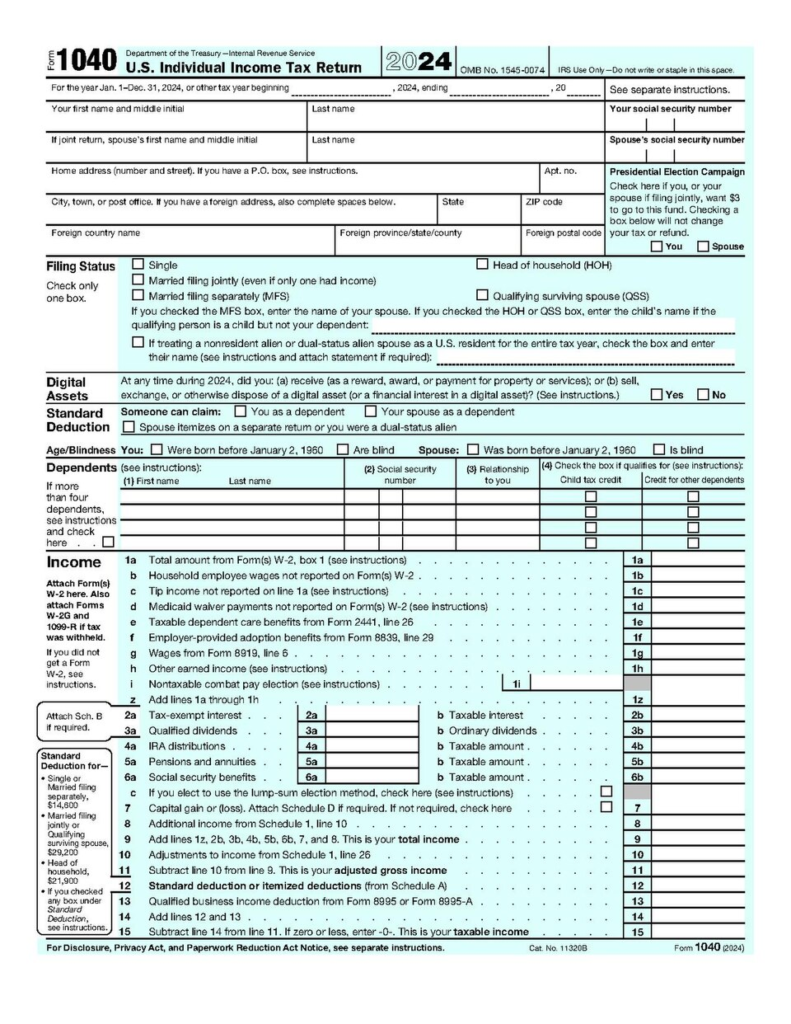
Although the standard deduction now applies to most households following recent tax law changes, itemized deductions can still matter for certain taxpayers.
Financial advisors recommend reviewing potential deductions before filing to determine whether itemizing might make sense.
Possible deductions may include:
- Mortgage interest
- Charitable contributions
- State and local taxes (subject to limits)
- Medical expenses exceeding threshold levels
Charitable giving is one area advisors often examine closely. Many taxpayers make donations during the year but forget to retain proper documentation.
The IRS typically requires written acknowledgment for charitable gifts above certain thresholds, making documentation important during filing.
Look for Changes in Filing Status or Household Situation
Life events can significantly affect a tax return.
Financial advisors recommend reviewing whether the following changes occurred during the year:
- Marriage or divorce
- Birth or adoption of a child
- Children becoming dependents or aging out of eligibility
- Changes in custody arrangements
- Death of a spouse or dependent
These events may affect filing status, eligibility for credits, and available deductions.
For example, a newly married couple may find that filing jointly produces different tax results than filing separately. Advisors often run both scenarios to identify the most appropriate approach.
Confirm Estimated Tax Payments
Self-employed professionals, freelancers, and individuals with significant investment income often make quarterly estimated tax payments.
Before filing, advisors recommend confirming that these payments are correctly recorded.
Important items to review:
- Payment dates and amounts
- Confirmation numbers or receipts
- Whether payments were applied to the correct tax year
Occasionally, taxpayers forget to include these payments when filing, which can lead to overpayment of taxes.
A quick review ensures the return reflects all taxes already paid.
Check for Simple Errors Before Submission
Some of the most common tax problems arise from simple mistakes.
Financial advisors often encourage clients to perform one final accuracy check before filing.
This includes reviewing:
- Social Security numbers for all listed individuals
- Bank account information for refunds or payments
- Correct spelling of names
- Filing status selection
- Mathematical accuracy if filing manually
According to the IRS, mismatched Social Security numbers and incorrect personal information are frequent causes of return processing delays.
Tax preparation software helps reduce these errors, but a final review is still worthwhile.

FAQs
What is a pre-filing tax check?
A pre-filing tax check is a review of financial documents, deductions, and tax credits before submitting a tax return to ensure accuracy and identify potential savings opportunities.
When should I perform a pre-filing review?
Most advisors recommend conducting a review once all income documents have arrived, typically between late February and early April.
Can I still reduce my taxes before filing?
In some cases, yes. Contributions to traditional IRAs and HSAs can often be made until the tax filing deadline.
Why do income mismatches trigger IRS notices?
Employers and financial institutions send copies of tax forms to the IRS. If a return omits reported income, the IRS system may automatically flag the discrepancy.
Do I need to report reinvested dividends?
Yes. Reinvested dividends are still considered taxable income even if they are used to purchase additional shares.
Should I itemize deductions or take the standard deduction?
It depends on your situation. Many households benefit from the standard deduction, but itemizing may be worthwhile if deductible expenses exceed that amount.
What happens if I forget to include a tax form?
You may receive an IRS notice adjusting your return. In some cases, you may need to file an amended return.
Are estimated tax payments required for freelancers?
Often yes. Self-employed individuals typically make quarterly estimated payments to cover income and self-employment taxes.
Can tax software catch most errors?
Tax software reduces mistakes but cannot verify whether all income forms or deductions have been included.
Should I consult a financial advisor before filing?
For complex financial situations involving investments, self-employment income, or retirement planning, many taxpayers find it helpful to consult an advisor or tax professional.
A Thoughtful Pause Before You Click “File”
Tax filing often feels like the final step in a long process, but experienced financial advisors see it as a checkpoint rather than a finish line.
A short pre-filing review can help ensure that income is fully reported, deductions are properly claimed, and key financial decisions from the past year are accurately reflected. While these checks may only take a few extra minutes, they can help prevent administrative headaches and give taxpayers greater confidence in their return.
Over time, this habit of careful review becomes part of a broader financial planning routine—one that supports both compliance and long-term financial clarity.
Key Tax Review Reminders at a Glance
- Confirm all income forms have arrived before filing
- Review retirement account contributions and eligibility
- Check whether tax credits apply to your household
- Verify investment income and capital gains reporting
- Evaluate whether itemizing deductions makes sense
- Update filing status if life changes occurred
- Confirm estimated tax payments are recorded
- Perform a final accuracy check before submission
 Robert Weber