

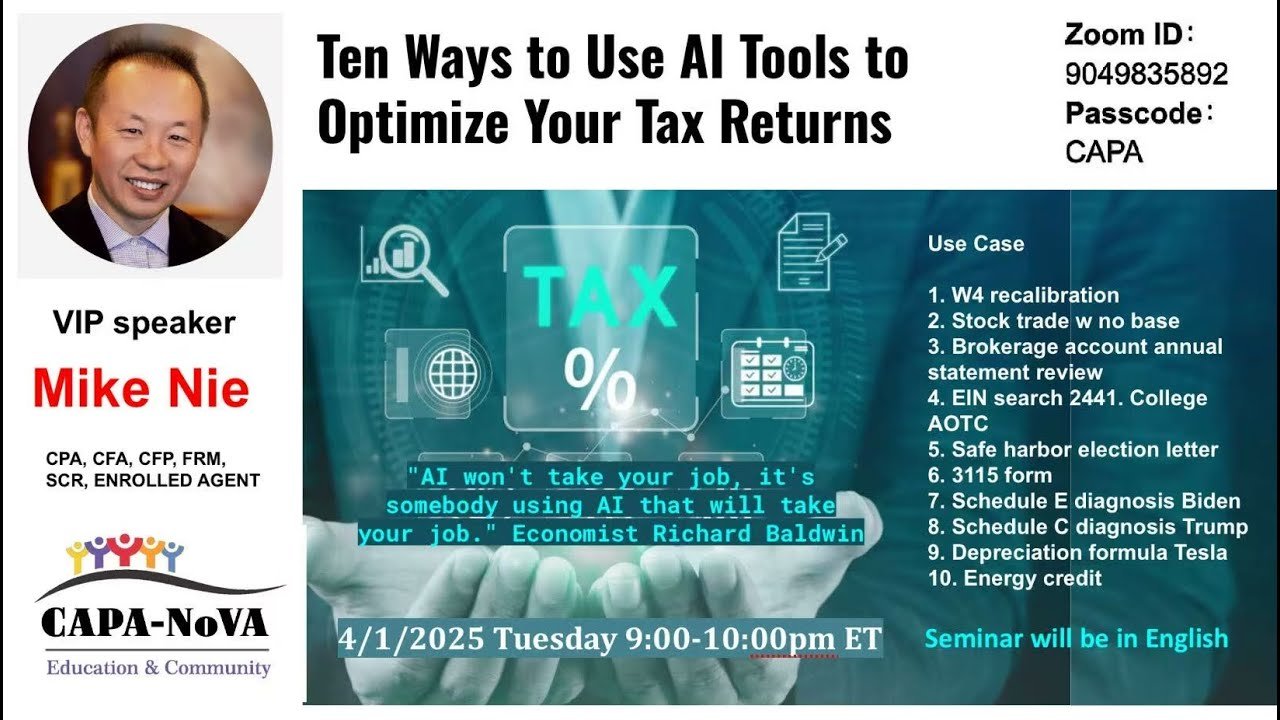
Artificial Intelligence is transforming tax filing in America. Beyond convenience, AI can uncover hidden deductions that most taxpayers miss—ranging from medical expenses to education credits. By scanning transactions, categorizing expenses, and cross-checking IRS rules, AI-powered tools help individuals and businesses save more money, reduce audit risk, and maximize refunds. This in-depth guide explains how AI detects deductions, real-life success stories, and practical ways to use AI safely.
Why Do So Many Americans Miss Out on Deductions?
Every year, taxpayers leave billions of dollars unclaimed simply because they don’t know which expenses qualify as deductions. The IRS has reported that nearly 20% of Americans fail to claim at least one eligible deduction or credit annually.
This happens not because people don’t want to save money, but because the U.S. tax code is overwhelming. With over 70,000 pages of legislation and constant yearly changes, keeping track of deductions is nearly impossible for the average taxpayer.
For example, did you know that:
- Mileage driven to a doctor’s appointment can qualify as a deductible expense?
- Work-from-home employees can deduct a percentage of their rent, internet, and electricity?
- Charitable contributions don’t just mean cash—donating old furniture or clothing may also qualify?
These are small examples of opportunities people miss. And that’s where AI-powered tax solutions come in.
Can AI Really Detect Hidden Tax Deductions?
Yes—AI is designed to uncover patterns and deductions that humans often overlook. Unlike traditional tax preparation software, which follows rigid step-by-step questionnaires, AI-driven tax platforms analyze your actual spending data, bank records, and receipts to identify deduction opportunities.
Here’s how it works:
- Data-Driven Insights: AI scans your bank and credit card transactions to detect eligible expenses.
- Cross-Referencing IRS Code: It matches spending categories with IRS deduction rules in real time.
- Adaptive Learning: The system learns from millions of previous tax filings to catch uncommon deductions.
Real-Life Example
Take Sarah, a freelance graphic designer based in Texas. She filed her taxes using a standard online tool and was expecting a refund of $1,200. Curious, she tried an AI-powered tax app that synced with her bank account. The AI discovered she had $3,800 in uncategorized deductible business expenses (such as Adobe Creative Cloud subscriptions and a portion of her internet bill). Her refund jumped by nearly $900—money she would have missed without AI.
How Does AI Identify Deductions Differently Than Humans?
Traditional filing relies heavily on what you tell the software or your accountant. If you forget to mention something, it’s left out.
AI, on the other hand:
- Scans transactions automatically from linked accounts.
- Categorizes spending into IRS-approved categories.
- Identifies unusual patterns that may qualify for niche deductions.
- Cross-checks accuracy to avoid over-claiming.
In short, while a human CPA relies on memory and documentation, AI works as a constant watchdog that doesn’t forget or overlook.
The 10 Biggest Categories of Hidden Deductions AI Can Detect
AI platforms frequently catch deductions taxpayers fail to consider. The most common include:
- Medical & Dental Expenses – Out-of-pocket prescriptions, eyeglasses, dental visits, and even mileage for healthcare appointments.
- Home Office Expenses – A percentage of rent, electricity, internet, and office supplies if you work from home.
- Charitable Donations – Not just cash but also donated goods, clothes, furniture, or mileage to charity events.
- Education Costs – Student loan interest, tuition, books, and fees qualifying for the Lifetime Learning Credit.
- Childcare & Dependent Care – Daycare, after-school programs, and summer camps may qualify.
- Moving Costs for Work – Certain job-related relocation expenses are deductible.
- Investment Losses – Losses in stocks or crypto can offset gains.
- Retirement Contributions – Missed IRA or 401(k) deductions.
- Job Search Expenses – Resume services, travel for interviews, and even networking costs.
- State-Specific Credits – For example, solar energy credits in California or housing deductions in New York.
Case Study
An Intuit (2024) study found that tax returns filed with AI-enhanced platforms detected 16% more deductions compared to filings prepared manually by taxpayers.
What AI Tools Are Best for Detecting Tax Deductions?
The market is expanding quickly. Some of the most effective AI-driven tax tools include:
- TurboTax AI Assistant – Learns from life events like buying a house or having a child to suggest deductions.
- H&R Block AI Tax Pro Go – Uses predictive models to recommend credits and deductions.
- Keeper Tax – Designed for freelancers and gig workers, scanning receipts and bank data.
- QuickBooks & Xero (AI Accounting Software) – Automates deduction tracking year-round for businesses.
Does AI Reduce Audit Risk While Maximizing Deductions?
Yes—and this is one of AI’s biggest advantages. Many fear that claiming too many deductions will raise red flags with the IRS. But AI doesn’t just find deductions; it also:
- Verifies eligibility by cross-checking IRS rules.
- Prevents over-claiming with accuracy checks.
- Flags anomalies (such as a large home office claim compared to income level).
Real-Life Scenario
John, a rideshare driver in California, almost claimed 100% of his car expenses as deductible. The AI tool flagged the issue, calculating that 65% of his usage was business-related. This adjustment saved him from a potential audit while still allowing him to deduct more than $2,200 in car expenses.
FAQs: The Top Questions Americans Ask About AI & Tax Deductions
1. Can AI Replace Human CPAs?
Not completely. While AI excels at scanning documents and suggesting deductions, CPAs provide valuable judgment in complex cases like estate planning, international income, or multi-state taxation.
2. Is AI Tax Filing Secure?
Yes, most major AI tax platforms use bank-level 256-bit encryption and comply with IRS standards. Always use well-known providers.
3. How Much Money Can AI Save Me?
On average, AI-enhanced tax filings result in 5–20% higher refunds than traditional methods, depending on complexity.
4. Can AI Handle Small Business Taxes?
Absolutely. Gig workers, freelancers, and LLCs benefit the most since AI categorizes business expenses often missed in manual filing.
5. What Risks Exist if I Rely Only on AI?
AI can misclassify rare deductions or fail to understand nuanced situations. Always review AI-generated returns before submitting.
6. Can AI Detect State-Specific Deductions?
Yes. Many tools now adapt to state laws, automatically applying credits for things like renewable energy, housing, or childcare.
7. Does AI Work Year-Round or Only at Filing Time?
Apps like Keeper Tax run year-round, automatically tracking receipts and categorizing expenses.
8. How Do I Start Using AI for Taxes?
Start by linking your financial accounts to a reputable AI platform. The more data you provide (receipts, invoices, statements), the better the results.
9. Is AI Useful for High-Income Earners?
Yes. Wealthier taxpayers with multiple assets, investments, and properties often benefit most because AI detects deductions across diverse income sources.
10. Will AI Filing Increase My Audit Risk?
No. In fact, AI reduces audit risk by keeping deductions aligned with IRS guidelines and flagging potential issues before submission.
Practical Tips: How to Maximize AI’s Tax Benefits
- Keep Digital Records Year-Round – Upload receipts as you go.
- Categorize Expenses Promptly – Don’t wait until April.
- Combine AI with a CPA Review – Especially for complex returns.
- Update Software Regularly – Tax laws change every year.
- Review Before Filing – AI is powerful, but not perfect.
The Future of AI in U.S. Tax Filing
By 2030, experts predict that over 70% of U.S. tax returns will be AI-assisted (Statista, 2024). AI won’t just detect deductions but will move toward real-time tax planning. Imagine getting a notification from your tax app in July:
“Save this receipt—your child’s summer camp fees may qualify for a childcare credit.”
This level of proactive, automated financial guidance is the future.
Key Takeaways
- AI uncovers hidden deductions most taxpayers miss.
- Real examples show AI boosting refunds by hundreds or even thousands.
- AI reduces audit risks by verifying compliance with IRS rules.
- Combining AI + CPA input gives the best outcome.
- Early adopters of AI tax tools are already saving more money.