


Summary
Strategic tax planning can significantly increase the value of retirement savings. Understanding how different retirement accounts are taxed—before contributions, during growth, and at withdrawal—allows Americans to minimize lifetime tax burdens. This guide explains practical tax strategies for IRAs, 401(k)s, Roth accounts, and taxable investments, with real-world examples to help retirees and savers optimize income throughout retirement.
Why Taxes Matter More Than Most People Expect in Retirement
When Americans plan for retirement, they often focus on how much money they can accumulate. Yet the tax treatment of retirement accounts can influence long-term outcomes just as much as investment performance.
According to data from the Employee Benefit Research Institute (EBRI) and the Internal Revenue Service, the majority of retirement assets in the United States are held in tax-deferred accounts such as traditional 401(k)s and IRAs. These accounts provide upfront tax advantages, but withdrawals are taxed as ordinary income later.
Without careful planning, retirees may encounter several surprises:
- Higher tax brackets during retirement withdrawals
- Increased Medicare premiums due to taxable income
- Unexpected taxation of Social Security benefits
- Required Minimum Distributions (RMDs) pushing income higher
Effective tax strategy means thinking decades ahead, not just at the moment of retirement.
Understanding the Three Tax Buckets of Retirement Savings
Most financial planners organize retirement assets into three tax categories, often called “tax buckets.” A balanced approach across these buckets can provide flexibility later in life.
1. Tax-Deferred Accounts
These include:
- Traditional 401(k)
- Traditional IRA
- 403(b)
- SEP-IRA
Contributions are usually made before taxes, reducing current taxable income. Investments grow tax-deferred, but withdrawals are taxed as ordinary income.
Example:
A worker contributing $10,000 annually to a traditional 401(k) in the 24% tax bracket saves $2,400 in federal taxes that year. However, withdrawals decades later are taxable.
These accounts are extremely valuable during high-earning years but can create large taxable income streams during retirement.
2. Tax-Free Accounts
The primary example is the Roth account structure:
- Roth IRA
- Roth 401(k)
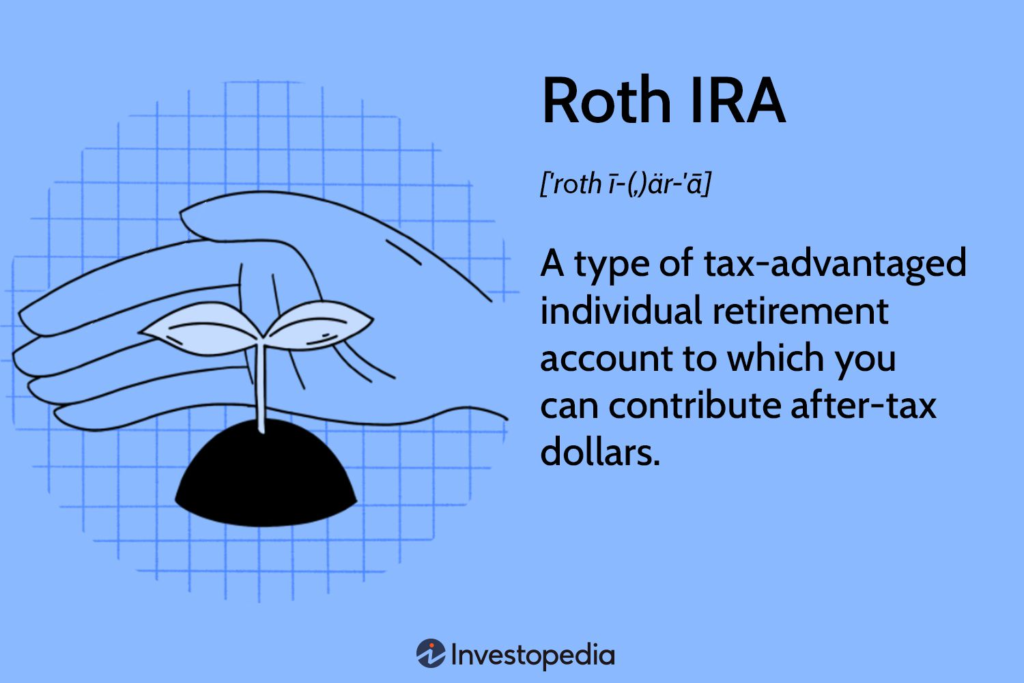
Contributions are made after taxes, but qualified withdrawals—including investment gains—are tax-free.
For younger savers or individuals expecting higher future tax rates, Roth accounts offer powerful advantages.
Example:
A 30-year-old contributing $6,500 annually to a Roth IRA could potentially accumulate hundreds of thousands in gains that may never be taxed.
Another advantage: Roth IRAs do not have Required Minimum Distributions during the owner’s lifetime.
3. Taxable Investment Accounts
These include standard brokerage accounts.
While not technically retirement accounts, they play an important role in tax strategy.
Benefits include:
- Preferential long-term capital gains rates
- Flexibility in withdrawals
- No age restrictions
- No required distributions
Many retirees intentionally maintain taxable accounts to control how much taxable income they generate each year.
The Strategic Value of Tax Diversification
A common mistake among savers is accumulating nearly all retirement savings in tax-deferred accounts.
This can lead to a problem sometimes called “tax concentration risk.”
Imagine a retiree with:
- $2 million in traditional IRA assets
- Little or no Roth savings
At age 73, Required Minimum Distributions begin. Large withdrawals may push the retiree into higher tax brackets—even if spending needs are modest.
A diversified approach spreads savings across:
- Traditional accounts
- Roth accounts
- Taxable accounts
This allows retirees to choose where income comes from each year, helping manage tax brackets more precisely.
The Power of Roth Conversions
One of the most discussed tax strategies in retirement planning is the Roth conversion.
This strategy involves moving funds from a traditional IRA or 401(k) into a Roth account. Taxes are paid at the time of conversion, but future withdrawals become tax-free.
When Roth conversions make sense
Common scenarios include:
- Early retirement years before Social Security begins
- Years with unusually low income
- Temporary tax bracket reductions
- Anticipated higher tax rates in the future
Example:
A retiree leaving the workforce at 60 but delaying Social Security until 70 may have several years of relatively low taxable income. During this period, they could convert portions of their traditional IRA to a Roth while staying within lower tax brackets.
Over time, this strategy can reduce future RMDs and lifetime tax exposure.
Managing Required Minimum Distributions
Required Minimum Distributions begin at age 73 under current federal rules for most retirees.
RMDs force withdrawals from tax-deferred accounts whether the funds are needed or not.
This creates several planning challenges:
- Increased taxable income
- Potential taxation of Social Security benefits
- Higher Medicare Part B and Part D premiums
Several strategies help manage the impact.
Strategies for reducing RMD pressure
- Gradual Roth conversions before age 73
- Strategic withdrawals during early retirement
- Qualified Charitable Distributions (QCDs) after age 70½
- Continued Roth contributions for eligible earners
Qualified Charitable Distributions allow individuals to donate directly from their IRA to a qualified charity, up to $100,000 annually, satisfying RMD requirements while avoiding taxable income.
Coordinating Social Security With Tax Planning
Social Security benefits may become taxable depending on total income levels.
For many retirees, up to 85% of benefits can become taxable once income crosses certain thresholds.
Strategic coordination between withdrawals and Social Security timing can significantly influence taxes.
Example scenario:
A couple delays Social Security until age 70 while drawing moderate income from taxable accounts between 62 and 70. Because capital gains often receive lower tax rates, this strategy may keep taxable income relatively low before benefits begin.
Once Social Security starts, retirees may shift toward Roth withdrawals to avoid pushing taxable income higher.
Withdrawal Sequencing: Which Accounts Should You Use First?
The order in which retirement assets are withdrawn can have lasting tax consequences.
While individual circumstances vary, a commonly discussed approach includes:
- First: Taxable brokerage accounts
- Second: Traditional retirement accounts
- Last: Roth accounts
This sequence allows tax-deferred accounts to continue growing while preserving Roth funds for later years or heirs.
However, this strategy should not be applied blindly. In some cases, partial withdrawals from traditional accounts earlier in retirement can help prevent large RMDs later.
Many planners instead recommend tax-bracket management, withdrawing just enough each year to fill lower tax brackets.
Using Tax-Efficient Investments Inside Retirement Accounts
Tax strategy also involves where investments are placed, not just when money is withdrawn.
Some investments generate frequent taxable income, making them better suited for tax-advantaged accounts.
Examples:
Best held in tax-deferred accounts
- Bond funds
- REITs
- High-yield dividend investments
Often suited for taxable accounts
- Index funds
- ETFs with low turnover
- Long-term equity holdings
This concept, known as asset location, can reduce the annual tax drag on investment returns.
Estate Planning and Retirement Account Taxes
Taxes don’t disappear after death. Beneficiaries must also follow specific rules for inherited retirement accounts.
Under the SECURE Act, most non-spouse beneficiaries must withdraw inherited retirement accounts within 10 years.
This means large traditional IRA balances could create significant tax burdens for heirs.
Some retirees use Roth conversions as an estate planning strategy because:
- Roth withdrawals remain tax-free for beneficiaries
- No RMDs apply during the original owner’s lifetime
- Heirs still follow the 10-year rule but without income taxes
For families with substantial retirement savings, tax planning should consider multi-generational implications.
Common Tax Planning Mistakes With Retirement Accounts
Even experienced savers make avoidable mistakes.
Frequent issues include:
- Waiting until RMD age to begin tax planning
- Ignoring Roth contributions during working years
- Taking large withdrawals in a single year
- Overlooking Medicare premium thresholds
- Failing to coordinate withdrawals with Social Security timing
Retirement tax strategy works best when implemented gradually over many years rather than through last-minute decisions.

Frequently Asked Questions
1. What retirement accounts provide the best tax benefits?
No single account is universally best. Traditional accounts reduce current taxes, while Roth accounts eliminate taxes in retirement. A mix of both often provides the most flexibility.
2. Should I convert my traditional IRA to a Roth?
It depends on expected future tax rates, current income, and retirement timeline. Roth conversions often work well during years with temporarily lower taxable income.
3. Are Roth withdrawals always tax-free?
Yes, as long as the account has been open at least five years and withdrawals occur after age 59½ or under another qualifying condition.
4. How much of Social Security can be taxed?
Up to 85% of benefits may become taxable depending on combined income levels.
5. What age do Required Minimum Distributions start?
For most individuals today, RMDs begin at age 73, though future legislation may change this threshold.
6. Do Roth IRAs have Required Minimum Distributions?
No. Roth IRAs do not require distributions during the owner’s lifetime.
7. What is the advantage of Qualified Charitable Distributions?
QCDs allow retirees to donate directly from an IRA to charity while avoiding taxable income from the withdrawal.
8. Is it better to withdraw from taxable accounts first?
Often yes, but not always. Strategic withdrawals from tax-deferred accounts earlier in retirement can help reduce future RMDs.
9. Can retirement taxes affect Medicare premiums?
Yes. Higher income can trigger Income-Related Monthly Adjustment Amount (IRMAA) surcharges for Medicare Part B and Part D.
10. Should tax planning begin before retirement?
Ideally, tax strategy begins 10–15 years before retirement, when savers have the most flexibility to adjust contributions and account types.
Designing a Retirement Income Plan That Minimizes Taxes
Retirement tax strategy is less about finding a single perfect account and more about coordinating multiple tools over time.
The most effective plans typically include:
- Diversification across tax buckets
- Gradual Roth conversions when appropriate
- Strategic withdrawal sequencing
- Coordination with Social Security timing
- Awareness of RMD and Medicare thresholds
When integrated into a long-term financial plan, these strategies can reduce lifetime taxes while preserving more income for retirement spending.
Key Lessons for Long-Term Retirement Tax Planning
- Tax diversification increases flexibility in retirement income planning
- Roth conversions can reduce future tax burdens when timed carefully
- Early retirement years provide valuable tax-planning opportunities
- Required Minimum Distributions should be managed proactively
- Withdrawal sequencing can influence lifetime tax costs
- Asset location helps reduce ongoing tax drag
- Social Security timing interacts closely with tax planning
- Estate considerations matter for large retirement balances
 Robert Weber