

Summary
Tax-efficient retirement planning focuses on how and when you withdraw income, structure accounts, and manage investment taxes. Financial planners often recommend balancing traditional and Roth accounts, planning withdrawals strategically, minimizing required minimum distribution impacts, and coordinating Social Security with tax brackets. Thoughtful planning can help retirees keep more of their income while maintaining long-term financial stability.
Why Taxes Matter More in Retirement Than Many Expect
Many Americans assume their taxes will drop significantly once they retire. While that can be true for some households, retirement often introduces new tax complexities.
Income may come from multiple sources: Social Security benefits, retirement account withdrawals, pensions, dividends, and capital gains. Each is taxed differently, and the order in which you draw from them can affect how much tax you ultimately pay.
According to the Employee Benefit Research Institute, more than half of retirees rely on tax-deferred retirement accounts such as traditional 401(k)s or IRAs. Withdrawals from these accounts are taxed as ordinary income, meaning large distributions can push retirees into higher tax brackets.
Financial planners consistently emphasize that retirement tax planning is less about avoiding taxes entirely and more about managing when and how taxes are paid. Over a retirement that may last 20 to 30 years, even modest improvements in tax efficiency can make a meaningful difference.

Understanding the Three Main Tax Buckets
A common framework used by financial advisors divides retirement savings into three “tax buckets.” Each type of account has a different tax treatment.
1. Tax-Deferred Accounts
Examples include traditional 401(k)s and traditional IRAs.
Contributions are typically tax-deductible today, but withdrawals are taxed as ordinary income later. These accounts often form the largest portion of retirement savings for many Americans.
One challenge is Required Minimum Distributions (RMDs). Beginning at age 73 under current law, retirees must withdraw minimum amounts each year, which can increase taxable income even if the funds are not needed.
2. Tax-Free Accounts
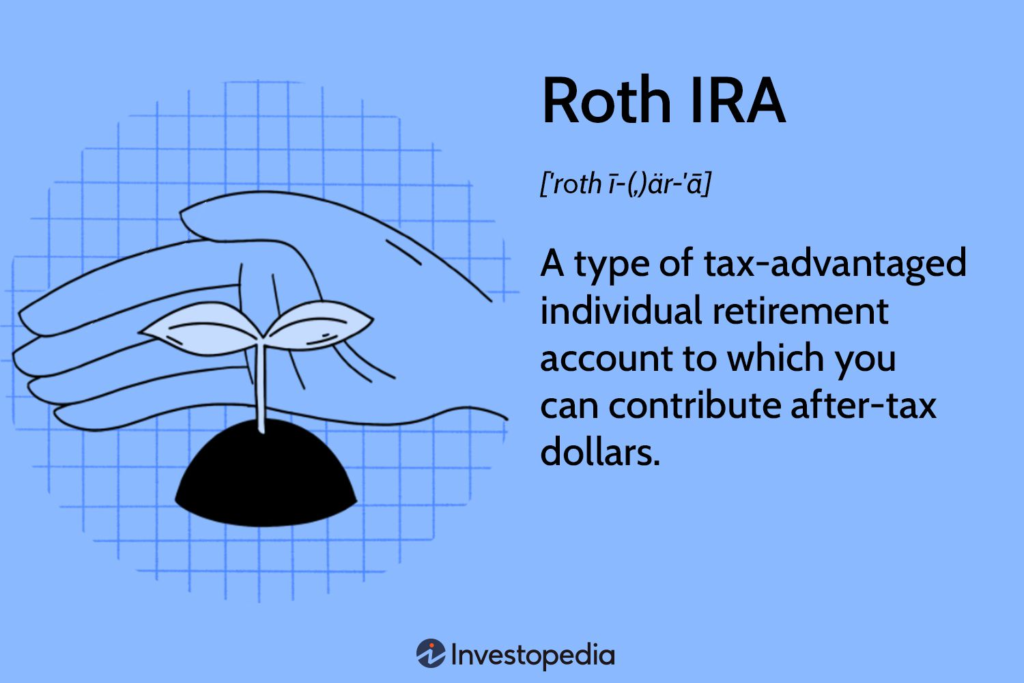
Roth IRAs and Roth 401(k)s fall into this category.
Contributions are made with after-tax dollars, but qualified withdrawals are generally tax-free. These accounts provide valuable flexibility later in retirement because withdrawals do not increase taxable income.
Financial planners often describe Roth accounts as a useful “tax diversification” tool.
3. Taxable Brokerage Accounts
Investments held in regular brokerage accounts are taxed differently depending on how long assets are held.
Long-term capital gains typically receive favorable tax treatment compared with ordinary income. In some cases, retirees with lower income may pay little or no federal tax on long-term gains.
Maintaining assets across these three buckets gives retirees more control over how they structure withdrawals.
Why Withdrawal Order Can Affect Your Taxes
One of the most practical tax strategies involves deciding which accounts to draw from first.
Many retirees automatically withdraw from tax-deferred accounts, but planners often evaluate whether a different approach might lower lifetime taxes.
Some commonly discussed strategies include:
- Using taxable brokerage accounts early in retirement
- Delaying withdrawals from tax-deferred accounts until necessary
- Coordinating Roth withdrawals to avoid moving into a higher tax bracket
- Managing income levels to reduce taxation of Social Security benefits
The best approach depends on personal circumstances, including income needs, health, and expected longevity.
A thoughtful withdrawal strategy can reduce the likelihood of unexpectedly high taxes later in retirement.
The Role of Roth Conversions
Roth conversions are frequently discussed in tax-efficient retirement planning.
A conversion involves transferring money from a traditional IRA to a Roth IRA and paying income taxes on the amount converted. Once inside the Roth account, future qualified withdrawals are tax-free.
Financial planners may suggest considering Roth conversions during years when income is relatively low. Examples include:
- The early years after retirement but before Social Security begins
- Years with temporary income dips
- Periods when tax rates are relatively favorable
However, conversions should be evaluated carefully. Paying conversion taxes too aggressively can push a household into a higher bracket or affect Medicare premiums.
A balanced approach often works best.

Managing Required Minimum Distributions (RMDs)
Required Minimum Distributions are a major tax consideration for retirees with tax-deferred accounts.
Starting at age 73, retirees must withdraw a minimum amount each year from traditional retirement accounts. The withdrawal amount is calculated based on account balance and life expectancy tables.
Large RMDs can have several ripple effects:
- Increasing taxable income
- Raising Medicare Part B premiums
- Causing more Social Security benefits to become taxable
Financial planners often help clients prepare for RMDs years in advance by gradually drawing down tax-deferred accounts or converting portions to Roth accounts earlier in retirement.
This gradual approach can smooth out income and prevent sudden tax spikes later.
Coordinating Social Security With Tax Planning
Social Security benefits can also interact with taxes in ways many retirees do not expect.
Depending on total income, up to 85% of Social Security benefits may be subject to federal income tax.
The IRS calculates this using a measure called “combined income,” which includes:
- Adjusted gross income
- Non-taxable interest
- Half of Social Security benefits
Strategic timing of withdrawals from retirement accounts can help manage this calculation.
For example, withdrawing funds from Roth accounts does not increase combined income, which may reduce the taxation of Social Security benefits.
This is one reason planners often value maintaining a mix of tax-free and taxable retirement assets.
Investment Decisions Also Affect Retirement Taxes
Taxes are not only influenced by withdrawals. Investment decisions can also shape retirement outcomes.
In taxable brokerage accounts, financial planners often emphasize tax-efficient investing.
Some practical approaches include:
- Holding tax-efficient index funds in taxable accounts
- Placing higher-yield investments inside tax-advantaged accounts
- Managing capital gains when rebalancing portfolios
- Using tax-loss harvesting where appropriate
These strategies can help reduce unnecessary tax drag over time.
While taxes should not be the only factor guiding investment choices, thoughtful placement of assets can improve overall efficiency.
Planning for Healthcare and Medicare Taxes
Healthcare costs can also influence retirement tax planning.
One commonly overlooked factor is the Income-Related Monthly Adjustment Amount (IRMAA), which increases Medicare premiums for retirees with higher income.
Income thresholds are based on tax returns from two years prior. For example, income in 2024 affects Medicare premiums in 2026.
Large withdrawals from retirement accounts can unexpectedly trigger these surcharges.
Financial planners often recommend monitoring income levels carefully during retirement to avoid unintentionally crossing IRMAA thresholds.
Even small adjustments to withdrawal timing can sometimes keep income below these limits.
Estate Planning and Tax Efficiency
Tax-efficient retirement planning also intersects with estate planning.
Under current law, many inherited retirement accounts must be distributed within ten years by non-spouse beneficiaries. Large inherited accounts can create substantial tax obligations for heirs.
Strategies sometimes discussed with advisors include:
- Gradually reducing tax-deferred balances during retirement
- Leaving Roth accounts to heirs when appropriate
- Coordinating charitable giving with retirement withdrawals
For example, retirees over age 70½ can make Qualified Charitable Distributions (QCDs) directly from IRAs to charities. These distributions can count toward RMD requirements while excluding the amount from taxable income.
For individuals who regularly donate to charities, this can be a useful strategy.
Common Tax Planning Mistakes Retirees Make
Even financially prepared retirees sometimes overlook key tax considerations.
Some of the most common issues advisors encounter include:
- Waiting until RMD age to start thinking about withdrawals
- Concentrating all retirement savings in tax-deferred accounts
- Ignoring the tax impact of Social Security timing
- Taking large one-time withdrawals without planning
- Forgetting about Medicare premium thresholds
Avoiding these mistakes often requires thinking about taxes as a long-term retirement strategy, not just a yearly filing task.
Many planners encourage retirees to review tax projections annually to adjust plans as needed.
Frequently Asked Questions
What is the most tax-efficient way to withdraw retirement income?
The most efficient strategy often involves balancing withdrawals across taxable, tax-deferred, and Roth accounts. This approach allows retirees to manage their tax bracket each year rather than relying on a single income source.
Are Roth IRAs better than traditional IRAs for retirement?
Each has advantages. Roth IRAs offer tax-free withdrawals, while traditional IRAs provide upfront tax deductions. Many planners recommend holding both types to create tax flexibility later.
When should retirees consider Roth conversions?
Conversions may be most beneficial during lower-income years, such as early retirement before Social Security begins. However, each conversion should be evaluated carefully to avoid pushing income into higher tax brackets.
How can retirees reduce taxes on Social Security benefits?
Maintaining lower combined income can help. Using Roth withdrawals or managing the timing of retirement account withdrawals may reduce the portion of benefits subject to taxation.
Do retirees still pay taxes on investment income?
Yes. Dividends, interest, and capital gains may be taxable depending on the account type and holding period.
What age do Required Minimum Distributions start?
Under current U.S. law, RMDs begin at age 73 for most retirees with traditional retirement accounts.
Can charitable donations reduce retirement taxes?
Yes. Qualified Charitable Distributions allow retirees over age 70½ to donate directly from an IRA, which can reduce taxable income.
Should retirees keep a taxable brokerage account?
Many planners recommend it. Taxable accounts provide flexibility and may offer favorable long-term capital gains tax rates.
How often should retirement tax strategies be reviewed?
Most advisors recommend reviewing tax strategies annually, especially when income sources or tax laws change.
Can tax planning help reduce Medicare premiums?
Potentially. Managing income levels can sometimes prevent crossing Medicare IRMAA thresholds, which increase premiums.
Mapping Out a Tax-Aware Retirement Income Plan
Tax-efficient retirement planning is rarely about a single strategy. Instead, it involves coordinating multiple financial decisions over time.
Financial planners often emphasize flexibility—maintaining different types of accounts, adjusting withdrawal strategies, and reviewing tax projections regularly.
Because retirement can last decades, small improvements in tax efficiency may compound into meaningful financial benefits. The goal is not to eliminate taxes entirely but to manage them thoughtfully while supporting a stable retirement income.
Key Points to Remember
- Diversifying across tax-deferred, tax-free, and taxable accounts increases flexibility
- Withdrawal order can influence long-term tax outcomes
- Roth conversions may help manage future tax exposure
- Social Security benefits interact with taxable income
- Required Minimum Distributions can increase taxes later in retirement
- Investment placement can improve tax efficiency
- Medicare premiums can rise if income exceeds certain thresholds
- Estate planning decisions also affect retirement taxes
 Robert Weber