

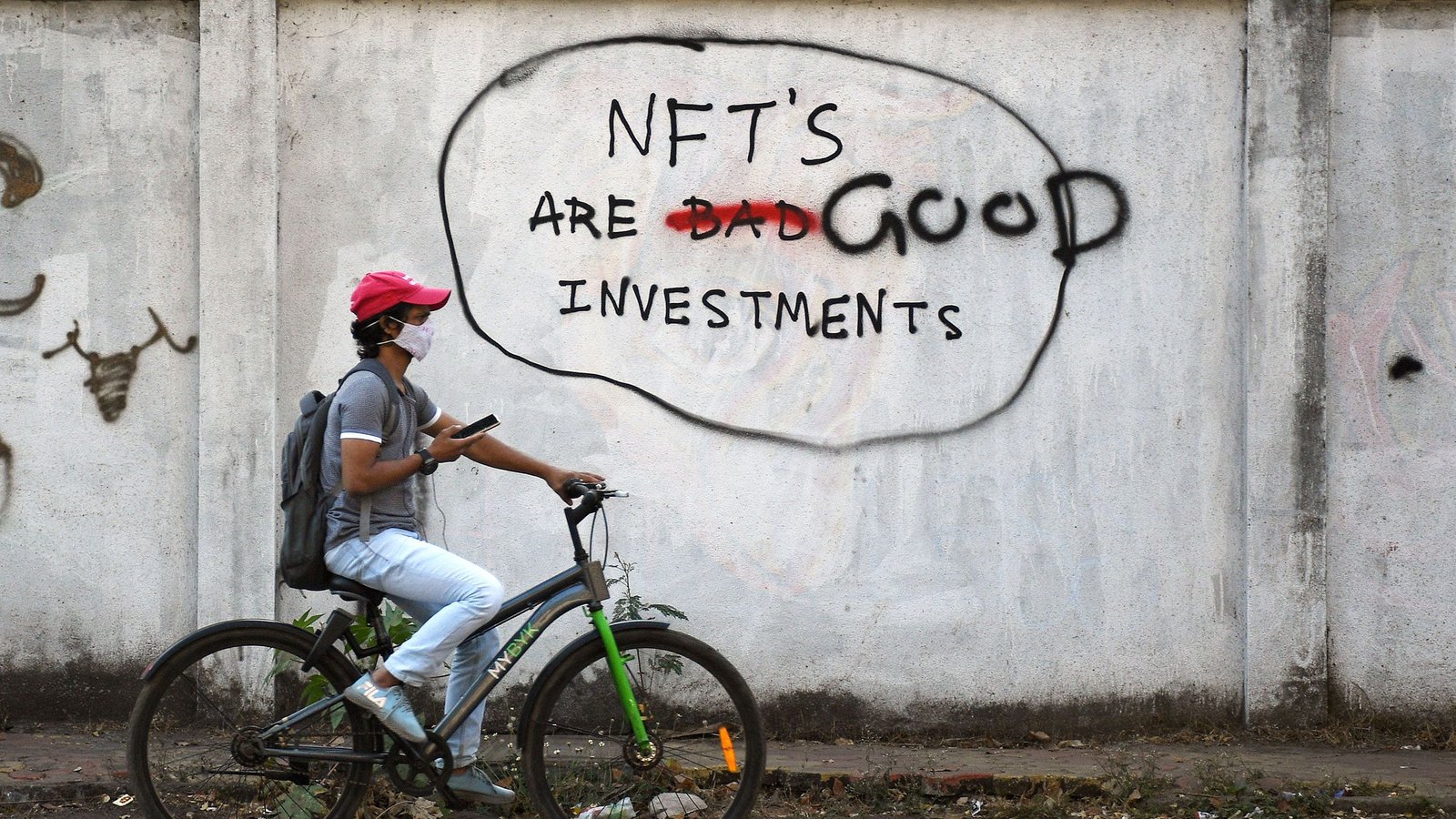
NFTs aren’t dead — they’re evolving. In 2025, the NFT market has cooled from its hype but is pivoting toward gaming, utility, real-world assets, and community value. Discover the latest data, real-life examples, expert insights, FAQs, and practical advice on how NFTs are entering their next phase.
Are NFTs Dead or Entering Their Next Evolution?
Are NFTs dead? That’s the question everyone seems to be asking in 2025. For many, the explosive rise of NFTs during 2021 and 2022 followed by a sharp crash in trading volumes looks like a bubble burst. Countless projects vanished, celebrities abandoned their NFT endorsements, and headlines declared the market “over.”
But here’s the truth: NFTs aren’t dead — they’re evolving. What has collapsed is the speculative hype bubble, where projects without substance rode the wave of investor FOMO. What remains is a foundation of real utility, sustainable use cases, and communities that are slowly rebuilding the space.
In this article, we’ll go deep into the numbers, the narratives, the risks, the opportunities, and the most common questions people are asking. Expect data, real-world examples, long answers to FAQs, and practical advice. By the end, you’ll understand exactly why NFTs may be entering their next — and perhaps more meaningful — evolution.
1. What the Latest Data Tells Us About NFTs in 2025
To answer whether NFTs are truly dead, we need to look at real numbers rather than headlines.
- The global NFT market revenue peaked at US$1.58 billion in 2022. Since then, revenues stabilized around US$600–700 million annually during 2024–2025. That’s a steep drop, but it signals consolidation rather than total collapse.
- NFT trading volumes fell dramatically. For instance, Q2 2025 trading was US$823 million, down from US$4 billion in Q2 2024. This suggests speculative money has left, but core activity remains.
- In the first half of 2025, NFT sales totaled US$2.82 billion, a slight 4.6% dip from the previous half year. Yet the number of transactions grew by 78% in Q2, which means more buyers are making smaller purchases.
- Buyer and seller counts dropped significantly since mid-2025: buyers are down ~58%, sellers down ~43%. Average prices of NFTs declined from $104 in August to $72 in September.
- On the positive side, 85+ million NFTs were minted in H1 2025, showing continued interest from creators. Institutional adoption grew (~15% of annual revenue), while gaming NFTs now represent 38% of transaction volume.
Key takeaway: NFTs aren’t dead — they’ve simply matured into a smaller, more cautious, utility-driven marketplace. The days of million-dollar JPEGs might be gone, but new use cases are gaining traction.
2. From Hype to Utility: The New Phase of NFTs
The first NFT boom was powered by speculation. Projects launched with vague promises, celebrities drove hype, and people paid outrageous prices for digital art with little long-term value. That phase is largely over.
The next phase emphasizes utility, integration, and sustainability.
Utility Shift
- Proof of ownership: NFTs are now used as immutable certificates of authenticity.
- Access rights: Some NFTs grant entry to events, clubs, or digital communities.
- Digital identity: Credential NFTs represent professional certifications or memberships.
- Gaming assets: In-game avatars, skins, and virtual land remain one of the strongest use cases.
Integration With Other Industries
- Fashion: Brands like Nike and Gucci have launched “phygital” products — items paired with NFTs for proof of authenticity.
- Sports: Ticketing systems experiment with NFTs to reduce fraud and enhance fan experiences.
- Real-world assets: Tokenization of real estate, luxury watches, and even vehicles is in early stages.
Takeaway: While NFT speculation has cooled, its functional applications are growing stronger and more widespread.
3. Key Indicators: What’s Thriving, What’s Fading
Thriving Areas
- Gaming and metaverse NFTs: Projects like The Sandbox, Decentraland, and Axie Infinity still see strong user engagement. Gaming NFTs make up nearly 40% of transactions.
- Secondary markets: More modest, frequent resales dominate over mega-drops.
- Institutional use cases: Tokenized assets, loyalty NFTs, and membership passes are drawing serious business interest.
- Phygital products: Combining physical goods with digital authenticity is attracting luxury and fashion industries.
Declining Areas
- Speculative art drops: JPEGs with no utility, no roadmap, no community have collapsed in value.
- Celebrity cash-grab projects: Once high-profile drops have become ghost towns.
- Hype-driven floor price chasing: Flipping based purely on floor price momentum no longer works.
4. Real-Life Examples of NFT Evolution
Real-world stories help us see where NFTs succeed or fail.
- Pudgy Penguins: Once ridiculed, this project bounced back with strong community, new leadership, and physical toy tie-ins. In 2025, it’s one of the few collections showing resilience.
- Australian Open NFTs: Tennis ball art NFTs once sold for high prices but have dropped over 90% in value. A lack of sustained support made fans abandon them.
- OpenSea’s OS2 Launch: The platform revamped its interface, reduced fees, and added cross-chain support. OpenSea remains a leading marketplace by adapting.
- Gaming Adoption: From ImmutableX to Axie Infinity, gaming projects lead NFT volume. Instead of art hype, NFTs tied to ongoing gameplay show longevity.
Lesson: Projects with community, ongoing engagement, or real-world utility survive. Those based purely on hype collapse.
5. Misconceptions and Risks in NFTs
Many people misunderstand what NFTs are — and what risks they carry.
Common Misconceptions
- Buying an NFT doesn’t necessarily give you copyright to the art — it’s usually just ownership of the token.
- NFTs aren’t guaranteed to hold or increase in value.
Risks to Watch
- Off-chain fragility: Many NFTs reference images stored on servers. If those servers go offline, your NFT becomes useless.
- Wash trading: Inflated transaction numbers can make projects look popular when they’re not.
- Market volatility: Prices can crash within days, wiping out investments.
- Regulatory uncertainty: Laws around securities, IP rights, and taxation are still developing.
6. How to Approach NFTs in 2025 (Practical Advice)
NFTs can still be valuable, but only with the right approach:
- Seek utility: Don’t buy just because it looks trendy. Ask what perks or functions the NFT provides.
- Evaluate community: Strong, engaged communities are the lifeblood of NFTs.
- Do due diligence: Research the project, team, roadmap, and smart contracts.
- Diversify: Don’t sink money into one NFT — spread risk across different use cases.
- Stay updated: Regulations and taxes can affect your investment.
- Choose reputable marketplaces: Stick to platforms with transparency and lower risk of scams.
7. FAQs: What People Are Asking About NFTs in 2025
Here are long-form answers to trending questions.
Q1. Are NFTs still a good investment?
NFTs can still be a good investment — but selectively. The days of quick flips for huge profit are mostly over. Now, the best opportunities lie in gaming NFTs, phygital products, real-world asset tokenization, and NFTs that provide real community benefits. Investors should treat NFTs more like venture bets than guaranteed profits.
Q2. Why are NFT prices falling?
Because the market was oversaturated. Too many projects launched with no real purpose, leading to buyer fatigue. With reduced hype, only NFTs with genuine demand and functionality still maintain value.
Q3. Do people still buy NFTs?
Yes, but behavior has shifted. Instead of a handful of million-dollar sales, today’s market has many more smaller transactions. Buyers are more careful, seeking sustainable value over hype.
Q4. What marketplaces are trustworthy now?
Platforms like OpenSea, Blur, and gaming-specific marketplaces dominate. Users prefer marketplaces that offer transparency, verified creators, lower fees, and strong community support.
Q5. Will NFTs rebound?
Not in the same form as 2021–22. Instead, NFTs are reinventing themselves as tools for digital ownership, ticketing, gaming, and beyond. The rebound is in utility-driven sectors, not speculative art.
Q6. What legal issues surround NFTs?
IP ownership, securities classification, consumer protection, and taxation. Buyers should be cautious: owning an NFT doesn’t guarantee IP rights. Sellers need to disclose terms clearly.
Q7. Are NFTs bad for the environment?
Older proof-of-work blockchains consumed huge energy. Today, most NFTs use proof-of-stake blockchains, which are far more energy efficient. The environmental impact has decreased significantly.
Q8. How can artists succeed with NFTs?
Artists should focus on building communities, offering real perks, being transparent about rights, and using reputable marketplaces. Collaborations with brands or creating utility (such as event access) help stand out.
Q9. Do NFTs have real-world use cases?
Yes. Ticketing, digital identity, real-world asset tokenization, and brand loyalty programs are all emerging real-world applications. This shift may define the next decade of NFTs.
Q10. Will NFTs replace traditional art?
No. NFTs won’t replace traditional art, but they complement it. Some galleries now issue NFT certificates of authenticity or fractionalized ownership of paintings. NFTs extend, rather than replace, traditional markets.
Conclusion: NFTs Are Far From Dead
NFTs have undeniably cooled since their speculative peak. But “dead” is the wrong word. The hype era may be buried, yet NFTs are alive in a new form — one rooted in function, creativity, and integration into real-world systems.
 Julia
Julia