

Summary
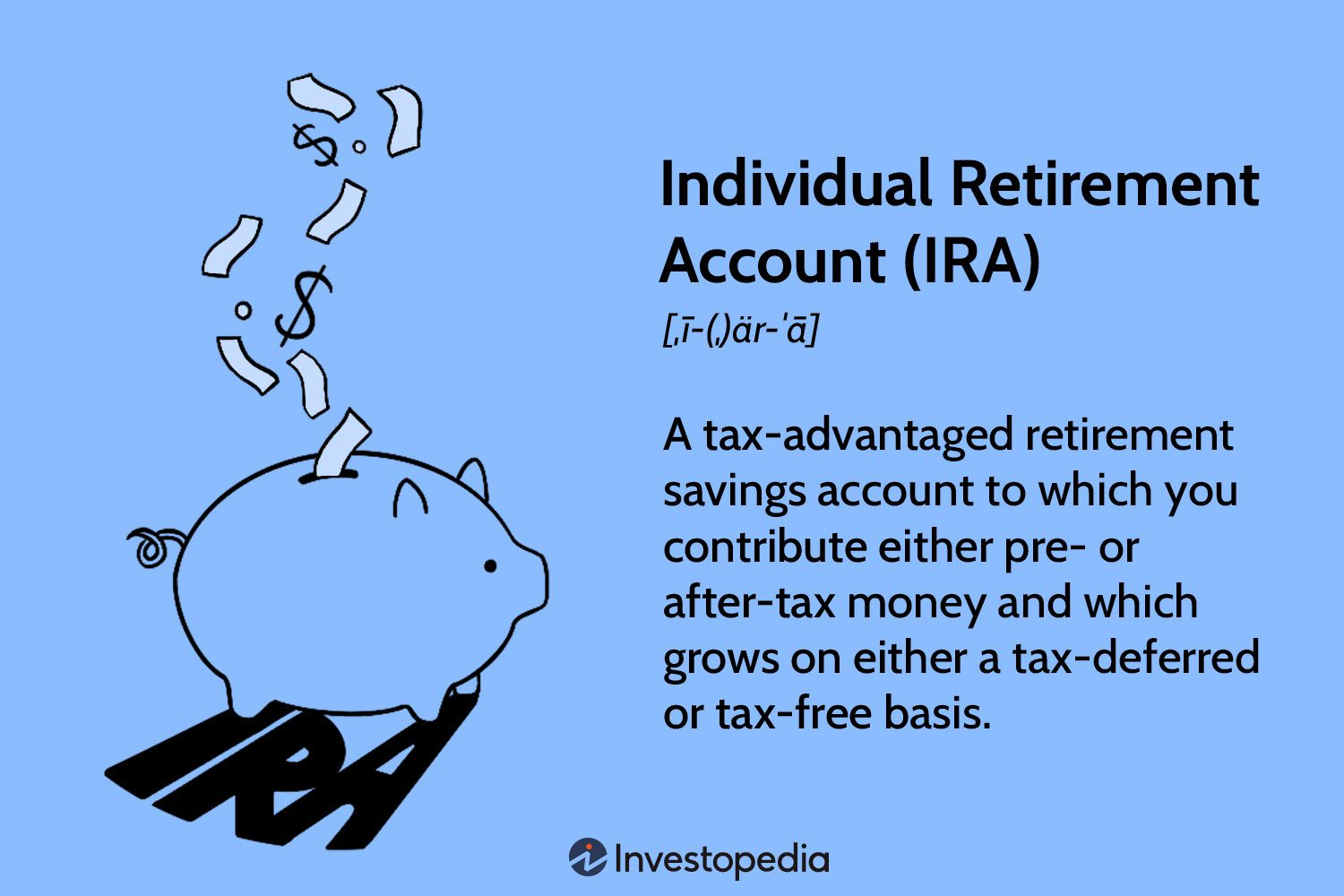
Tax-efficient investing helps investors legally reduce the taxes owed on investment returns, allowing more money to remain invested and compound over time. By strategically choosing account types, asset placement, tax-loss harvesting, and withdrawal timing, investors can significantly improve long-term outcomes. Understanding these strategies can make a meaningful difference in retirement readiness and overall portfolio growth.
Why Tax Efficiency Matters More Than Many Investors Realize
Taxes are one of the largest hidden costs in investing. While investors often focus on fees or market performance, the tax treatment of investments can quietly erode long-term returns.
According to research from Morningstar, taxes can reduce investment returns by 1%–2% annually for taxable investors. Over decades, that difference compounds dramatically.
For example, imagine two investors each earning a 7% annual return. One loses 1.5% per year to taxes due to inefficient strategies, while the other implements tax-efficient planning. Over 30 years, the tax-efficient investor could accumulate tens or even hundreds of thousands more dollars depending on portfolio size.
Tax-efficient investing isn’t about avoiding taxes entirely. It’s about minimizing unnecessary tax exposure so that more of your money stays invested and continues compounding.
In practical terms, this involves understanding:
- How different investment accounts are taxed
- Which assets belong in which accounts
- When to realize gains or losses
- How withdrawals are structured in retirement
Small decisions made today can significantly affect the taxes you pay years from now.
Understanding the Three Main Tax Buckets
Most US investors hold assets across three major account types. Each has different tax rules, which is why strategic planning matters.
1. Taxable Brokerage Accounts
Taxable accounts include traditional brokerage accounts, joint accounts, and trust accounts.
These accounts generate taxes in several ways:
- Dividends may be taxed annually
- Capital gains are taxed when assets are sold
- Interest income is taxed as ordinary income
However, these accounts also provide flexibility.
Long-term capital gains are typically taxed at 0%, 15%, or 20%, depending on income levels, which is often lower than ordinary income tax rates.
Taxable accounts are also the only place where tax-loss harvesting is possible.
2. Tax-Deferred Accounts
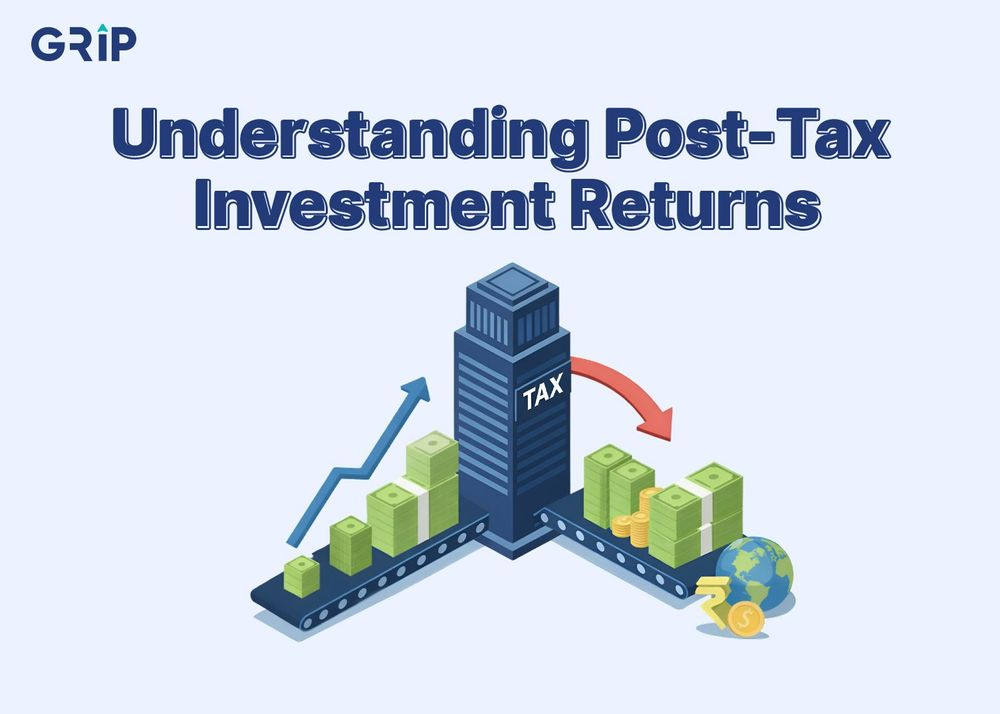
Tax-deferred accounts postpone taxes until money is withdrawn.
Examples include:
- 401(k) plans
- Traditional IRAs
- 403(b) accounts
Contributions may reduce current taxable income, and investments grow without annual taxes.
However, withdrawals in retirement are generally taxed as ordinary income, regardless of whether the growth came from dividends, interest, or capital gains.
Required Minimum Distributions (RMDs) begin at age 73 under current IRS rules.
3. Tax-Free Accounts
Tax-free accounts include:
- Roth IRAs
- Roth 401(k)s
- Health Savings Accounts (HSAs) used for qualified medical expenses
These accounts offer powerful advantages:
- Contributions may already be taxed
- Investments grow tax-free
- Qualified withdrawals are tax-free
Because of this, Roth accounts are often considered the most valuable long-term tax shelter.
Strategic Asset Location: Where Investments Should Live
One of the most overlooked tax strategies is asset location.
Asset location refers to placing investments in the most tax-efficient accounts rather than simply choosing investments themselves.
Certain asset types generate more taxable income than others.
For example:
Best suited for tax-deferred accounts
- Bonds and bond funds
- REITs
- Actively managed funds with high turnover
- High-yield income funds
These assets often produce income taxed at ordinary income rates.
Placing them in a tax-deferred account shields that income from yearly taxation.
Best suited for taxable accounts
- Broad stock index funds
- ETFs with low turnover
- Individual stocks held long-term
- Tax-efficient mutual funds
These investments typically generate fewer taxable events.
Many ETFs, in particular, are known for extremely low capital-gain distributions.
Best suited for Roth accounts
Roth accounts are ideal for investments with the highest expected growth, such as:
- Small-cap equity funds
- Emerging market funds
- Aggressive growth portfolios
Since withdrawals are tax-free, placing high-growth assets here maximizes the benefit.

Tax-Loss Harvesting: Turning Losses Into Tax Savings
Tax-loss harvesting is a widely used strategy among professional investors and robo-advisors.
The concept is simple: realize investment losses intentionally to offset gains.
For example:
If an investor sells one fund for a $5,000 gain, they may owe capital-gains taxes. But if another investment has a $5,000 unrealized loss, selling it can cancel out the gain.
The IRS allows investors to:
- Offset capital gains entirely
- Deduct up to $3,000 per year against ordinary income
- Carry forward unused losses indefinitely
A practical example:
An investor sells a technology ETF at a loss during a market downturn. They immediately purchase a similar but not identical ETF to maintain market exposure.
This preserves the investment strategy while capturing the tax benefit.
However, investors must avoid the wash-sale rule, which prohibits repurchasing the same or substantially identical security within 30 days.
Favoring Long-Term Capital Gains
One of the simplest tax-efficient habits is holding investments long enough to qualify for long-term capital gains treatment.
In the US:
- Short-term gains (held less than one year) are taxed at ordinary income rates
- Long-term gains (held more than one year) receive lower tax rates
For many investors, the difference can be significant.
Example:
A high-income investor might pay:
- 37% on short-term gains
- 20% on long-term gains
Patience alone can cut tax costs nearly in half.
This is one reason why low-turnover strategies and long-term investing tend to be more tax-efficient.
Tax-Efficient Fund Selection
Not all mutual funds are created equal from a tax perspective.
Actively managed funds may generate frequent trades, which trigger taxable distributions even if the investor didn’t sell shares.
By contrast, many ETFs use a structure that allows them to avoid distributing capital gains.
Key tax-efficient investment features include:
- Low portfolio turnover
- Qualified dividend exposure
- ETF structures that limit capital gains distributions
- Broad market index funds
Examples of tax-efficient fund categories often include:
- Total market index funds
- S&P 500 ETFs
- International index ETFs
These vehicles typically produce minimal annual taxable distributions.
Strategic Withdrawals in Retirement
Tax-efficient investing doesn’t end when retirement begins. In fact, withdrawal strategy becomes even more important.
Retirees often have assets across multiple tax buckets.
The order in which withdrawals occur can significantly affect lifetime taxes.
A common approach includes:
- Withdraw from taxable accounts first
- Then draw from tax-deferred accounts
- Preserve Roth accounts for last
This strategy may allow:
- More years of tax-free growth
- Lower required minimum distributions later
- Better control of taxable income levels
However, strategies vary depending on income needs, Social Security timing, and tax brackets.
Financial planners often run multi-decade tax projections to optimize withdrawal order.
The Role of Tax Bracket Planning
A powerful but lesser-known strategy is intentional tax bracket management.
This involves recognizing opportunities to realize income when tax rates are temporarily lower.
Examples include:
- Roth conversions during low-income years
- Realizing long-term gains while in the 0% capital-gains bracket
- Filling lower tax brackets before RMDs begin
For instance, early retirees between ages 60–72 may have years where income is relatively low.
During that window, converting traditional IRA funds into a Roth IRA at lower tax rates may reduce future tax burdens.
This strategy requires careful planning but can produce meaningful long-term tax savings.
Common Mistakes That Reduce Tax Efficiency
Even experienced investors sometimes overlook tax considerations.
Some frequent mistakes include:
- Placing bond funds in taxable accounts
- Frequent trading in taxable brokerage accounts
- Ignoring tax-loss harvesting opportunities
- Overlooking the tax impact of mutual fund distributions
- Failing to plan withdrawals strategically
Often these issues arise simply because tax planning is treated as a year-end exercise instead of a year-round strategy.
Investors who incorporate tax awareness into every portfolio decision tend to see better long-term outcomes.

Frequently Asked Questions
What is tax-efficient investing?
Tax-efficient investing refers to strategies that minimize taxes on investment returns through smart account selection, asset placement, and timing of gains and withdrawals.
How much difference can tax efficiency make?
Research from Morningstar suggests taxes may reduce annual investment returns by 1–2%, which can significantly affect long-term wealth accumulation.
Are ETFs more tax-efficient than mutual funds?
Many ETFs are more tax-efficient because of their unique structure that reduces capital-gain distributions compared to actively managed mutual funds.
What is tax-loss harvesting?
Tax-loss harvesting involves selling investments at a loss to offset capital gains and potentially reduce taxable income.
Do Roth accounts eliminate taxes completely?
Qualified withdrawals from Roth accounts are tax-free, making them one of the most powerful tax-advantaged investment vehicles available.
What is the wash-sale rule?
The wash-sale rule prevents investors from claiming a tax loss if they repurchase the same or substantially identical investment within 30 days.
Should bonds be held in taxable accounts?
Bonds are usually better suited for tax-deferred accounts because their interest income is taxed at ordinary income rates.
When do required minimum distributions start?
RMDs currently begin at age 73 for most retirement accounts under IRS rules.
Can retirees manage taxes through withdrawal order?
Yes. Strategic withdrawal sequencing across taxable, tax-deferred, and Roth accounts can reduce lifetime tax liability.
Is tax-efficient investing only for wealthy investors?
No. Even modest portfolios benefit from tax-efficient strategies because taxes compound over time just like investment returns.
A Smarter Perspective on Long-Term Portfolio Growth
Tax-efficient investing doesn’t rely on complex loopholes or aggressive tactics. Instead, it focuses on aligning investment decisions with how the US tax system actually works.
By choosing the right accounts, placing assets strategically, harvesting losses when appropriate, and planning withdrawals carefully, investors can significantly improve their after-tax outcomes.
Perhaps the most important insight is this: investment performance alone does not determine financial success. What ultimately matters is how much of those returns investors keep after taxes.
Thoughtful tax planning ensures that more of each dollar earned remains invested for the future.
Key Insights Worth Remembering
- Taxes can reduce investment returns by 1–2% annually
- Asset location is often as important as asset allocation
- Roth accounts provide powerful tax-free growth potential
- Long-term capital gains receive favorable tax treatment
- Tax-loss harvesting can offset gains and reduce taxable income
- ETFs often produce fewer taxable distributions than mutual funds
- Withdrawal strategy in retirement affects lifetime taxes
- Managing tax brackets can unlock additional savings
 Robert Weber