


Summary
Financial advisors consistently emphasize that successful tax planning is not about last-minute deductions—it’s about adopting a proactive mindset throughout the year. By understanding how income, investments, retirement accounts, and life decisions affect taxes, Americans can make more informed financial choices. This article explains the strategic thinking advisors encourage and practical ways households can approach taxes with greater clarity and long-term perspective.
Why Advisors Focus on Mindset Instead of Just Deductions
Many Americans think about taxes only during filing season. Yet experienced financial advisors often approach taxes very differently. For them, taxes are not simply a yearly administrative task—they are a long-term planning factor that affects nearly every financial decision.
The reason is simple: taxes influence how much money households ultimately keep. Investment returns, retirement withdrawals, real estate transactions, and even the timing of income can all shape the final tax outcome.
According to the IRS Statistics of Income division, federal income tax revenue consistently exceeds $2 trillion annually, meaning even modest improvements in tax efficiency can have meaningful long-term financial impact for households.
Instead of focusing solely on deductions, advisors often encourage clients to think about taxes as part of overall financial strategy. That mindset includes:
- Looking at taxes over multiple years rather than a single filing season
- Understanding how financial decisions interact with tax rules
- Planning income timing and withdrawals carefully
- Coordinating tax planning with retirement and investment strategies
When this mindset becomes part of routine financial planning, taxes often become more predictable and manageable.

The Core Principles Behind the Tax Planning Mindset
Financial professionals tend to rely on several core ideas when helping clients approach taxes strategically.
1. Think Across Multiple Years
Many tax decisions have consequences that extend beyond a single year. Advisors often model tax outcomes over several years to determine the best approach.
For example, someone nearing retirement might spread income or withdrawals across several years to avoid entering a higher tax bracket all at once.
This approach is sometimes referred to as multi-year tax planning, and it can help households avoid unexpected tax spikes.
2. Coordinate Taxes With Financial Goals
Taxes rarely exist in isolation. Instead, they intersect with many financial decisions:
- Retirement planning
- Investment management
- Estate planning
- Business income strategies
When advisors discuss taxes, they typically connect them to broader goals such as retirement income stability or long-term wealth preservation.
3. Focus on Tax Efficiency, Not Just Tax Reduction
A common misconception is that tax planning is about eliminating taxes entirely. In reality, most advisors talk about tax efficiency.
Tax efficiency means structuring financial decisions in ways that minimize unnecessary taxes while staying compliant with tax law.
For example, choosing the right account type for investments—taxable accounts versus retirement accounts—can affect how income is taxed later.
4. Plan Before Major Financial Decisions
Taxes often become most significant when large financial events occur, such as:
- Selling investments
- Selling property
- Receiving bonuses or stock compensation
- Starting a business
- Retiring
Advisors frequently encourage clients to discuss tax implications before making these decisions rather than after the fact.
How Advisors Approach Year-Round Tax Awareness
One of the clearest differences between professional tax planning and typical household behavior is timing.
Many Americans think about taxes only between January and April. Advisors, however, tend to review tax considerations throughout the year.
A Year-Round Tax Awareness Framework
Financial advisors often suggest reviewing taxes during several points in the year:
- Early year (January–March) – Estimate income and potential tax liability
- Mid-year (June–July) – Evaluate income changes, investment gains, or losses
- Fall planning (September–November) – Adjust contributions, deductions, or strategies before year-end
- Pre-filing review (January–April) – Confirm documentation and finalize filings
This process helps reduce surprises when tax season arrives.
The Role of Retirement Accounts in Strategic Tax Planning
Retirement accounts are among the most important tools in tax planning because they influence when and how income is taxed.
Many advisors spend significant time helping clients understand how different account types affect taxes.
Common retirement account structures include:
- Traditional retirement accounts (e.g., traditional IRAs and 401(k)s)
Contributions may be tax-deductible, but withdrawals are taxed as income. - Roth accounts
Contributions are made with after-tax dollars, but qualified withdrawals are generally tax-free. - Taxable brokerage accounts
Investment income and capital gains are taxed in the year they occur.
A thoughtful mix of these account types can give retirees more flexibility when deciding how to withdraw funds.
For instance, a retiree with both traditional and Roth accounts may be able to manage taxable income more precisely during retirement.
How Investment Decisions Affect Taxes
Investment strategies can significantly influence tax outcomes. Financial advisors frequently discuss tax-efficient investing with clients.
Taxes on investments generally fall into two categories:
- Ordinary income taxes (for interest or certain dividends)
- Capital gains taxes (when investments are sold for a profit)
Holding investments longer can sometimes lead to lower tax rates under U.S. long-term capital gains rules.
Advisors may also discuss strategies such as:
- Harvesting investment losses to offset gains
- Holding investments long enough to qualify for long-term capital gains rates
- Locating tax-efficient investments in taxable accounts
These approaches focus on managing taxes without disrupting overall investment goals.
Real-World Example: A Mid-Career Professional
Consider a hypothetical example.
A 45-year-old professional earning $150,000 annually contributes regularly to a 401(k) and invests additional savings in a brokerage account.
Without tax planning, the individual might:
- Sell investments without considering tax consequences
- Delay retirement contributions until the end of the year
- Ignore opportunities to balance taxable and tax-advantaged accounts
With a tax planning mindset encouraged by advisors, the same individual might:
- Maximize retirement contributions early in the year
- Review investment gains and losses before year-end
- Diversify between Roth and traditional retirement accounts
- Coordinate tax decisions with long-term retirement plans
Over time, these decisions can lead to more predictable taxes and potentially improved financial outcomes.
Common Habits Advisors Encourage
Financial professionals often emphasize consistent habits that support better tax awareness.
Some of the most frequently recommended habits include:
- Reviewing income projections annually
- Keeping organized financial records
- Monitoring capital gains and losses
- Understanding how tax brackets apply to income changes
- Planning charitable giving with tax considerations in mind
- Consulting professionals before large financial transactions
These habits help individuals move from reactive tax filing to intentional financial planning.
How Technology Is Changing Tax Planning
Digital tools have made tax planning more accessible for households.
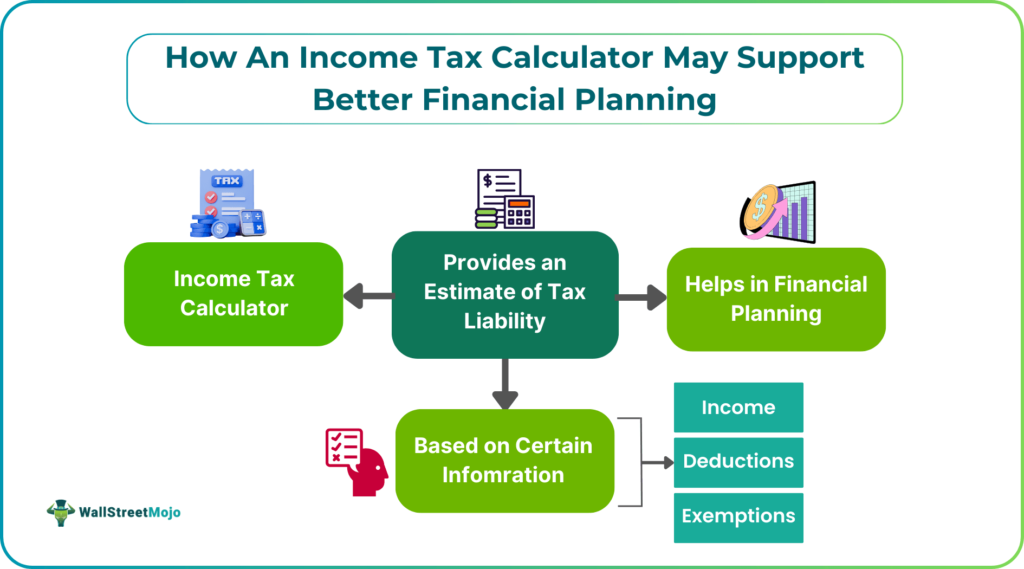
Modern financial planning software allows advisors to model tax scenarios across multiple years. Individuals can also use financial apps and tax calculators to estimate outcomes before making financial decisions.
Technology does not replace professional advice, but it can make tax information easier to understand and visualize.
For example, software may help illustrate how retirement withdrawals or investment sales could affect taxes over time.
When Professional Guidance May Be Helpful
Some tax situations become complex enough that professional guidance may be beneficial.
Advisors or tax professionals are often consulted when individuals experience major life or financial changes such as:
- Starting or selling a business
- Receiving stock compensation
- Managing multiple investment accounts
- Planning retirement income
- Handling estate or inheritance matters
Professionals can help interpret tax rules and evaluate strategies in ways that align with personal financial goals.

Frequently Asked Questions
What is a tax planning mindset?
A tax planning mindset means considering tax consequences before making financial decisions and evaluating strategies across multiple years rather than focusing only on filing season.
Why do financial advisors emphasize year-round tax planning?
Taxes can be influenced by income timing, investments, and financial decisions throughout the year. Planning ahead often helps households avoid unexpected tax outcomes.
Is tax planning only for high-income earners?
No. While higher incomes may involve more complex tax situations, many tax planning principles apply to households across income levels.
What is tax efficiency?
Tax efficiency refers to structuring financial decisions in ways that minimize unnecessary taxes while remaining fully compliant with tax law.
How do retirement accounts affect taxes?
Traditional retirement accounts typically defer taxes until withdrawal, while Roth accounts allow qualified withdrawals to be tax-free.
Can investment decisions increase taxes?
Yes. Selling investments, receiving dividends, and earning interest can all create taxable income depending on the account type.
How often should tax strategies be reviewed?
Many advisors recommend reviewing tax considerations at least annually and before major financial decisions.
Do tax laws change frequently?
Tax laws can change periodically through legislation or policy adjustments, which is why staying informed is important.
What role do tax brackets play in planning?
Tax brackets determine how income is taxed. Planning income and withdrawals carefully can help households manage which brackets they fall into.
Should tax planning be coordinated with retirement planning?
Yes. Retirement income strategies often depend heavily on how withdrawals are taxed.
Building Long-Term Financial Awareness Through Tax Strategy
Developing a tax planning mindset is less about mastering complex regulations and more about understanding how everyday financial decisions interact with tax rules.
Financial advisors encourage households to treat taxes as a strategic element of financial planning rather than a once-a-year obligation. When individuals review income, investments, and retirement strategies with tax implications in mind, they often gain greater clarity about long-term financial outcomes.
This mindset does not require constant monitoring or complicated strategies. Instead, it involves thoughtful awareness and periodic planning throughout the year.
Over time, that approach can help individuals navigate financial decisions with greater confidence and predictability.
Key Insights at a Glance
- Tax planning is most effective when viewed across multiple years
- Advisors often emphasize tax efficiency rather than tax elimination
- Retirement account types play a major role in tax strategy
- Investment decisions can significantly influence tax outcomes
- Year-round awareness helps prevent surprises during filing season
- Coordinating taxes with financial goals improves long-term planning
- Major financial events should be evaluated for tax implications
- Organized financial records make tax planning easier
A Smarter Way to Think About Taxes Over Time
Adopting a strategic tax mindset does not require specialized expertise. Instead, it involves developing awareness about how taxes intersect with income, investments, and life decisions.
Financial advisors often encourage individuals to view taxes as part of long-term planning rather than a once-a-year obligation. When households understand the broader context of tax decisions, they can approach financial choices with greater clarity and confidence.
Over time, consistent awareness and thoughtful planning can help individuals manage taxes more effectively while staying aligned with their financial goals.
Essential Ideas to Remember
- Taxes influence many financial decisions beyond filing season
- Advisors encourage proactive planning instead of reactive filing
- Multi-year planning can help manage tax brackets and income timing
- Retirement accounts play a key role in tax efficiency
- Investment strategies can affect capital gains taxes
- Organized records make tax planning easier
- Major financial events should include tax considerations
- Professional advice can help navigate complex tax situations
 Robert Weber