

Summary
Before submitting a tax return, many Americans overlook simple questions that can meaningfully affect their tax outcome. Reviewing income sources, deductions, credits, filing status, and retirement contributions can help ensure accuracy and potentially reduce tax liability. This guide walks through the practical questions taxpayers should ask before filing and explains how thoughtful preparation can prevent mistakes and improve financial planning.
Why Asking the Right Questions Before Filing Matters
Filing taxes is often treated as a once-a-year task. Many people gather their forms, enter numbers into software, and submit their return without stepping back to evaluate whether the information truly reflects their financial situation.
However, tax professionals consistently emphasize that the most important tax planning happens before filing, not during it.
According to the Internal Revenue Service (IRS), millions of taxpayers amend their returns each year because of missed deductions, incorrect filing status, or overlooked income. These errors are often preventable with a short pre-filing review.
Taking time to ask the right questions can help:
- Reduce the risk of filing mistakes
- Identify overlooked deductions or credits
- Ensure accurate reporting of income
- Align tax decisions with long-term financial planning
- Avoid future IRS notices or amended returns
The goal is not aggressive tax avoidance. Instead, it is accurate, informed filing that reflects the full picture of your finances.
Question 1: Did My Income Change in Ways That Affect My Taxes?
Income changes are one of the most common reasons tax outcomes differ from expectations.
Many taxpayers focus only on their W-2 wages, but income can come from many sources that affect filing.
Examples include:
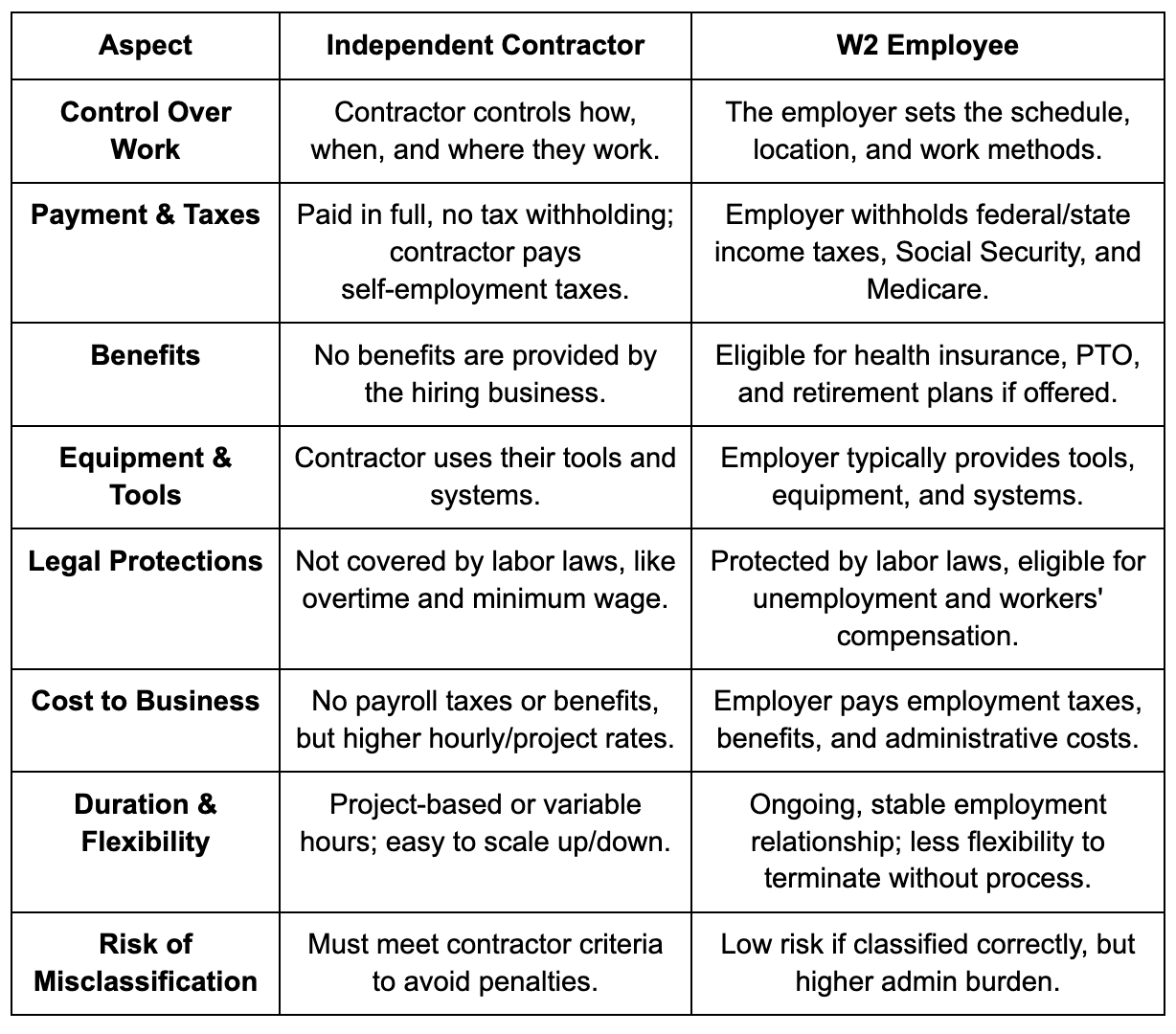
- Freelance or gig work reported on 1099-NEC or 1099-K
- Investment income such as dividends or capital gains
- Rental property earnings
- Side business income
- Unemployment benefits
- Retirement withdrawals
A person who started freelance work mid-year, for example, may owe self-employment tax in addition to income tax.
Similarly, selling investments may create capital gains taxes depending on the holding period and total income.
Before filing, it helps to review all income streams carefully and confirm that every applicable document has been included.
Question 2: Is My Filing Status Still the Right One?
Filing status significantly affects tax rates, deductions, and eligibility for credits.
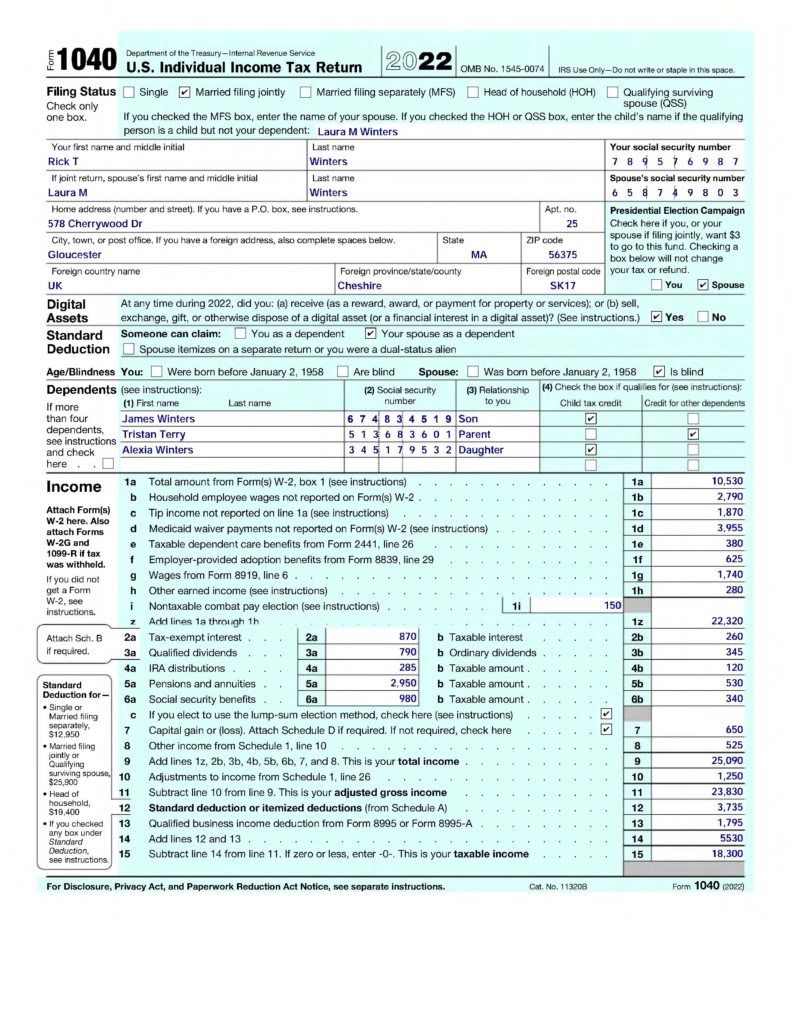
The five main IRS filing statuses are:
- Single
- Married Filing Jointly
- Married Filing Separately
- Head of Household
- Qualifying Surviving Spouse
Life events during the year can change which status is appropriate.
Examples include:
- Marriage
- Divorce
- A spouse passing away
- Supporting a dependent parent
- Becoming the primary caregiver for a child
For example, a single parent who qualifies for Head of Household may benefit from a larger standard deduction and more favorable tax brackets compared with filing as single.
Before filing, it is worth verifying that your status reflects your current household situation, not simply last year’s return.
Question 3: Am I Taking the Right Deduction—Standard or Itemized?
Since the Tax Cuts and Jobs Act of 2017, most Americans take the standard deduction rather than itemizing.
For the 2024 tax year (filed in 2025), the standard deduction is approximately:
- $14,600 for single filers
- $29,200 for married filing jointly
However, itemizing may still make sense in certain situations.
Common itemized deductions include:
- Mortgage interest
- State and local taxes (SALT), capped at $10,000
- Charitable contributions
- Medical expenses exceeding 7.5% of income
For example, a homeowner with significant mortgage interest and charitable donations might exceed the standard deduction threshold.
Before filing, many taxpayers benefit from running both scenarios to determine which produces the better outcome.
Question 4: Did I Claim Every Credit I’m Eligible For?
Tax credits directly reduce the amount of tax owed, which makes them particularly valuable.
Several credits are frequently missed because taxpayers assume they do not qualify.
Common examples include:
- Child Tax Credit
- Earned Income Tax Credit (EITC)
- American Opportunity Tax Credit for education
- Lifetime Learning Credit
- Child and Dependent Care Credit
- Energy efficiency tax credits
The IRS estimates that millions of eligible households fail to claim the Earned Income Tax Credit each year, often because they assume their income is too high or their situation is too complex.
Reviewing eligibility criteria before filing can make a meaningful difference.

Question 5: Did I Contribute to Retirement Accounts Strategically?
Retirement contributions can influence taxes in multiple ways.
Traditional retirement accounts may provide tax deductions, while Roth accounts offer tax-free withdrawals later.
Examples include:
- Traditional IRA contributions
- 401(k) salary deferrals
- SEP-IRA for self-employed workers
- Solo 401(k) plans
Many taxpayers do not realize that IRA contributions can often be made up until the tax filing deadline.
This means a contribution made in April could still reduce the previous year’s taxable income.
For example:
A self-employed consultant who contributes $6,500 to a traditional IRA before filing may reduce their taxable income by that same amount.
Question 6: Did I Experience Life Events That Change My Taxes?
Major life changes often affect taxes in ways people don’t expect.
Some of the most common tax-impacting events include:
- Buying or selling a home
- Having a child
- Adoption
- Paying college tuition
- Starting a business
- Moving for work
- Receiving an inheritance
Each of these events can introduce new deductions, credits, or reporting requirements.
For example, homeowners may qualify for deductions on mortgage interest and property taxes, while new parents may become eligible for child-related credits.
Failing to review these changes can result in missed opportunities.
Question 7: Are My Investment Taxes Properly Managed?
Investment income is another area where many taxpayers make mistakes.
Common issues include:
- Forgetting to report dividend income
- Misunderstanding short-term vs. long-term capital gains
- Not accounting for reinvested dividends
- Missing tax-loss harvesting opportunities
For example, selling a stock held for less than one year typically triggers short-term capital gains taxed at ordinary income rates.
Holding the same investment for more than a year may qualify for lower long-term capital gains rates.
Reviewing brokerage statements carefully helps ensure accurate reporting.
Question 8: Did I Review Withholding and Estimated Payments?
Many people only think about taxes when they file, but withholding decisions made during the year influence the final result.
Questions to ask include:
- Did my employer withhold enough tax?
- Did I make estimated payments if self-employed?
- Did income increase unexpectedly?
If withholding was too low, a taxpayer may face a large balance due.
Conversely, large refunds may indicate over-withholding, which effectively means giving the government an interest-free loan.
Adjusting withholding early in the next year can improve cash flow.
Question 9: Am I Keeping Adequate Records?
Good record-keeping is essential for accurate filing and future audits.
Important documents to retain include:
- W-2 and 1099 forms
- Investment statements
- Receipts for deductible expenses
- Mortgage interest statements
- Charitable donation receipts
The IRS generally recommends keeping tax records for at least three years, although longer retention may be advisable for certain assets or investments.
Digital storage and organized folders can make future filings easier.
Question 10: Should I Consult a Tax Professional?
While tax software has simplified filing for many households, certain situations benefit from professional review.
Examples include:
- Self-employment income
- Multiple income sources
- Rental property
- Large investment portfolios
- Significant life changes
A tax professional may help identify deductions, plan future strategies, or ensure compliance with evolving tax regulations.
For complex financial situations, the cost of professional advice may be outweighed by improved accuracy and planning.

Frequently Asked Questions
What is the most common mistake people make when filing taxes?
The most common mistakes include choosing the wrong filing status, forgetting income sources, and missing tax credits. Many errors occur because taxpayers rush through the process without reviewing their financial changes from the year.
Should I wait until the last minute to file?
Filing earlier can reduce stress, help prevent identity theft fraud, and allow time to correct mistakes before the deadline.
Is a large tax refund a good thing?
Not necessarily. A large refund often means too much tax was withheld during the year. While refunds can feel positive, adjusting withholding may improve monthly cash flow.
How long should I keep tax documents?
The IRS generally recommends keeping records for at least three years, though certain financial documents may warrant longer retention.
Do I need to report side hustle income?
Yes. Income from freelance work, gig platforms, or side businesses is typically taxable and must be reported.
What happens if I forget to include income?
You may need to file an amended return using Form 1040-X. The IRS may also send a notice if income reported by third parties was omitted.
Can retirement contributions still reduce taxes after the year ends?
Yes. Contributions to traditional IRAs may be made up until the tax filing deadline for the previous tax year.
Should married couples always file jointly?
Not always. In rare situations, filing separately may produce a better outcome, particularly if one spouse has high medical deductions or specific liabilities.
Do tax software programs find all deductions?
Tax software helps identify common deductions but may not fully account for complex financial situations.
When should someone consider hiring a tax professional?
When dealing with business income, real estate investments, significant investment activity, or complex family circumstances.
A Smarter Way to Approach Tax Season
For many Americans, taxes are simply another annual obligation. Yet a thoughtful review before filing can transform the process from a routine task into an opportunity for better financial awareness.
The questions outlined above encourage taxpayers to examine income, deductions, credits, and life events more carefully. While not every household will uncover major savings, nearly everyone benefits from improved accuracy and financial clarity.
Over time, this mindset can lead to stronger financial decisions—not just during tax season, but throughout the year.
Key Points to Remember Before Filing
- Review all income sources, not just W-2 wages
- Confirm your filing status reflects current circumstances
- Compare standard vs. itemized deductions
- Check eligibility for tax credits
- Consider retirement contributions before the deadline
- Review investment income and capital gains
- Evaluate withholding and estimated payments
- Keep organized financial records
- Seek professional guidance for complex situations
 Robert Weber