

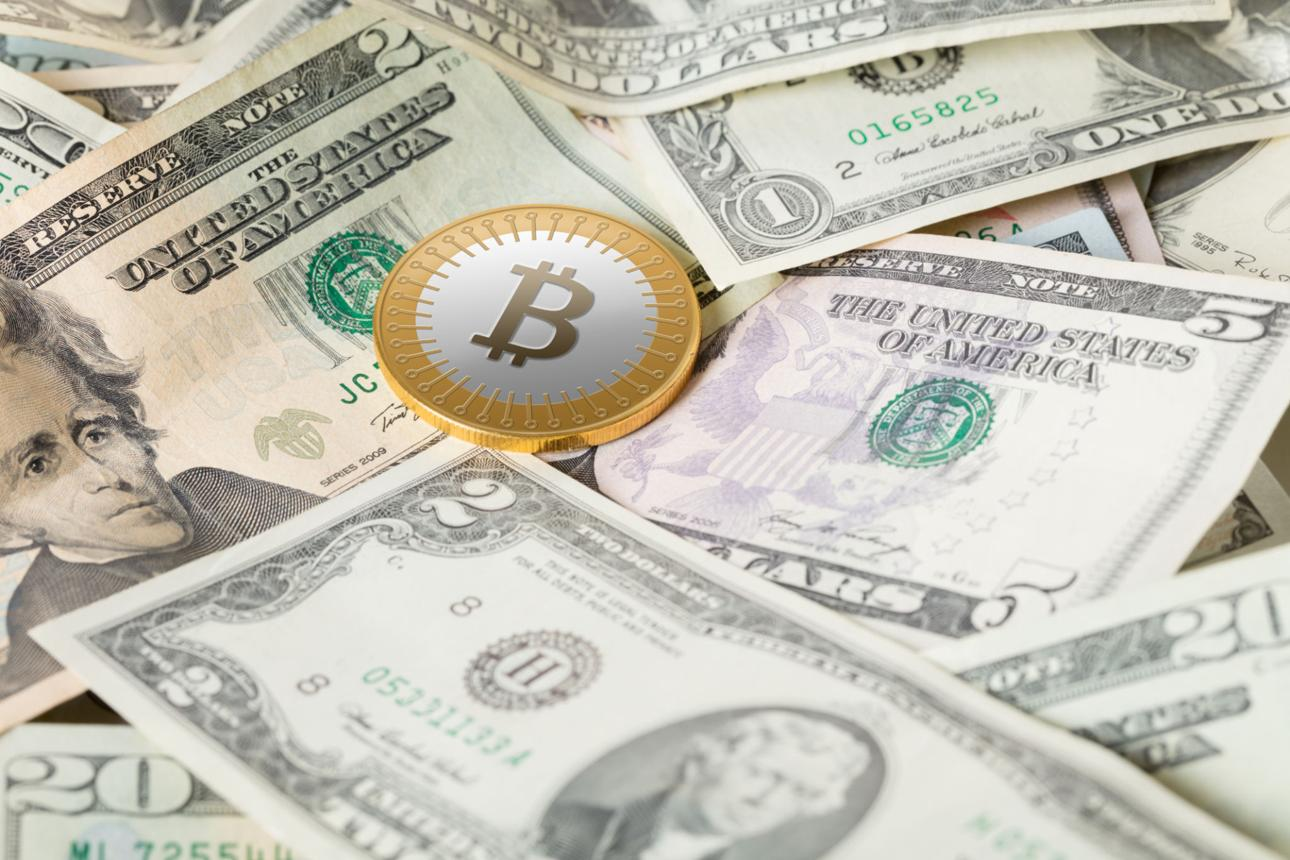
Digital assets are reshaping how Americans store value, invest, and transact online. From cryptocurrencies to tokenized real estate and digital ownership rights, these assets rely on blockchain and related technologies. This guide explains what digital assets are, how they function, their risks and benefits, and why they’re increasingly relevant to U.S. investors, businesses, and regulators.
What Are Digital Assets?
Digital assets are assets that exist in a digital format and carry value, ownership rights, or access privileges. Unlike traditional assets such as stocks or real estate, digital assets are typically recorded, transferred, and verified electronically—often using blockchain technology.
At a basic level, digital assets include:
- Cryptocurrencies like Bitcoin and Ethereum
- Stablecoins pegged to fiat currencies like the U.S. dollar
- Non-fungible tokens (NFTs) representing ownership of unique items
- Tokenized versions of physical assets such as real estate or commodities
- Digital securities issued and traded on blockchain-based platforms
In the U.S., digital assets are not a niche concept anymore. They are increasingly integrated into financial markets, fintech platforms, and even corporate balance sheets. According to data from the Pew Research Center, roughly 16% of Americans have invested in, traded, or used cryptocurrency as of recent years—indicating growing mainstream awareness.
How Do Digital Assets Work?
At the core of most digital assets is blockchain technology—a distributed ledger that records transactions across a network of computers. Instead of relying on a central authority like a bank, blockchain ensures transparency, immutability, and security through consensus mechanisms.
Here’s how the system functions in practice:
- A transaction is initiated (e.g., sending cryptocurrency)
- The transaction is verified by network participants (nodes or validators)
- It is grouped into a block and added to a chain of previous transactions
- Once recorded, it cannot easily be altered
For example, if you transfer Bitcoin, the transaction is validated across the network rather than processed by a bank. This removes intermediaries but also places more responsibility on the user.
Digital wallets play a key role. These wallets store private keys, which are essentially passwords that grant access to your digital assets. Losing a private key can mean losing access permanently—one of the most critical differences from traditional finance.
Why Are Digital Assets Gaining Attention in the U.S.?
The growing interest in digital assets across the United States is not driven by a single factor. Instead, it reflects a convergence of technological innovation, economic trends, and evolving consumer behavior.
1. Increased Accessibility Through Platforms
User-friendly platforms like Coinbase and Robinhood have made it easier for everyday Americans to buy and sell digital assets. What once required technical expertise can now be done through a mobile app in minutes.
2. Institutional Participation
Major financial institutions, including BlackRock and Fidelity Investments, have begun offering digital asset exposure to clients. This institutional involvement has added credibility and accelerated adoption.
3. Inflation and Alternative Investments
Periods of inflation and market uncertainty have led investors to explore alternatives beyond traditional assets. Some view digital assets—particularly Bitcoin—as a potential hedge, though this remains debated among economists.
4. Innovation in Ownership Models
Tokenization allows assets like real estate or art to be divided into smaller, tradable units. This opens investment opportunities to a broader population and changes how ownership is structured.

Types of Digital Assets Explained
Understanding the different categories of digital assets helps clarify their use cases and risks.
Cryptocurrencies
Cryptocurrencies are decentralized digital currencies that operate on blockchain networks. Bitcoin, the first cryptocurrency, is often referred to as “digital gold,” while Ethereum supports programmable contracts.
Stablecoins
Stablecoins are designed to maintain a stable value by being pegged to assets like the U.S. dollar. They are commonly used for transactions and as a bridge between fiat and crypto markets.
NFTs (Non-Fungible Tokens)
NFTs represent ownership of unique digital or physical items. While often associated with digital art, they are also used for licensing, gaming, and identity verification.
Tokenized Assets
Tokenization converts real-world assets into digital tokens. For example, a commercial property can be divided into tokens, allowing multiple investors to own fractional shares.
Benefits of Digital Assets
Digital assets offer several advantages that explain their growing adoption.
- Efficiency: Transactions can be faster and operate 24/7 without intermediaries
- Transparency: Blockchain records are publicly verifiable
- Accessibility: Lower barriers to entry for investing and participation
- Programmability: Smart contracts automate processes like payments or compliance
In cross-border payments, for instance, digital assets can reduce settlement times from days to minutes—an area where traditional banking systems often lag.

Risks and Considerations
Despite their advantages, digital assets carry meaningful risks that should not be overlooked.
- Volatility: Prices can fluctuate significantly in short periods
- Regulatory Uncertainty: U.S. policies are still evolving
- Security Risks: Hacks, scams, and lost keys can lead to permanent losses
- Limited Consumer Protections: Unlike bank deposits, many digital assets are not insured
The U.S. Securities and Exchange Commission has repeatedly emphasized the importance of understanding these risks before investing.
How Are Digital Assets Regulated in the U.S.?
Regulation in the United States is complex because multiple agencies oversee different aspects of digital assets.
- The U.S. Securities and Exchange Commission focuses on whether certain digital assets qualify as securities
- The Commodity Futures Trading Commission oversees derivatives and certain crypto commodities
- The Internal Revenue Service treats cryptocurrencies as property for tax purposes
This fragmented approach has led to ongoing debates about clearer regulatory frameworks. However, it also reflects the diverse nature of digital assets themselves.
Real-World Use Cases
Digital assets are not just theoretical—they are already being used across industries.
Payments and Remittances
Companies are experimenting with blockchain-based payment systems to reduce costs and improve speed, especially for international transfers.
Finance and Lending
Decentralized finance (DeFi) platforms allow users to lend, borrow, and earn interest without traditional banks.
Supply Chain Tracking
Blockchain can verify product origins, improving transparency in industries like food and pharmaceuticals.
Digital Identity
Secure digital identities built on blockchain can streamline verification processes and reduce fraud.

What Should U.S. Investors Know Before Getting Started?
Before engaging with digital assets, it’s important to approach them with a clear, informed strategy.
- Start with well-known assets and platforms
- Use secure wallets and enable multi-factor authentication
- Understand tax implications, including reporting requirements
- Avoid investing more than you can afford to lose
- Stay informed through credible sources rather than social media hype
For example, a first-time investor might begin by allocating a small percentage of their portfolio to a major cryptocurrency and gradually learning how wallets and exchanges function.
Frequently Asked Questions (FAQs)
1. Are digital assets legal in the U.S.?
Yes, but they are subject to various regulations depending on their classification.
2. How are digital assets taxed?
The IRS treats them as property, meaning capital gains taxes may apply.
3. Are digital assets safe?
They can be secure if managed properly, but risks like hacking and volatility exist.
4. What is the difference between crypto and digital assets?
Cryptocurrency is a subset of digital assets.
5. Do I need a lot of money to invest?
No, many platforms allow fractional investments.
6. Can digital assets replace traditional currency?
Currently unlikely in the near term, but they may complement existing systems.
7. What is a digital wallet?
A tool that stores private keys used to access digital assets.
8. Are NFTs still relevant?
Yes, particularly in areas beyond art, such as licensing and identity.
9. How do I avoid scams?
Use reputable platforms and verify sources before investing.
10. What role do banks play in digital assets?
Many are exploring custody services and blockchain integration.
The Broader Shift Toward Digital Ownership
Digital assets reflect a larger transformation in how ownership, value, and trust are defined in the digital age. For U.S. consumers and investors, they introduce both opportunity and responsibility. Understanding the fundamentals—rather than chasing trends—is essential to navigating this evolving landscape with confidence.
Key Insights at a Glance
- Digital assets include cryptocurrencies, NFTs, and tokenized assets
- Blockchain enables secure, decentralized transactions
- U.S. adoption is growing among both individuals and institutions
- Benefits include efficiency and accessibility, but risks remain significant
- Regulation is evolving across multiple federal agencies
- Practical understanding is more valuable than speculation