

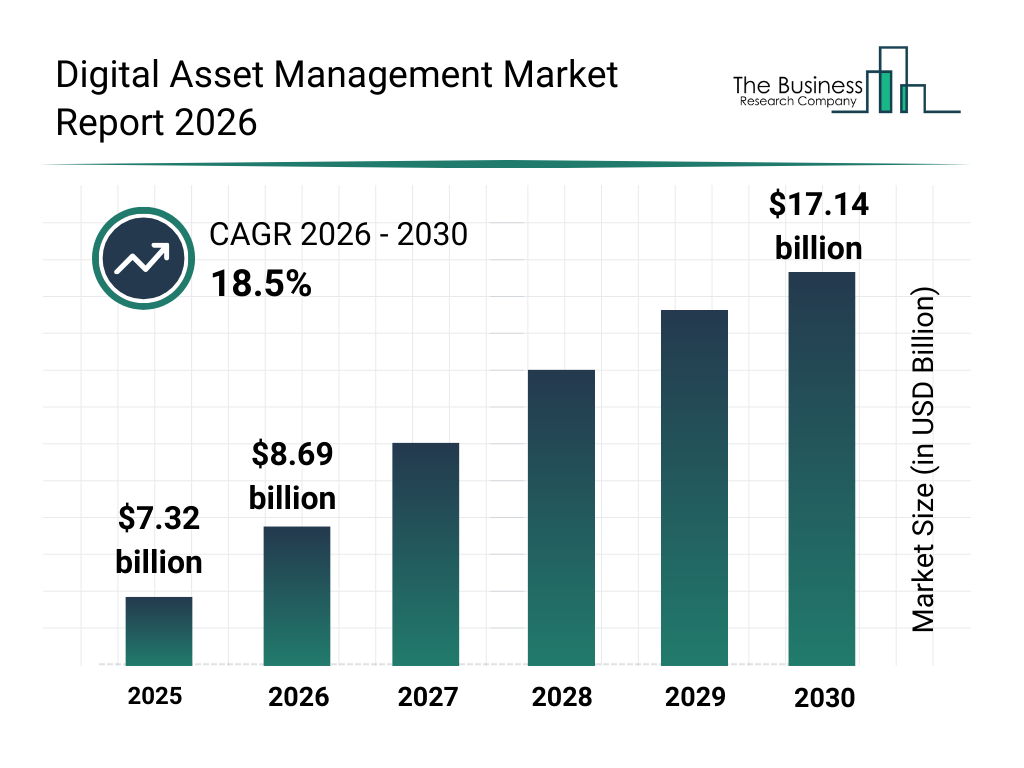
In 2026, U.S. digital asset regulation has moved from uncertainty to structured oversight. New federal laws, coordinated enforcement, clearer tax guidance, and institutional compliance standards are reshaping how cryptocurrencies, stablecoins, tokenized securities, and custodial platforms operate. For investors, businesses, and financial advisors, regulatory clarity is changing risk management, market access, and long-term strategy across the American digital asset ecosystem.
Introduction: From Regulatory Ambiguity to Structured Oversight
For much of the past decade, the U.S. digital asset market operated in a gray zone. Federal agencies asserted authority, states introduced licensing regimes, and courts weighed in on whether certain tokens were securities. By 2026, however, the landscape looks fundamentally different.
Regulation has not eliminated volatility or risk. But it has reduced ambiguity.
Today, digital assets operate within a more coordinated framework involving the Securities and Exchange Commission (SEC), the Commodity Futures Trading Commission (CFTC), the Internal Revenue Service (IRS), federal banking regulators, and state-level authorities. Stablecoin issuers face reserve transparency requirements. Exchanges must meet custody and disclosure standards. Institutional investors operate within clearer compliance guardrails.
The result is a market that looks less like an experiment and more like a maturing asset class.
What Changed Between 2022 and 2026?
1. Clearer Jurisdictional Boundaries
One of the most significant shifts has been clarification around agency oversight. Historically, disputes over whether tokens were securities or commodities created prolonged litigation and compliance uncertainty.
By 2026:
- The U.S. Securities and Exchange Commission has formalized disclosure requirements for digital asset offerings classified as securities.
- The Commodity Futures Trading Commission oversees designated digital commodities markets and derivatives products.
- Congress has advanced legislation defining categories such as “digital commodities” and “payment stablecoins.”
While disagreements remain, firms now design products with clearer regulatory expectations in mind.
2. Stablecoin Oversight Became Mandatory
After the rapid growth of dollar-pegged tokens in the early 2020s, policymakers prioritized systemic risk management.
By 2026, major stablecoin issuers are required to:
- Maintain high-quality liquid reserves
- Publish monthly reserve attestations
- Segregate customer assets
- Comply with anti-money laundering (AML) standards
The Federal Reserve and the Office of the Comptroller of the Currency now supervise certain stablecoin arrangements involving federally chartered institutions.
For businesses using stablecoins for payroll, cross-border payments, or treasury management, these guardrails have reduced counterparty uncertainty.
3. Institutional Custody Standards Tightened
Following high-profile exchange failures earlier in the decade, custody practices became central to reform. The SEC now requires qualified custodians for certain digital asset investment advisers, while banking regulators provide guidance on safeguarding crypto holdings.
This shift has encouraged partnerships between crypto-native firms and established financial institutions.
How Regulation Is Affecting Retail Investors
Americans searching “Is crypto regulated in 2026?” are often asking something more practical: Is it safer now?
The answer is nuanced.
Improved Transparency
Publicly traded crypto platforms must comply with enhanced financial disclosures. Risk statements are more standardized. Advertising scrutiny has increased.
Retail investors now encounter clearer warnings about volatility, liquidity risk, and token classification status.
Tax Reporting Is More Structured
The Internal Revenue Service expanded broker reporting rules, requiring digital asset intermediaries to issue standardized tax forms. This has simplified capital gains reporting for many taxpayers.
For example:
- Crypto-to-crypto trades trigger taxable events.
- Staking rewards are generally treated as income at receipt.
- Loss harvesting remains permissible under current rules, though future wash-sale expansions are debated.
Americans preparing their 2025 tax returns in early 2026 are finding reporting more automated—but also more visible to regulators.
Consumer Protections Have Increased
State regulators, including the New York State Department of Financial Services, continue to enforce licensing regimes for digital asset businesses operating within their jurisdictions.
For users, this translates into:
- Segregated customer funds
- Minimum capital requirements
- Regular audits
- Cybersecurity compliance reviews
While not eliminating fraud, these measures raise operational standards.
Institutional Adoption: Regulation as a Catalyst
Perhaps the most underappreciated outcome of regulatory clarity is its impact on institutional capital.
Pension funds, insurance companies, and asset managers historically cited compliance ambiguity as a barrier. By 2026, defined regulatory pathways have shifted that calculation.
Spot Crypto ETFs and Market Access
The approval and maturation of spot Bitcoin exchange-traded funds marked a turning point. Major asset managers launched regulated products, offering exposure without direct custody risk.
Institutional investors now assess digital assets within structured allocation frameworks, often limiting exposure to 1–5% of diversified portfolios.
Tokenization of Traditional Assets
Tokenized Treasury securities, real estate shares, and private credit instruments are increasingly issued on blockchain infrastructure.
Regulatory guidance has clarified when tokenized assets qualify as securities and how transfer restrictions must operate. This has enabled:
- Faster settlement cycles
- Programmable compliance
- Fractional ownership structures
However, liquidity remains uneven across platforms.
What Are the Ongoing Regulatory Risks?
Despite progress, several open questions persist in 2026.
1. Securities Classification Litigation
Courts continue to address whether specific tokens constitute securities. While some precedents provide guidance, token design features vary significantly.
2. State vs. Federal Coordination
States retain significant authority over money transmission and consumer protection. Businesses operating nationwide must navigate overlapping requirements.
3. International Regulatory Divergence
U.S. firms compete globally. Differences between American frameworks and those in the European Union or Asia influence market structure and capital flows.
Digital Asset Compliance in Practice: A Real-World Example
Consider a mid-sized U.S. fintech firm launching a tokenized payment solution in 2026.
Before product rollout, the company must:
- Conduct securities analysis under SEC frameworks
- Evaluate whether the token qualifies as a commodity
- Register or partner with a licensed money transmitter
- Implement AML and Know Your Customer (KYC) systems
- Establish qualified custody arrangements
- Coordinate tax reporting infrastructure
Compared to 2021, this process is more predictable—but also more resource-intensive.
The compliance budget has become a strategic consideration rather than an afterthought.
Are Digital Assets Now “Safe”?
Safety depends on perspective.
Regulation has reduced structural risks related to custody opacity and reserve misrepresentation. However:
- Price volatility remains high.
- Technological vulnerabilities persist.
- Market cycles still influence liquidity.
For financial advisors, the conversation has shifted from “Is this legal?” to “How does this fit within a client’s risk tolerance?”
Frequently Asked Questions
1. Is cryptocurrency fully regulated in the United States in 2026?
Not fully centralized, but significantly more structured. Multiple federal agencies now have clearer authority, and reporting requirements have expanded.
2. Are stablecoins insured like bank deposits?
Generally no. While reserves are more regulated, stablecoins typically are not insured by the FDIC unless held within certain banking structures.
3. Do I have to report every crypto transaction on my taxes?
Yes. Capital gains and income from staking or rewards are reportable under IRS guidelines.
4. Are crypto exchanges safer now than before?
They are subject to stronger custody and disclosure standards, but risks still exist.
5. What agency regulates Bitcoin?
Bitcoin is generally treated as a commodity, placing aspects of oversight under the CFTC.
6. Can retirement accounts hold digital assets?
Yes, through certain custodians and ETF products, though plan rules vary.
7. Has regulation reduced fraud?
It has increased enforcement capacity and reporting transparency, but scams still occur.
8. Are tokenized securities legal?
Yes, when issued and traded in compliance with securities laws.
9. Will future regulations increase taxes?
Tax rates depend on broader tax policy, but reporting requirements have expanded.
The Regulatory Maturity Phase
Digital assets in 2026 are entering what could be described as a regulatory maturity phase. The market is no longer operating on assumptions. Instead, it is navigating defined rules, published guidance, and enforceable standards.
This shift does not eliminate risk. But it does change incentives.
Entrepreneurs must design products with compliance built in. Investors must evaluate platforms based on transparency and governance. Policymakers continue refining definitions as technology evolves.
The U.S. digital asset market is no longer asking whether regulation is coming. It is adapting to the reality that regulation is here—and evolving.
Key Signals to Watch Going Forward
- Continued coordination between the SEC and CFTC
- Stablecoin reserve audits and public reporting quality
- Growth of tokenized Treasury markets
- Expansion of broker tax reporting frameworks
- Court decisions shaping token classification
 Julia
Julia