


Summary
Proactive tax strategies focus on year-round planning to reduce risk, improve cash flow, and align tax decisions with long-term financial goals. In contrast, last-minute tax planning is reactive and often limited in scope. This article explains how these approaches differ, when each applies, and why proactive planning consistently delivers better financial outcomes for U.S. taxpayers.
Understanding the Two Approaches
For many Americans, taxes are treated as an annual event rather than an ongoing financial consideration. This mindset shapes how people plan—or fail to plan—for taxes. At the center of this difference is the contrast between proactive tax strategies and last-minute planning.
Proactive tax strategy is a year-round process. It involves anticipating tax consequences before financial decisions are finalized and adjusting behavior accordingly. Income timing, investment selection, retirement contributions, and business structure are all considered through a tax-aware lens.
Last-minute planning, by contrast, happens late in the year or during tax season. It typically focuses on deductions, credits, and compliance rather than strategy. While it can still reduce tax liability, its impact is often constrained by decisions that have already been locked in.
Understanding how these approaches differ helps clarify why proactive planning is increasingly emphasized by financial professionals.

What Proactive Tax Planning Actually Looks Like
Proactive tax planning is not about exploiting loopholes or taking aggressive positions. It is about informed decision-making over time.
A proactive approach often includes regular coordination between tax professionals, financial advisors, and business owners or individuals. It starts with forecasting income and understanding how changes—such as a bonus, sale of assets, or business growth—will affect tax exposure.
Examples of proactive actions include adjusting withholding early in the year, choosing tax-efficient investment vehicles, and timing income recognition when possible. Retirement contributions are also optimized well before deadlines, allowing individuals to balance cash flow with tax savings.
For business owners, proactive planning may involve entity selection reviews, depreciation strategy planning, and estimated tax adjustments based on projected revenue rather than last year’s results.
What Happens With Last-Minute Tax Planning
Last-minute planning usually begins after the year has ended or when filing deadlines approach. At that point, most income and expense decisions are fixed.
This approach often focuses on finding deductions, making catch-up retirement contributions, or applying available credits. While these actions are still valuable, their scope is limited. Many tax-saving opportunities—such as income shifting or timing asset sales—are no longer available.
Last-minute planning also tends to increase stress and error risk. Rushed decisions can lead to overlooked deductions, missed elections, or compliance mistakes that trigger IRS notices later.
For individuals with simple tax situations, last-minute planning may be sufficient. For higher earners, investors, or business owners, it often leaves money on the table.
Timing as the Key Differentiator
The most meaningful difference between proactive and last-minute tax planning is timing.
Tax rules often reward decisions made before income is earned or transactions occur. Once income is recognized, the IRS generally considers it taxable, regardless of intent or regret.
For example, selling appreciated investments without considering capital gains timing can push a taxpayer into a higher bracket. With proactive planning, that same sale might be split across years or offset with planned losses.
Similarly, business owners who wait until tax season to consider depreciation or credits may miss opportunities that require earlier documentation or elections.
Timing determines whether tax strategy is flexible or constrained.
Cost, Cash Flow, and Predictability
Proactive tax planning improves financial predictability. By estimating tax liability throughout the year, taxpayers avoid surprises and manage cash flow more effectively.
Many Americans experience tax shock—owing far more than expected—because withholding or estimated payments were not adjusted in time. Proactive planning addresses this by revisiting assumptions as income changes.
Last-minute planning, on the other hand, often leads to reactive cash decisions. Scrambling to fund a tax bill can disrupt savings goals or force liquidation of investments at inopportune times.
From a cost perspective, proactive planning may involve higher advisory fees, but these are often offset by avoided penalties, better decision-making, and improved long-term outcomes.
How Proactive Strategies Support Long-Term Goals
Taxes are not isolated from broader financial objectives. Proactive planning integrates tax considerations into retirement, education funding, estate planning, and business succession.
For example, choosing between Roth and traditional retirement contributions depends on current and expected future tax rates. This decision is most effective when evaluated annually rather than rushed before a deadline.
Investors benefit from asset location strategies—placing tax-inefficient investments in tax-advantaged accounts—which requires advance planning and coordination.
Last-minute planning rarely addresses these broader considerations. It focuses on minimizing the current year’s bill rather than aligning taxes with long-term goals.
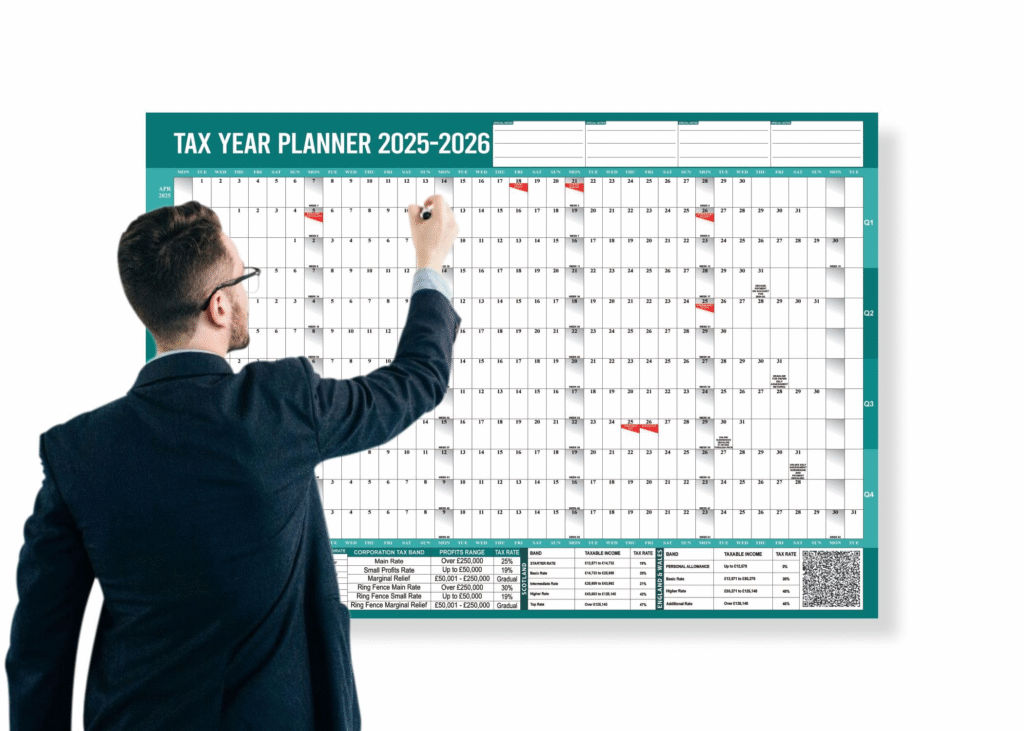
Real-World Comparison: Two Households, Different Outcomes
Consider two households with similar incomes and investments.
Household A meets with a tax advisor mid-year. They project income, adjust withholding, plan charitable contributions strategically, and harvest investment losses to offset gains. By year-end, their tax liability is largely anticipated and funded.
Household B waits until February. Their income was higher than expected, they owe additional tax, and few options remain. While they still claim standard deductions and credits, their ability to reduce liability is limited.
Both households comply with the law, but the outcomes differ significantly. The difference is not complexity—it is timing and preparation.
Who Benefits Most From Proactive Tax Planning
Proactive planning is especially valuable for taxpayers with variability or complexity in their finances.
This includes:
- Individuals with bonuses, commissions, or equity compensation
- Investors with taxable brokerage accounts
- Business owners and self-employed professionals
- Households approaching retirement
- Taxpayers experiencing major life changes such as marriage or relocation
For these groups, waiting until tax season often means reacting to outcomes rather than shaping them.
When Last-Minute Planning Still Makes Sense
Last-minute planning is not inherently wrong. For taxpayers with straightforward W-2 income and limited investments, the incremental benefit of proactive planning may be modest.
It can also be appropriate during transition years when financial circumstances are in flux and long-term patterns are unclear.
However, even in these cases, basic proactive steps—such as adjusting withholding after a raise—can still improve outcomes without significant effort.

Frequently Asked Questions
Is proactive tax planning legal?
Yes. Proactive planning uses existing tax laws to make informed decisions before transactions occur.
How early should tax planning start?
Ideally at the beginning of the year, with updates as income or circumstances change.
Does proactive planning guarantee lower taxes?
No strategy guarantees outcomes, but proactive planning increases available options and predictability.
Is proactive tax planning only for high-income earners?
No, but benefits tend to increase with income variability and financial complexity.
Can last-minute planning still reduce taxes?
Yes, but options are limited once the year ends.
How often should tax strategies be reviewed?
At least annually, and whenever major financial changes occur.
Does proactive planning reduce audit risk?
It can, by encouraging documentation, compliance, and conservative decision-making.
Is tax software enough for proactive planning?
Software is helpful for filing, but strategy typically requires human judgment.
What professionals are involved in proactive planning?
CPAs, enrolled agents, and financial advisors often collaborate.
Why Tax Strategy Is Ultimately About Control
Proactive tax strategies give taxpayers more control over outcomes. They shift taxes from a reactive obligation to a managed variable within a broader financial plan. Last-minute planning may still serve a purpose, but it rarely shapes results in meaningful ways. Over time, control—not complexity—is what separates effective tax management from annual frustration.
Key Distinctions Worth Remembering
- Proactive planning expands options before decisions are locked in
- Last-minute planning focuses on compliance and limited adjustments
- Timing affects cash flow, stress, and predictability
- Long-term goals benefit from tax-aware decisions
- Simpler situations may still gain from modest proactive steps
 Robert Weber