

Summary
Thoughtful tax strategies can materially improve retirement outcomes by reducing lifetime tax drag, increasing after-tax income, and improving flexibility when markets or laws change. This guide explains how Americans can coordinate retirement accounts, investment choices, and withdrawal timing to manage taxes before and after retirement—using practical examples grounded in current U.S. rules.
Why Taxes Matter More Than Most Retirement Projections Show
Many retirement plans focus on how much to save and how to invest, but taxes quietly shape how much retirees ultimately keep. Federal income tax, state tax, capital gains tax, and Medicare-related surcharges all affect net retirement income. According to the Congressional Budget Office, federal revenues from individual income taxes continue to rise, meaning tax exposure is unlikely to disappear for future retirees.
The challenge is not just minimizing taxes in a single year. It’s managing taxes across decades—during peak earning years, the transition into retirement, and the years when required distributions begin. A sound tax strategy doesn’t aim for perfection; it aims for flexibility, predictability, and fewer unpleasant surprises.

Understanding How Retirement Income Is Taxed
Before choosing strategies, it helps to understand how different income sources are taxed in retirement. The tax treatment varies significantly, and the mix of income sources matters just as much as the total amount.
Traditional retirement accounts such as 401(k)s and traditional IRAs are funded with pre-tax dollars. Withdrawals are taxed as ordinary income. Roth accounts, funded with after-tax dollars, allow tax-free withdrawals if requirements are met. Taxable brokerage accounts generate capital gains and dividend income, which are taxed under different rules.
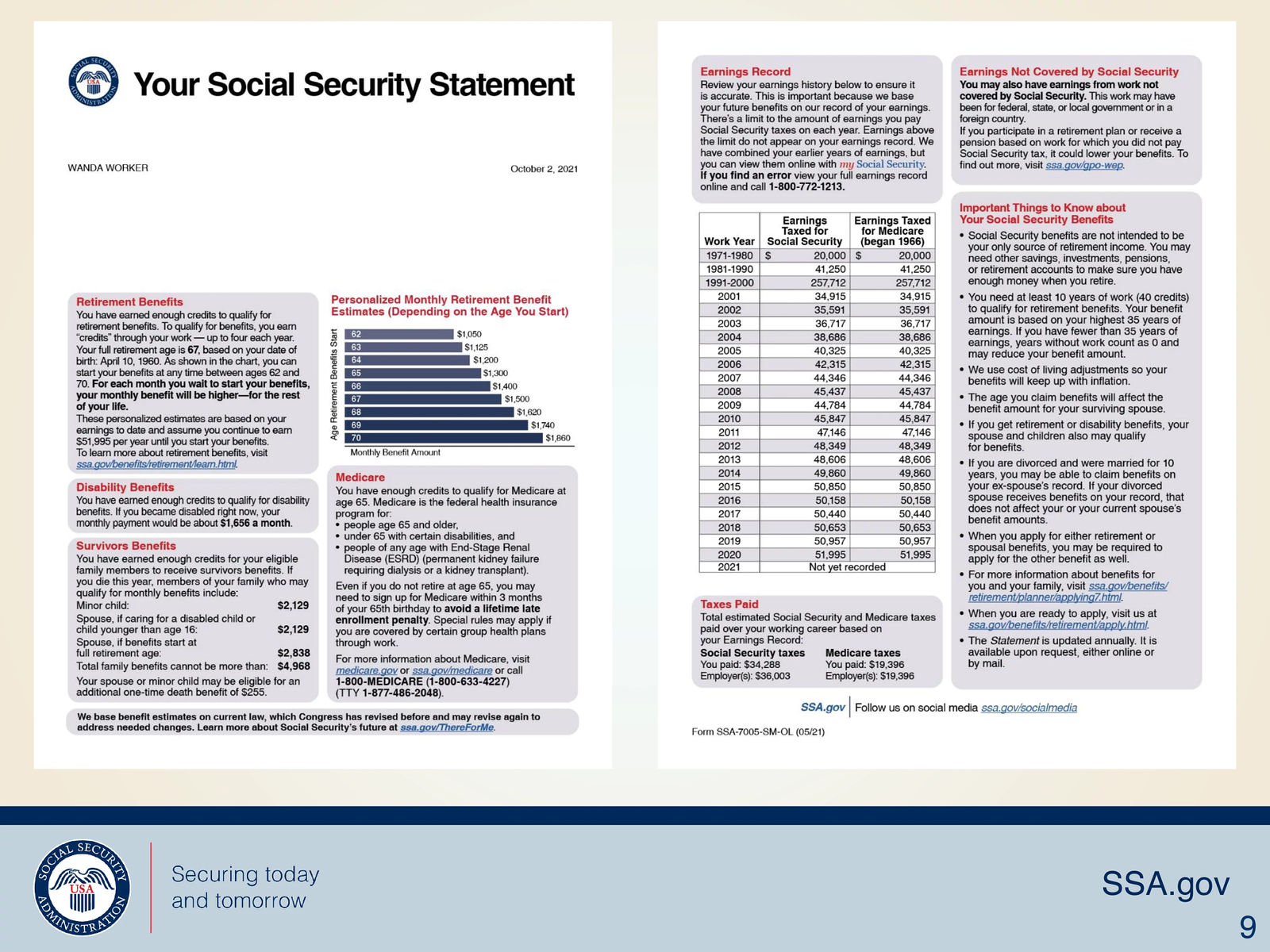
Social Security adds another layer. Depending on total income, up to 85% of benefits may be taxable at the federal level. State treatment varies widely, which can influence where retirees choose to live.
The key insight: retirees who rely heavily on one type of income source often have fewer tax-planning options than those with diversified “tax buckets.”
Building Tax Diversification Before Retirement
Tax diversification refers to holding assets across accounts with different tax treatments. Many Americans unintentionally concentrate assets in tax-deferred accounts because workplace retirement plans encourage it. While these accounts are valuable, overreliance can create future tax bottlenecks.
A more balanced approach includes:
- Tax-deferred accounts for upfront deductions and employer matches
- Roth accounts for tax-free income later
- Taxable accounts for flexibility and capital gains treatment
Consider a mid-career professional earning $150,000 annually. By splitting contributions between a traditional 401(k) and a Roth IRA, they preserve current tax benefits while creating tax-free income for retirement. This flexibility can later help manage Medicare premiums or avoid pushing Social Security benefits into higher taxation ranges.
Roth Conversions as a Strategic Tool
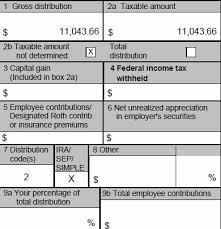
Roth conversions allow individuals to move money from a traditional IRA or 401(k) into a Roth IRA, paying taxes now in exchange for tax-free growth later. While conversions are often discussed broadly, their effectiveness depends on timing.
The years between retirement and the start of required minimum distributions (RMDs) can be particularly valuable. Income may temporarily drop, placing retirees in lower tax brackets. Converting strategically during these years can reduce future RMDs and smooth lifetime tax liability.
For example, a couple retiring at 62 with modest pension income may convert a portion of their IRA annually until age 73, when RMDs begin. Done carefully, this can reduce future taxable income while avoiding higher marginal brackets.
Required Minimum Distributions and Their Tax Impact
RMDs force retirees to withdraw a minimum amount from tax-deferred accounts starting at age 73 (under current law). These withdrawals can push income into higher tax brackets, trigger higher Medicare Part B and D premiums, and increase the taxation of Social Security benefits.
Tax strategies to manage RMDs include:
- Gradual Roth conversions before RMD age
- Qualified Charitable Distributions (QCDs) for those who give charitably
- Coordinating withdrawals across multiple account types
QCDs allow individuals aged 70½ or older to donate up to $100,000 annually from an IRA directly to a qualified charity. The distribution satisfies RMD requirements without being included in taxable income, a powerful strategy for charitably inclined retirees.
Investment Location: Matching Assets to Account Types
Investment location—placing specific assets in the most tax-efficient accounts—is often overlooked. While asset allocation determines risk and return, asset location affects after-tax performance.
Tax-inefficient investments, such as taxable bond funds or actively traded strategies, often belong in tax-deferred accounts. Tax-efficient assets, like broad-market equity ETFs, may be better suited for taxable accounts where capital gains rates apply.
Over long periods, these decisions can meaningfully affect outcomes. Studies from Vanguard and Morningstar suggest that tax-efficient asset placement can add incremental annual returns, especially for higher-income investors.
Withdrawal Sequencing in Retirement
How retirees withdraw funds can be just as important as how they saved. The traditional approach—spending taxable assets first, then tax-deferred, then Roth—may not always be optimal.
More nuanced strategies consider marginal tax brackets, market performance, and future income sources. Some retirees benefit from “blended withdrawals,” pulling modest amounts from multiple account types to manage bracket thresholds.
For instance, a retiree might withdraw enough from a traditional IRA to fill the 12% tax bracket, then supplement income with tax-free Roth withdrawals. This approach can help avoid higher brackets while preserving flexibility.
Managing Taxes Around Social Security Timing
Deciding when to claim Social Security affects both benefits and taxes. Delaying benefits increases monthly payments, but it also changes the tax picture.
Retirees who delay Social Security may use those years to draw down tax-deferred accounts or complete Roth conversions at lower tax rates. Once Social Security begins, managing provisional income becomes more important to limit benefit taxation.
There’s no universal answer. The right strategy depends on health, longevity expectations, marital status, and other income sources. However, integrating tax planning into the Social Security decision often leads to better outcomes.
State Taxes and Retirement Location Decisions
State income taxes can materially affect retirement income. Some states exempt Social Security benefits, pension income, or retirement account withdrawals. Others tax most income fully.
Relocating solely for tax reasons is rarely advisable, but understanding state tax rules helps retirees make informed decisions. For example, moving from a high-tax state to one with no income tax can improve after-tax income—but property taxes, healthcare access, and cost of living should also factor in.
Working with Professionals and Avoiding Common Pitfalls
Tax strategy is not static. Laws change, income changes, and personal circumstances evolve. Working with a CPA or fiduciary financial advisor can help retirees adapt strategies over time.
Common mistakes include:
- Waiting too long to plan for RMDs
- Converting too much to Roth in a single year
- Ignoring Medicare premium thresholds
- Treating taxes as an annual task instead of a lifetime consideration
A well-designed strategy focuses on coordination rather than isolated decisions.

Frequently Asked Questions
1. Are Roth IRAs always better than traditional retirement accounts?
Not necessarily. Roth accounts are valuable, but traditional accounts still offer meaningful upfront tax benefits depending on income and career stage.
2. When does it make sense to start Roth conversions?
Often during lower-income years, especially between retirement and RMD age, but individual circumstances vary.
3. Do retirees really need taxable accounts?
Taxable accounts provide flexibility and can help manage income levels without triggering ordinary income taxes.
4. How do taxes affect Medicare premiums?
Higher income can trigger IRMAA surcharges, increasing Part B and D premiums significantly.
5. Can Social Security benefits be tax-free?
Yes, if provisional income stays below certain thresholds, though many retirees exceed them.
6. Are RMD rules likely to change again?
They may. Recent legislation has already raised the RMD age, highlighting the importance of flexibility.
7. Is tax-loss harvesting useful in retirement?
It can be, particularly for retirees with taxable investment accounts.
8. How often should tax strategies be reviewed?
At least annually, or after major life or income changes.
9. Should retirees prioritize charitable giving for tax reasons?
Charitable intent should come first, but tools like QCDs can enhance tax efficiency.
Designing a Retirement That Works After Taxes
Retirement planning succeeds when it accounts for what truly matters: the income retirees can spend with confidence. Tax strategies don’t eliminate uncertainty, but they reduce friction and expand choices. By coordinating accounts, timing income thoughtfully, and revisiting decisions regularly, retirees can build a more resilient financial life—one that adapts as laws, markets, and personal priorities change.
What to Remember as You Plan
- Taxes affect lifetime retirement income, not just annual returns
- Flexibility across account types creates planning opportunities
- Timing matters—for conversions, withdrawals, and Social Security
- Regular reviews help strategies stay aligned with changing rules
 Robert Weber