

Summary
Investment decisions don’t just shape returns—they directly affect how much you pay in taxes each year and over a lifetime. This guide explains how different investment types, account structures, timing decisions, and income levels interact with U.S. tax rules, helping investors align portfolio choices with smarter, more efficient tax strategies.
Why Taxes Are an Investment Decision—Not Just a Filing Issue
Many Americans think about taxes once a year, usually when documents arrive in January or February. In reality, taxes are embedded in nearly every investment decision made throughout the year. The type of account you use, the assets you hold, how long you hold them, and when you sell all influence how much of your return you ultimately keep.
In the U.S., the tax system treats investment income differently depending on source and structure. Long-term capital gains are taxed at preferential rates, interest income is often taxed at ordinary income rates, and certain accounts allow gains to grow tax-deferred or tax-free. This means two investors earning the same pre-tax return can experience very different after-tax outcomes based solely on investment choices.
Understanding this relationship is essential not just for high-net-worth individuals, but for anyone building wealth through taxable brokerage accounts, retirement plans, or a mix of both.
Taxable vs. Tax-Advantaged Accounts: The Foundation of Strategy
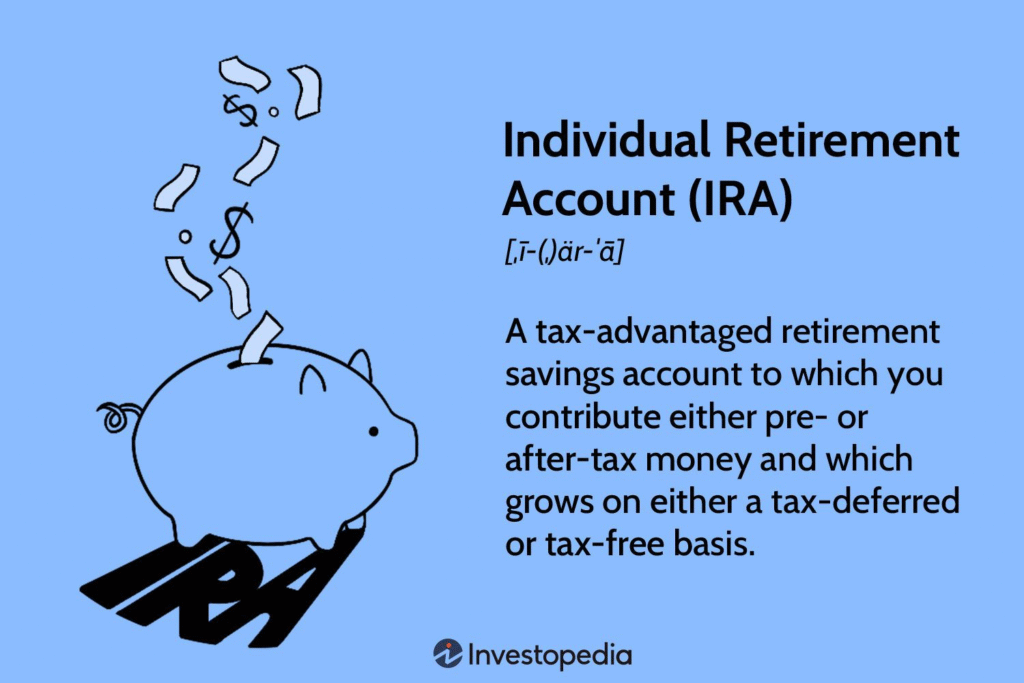
One of the most influential investment choices is where assets are held. U.S. investors typically use a combination of taxable accounts and tax-advantaged accounts such as 401(k)s, IRAs, and Roth IRAs.
Taxable accounts offer flexibility and liquidity, but income generated—dividends, interest, and realized gains—is generally taxable in the year it occurs. By contrast, tax-advantaged accounts change the timing or even the existence of taxation.
Traditional retirement accounts defer taxes until withdrawal, often decades later. Roth accounts reverse the equation: contributions are made with after-tax dollars, but qualified withdrawals are tax-free. According to data from the Investment Company Institute, over 60% of U.S. households own some form of tax-advantaged retirement account, underscoring how central these vehicles are to long-term planning.
Choosing which investments belong in which account can materially impact tax efficiency. Assets that generate frequent taxable income are often better suited for tax-advantaged accounts, while more tax-efficient investments can be held in taxable portfolios without as much drag.
How Asset Types Create Different Tax Outcomes
Not all investment income is taxed equally, and asset selection plays a major role in shaping tax exposure.
Equities generally generate returns through price appreciation and dividends. Qualified dividends and long-term capital gains currently benefit from lower federal tax rates than ordinary income for most taxpayers.
Bonds, on the other hand, generate interest income that is usually taxed at ordinary income rates. This can make bond-heavy taxable portfolios less efficient for investors in higher brackets.
Real estate investments, including REITs, introduce another layer of complexity. Rental income, depreciation, and eventual capital gains all interact differently with the tax code, sometimes creating opportunities for deferral but also increasing reporting complexity.
Alternative investments, such as private equity or hedge funds, may generate K-1 income and create timing mismatches between cash flow and tax liability—something investors often underestimate.
The key takeaway is that investment return alone doesn’t tell the full story. The tax character of that return matters just as much.

Capital Gains Timing and the Power of Holding Periods
One of the most straightforward ways investment choices affect taxes is through holding periods. Assets held for more than one year qualify for long-term capital gains treatment, which is taxed at lower rates than short-term gains for most Americans.
This creates a natural tension between portfolio rebalancing and tax efficiency. Selling too frequently can convert what might have been lightly taxed gains into higher-taxed income. Conversely, thoughtful timing—waiting weeks or months to cross the one-year threshold—can significantly reduce the tax bill associated with a sale.
Experienced investors often factor tax considerations into rebalancing decisions, especially in taxable accounts. This doesn’t mean avoiding changes altogether, but rather understanding the tax cost of each move.
Dividends, Yield, and After-Tax Income Reality
High-yield investments often look attractive on paper, but the tax consequences can reduce their real-world appeal. Dividend-focused strategies may generate steady income, yet those payments can trigger ongoing tax obligations year after year.
Qualified dividends receive favorable tax treatment, but non-qualified dividends and certain distributions are taxed as ordinary income. For investors relying on portfolio income, especially those still working, this can push taxable income into higher brackets.
This is one reason many investors place income-generating assets inside retirement accounts, allowing income to compound without immediate taxation. In contrast, growth-oriented investments that rely more on price appreciation may be more tax-efficient in taxable accounts.
Tax-Loss Harvesting and Strategic Portfolio Design
Losses are an inevitable part of investing, but how they are handled matters. Tax-loss harvesting allows investors to offset realized gains with losses, reducing overall tax liability in a given year.
This strategy works best in diversified, actively managed taxable portfolios where gains and losses occur naturally. However, it requires careful attention to IRS wash sale rules, which prevent investors from claiming losses if they repurchase substantially identical securities within 30 days.
Tax-loss harvesting is not about chasing losses; it’s about using portfolio mechanics to smooth tax outcomes over time. When integrated thoughtfully, it can improve after-tax returns without changing overall investment exposure.
Mutual Funds, ETFs, and Tax Efficiency Differences
Many investors assume similar funds produce similar tax results, but structure matters. Traditional mutual funds can distribute capital gains to shareholders even if the investor didn’t sell shares personally. This can create unexpected tax bills.
ETFs, by contrast, often use in-kind redemptions that reduce the likelihood of capital gain distributions. Over the past decade, this structural difference has made ETFs increasingly popular among tax-conscious investors.
That said, not all ETFs are equally tax-efficient, and not all mutual funds are tax-inefficient. Active turnover, asset class, and management strategy all influence outcomes. Evaluating a fund’s historical distributions can provide insight into its tax behavior.
Retirement Income Planning and Investment Tax Choices
As investors transition from accumulation to distribution, tax considerations shift again. Required minimum distributions (RMDs), Social Security taxation, and Medicare premium thresholds all intersect with investment decisions.
Withdrawals from traditional retirement accounts increase taxable income, potentially affecting tax brackets and benefits. Roth accounts, by contrast, offer flexibility because qualified withdrawals don’t increase taxable income.
Investment choices made years earlier—such as account type and asset placement—can either limit or expand planning options later. This is why tax strategy is not static; it evolves with income, age, and policy changes.
When Professional Guidance Becomes Valuable
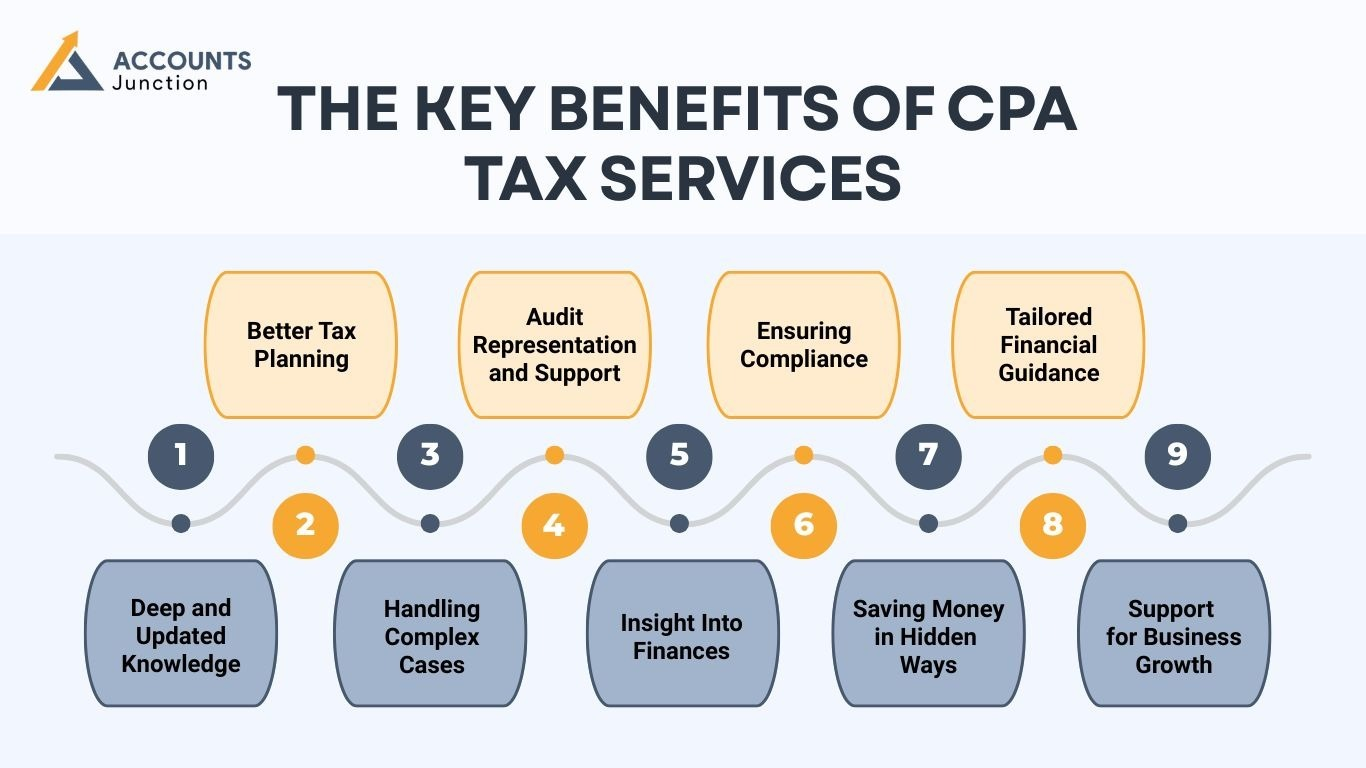
While many investors manage basic tax considerations independently, complexity increases as portfolios grow or income sources diversify. Business ownership, equity compensation, real estate holdings, and multi-state income can all complicate tax strategy.
Professionals such as CPAs and fiduciary financial advisors often coordinate investment and tax planning to avoid siloed decisions. According to the Government Accountability Office, tax complexity is a primary driver of professional tax assistance usage in the U.S., particularly among higher-income households.
The goal isn’t aggressive tax avoidance—it’s informed decision-making that aligns investments with long-term financial objectives.

Frequently Asked Questions
How do investment taxes work in the U.S.?
Investment taxes depend on income type, holding period, and account structure, with capital gains and dividends often taxed differently from interest income.
Are ETFs always more tax-efficient than mutual funds?
Often, but not always. ETF structure helps, but asset turnover and strategy still matter.
Does holding investments longer always reduce taxes?
Longer holding periods can reduce capital gains tax rates, but individual circumstances vary.
How do Roth accounts affect investment tax strategy?
Roth accounts allow tax-free qualified withdrawals, offering flexibility in retirement planning.
What is tax-loss harvesting and who should use it?
It’s a strategy to offset gains with losses, most useful in taxable investment accounts.
Do dividends increase taxable income?
Yes, most dividends are taxable in the year received, though rates vary by type.
Can investment choices affect Medicare premiums?
Yes, higher taxable income can trigger IRMAA surcharges.
Should bonds be held in taxable or retirement accounts?
Often retirement accounts, due to ordinary income taxation on interest.
When should I consult a tax professional about investments?
When income, assets, or investment structures become complex.
Seeing the Whole Picture: Investing With Taxes in Mind
Investment performance doesn’t end with market returns—it ends with what remains after taxes. Investors who understand how asset types, accounts, and timing interact with U.S. tax rules are better positioned to make informed decisions. The most effective strategies don’t chase loopholes; they integrate tax awareness into everyday investing choices, year after year.
What to Keep in Focus Going Forward
- Investment returns should always be evaluated on an after-tax basis
- Account type and asset placement are foundational tax decisions
- Timing and structure often matter as much as performance
- Tax strategy evolves with income, age, and life changes
- Coordination between investing and tax planning improves outcomes
 Robert Weber