


Summary
Many business owners focus on revenue growth, expenses, and taxes but overlook one critical lever: compensation structure. The way owners pay themselves—and their teams—can significantly affect taxes, cash flow, retention, and long-term wealth. Understanding salary, bonuses, equity, and dividends allows owners to design compensation strategies that align with tax efficiency, business growth, and sustainable financial planning.
Why Compensation Structure Can Matter More Than Many Owners Realize
Compensation is often viewed as a simple administrative decision—how much to pay employees or what salary an owner should draw from the business. In reality, compensation structure can shape taxes, profitability, employee motivation, and long-term financial outcomes more than many business owners expect.
Whether a company is a growing startup, a professional services firm, or a closely held family business, the way compensation is structured can influence everything from payroll taxes to employee retention and even succession planning.
Many advisors point out that owners frequently focus on revenue growth and expense management, while overlooking compensation design as a strategic lever. Yet the Internal Revenue Service (IRS), financial planners, and tax professionals consistently emphasize that compensation decisions affect both tax efficiency and business sustainability.
Understanding how compensation structures work—and why they matter—can help owners make more informed financial decisions.
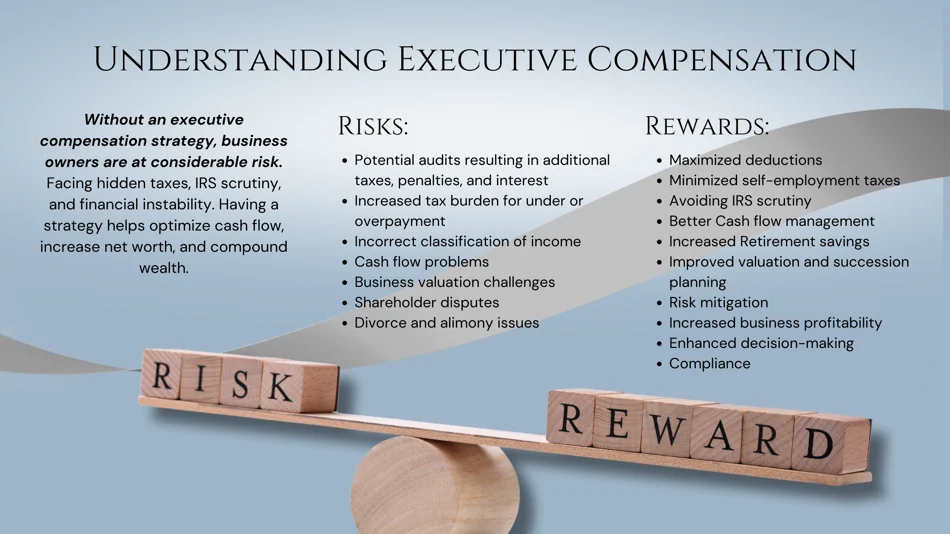
Compensation Structure: More Than Just Salary
Compensation structure refers to how income is distributed within a business, including wages, bonuses, benefits, dividends, profit sharing, and equity incentives.
For owners, compensation decisions often involve balancing several priorities:
- Personal income needs
- Tax efficiency
- Business reinvestment
- Employee retention
- Long-term wealth planning
For employees, compensation structure influences job satisfaction, performance incentives, and financial stability.
In many small businesses, owners initially default to a straightforward salary or owner draw. However, as the company grows, more strategic approaches often become necessary.
According to data from the U.S. Small Business Administration, labor costs typically represent 20% to 35% of operating expenses in many service-based businesses. Because compensation represents such a large share of costs, structuring it thoughtfully can have a meaningful impact on profitability.
How Compensation Structure Affects Taxes
One of the most significant reasons compensation structure matters is taxation. The form income takes—salary, bonus, dividend, or equity—can trigger different tax treatment.
For example:
- Wages and salaries are subject to federal income tax and payroll taxes.
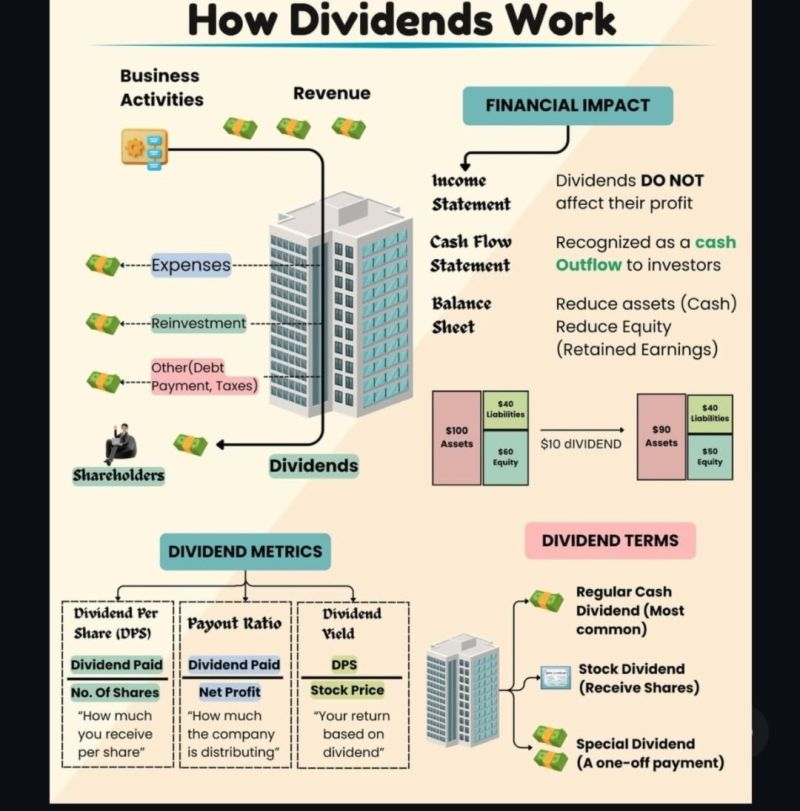
- Dividends may qualify for lower tax rates depending on circumstances.
- Equity compensation may trigger taxes when granted, vested, or exercised.
Payroll taxes alone can influence compensation decisions. In the United States, employers and employees each contribute 7.65% for Social Security and Medicare, according to the IRS. For high earners, additional Medicare taxes may also apply.
Because of this, many closely held corporations evaluate whether owner compensation should include a mix of salary and distributions, where appropriate under IRS rules.
However, the IRS requires that owners who work in their businesses receive “reasonable compensation.” Attempting to avoid payroll taxes by taking only distributions can trigger audits and penalties.
The goal is not tax avoidance but thoughtful tax planning.
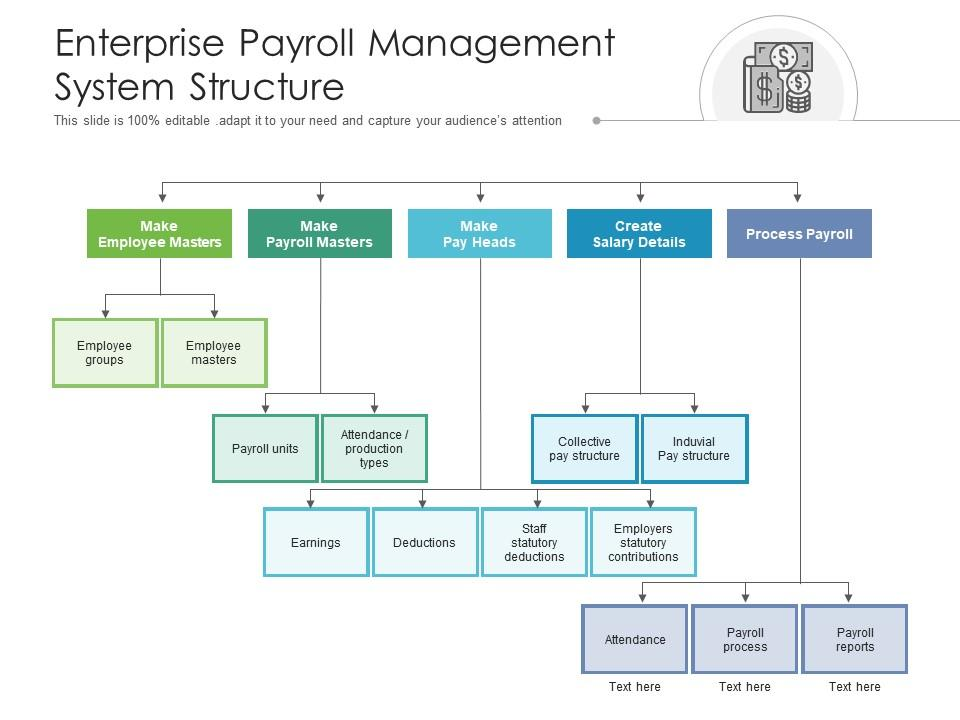
The Owner’s Dilemma: Salary, Draw, or Distribution?
Owners of different business structures face different compensation decisions.
For example:
LLC Owners
Members of limited liability companies often take owner draws, which are distributions of profits rather than wages.
However, these draws:
- Do not reduce self-employment taxes
- Are still subject to income tax
S Corporation Owners
S corporations offer a different dynamic. Owners working in the business must take a reasonable salary, but remaining profits may be distributed as dividends.
This structure can sometimes reduce payroll tax exposure compared with receiving all income as wages.
C Corporation Owners
Owners of C corporations typically receive salary and potentially dividends.
Dividends may be taxed separately from wages, which introduces different tax considerations.
Because each structure has distinct tax implications, compensation planning often requires coordination with accountants or tax advisors.
Compensation Strategy Influences Cash Flow
Beyond taxes, compensation structure can shape business cash flow.
Owners who take large salaries during early growth phases may limit funds available for:
- Hiring additional staff
- Investing in marketing
- Purchasing equipment
- Building cash reserves
In contrast, owners who rely too heavily on dividends or draws may create unstable personal income streams.
A balanced compensation strategy often helps maintain predictable personal income while protecting business liquidity.
Financial advisors frequently recommend that owners think of compensation as part of overall cash-flow management, rather than simply a personal paycheck.
Employee Compensation Structures and Retention
Compensation structure matters not only for owners but also for employees.
According to a 2023 Gallup workplace report, competitive compensation and benefits remain among the top drivers of employee retention in the United States.
However, retention often depends on how compensation is structured, not just how much employees earn.
For example, companies may combine:
- Base salary
- Performance bonuses
- Profit sharing
- Equity incentives
- Retirement contributions
These structures can align employee incentives with business performance.
For instance, profit-sharing plans allow employees to benefit when the company performs well. This approach can encourage collaboration and productivity without permanently increasing fixed payroll costs.
Equity Compensation and Long-Term Incentives
Equity compensation has become increasingly common in startups, technology companies, and professional services firms.
Instead of relying solely on salaries, companies may offer:
- Stock options
- Restricted stock units (RSUs)
- Equity grants
- Phantom equity plans
These tools give employees a stake in the company’s success.
From the owner’s perspective, equity incentives can:
- Preserve cash during early growth stages
- Align employees with long-term business goals
- Attract talent in competitive labor markets
However, equity compensation introduces additional complexity. Tax treatment varies depending on the type of equity, vesting schedules, and company structure.
For example, stock options may create taxable events when exercised, while RSUs typically generate taxable income when they vest.
Because of these complexities, many businesses rely on legal and tax professionals when designing equity plans.
Compensation Planning for Business Growth
As businesses expand, compensation structures often evolve.
Early-stage companies may prioritize flexibility, while mature companies emphasize stability and performance incentives.
Growth-oriented compensation strategies may include:
- Tiered bonus systems tied to revenue targets
- Sales commission structures
- Long-term incentive plans
- Deferred compensation arrangements
These tools help companies reward performance while maintaining cost control.
For example, a consulting firm might structure compensation so that senior consultants receive bonuses tied to project profitability. This encourages both revenue generation and efficient project management.
A Practical Example: Compensation Structure in Action
Consider a small digital marketing agency with five employees and annual revenue of $1.2 million.
The owner initially paid herself a large salary of $220,000. While this provided stable personal income, it limited the company’s ability to reinvest.
After consulting with a tax advisor and financial planner, the owner restructured compensation.
The new approach included:
- A reduced base salary
- Profit distributions tied to company performance
- Performance bonuses for senior staff
This shift allowed the business to:
- Increase marketing investments
- Hire an additional strategist
- Create stronger incentives for employee performance
Within two years, revenue grew to $1.8 million.
While the revenue increase cannot be attributed solely to compensation changes, the restructuring improved both cash flow flexibility and team motivation.
Common Mistakes in Compensation Planning
Despite its importance, compensation structure is often overlooked or poorly designed.
Some common mistakes include:
- Paying owners excessively high salaries early in the business lifecycle
- Ignoring payroll tax implications
- Using bonuses without clear performance metrics
- Offering equity without understanding tax consequences
- Failing to adjust compensation structures as the company grows
Another frequent issue is lack of documentation. The IRS expects reasonable compensation analysis and proper corporate governance when owners determine their salaries.
Regular reviews with tax professionals can help ensure compliance and strategic alignment.
Questions Business Owners Often Ask
Many business owners exploring compensation strategy search for answers to practical questions such as:
- How much salary should an owner take from their company?
- What is considered reasonable compensation for S-corporation owners?
- When should businesses introduce performance bonuses?
- Are equity incentives appropriate for small companies?
- How can compensation improve employee retention?
Addressing these questions requires a combination of tax knowledge, financial planning, and understanding of business goals.
Frequently Asked Questions
What does compensation structure mean for a business owner?
Compensation structure refers to the combination of salary, bonuses, benefits, distributions, and equity used to pay owners and employees.
Why is compensation structure important for taxes?
Different forms of income are taxed differently. Wages may trigger payroll taxes, while dividends or distributions may have different tax treatment.
What is reasonable compensation for an S-corporation owner?
The IRS requires owners who work in the business to receive a salary comparable to what someone else would earn performing the same role.
Can compensation structure affect employee retention?
Yes. Incentive programs, bonuses, and equity participation can improve employee engagement and reduce turnover.
Is equity compensation only for startups?
No. While common in startups, equity incentives are also used by professional firms and growing private companies.
How often should compensation structures be reviewed?
Many advisors recommend reviewing compensation annually or whenever there are major business changes.
Do bonuses reduce business taxes?
Bonuses are typically deductible business expenses, but they must be properly documented and paid according to IRS guidelines.
Can compensation planning improve business cash flow?
Yes. Structuring compensation carefully can help businesses balance personal income with reinvestment needs.
Should small businesses use profit-sharing plans?
Profit-sharing can be effective for motivating employees while keeping fixed payroll costs manageable.
Do owners need professional help designing compensation structures?
Because compensation decisions involve tax law, payroll regulations, and financial planning, professional guidance is often helpful.
Designing Compensation With the Bigger Picture in Mind
Compensation structure sits at the intersection of tax planning, business strategy, and workforce management. Owners who treat compensation as a strategic decision rather than an administrative task often gain greater flexibility in managing growth and personal income.
Thoughtful compensation design helps businesses balance three competing priorities: rewarding talent, maintaining healthy cash flow, and optimizing tax outcomes. While no single structure fits every business, regular evaluation ensures compensation remains aligned with the company’s goals and financial realities.
Key Points to Remember
- Compensation structure influences taxes, cash flow, and employee incentives
- Business entity type affects how owners can pay themselves
- Payroll taxes play a significant role in compensation planning
- Equity and profit-sharing can support long-term growth strategies
- Regular reviews help ensure compensation remains efficient and compliant
 Robert Weber