

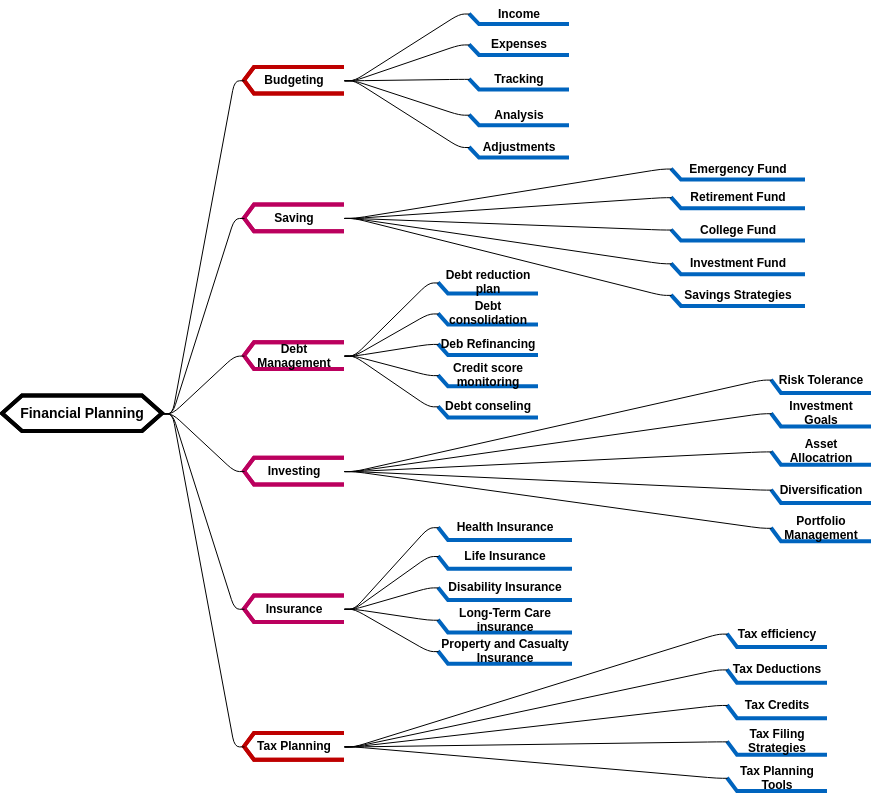
Summary
Capital gains taxes can significantly affect the outcome of an investment sale. Thoughtful planning before selling stocks, real estate, or other assets can help investors manage tax exposure while aligning with long-term financial goals. This guide explains practical capital gains strategies commonly reviewed by investors and advisors, including timing sales, tax-loss harvesting, portfolio rebalancing, and understanding long-term versus short-term gains.
Why Capital Gains Planning Matters Before Selling an Asset
Selling an appreciated asset often feels like a financial milestone. Whether it’s a stock portfolio that has grown over time, a rental property, or shares in a privately held business, realizing gains typically triggers capital gains taxes. In the United States, these taxes can influence the final value investors keep from a transaction.
According to the IRS, capital gains tax rates generally depend on two factors: how long the asset was held and the investor’s taxable income. Long-term gains—on assets held longer than one year—often receive preferential rates compared with short-term gains, which are taxed as ordinary income.
For investors, this distinction can translate into thousands of dollars in difference.
Because of this, experienced investors and financial planners usually evaluate tax consequences before executing a sale. Capital gains planning is not about avoiding taxes entirely; it’s about structuring decisions in ways that support financial goals while minimizing unnecessary tax exposure.

Understanding the Basics of Capital Gains Taxes
Before reviewing strategies, it helps to understand how capital gains taxes work in practice.
When you sell an asset for more than you paid for it, the difference is considered a capital gain. That gain becomes taxable in the year the sale occurs unless certain deferral strategies apply.
The U.S. tax system distinguishes between:
- Short-term capital gains: assets held for one year or less
- Long-term capital gains: assets held for more than one year
Long-term gains often benefit from reduced tax rates. As of recent IRS guidance, these rates commonly fall into three brackets:
- 0%
- 15%
- 20%
The exact rate depends on taxable income and filing status.
Additionally, some investors may also encounter:
- The Net Investment Income Tax (NIIT) of 3.8% for higher earners
- State capital gains taxes, depending on residence
Because of these layered tax rules, planning ahead can make a measurable difference.
Strategy 1: Reviewing Holding Periods Before Selling
One of the most common and straightforward planning decisions involves simply reviewing how long an asset has been held.
Selling an investment even a few weeks early can shift the tax treatment from long-term to short-term gains. For investors in higher tax brackets, the difference can be substantial.
Example
Imagine an investor purchased stock for $20,000 that is now worth $50,000.
If sold before the one-year mark:
- Gain: $30,000
- Taxed at ordinary income rates
If sold after one year:
- Gain: $30,000
- Taxed at long-term capital gains rates
For someone in a higher bracket, this timing difference could mean thousands of dollars in tax savings.
Because of this, investors often review holding periods carefully before making a sale.

Strategy 2: Tax-Loss Harvesting to Offset Gains
Tax-loss harvesting is one of the most widely used capital gains strategies in diversified portfolios.
The concept is simple: losses from certain investments can offset gains from others.
If an investor sells an asset at a loss, that loss can reduce taxable gains realized elsewhere in the portfolio.
Key points about tax-loss harvesting include:
- Losses can offset capital gains dollar for dollar
- If losses exceed gains, up to $3,000 per year can offset ordinary income
- Additional losses can be carried forward into future tax years
Practical Example
Suppose an investor sells a technology stock for a $15,000 gain.
At the same time, another investment in their portfolio has declined.
Selling that asset might create a $10,000 loss, reducing taxable gains to $5,000.
Investors often review portfolios toward the end of the year specifically to identify harvesting opportunities.
Strategy 3: Spreading Gains Across Multiple Tax Years
Another approach involves spreading gains across more than one tax year when possible.
This strategy can help investors remain in a lower capital gains bracket.
Situations where this approach may apply include:
- Selling a large stock position gradually
- Structuring installment sales for business interests
- Phasing real estate transactions
Example
An investor planning to sell $500,000 worth of appreciated stock might choose to sell part this year and part next year. Doing so may prevent their taxable income from jumping into a higher bracket.
Financial advisors often evaluate income projections to determine whether spreading gains could reduce tax impact.
Strategy 4: Strategic Use of Retirement Accounts
Assets held inside retirement accounts are often shielded from capital gains taxes during the investment phase.
Examples include:
- 401(k) accounts
- Traditional IRAs
- Roth IRAs
Inside these accounts, investors typically can buy and sell investments without triggering capital gains taxes immediately.
This means:
- Portfolio rebalancing becomes more flexible
- Gains can compound without annual tax consequences
Many investors place high-turnover investments in retirement accounts for this reason.
Meanwhile, tax-efficient assets are often held in taxable brokerage accounts.
This type of asset placement strategy is sometimes called tax-efficient asset location.
Strategy 5: Considering the Impact of Other Income
Capital gains taxes do not exist in isolation. They interact with the rest of a taxpayer’s income.
Investors often evaluate:
- Salary and bonuses
- Business income
- Retirement distributions
- Social Security benefits
Because these sources affect taxable income, they can influence the capital gains tax rate.
For example, someone expecting lower income during retirement may delay selling certain investments until those years.
Common scenarios where timing matters
- Retirement transitions
- Temporary sabbaticals
- Business sale years
- Large bonus years
In each case, projecting total income can help determine the most tax-efficient time to sell assets.
Strategy 6: Reviewing Real Estate Capital Gains Options
Real estate investors face additional planning opportunities when selling property.
Depending on the situation, options may include:
- Primary residence exclusion rules
- Like-kind exchanges (1031 exchanges)
- Installment sales
- Depreciation recapture planning
For homeowners, U.S. tax rules allow certain capital gains exclusions if the property served as a primary residence.
As of current IRS guidelines:
- Up to $250,000 of gain may be excluded for single filers
- Up to $500,000 for married couples filing jointly
This exclusion applies if ownership and residency requirements are met.
Real estate investors often review these rules carefully before listing a property for sale.
Strategy 7: Charitable Gifting of Appreciated Assets
Some investors choose to donate appreciated assets rather than selling them.
This approach can provide two potential tax benefits:
- Avoiding capital gains taxes on the appreciation
- Receiving a charitable deduction for the asset’s fair market value
For example, donating long-held stock to a qualified nonprofit may allow the investor to deduct the full value while avoiding the tax that would have occurred if the asset were sold first.
This strategy is commonly used in philanthropic planning and donor-advised funds.
Strategy 8: Reviewing State Tax Implications
Many investors focus primarily on federal capital gains taxes, but state taxes can also affect the outcome.
State capital gains treatment varies widely across the U.S.
Examples include:
- Some states tax capital gains as ordinary income
- Others have lower tax rates
- A few states have no income tax
Investors planning large transactions sometimes consider the impact of state residency, particularly when selling businesses or real estate.
Because residency rules can be complex, these decisions typically involve careful planning and professional guidance.

Frequently Asked Questions
What triggers capital gains tax in the United States?
Capital gains taxes are triggered when an asset is sold for more than its purchase price. The gain becomes taxable in the year the sale occurs unless special deferral provisions apply.
What is the difference between short-term and long-term capital gains?
Short-term gains apply to assets held for one year or less and are taxed as ordinary income. Long-term gains apply to assets held longer than one year and generally receive lower tax rates.
How can investors legally reduce capital gains taxes?
Common approaches include tax-loss harvesting, holding investments longer than one year, spreading gains across tax years, and using retirement accounts strategically.
Can capital losses offset capital gains?
Yes. Capital losses can offset capital gains dollar for dollar. If losses exceed gains, up to $3,000 can offset ordinary income annually, with remaining losses carried forward.
Do retirees pay capital gains tax?
Yes, retirees may still owe capital gains taxes if they sell appreciated assets. However, lower overall income may place them in lower capital gains tax brackets.
Are capital gains taxes different for real estate?
Yes. Real estate sales may involve additional rules such as depreciation recapture, primary residence exclusions, or 1031 exchange opportunities.
Can charitable donations reduce capital gains taxes?
Donating appreciated assets may allow investors to avoid paying capital gains taxes on the appreciation while receiving a charitable deduction.
Do all states tax capital gains?
No. Some states do not have income taxes, meaning they also do not tax capital gains.
Should investors consult a professional before selling large assets?
For significant transactions, many investors consult financial planners or tax professionals to understand the potential tax consequences and available strategies.
Thinking Beyond the Sale: A Broader View of Capital Gains Decisions
Selling an investment is rarely just a tax decision. It often reflects broader financial goals—retirement planning, portfolio rebalancing, or funding major life milestones.
Capital gains planning works best when it aligns with those broader objectives. Investors who evaluate taxes, timing, portfolio balance, and long-term goals together tend to make more confident decisions.
In many cases, thoughtful preparation before selling an asset can turn a routine transaction into a well-planned financial step.
Key Insights Investors Often Consider Before Selling
- Holding assets longer than one year can unlock lower tax rates
- Loss harvesting may offset gains in taxable portfolios
- Timing a sale across multiple years may reduce tax brackets
- Retirement accounts allow tax-deferred portfolio adjustments
- Real estate sales involve additional rules and planning options
- Charitable gifting can eliminate capital gains on donated assets
- State taxes may significantly influence final tax outcomes
 Robert Weber