


Summary
Large investment gains can significantly strengthen personal wealth, but they often bring complex tax implications. Understanding how capital gains taxes work, when to realize gains, and how to manage tax exposure can help investors make more informed decisions. This article explores practical tax planning considerations, timing strategies, and common mistakes investors should understand before selling high-performing investments.
Why Large Investment Gains Require Thoughtful Tax Planning
Many investors focus primarily on growing their portfolios, but realizing substantial gains introduces an entirely new set of considerations. In the United States, the moment an investor sells an asset for more than its purchase price, a taxable capital gain is created.
According to the Internal Revenue Service, capital gains are categorized as either short-term or long-term, depending on how long the asset was held before selling. The difference can dramatically affect how much tax is owed.
For investors who have experienced strong market performance—whether through stocks, real estate, or business ownership—tax planning becomes essential for preserving a meaningful portion of those profits.
Without thoughtful planning, a large gain may:
- Push an investor into a higher tax bracket
- Trigger additional taxes such as the Net Investment Income Tax (NIIT)
- Reduce eligibility for certain tax credits or deductions
- Increase Medicare premiums for retirees in later years
This is why many financial planners view tax planning as an integral part of investment management, not an afterthought.
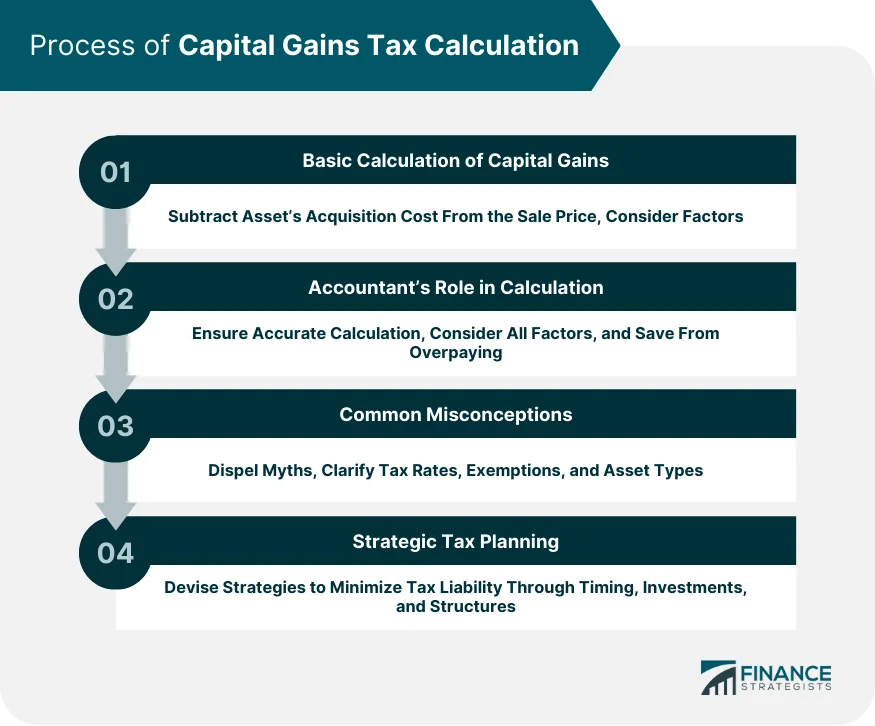
Understanding How Capital Gains Are Taxed in the U.S.
In the U.S., capital gains taxation depends primarily on holding period and income level.
Short-Term Capital Gains
Short-term gains apply when assets are held for one year or less. These gains are taxed as ordinary income.
That means they are subject to the same rates applied to wages or salary, which can be as high as 37% at the federal level.
Long-Term Capital Gains
Long-term gains apply when assets are held longer than one year. These are taxed at lower rates:
- 0%
- 15%
- 20%
The exact rate depends on the investor’s taxable income.
In addition, high-income households may also owe the 3.8% Net Investment Income Tax, introduced under the Affordable Care Act.
For investors with large gains, the difference between short-term and long-term treatment can represent tens of thousands of dollars in tax savings.
Why Timing Matters When Realizing Gains
One of the most important considerations when dealing with large investment gains is when to sell an asset.
Timing can influence the total tax owed in several ways.
Tax Bracket Management
If an investor expects their income to be lower next year—for example, after retirement or during a career transition—it may make sense to delay realizing gains.
Conversely, accelerating gains into a year with unusually low income can reduce the effective tax rate.
Year-End Planning
Many investors and advisors conduct tax reviews in the final quarter of the year. This is because realizing gains before December 31 determines whether they count in the current tax year.
Common considerations include:
- Whether realized gains will push income into a higher bracket
- Whether offsetting losses are available
- Whether charitable donations could reduce taxable income
Timing decisions are rarely about market forecasts alone—they often involve tax consequences as well.
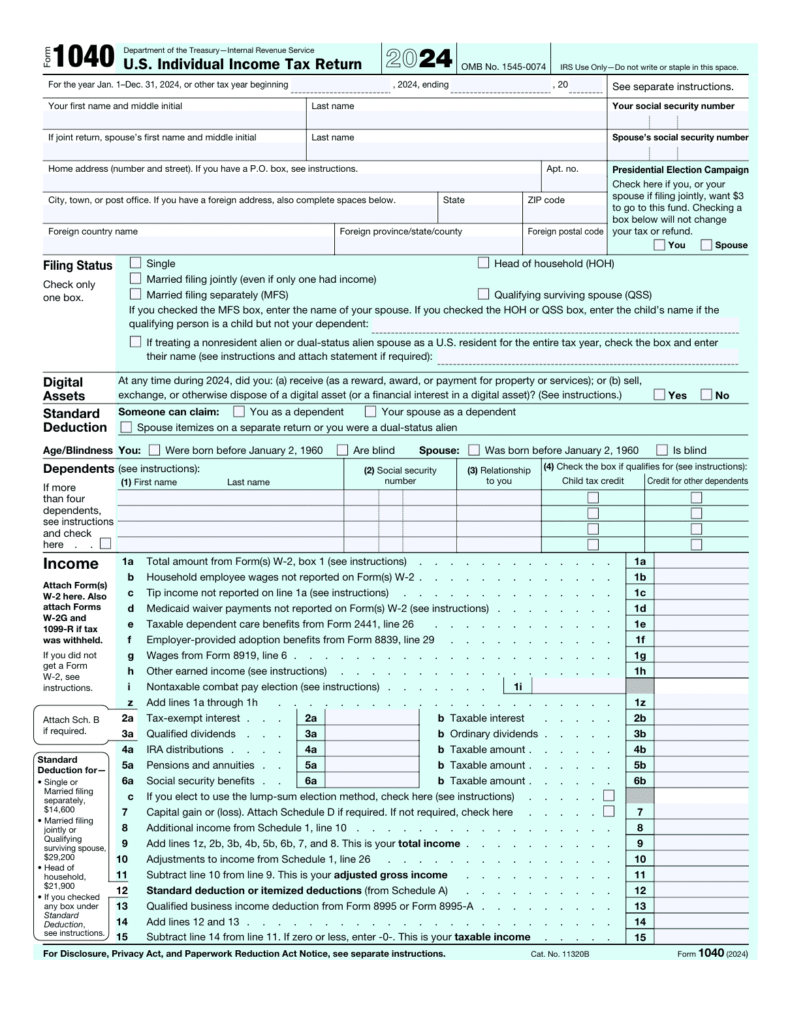
Using Capital Losses to Offset Gains
One widely used tax planning technique is tax-loss harvesting.
This strategy involves selling investments that have declined in value in order to offset taxable gains elsewhere in the portfolio.
The IRS allows investors to:
- Offset capital gains with capital losses
- Deduct up to $3,000 of net losses per year against ordinary income
- Carry unused losses forward to future tax years
For example:
If an investor realizes $80,000 in gains but also has $20,000 in losses, the taxable gain may drop to $60,000.
However, investors must also consider the wash-sale rule, which prevents claiming a loss if the same or substantially identical security is repurchased within 30 days.
Strategic Asset Location: Taxable vs Tax-Advantaged Accounts
Where investments are held can influence tax outcomes just as much as what is invested in.
Taxable Brokerage Accounts
These accounts expose investors to capital gains taxes when assets are sold.
However, they offer flexibility and may benefit from long-term capital gains rates.
Tax-Advantaged Accounts
Accounts such as:
- Traditional IRA
- Roth IRA
- 401(k)
provide different tax treatments.
For instance:
- Gains inside a Traditional IRA are tax-deferred
- Gains inside a Roth IRA can be tax-free if rules are met
As a result, many advisors recommend holding high-turnover or tax-inefficient investments inside tax-advantaged accounts whenever possible.
Considering the Impact of the Net Investment Income Tax
Higher-income investors may encounter the Net Investment Income Tax (NIIT).
This 3.8% surtax applies when modified adjusted gross income exceeds:
- $200,000 for single filers
- $250,000 for married couples filing jointly
The tax applies to income such as:
- Capital gains
- Dividends
- Interest income
- Rental income
Because large investment gains can push investors above these thresholds, tax planning may involve managing total realized income in a given year.
The Role of Charitable Giving in Managing Large Gains
For investors who regularly support charitable causes, appreciated assets can become an efficient giving tool.
Instead of selling an appreciated asset and donating the proceeds, some investors donate the asset directly to a qualified charity.
Potential advantages include:
- Avoiding capital gains tax on the appreciation
- Receiving a charitable deduction for the asset’s fair market value
- Supporting philanthropic goals
Donor-advised funds have become increasingly popular in this context because they allow investors to contribute appreciated securities and distribute charitable gifts over time.
Real-World Example: Managing a Large Stock Gain
Consider a hypothetical investor who purchased technology shares years ago for $50,000. After strong market performance, the investment is now worth $350,000.
Selling the position outright could generate $300,000 in capital gains.
Before selling, a tax-aware investor might consider:
- Whether the gains qualify for long-term treatment
- Whether other investments in the portfolio have losses
- Whether selling part of the position over multiple years would reduce tax exposure
- Whether donating a portion of the shares to charity aligns with financial goals
The point is not to avoid taxes entirely—taxes are a natural result of successful investing—but to manage the timing and structure of gains thoughtfully.
How Financial Advisors Approach Large Gains
Many wealth managers integrate tax planning directly into portfolio management.
Common considerations include:
- Gradual rebalancing instead of large one-time sales
- Monitoring unrealized gains throughout the year
- Coordinating investment decisions with broader financial plans
- Evaluating the impact of federal and state taxes
According to research from Morningstar, tax-aware investment strategies can meaningfully improve after-tax returns over time.
For investors with significant portfolios, even small improvements in tax efficiency can translate into substantial long-term savings.
Common Mistakes Investors Make With Large Gains
Even experienced investors sometimes overlook tax implications when markets are strong.
Some common mistakes include:
- Selling multiple appreciated assets in a single year without reviewing tax impact
- Ignoring state capital gains taxes
- Forgetting about the Net Investment Income Tax
- Triggering short-term gains unintentionally
- Failing to coordinate investments with retirement income planning
Avoiding these mistakes often requires planning before selling—not after.
Frequently Asked Questions
1. How much tax do you pay on large investment gains?
It depends on whether the gain is short-term or long-term and your income level. Long-term capital gains are generally taxed at 0%, 15%, or 20% federally.
2. Can capital losses offset large gains?
Yes. Capital losses can offset capital gains dollar-for-dollar, and up to $3,000 of excess losses can offset ordinary income annually.
3. Do capital gains affect tax brackets?
Yes. Large gains increase taxable income and may push taxpayers into higher tax brackets or trigger additional taxes.
4. What is the Net Investment Income Tax?
It is a 3.8% surtax on investment income that applies to high-income households once income exceeds certain thresholds.
5. Is it better to hold investments longer for tax reasons?
Holding assets for more than one year qualifies them for lower long-term capital gains rates, which are typically more favorable.
6. Can retirement accounts help reduce taxes on gains?
Yes. Gains inside retirement accounts such as IRAs and 401(k)s may be tax-deferred or tax-free, depending on the account type.
7. How does tax-loss harvesting work?
Investors sell losing investments to realize losses that offset taxable gains elsewhere in the portfolio.
8. Do state taxes apply to capital gains?
Many states tax capital gains as ordinary income, which can increase the overall tax burden.
9. Should investors sell all gains at once?
Not necessarily. Some investors spread sales across multiple years to manage tax exposure.
10. When should investors talk to a tax professional?
Typically before realizing large gains, especially if the amount is significant relative to annual income.
Strategic Perspective for Investors Managing Large Gains
Large investment gains are a positive outcome for any investor, but they require thoughtful planning to ensure the results align with long-term financial goals.
Taxes are an unavoidable part of successful investing, yet the timing, structure, and coordination of investment decisions can significantly influence the final outcome. Investors who understand these considerations are often better prepared to protect and grow their wealth over time.
Key Insights to Remember
- Capital gains taxes depend heavily on holding periods
- Large gains can influence tax brackets and additional surtaxes
- Tax-loss harvesting may help offset realized gains
- Timing sales across multiple years can reduce tax exposure
- Retirement accounts can shield investment growth from taxes
- Charitable giving strategies can also play a role in tax planning
- Coordinating investment decisions with tax planning is essential
 Robert Weber