


Summary
Tax-efficient compensation structures play a significant role in how American employees and executives manage income and long-term wealth. From stock options and deferred bonuses to flexible benefits and retirement contributions, companies increasingly design pay packages that reduce tax friction while remaining compliant with U.S. tax law. Understanding how these structures work helps employees make smarter financial decisions.
Understanding Tax-Efficient Compensation in the U.S.
In Corporate America, compensation is rarely limited to base salary. Modern pay structures often combine cash, equity, performance incentives, and benefits in ways designed to balance incentives, retention, and tax efficiency.
A tax-efficient pay structure refers to compensation arrangements that legally reduce the tax burden for either the employee, the employer, or both. Rather than increasing gross pay, employers structure earnings so that a portion of compensation is taxed later, taxed at lower rates, or sheltered within tax-advantaged accounts.
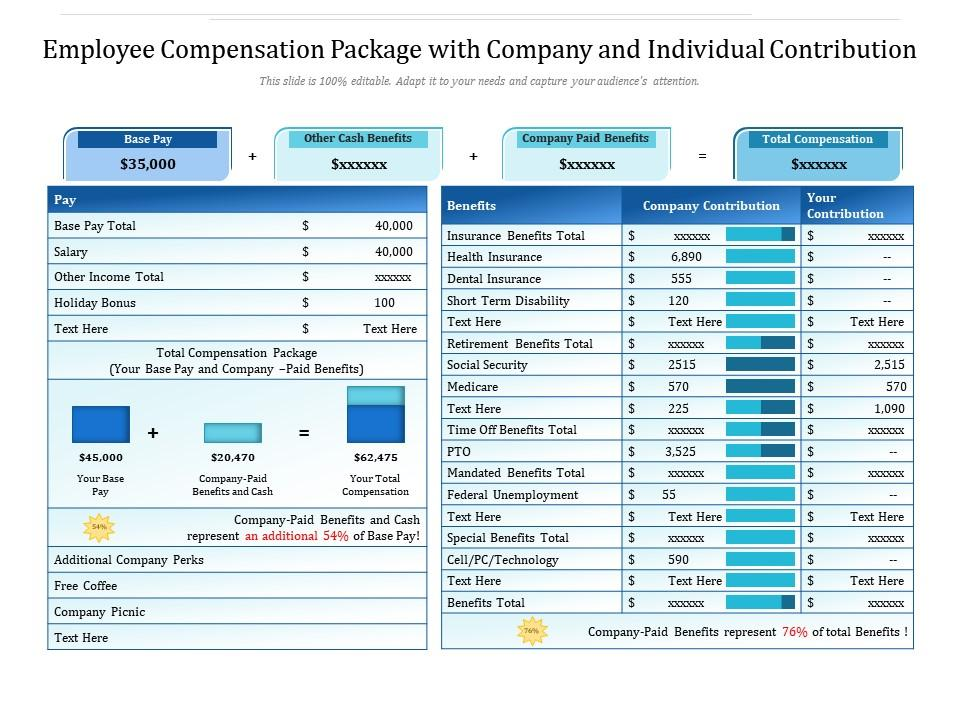
According to data from the U.S. Bureau of Labor Statistics, benefits account for roughly 30% of total compensation costs for private employers in the United States. A growing share of those benefits are intentionally structured to improve tax efficiency.
For employees, these strategies can affect:
- Annual taxable income
- Capital gains exposure
- Retirement savings growth
- Long-term wealth accumulation
For employers, tax-efficient compensation can improve employee retention and attract high-skilled workers without dramatically increasing payroll costs.
Why Companies Structure Pay Beyond Salary
A traditional salary-only compensation model can be inefficient from a tax perspective. Wages are taxed as ordinary income, which in the U.S. can reach federal rates of up to 37%, plus state and payroll taxes.
Companies therefore distribute compensation across different channels to diversify tax treatment.
Common motivations include:
- Reducing immediate taxable income
- Aligning employee incentives with company performance
- Encouraging long-term retention
- Improving after-tax compensation value
For example, technology companies frequently grant equity compensation rather than simply raising salaries. If structured correctly, employees may benefit from capital gains tax rates, which are typically lower than ordinary income tax rates.
The Role of Deferred Compensation Plans
Deferred compensation is one of the most widely used tax-efficient pay strategies among executives and senior professionals.
These plans allow employees to delay receiving part of their income until a future date, often retirement.
When income is deferred, taxation is postponed as well. This can be beneficial if the employee expects to be in a lower tax bracket later in life.
Two major types exist:
- Qualified deferred compensation (such as 401(k) plans)
- Non-qualified deferred compensation (NQDC plans)
Qualified plans
Qualified plans are regulated under federal law and provide tax benefits to a broad employee base.
Examples include:
- 401(k) plans
- 403(b) plans
- Profit-sharing plans
Contributions reduce taxable income in the current year.
The Internal Revenue Service allows employees to contribute up to $23,000 annually to a 401(k) plan in 2024, with additional catch-up contributions for those over 50.
Non-qualified plans
NQDC plans are typically offered to executives and key employees. They allow participants to defer larger portions of income beyond qualified plan limits.
However, they carry risk because deferred funds remain assets of the company until paid.
Equity Compensation: A Major Tax Planning Tool
Equity compensation has become one of the most significant components of tax-efficient pay structures.
Instead of paying all compensation in cash, companies grant employees ownership stakes.
Common equity forms include:
- Stock options
- Restricted stock units (RSUs)
- Employee stock purchase plans (ESPPs)
- Performance shares
Each type has different tax implications.
Stock options
Stock options allow employees to purchase company shares at a predetermined price.
Two major types exist:
- Incentive Stock Options (ISOs)
- Non-qualified Stock Options (NSOs)
ISOs may qualify for capital gains treatment if holding requirements are met, which can significantly reduce tax exposure.
Restricted stock units
RSUs are taxed as ordinary income when they vest. However, employees can hold the shares afterward, potentially benefiting from long-term capital gains rates.
Companies like Microsoft and Apple use RSUs extensively to retain employees and align compensation with long-term performance.
Performance Bonuses and Tax Timing
Bonuses remain a major component of compensation in finance, consulting, and executive leadership.
However, how bonuses are structured can influence tax efficiency.
Employers sometimes offer:
- Deferred bonuses
- Stock-based bonuses
- Multi-year performance incentives
For instance, a consulting firm may pay a portion of a bonus immediately while deferring the remainder for two or three years.
This spreads income across multiple tax periods and reduces peak tax exposure.
In some cases, employees may also choose between cash or equity payouts, allowing them to optimize their personal tax situation.
Flexible Benefits and Pre-Tax Advantages
Beyond salary and equity, benefit programs can significantly reduce taxable income.
Pre-tax benefit programs allow employees to pay certain expenses with untaxed dollars.
Common examples include:
- Health Savings Accounts (HSAs)
- Flexible Spending Accounts (FSAs)
- Commuter benefits
- Dependent care accounts
- Employer-sponsored health insurance
An HSA is especially powerful from a tax perspective.
It offers a triple tax advantage:
- Contributions are tax-deductible
- Investment growth is tax-free
- Withdrawals for qualified medical expenses are tax-free
The Fidelity Investments estimates that a couple retiring at age 65 may need over $300,000 for healthcare expenses, making HSAs both a tax and retirement planning tool.
Executive Compensation Strategies
Executive pay packages often include more complex tax-efficient structures.
These may include:
- Deferred stock grants
- Performance-based equity
- Long-term incentive plans
- Supplemental retirement plans
Executives may also use 10b5-1 trading plans, which allow them to sell shares on a predetermined schedule, helping manage both regulatory and tax considerations.
These strategies help executives diversify wealth while complying with securities regulations.
Real-World Example: Structuring Pay for Tax Efficiency
Consider a senior software engineer earning $250,000 annually.
If the entire amount were paid as salary, the employee could face significant federal and state tax liability.
Instead, a typical compensation package might include:
- $160,000 base salary
- $50,000 in RSUs
- $20,000 annual bonus
- $20,000 employer retirement contributions
In addition, the employee might contribute:
- $23,000 to a 401(k)
- $4,150 to an HSA
This combination can substantially reduce taxable income while building long-term assets.
The structure also aligns incentives with company performance.
Common Misunderstandings About Tax-Efficient Pay
While tax-efficient pay structures are beneficial, several misconceptions exist.
First, tax efficiency does not mean avoiding taxes entirely. Instead, it involves strategic timing and categorization of income within legal frameworks.
Second, equity compensation carries risk. Stock prices can fluctuate, which means deferred or equity-based income may not retain its initial value.
Third, tax efficiency varies depending on an individual’s financial situation, tax bracket, and state of residence.
Employees should therefore evaluate compensation packages within the context of their broader financial plans.

Questions Employees Often Ask About Pay Structure
How does equity compensation affect taxes?
Equity is usually taxed either at vesting or when exercised, depending on the type of equity granted.
Is deferred income always better?
Not always. Deferral works best if future tax rates are lower or if income smoothing reduces bracket exposure.
Are bonuses taxed differently than salary?
Bonuses are still taxed as ordinary income but may be withheld differently when paid.
Do benefits really reduce taxes?
Yes. Pre-tax benefits reduce taxable income and can produce meaningful savings.
Should employees always maximize retirement contributions?
For many individuals, maximizing tax-advantaged accounts can be beneficial, but liquidity needs should also be considered.
FAQ
What is a tax-efficient pay structure?
It is a compensation design that reduces immediate tax exposure by distributing income across tax-advantaged benefits, equity, and deferred compensation.
Why do companies use stock-based compensation?
Equity aligns employee incentives with company growth while providing tax flexibility and long-term retention.
Are RSUs better than stock options?
They serve different purposes. RSUs provide guaranteed value at vesting, while stock options depend on stock price growth.
Do executives pay lower taxes because of compensation structure?
Not necessarily lower overall taxes, but their income may be structured differently across time and tax categories.
Can employees choose how their compensation is structured?
Sometimes. Employees may choose between cash bonuses, equity grants, or deferred compensation depending on company policy.
What is the benefit of a Health Savings Account?
HSAs provide tax-deductible contributions, tax-free growth, and tax-free withdrawals for medical expenses.
Are deferred compensation plans risky?
Yes. Non-qualified deferred plans depend on the employer’s financial stability.
How does the capital gains tax rate compare to income tax?
Long-term capital gains are typically taxed at lower rates than ordinary income.
Are tax-efficient pay structures only for executives?
No. Many companies now offer tax-efficient benefits and retirement options to all employees.
Should employees consult a financial advisor about compensation?
Yes. Advisors can help evaluate equity, tax timing, and retirement contributions.
A Changing Landscape of Compensation Strategy
Tax-efficient pay structures have become a central feature of compensation design in Corporate America. As companies compete for talent and employees seek smarter ways to build long-term wealth, compensation increasingly blends salary, equity, deferred income, and benefits.
Understanding these structures allows employees to evaluate job offers more carefully and plan for both short-term income needs and long-term financial security.
Key Insights at a Glance
- Tax-efficient compensation reduces immediate taxable income legally.
- Equity compensation plays a growing role in corporate pay packages.
- Deferred income can help manage tax brackets over time.
- Pre-tax benefits significantly lower taxable income.
- Retirement contributions remain one of the most effective tax strategies.
 Robert Weber