

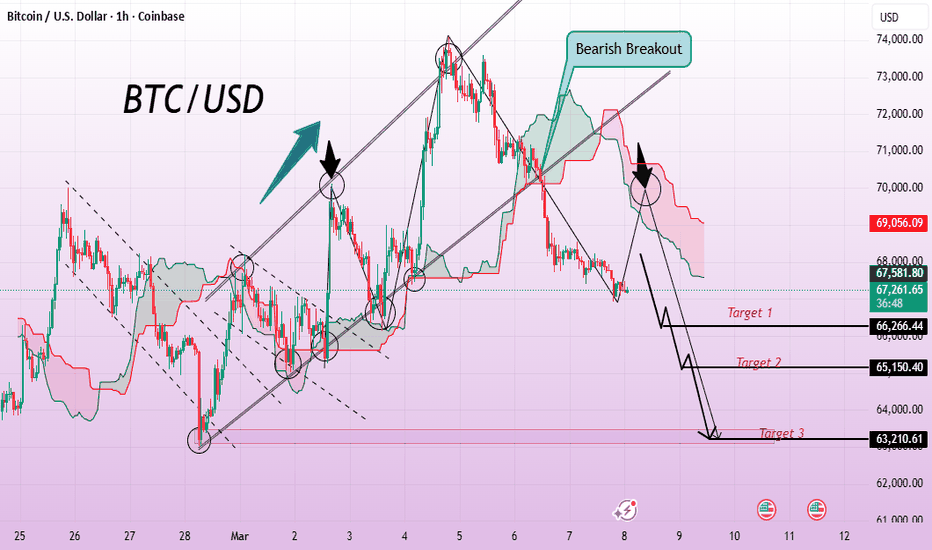
Digital assets have become an increasingly visible part of modern financial markets, attracting interest from investors, institutions, and regulators alike. While the sector offers opportunities tied to innovation and diversification, it also carries unique risks, including volatility, regulatory uncertainty, and technological challenges. Understanding both sides of the equation is essential for investors evaluating digital assets within a balanced portfolio strategy.
Understanding the Digital Asset Market
The digital asset market has evolved dramatically over the past decade. What began primarily as an experimental technology surrounding cryptocurrencies has expanded into a broader ecosystem that includes blockchain-based financial instruments, tokenized assets, decentralized finance platforms, and digital payment networks.
Today, digital assets represent a global market worth trillions of dollars, attracting participation from retail investors, institutional funds, and major financial firms. Bitcoin remains the most prominent example, but thousands of other blockchain-based assets now exist.
Despite its rapid growth, the digital asset market remains relatively young compared with traditional asset classes such as equities or bonds. As a result, it presents both notable opportunities and meaningful risks that investors must carefully evaluate.
For many investors, the central question is not simply whether digital assets are worth considering, but how they fit within a disciplined investment strategy.
Why Digital Assets Are Attracting Investor Attention
Interest in digital assets has increased significantly due to several structural developments within financial markets.
First, technological innovation has expanded the potential uses of blockchain technology. Digital assets can now represent a variety of financial instruments, including stablecoins, tokenized securities, and digital ownership rights.
Second, broader financial infrastructure has improved. Major trading platforms, custodial services, and regulatory frameworks are gradually making digital asset markets more accessible and secure.
Third, investors are increasingly exploring alternatives to traditional assets. In a world where stocks and bonds often move together during periods of economic stress, some investors are searching for additional sources of diversification.
These factors have encouraged investors to explore digital assets for several potential advantages:
- Exposure to a rapidly developing financial technology sector
- Portfolio diversification opportunities
- Participation in decentralized financial systems
- Access to global, 24-hour trading markets
- Innovation in asset tokenization and financial infrastructure
While these opportunities are real, they must be weighed carefully against the risks inherent in this emerging asset class.
Market Volatility: One of the Most Visible Risks
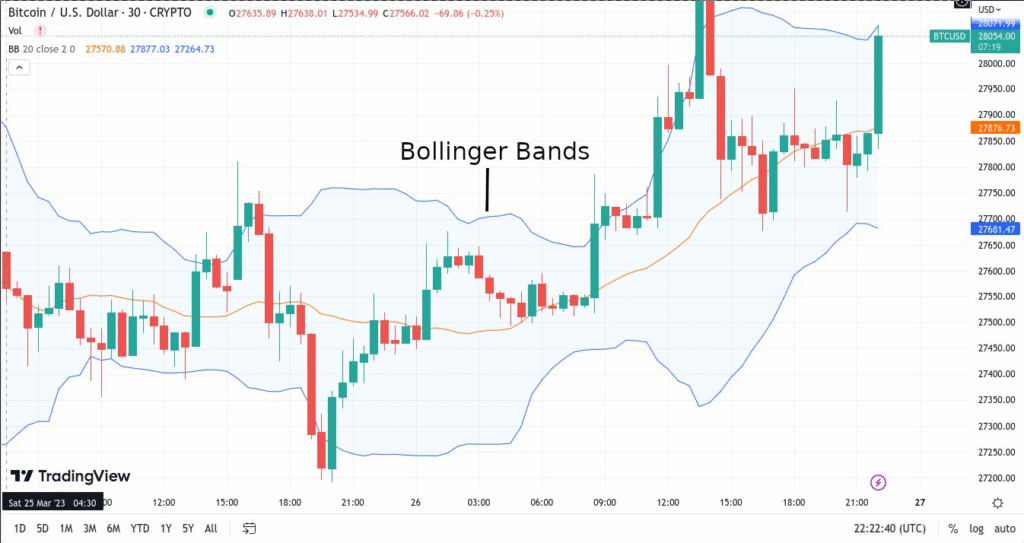
Volatility is one of the defining characteristics of the digital asset market. Price swings can be significant, often occurring within short timeframes.
For example, large cryptocurrency markets have experienced multi-trillion-dollar shifts in value during periods of rapid market correction. In some cases, the overall market has lost more than $1 trillion in value during major downturns, reflecting investor sensitivity to macroeconomic conditions and market sentiment.
Even leading assets like Bitcoin regularly experience substantial price fluctuations. Market analysts note that cryptocurrency prices often respond quickly to global economic events, investor risk appetite, and regulatory developments.
Why volatility occurs
Several factors contribute to the volatility of digital assets:
- Limited historical data compared with traditional markets
- Rapid changes in investor sentiment
- High levels of speculative trading activity
- Influence of macroeconomic news and interest rate expectations
- Liquidity differences across exchanges and tokens
For long-term investors, volatility does not necessarily eliminate the potential value of digital assets. However, it reinforces the importance of careful position sizing and risk management.
Regulatory Uncertainty and Policy Developments
Regulation remains one of the most important variables shaping the digital asset market.
Governments around the world are still developing policies to address issues such as investor protection, taxation, anti-money-laundering compliance, and stablecoin oversight.
For investors, regulatory developments can influence several aspects of the market:
- The availability of investment products such as exchange-traded funds
- Rules governing cryptocurrency exchanges and custodial services
- Tax reporting requirements
- Cross-border transactions and financial compliance
While regulatory clarity is gradually improving in many countries, policy changes can still affect market sentiment and asset prices.
From an investor’s perspective, this uncertainty highlights the importance of staying informed about regulatory developments and using reputable financial platforms.
Security and Technology Risks
Digital assets depend on advanced technology infrastructure, including blockchain networks, digital wallets, and cryptographic security systems.
Although blockchain technology itself is designed to be highly secure, risks still exist in several areas.
Key technological risks include:
- Cybersecurity breaches at cryptocurrency exchanges
- Loss of private keys that control access to digital wallets
- Smart contract vulnerabilities in decentralized finance applications
- Operational failures within trading platforms
Historically, several high-profile exchange failures and cyberattacks have highlighted the importance of secure custody solutions.
In response, institutional-grade custodial services and multi-signature wallet technologies have emerged to improve security for large investors.
Even with these improvements, investors must understand that digital asset security requires careful management of wallets, passwords, and authentication systems.
Liquidity and Market Structure Considerations
Liquidity refers to how easily an asset can be bought or sold without significantly affecting its price.
In the digital asset market, liquidity can vary widely depending on the specific asset. Major cryptocurrencies typically have deep trading markets and high daily trading volumes. Smaller tokens, however, may have limited liquidity.
When liquidity is limited, price movements can become more extreme. Institutional trading activity can also influence prices during periods of heavy buying or selling.
For example, large trading volumes from institutional participants have occasionally triggered sharp price movements in certain digital assets during short periods of market activity.
Investors should therefore evaluate liquidity conditions before investing in any digital asset.
Opportunities Emerging Within the Digital Asset Ecosystem
Despite these risks, the digital asset market continues to develop new opportunities tied to innovation in financial technology.
One of the most promising developments is tokenization—the process of representing real-world assets on blockchain networks.
Tokenization could allow investors to access fractional ownership of traditionally illiquid assets such as:
- Real estate
- Private equity
- Infrastructure projects
- Fine art and collectibles
In theory, tokenization can improve market efficiency by enabling faster settlement, broader investor participation, and enhanced transparency.
Another emerging area is decentralized finance (DeFi), which uses blockchain technology to provide financial services such as lending, borrowing, and trading without traditional intermediaries.
While these systems are still evolving, they demonstrate the broader potential of blockchain technology to reshape aspects of financial infrastructure.
How Investors Are Approaching Digital Assets Today
As the market matures, many investors are adopting more structured approaches to digital asset exposure.
Rather than treating digital assets as speculative bets, investors are increasingly incorporating them into diversified portfolios with carefully defined allocation levels.
Common strategies include:
- Allocating a small percentage of a portfolio to digital assets
- Using dollar-cost averaging to manage entry timing
- Rebalancing portfolios periodically
- Using regulated investment products when available
Financial advisors often emphasize that digital assets should complement—not replace—traditional investments.
For example, an investor might allocate a small portion of a broader portfolio to digital assets while maintaining primary exposure to stocks, bonds, and real estate.
This balanced approach allows investors to participate in potential innovation while limiting downside risk.
Frequently Asked Questions
What are digital assets in finance?
Digital assets are financial assets that exist primarily in digital form. Examples include cryptocurrencies, tokenized securities, stablecoins, and blockchain-based financial instruments.
Why are digital assets considered risky?
They are considered risky due to high price volatility, regulatory uncertainty, technological complexity, and evolving market infrastructure.
Are digital assets regulated in the United States?
Yes, but regulation is still developing. Multiple agencies oversee different aspects of the market, including securities laws, taxation, and anti-money-laundering compliance.
Can digital assets diversify a portfolio?
Some research suggests digital assets may provide diversification benefits because their price movements do not always correlate directly with traditional markets.
What is tokenization?
Tokenization is the process of converting ownership rights of real-world assets into digital tokens on a blockchain network.
Are digital assets the same as cryptocurrencies?
No. Cryptocurrencies are one type of digital asset. The broader category includes tokenized assets, digital securities, and other blockchain-based financial instruments.
How do investors store digital assets?
Digital assets are stored in digital wallets secured by cryptographic keys. Some investors also use institutional custodial services.
Why are digital asset prices so volatile?
Volatility results from factors such as speculative trading, macroeconomic conditions, liquidity differences, and evolving regulatory frameworks.
Are institutions investing in digital assets?
Yes. Institutional participation has grown as financial infrastructure, custodial services, and investment products have developed.
What should beginners consider before investing?
Beginners should focus on understanding risk, using reputable platforms, diversifying investments, and avoiding excessive concentration in digital assets.
Evaluating the Digital Asset Landscape with a Balanced Perspective
The digital asset market is still in a period of rapid development. Innovation continues to reshape how financial systems operate, creating new opportunities for investors willing to understand emerging technologies.
At the same time, the market’s volatility and evolving regulatory environment require thoughtful risk management.
Investors who approach digital assets with a balanced perspective—recognizing both their potential and their limitations—are more likely to make informed decisions.
As financial infrastructure matures and regulatory frameworks become clearer, digital assets may continue to evolve from a niche market into a recognized component of modern investment portfolios.
Key Observations for Investors Exploring Digital Assets
- Digital assets represent a rapidly evolving sector of financial markets.
- Volatility remains one of the most significant risks for investors.
- Regulatory developments continue to shape the market’s long-term structure.
- Security and custody solutions are improving but still require careful management.
- Liquidity varies widely across different digital assets.
- Tokenization may expand access to traditionally illiquid assets.
- Diversified portfolios can help manage digital asset risk exposure.
- Long-term strategies are becoming more common among investors.