


Summary
Agricultural land has become an increasingly attractive investment for individuals, institutional investors, and family offices across the United States. Farmland offers long-term appreciation, income through leasing, inflation protection, and a tangible asset backed by global food demand. Understanding how farmland markets work—and the risks involved—helps investors evaluate whether agricultural land fits into a diversified investment strategy.
The Growing Interest in Farmland as an Investment
Over the past two decades, agricultural land has steadily moved from a niche asset class into the mainstream of investment portfolios. While farmland has always been valuable to farmers and ranchers, today it is also attracting interest from investors seeking stability, diversification, and long-term asset growth.
Unlike many financial assets, farmland produces a fundamental commodity: food. As the global population grows and arable land becomes increasingly limited, the underlying value of productive farmland tends to strengthen over time. This dynamic has made farmland especially appealing to investors looking for assets tied to real economic demand rather than speculative trends.
In the United States, farmland values have demonstrated resilience across multiple economic cycles. According to the U.S. Department of Agriculture (USDA), the average value of U.S. farm real estate reached $4,080 per acre in 2023, continuing a multi-year upward trend. While regional differences are significant, the broader trajectory has been consistent.
For many investors, farmland represents something increasingly rare: a hard asset with both income potential and long-term appreciation.
Why Farmland Is Viewed as a Stable Long-Term Asset
Real estate investments often fluctuate with economic conditions, but farmland tends to behave differently from residential or commercial property markets.
The primary reason is simple: farmland produces essential goods. Food production continues regardless of economic cycles, which creates relatively stable demand for productive land.
Historically, farmland has also demonstrated low correlation with traditional financial markets, meaning its performance does not closely track stocks or bonds. This makes farmland attractive for portfolio diversification.
Several characteristics contribute to farmland’s stability:
- Limited supply of productive agricultural land
- Consistent global demand for food commodities
- Multiple income streams (leasing, crop revenue, or specialty agriculture)
- Strong historical appreciation in productive regions
- Low vacancy risk compared with other real estate types
Because of these factors, farmland has gained attention from pension funds, endowments, and family investment groups that traditionally focused on commercial real estate.
Income Opportunities from Leasing Farmland
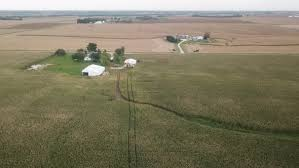
One of the most practical advantages of agricultural land investment is the ability to generate income through leases. Many farmland investors do not farm the land themselves; instead, they lease it to experienced farmers or agricultural operators.
There are two common lease structures in U.S. farmland markets:
Cash Rent Lease
The farmer pays a fixed annual rent per acre regardless of crop performance. This provides predictable income for the landowner.
Crop Share Lease
The landowner receives a percentage of the harvested crop or its revenue. This structure allows the owner to participate in strong harvest years but carries more risk.
In the Midwest Corn Belt, for example, cash rent often ranges between $200 and $350 per acre, depending on soil quality and commodity prices.
For investors who prefer stable cash flow, farmland leases can provide annual income comparable to dividend yields from certain equities while maintaining the underlying asset value.
Inflation Protection and Hard Asset Value
One of the most frequently cited reasons investors buy farmland is inflation protection.
When inflation rises, the prices of agricultural commodities such as corn, wheat, and soybeans often increase as well. Because farmland is directly tied to food production, the value of the land and the rent it generates tend to rise alongside agricultural prices.
Historically, farmland has performed well during periods of elevated inflation. For example, during the inflationary environment of the 1970s, farmland values in the U.S. rose significantly before correcting in the 1980s farm crisis.
More recently, many investors have again turned toward tangible assets like farmland as a hedge against currency devaluation and rising costs.
Compared with financial assets that exist only as market instruments, farmland represents a physical, productive resource that cannot be easily replaced.
The Role of Institutional Investors in Farmland Markets
Another major factor driving farmland demand is the increasing participation of institutional investors.
Large asset managers, pension funds, and insurance companies have begun allocating small portions of their portfolios to farmland investments. These institutions are attracted by farmland’s historical performance and relatively low volatility.
Major institutional farmland investors often focus on regions with:
- High-quality soil
- Reliable water access
- Strong infrastructure for grain transport
- Established agricultural markets
States such as Iowa, Illinois, Nebraska, and Kansas have become particularly attractive due to their highly productive soils.
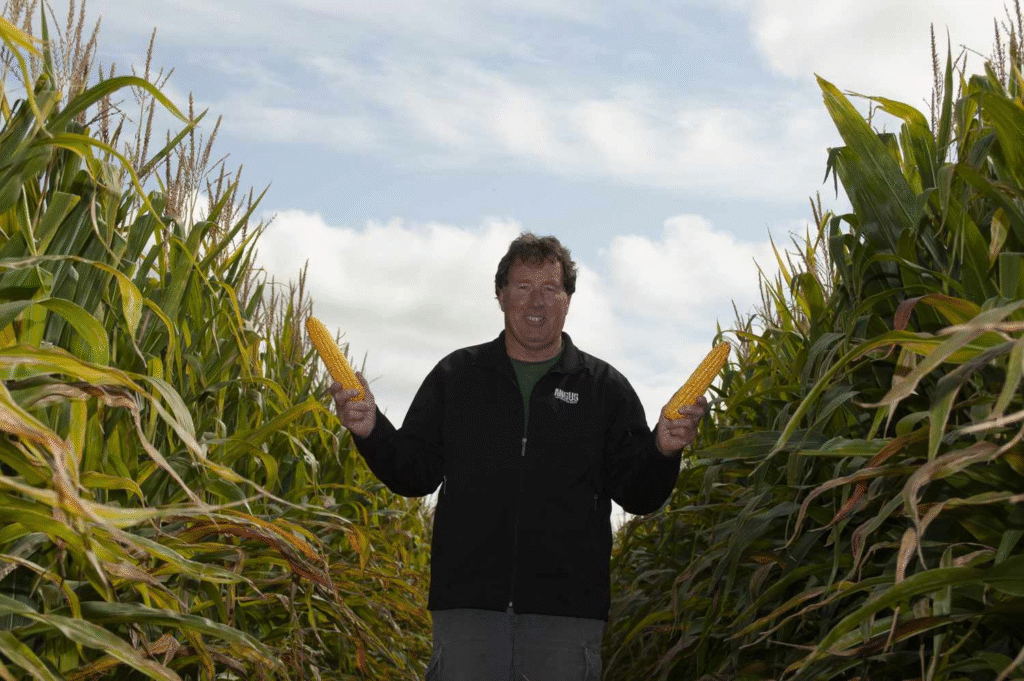
However, institutional investors typically represent a relatively small share of total farmland ownership in the United States. According to USDA data, family farmers still own the majority of U.S. farmland, maintaining a strong connection between land ownership and agricultural production.
Regional Differences in Farmland Value
Farmland prices vary dramatically depending on location, soil quality, water availability, and crop type.
For example:
- Prime Iowa cropland can exceed $12,000 per acre in strong markets
- Irrigated farmland in California may reach $25,000–$40,000 per acre for specialty crops
- Pasture or grazing land in western states may sell for $1,000–$4,000 per acre
These differences illustrate why local knowledge is essential when evaluating agricultural land investments.
Investors must understand regional agricultural economics, including:
- Typical crop yields
- Weather patterns
- Water rights and irrigation infrastructure
- Transportation access
- Local farm profitability
Without this context, farmland pricing can appear confusing or inconsistent.
Environmental and Sustainability Considerations
Sustainability has become an increasingly important factor in farmland investment decisions.
Agricultural practices affect soil health, water usage, and long-term productivity. Investors who prioritize sustainable farming practices often find that healthy soil management improves both environmental outcomes and financial performance.
Practices such as cover cropping, crop rotation, reduced tillage, and responsible fertilizer use can enhance soil fertility and reduce erosion.
Some farmland investors are also exploring emerging opportunities tied to environmental markets, including:
- Carbon credit programs for soil carbon sequestration
- Conservation easements
- Renewable energy development such as wind turbines or solar installations
These initiatives can create additional revenue streams while improving land stewardship.
Risks and Challenges of Agricultural Land Investment
Despite its advantages, farmland investment is not risk-free. Investors should approach agricultural land with a clear understanding of potential challenges.
Key risks include:
- Commodity price volatility
- Weather events such as drought or flooding
- Changing agricultural policies and subsidies
- Rising interest rates affecting land prices
- Limited liquidity compared with stocks or bonds
Farmland is typically a long-term investment. Selling agricultural property can take time, particularly in rural markets with fewer buyers.
Additionally, farmland ownership often requires specialized knowledge or trusted local partners to manage leases, maintain infrastructure, and ensure proper land stewardship.
Ways Investors Access Farmland Today
In the past, buying farmland usually required purchasing an entire property. Today, investors have several options for accessing farmland markets.
Common approaches include:
Direct Land Ownership
Investors purchase farmland outright and lease it to farmers.
Farmland Investment Funds
Private funds acquire large farmland portfolios and distribute income to investors.
REIT-Style Farmland Companies
Publicly traded farmland companies allow investors to gain exposure through stock ownership.
Fractional Ownership Platforms
Some digital platforms allow investors to purchase partial ownership in farmland projects.
Each method offers different levels of control, risk, and capital requirements. Direct ownership often requires substantial capital but provides the greatest control over land management.
Practical Example: A Midwest Farmland Investment
Consider a hypothetical investor purchasing 160 acres of Iowa cropland.
Purchase price:
$11,000 per acre
Total investment:
$1.76 million
Annual cash rent:
$300 per acre
Annual lease income:
$48,000
This produces a cash yield of roughly 2.7%, excluding property taxes and management costs.
While the income yield may appear modest compared with some investments, farmland investors often focus on long-term land appreciation in addition to rental income.
Over time, appreciation combined with annual rent can produce competitive total returns.

Frequently Asked Questions
1. Is farmland a good investment for beginners?
Farmland can be a solid long-term investment, but beginners should carefully research local agricultural markets and consider partnering with experienced farm managers.
2. How much money do you need to invest in farmland?
Direct ownership often requires hundreds of thousands of dollars. However, some farmland investment platforms allow entry with smaller investments.
3. Does farmland generate passive income?
Yes. Many investors lease farmland to farmers, creating annual rental income without active farming involvement.
4. What determines farmland value?
Key factors include soil quality, crop productivity, water access, location, and commodity prices.
5. Is farmland affected by interest rates?
Yes. Higher interest rates can slow farmland price growth because borrowing costs increase for buyers.
6. Can farmland lose value?
Yes. Land prices can decline during agricultural downturns or periods of low commodity prices.
7. Is farmland better than residential real estate?
Both have advantages. Farmland offers diversification and ties to food production, while residential real estate may provide higher rental yields.
8. What states have the most valuable farmland?
Midwestern states such as Iowa, Illinois, and Indiana typically have some of the highest cropland values.
9. Can foreigners buy farmland in the United States?
Foreign ownership is allowed but regulated, and buyers must report farmland purchases under federal disclosure laws.
10. What is the typical return on farmland investment?
Historically, U.S. farmland has delivered average annual returns between 8% and 12% when combining appreciation and income, though results vary by region and timeframe.
Understanding the Long-Term Appeal of Farmland Ownership
Farmland’s enduring appeal comes from its unique combination of characteristics: a finite resource, essential economic purpose, and the ability to generate income while appreciating over time. For investors willing to understand agricultural markets and commit to long-term ownership, farmland can play a valuable role in a diversified portfolio.
However, like any real estate investment, success depends on thoughtful research, realistic expectations, and responsible land stewardship.
Key Insights at a Glance
- Farmland has historically provided stable long-term returns.
- Global food demand supports long-term agricultural land value.
- Leasing farmland can produce consistent annual income.
- Institutional investors increasingly view farmland as a portfolio diversifier.
- Soil quality, water access, and regional crop economics drive land prices.
- Sustainable farming practices can improve both environmental and financial outcomes.
- Farmland is a long-term asset with relatively low liquidity.
- Multiple investment pathways now exist, including funds and fractional ownership.
A Land Asset Shaped by Food, Economics, and Time
Farmland remains one of the few investment assets directly tied to humanity’s most essential resource: food. As population growth, environmental pressures, and global supply chains reshape agriculture, productive farmland is likely to remain a strategically important asset for decades to come.
Essential Points to Remember
- Farmland combines income generation with long-term appreciation potential
- Agricultural land benefits from global food demand trends
- Leasing farmland provides predictable cash flow opportunities
- Institutional investors are increasingly entering farmland markets
- Sustainability practices can improve both soil health and asset value