

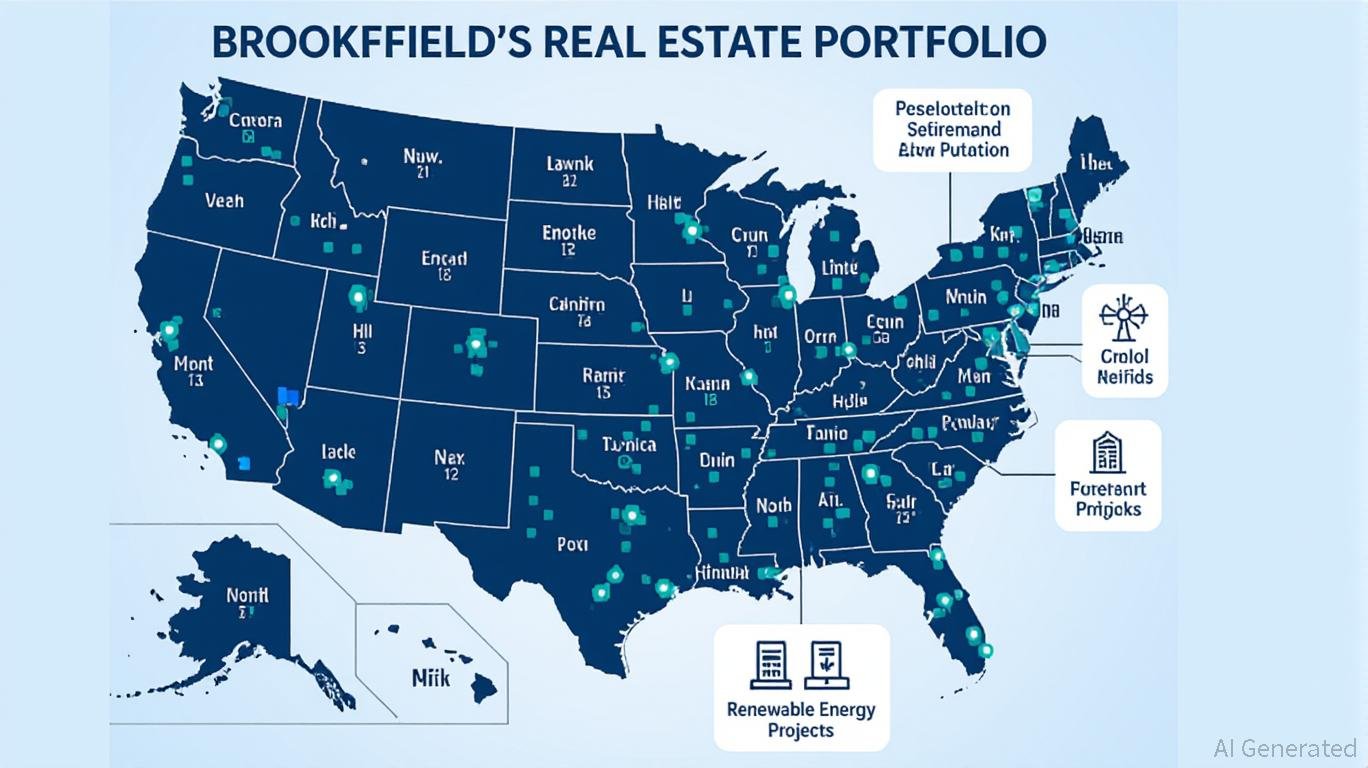
Brookfield Asset Management, one of the world’s largest alternative investment managers, is reportedly in advanced negotiations to acquire Yes! Communities, a major U.S. owner and operator of manufactured home communities. The deal, valued at over $10 billion, would mark one of the largest real estate transactions in the United States in recent years and underscores the growing investor interest in affordable housing solutions.
If completed, the acquisition would significantly expand Brookfield’s footprint in the manufactured housing sector — a space that has become increasingly attractive to institutional investors seeking stable, long-term returns.
Understanding Yes! Communities
Founded in 2007 and headquartered in Denver, Colorado, Yes! Communities owns and operates more than 300 manufactured housing communities across the Midwest, South, and Southeast regions of the United States. The company provides affordable housing options to more than 80,000 residents, often catering to working-class families, retirees, and individuals seeking cost-effective alternatives to traditional single-family homes or high-priced apartment rentals.
Manufactured homes (commonly known as “mobile homes”) are pre-built houses that are transported to leased lots within these communities. Residents typically own the home but pay monthly rent for the lot, along with community fees for amenities like clubhouses, playgrounds, and shared maintenance.
Yes! Communities has built a reputation for offering well-maintained neighborhoods, strong resident services, and relatively affordable housing compared to soaring homeownership costs in many U.S. cities.
Brookfield’s Strategic Play
Brookfield Asset Management manages over $900 billion in assets across real estate, infrastructure, renewable energy, and private equity. The firm is well-known for its contrarian investment approach, often acquiring undervalued or stable-yielding assets during market downturns or transitional periods.
This move into manufactured housing fits neatly into Brookfield’s strategy:
- Stable Cash Flows – Manufactured home communities have proven remarkably resilient, even during economic slowdowns. Residents are less likely to relocate due to the cost of moving a home, which means occupancy rates stay high and rent collections are reliable.
- Undersupplied Housing Market – The U.S. is facing an estimated shortage of more than 3.2 million housing units, according to the National Association of Realtors. Affordable housing is especially scarce, making Yes! Communities a critical player in solving this gap.
- Inflation-Protected Income – Lot rents can be adjusted annually, allowing Brookfield to keep up with inflation while still remaining affordable for residents.
- Long-Term Growth Potential – Unlike traditional apartment construction, zoning and development of new manufactured housing communities are limited, which keeps supply constrained and boosts the value of existing communities.
Market Context: Affordable Housing in High Demand
The potential $10B acquisition comes at a time when housing affordability is one of the top economic and political issues in the U.S. Mortgage rates, while slightly down from their 2023 highs, remain above 6%, and home prices have continued to rise in most regions. Renting a traditional apartment has also become more expensive, with rent growth outpacing wage growth for much of the past decade.
Manufactured housing offers a cost-effective solution. The average manufactured home costs around $125,000, far below the median price of a single-family home, which currently hovers near $420,000 nationally. Lot rents typically range from $400 to $700 per month, making the combined housing expense significantly cheaper than renting or owning in most markets.
Institutional Investors and Manufactured Housing
Brookfield is not alone in eyeing this sector. In the past decade, several large private equity firms and real estate investment trusts (REITs) — such as Equity LifeStyle Properties (ELS) and Sun Communities (SUI) — have expanded aggressively into manufactured housing.
The investment thesis is straightforward:
- Limited supply keeps occupancy high.
- Residents are “sticky,” leading to low turnover.
- Operating costs are lower than multifamily apartments.
- Land appreciation provides upside over time.
Critics, however, warn that consolidation by institutional investors can lead to rising lot rents, which may price out some of the very residents that manufactured housing is meant to serve. Regulatory scrutiny has increased in some states, with lawmakers pushing for rent-control measures or resident purchase opportunities to keep communities affordable.
Deal Structure and Financing
While exact details are not public, reports suggest that Brookfield is negotiating directly with GIC, Singapore’s sovereign wealth fund, which currently owns a controlling stake in Yes! Communities. GIC has been an active investor in U.S. real estate for years, but may be looking to recycle capital into other asset classes.
Brookfield is expected to use a mix of equity from its private real estate funds and debt financing to complete the transaction. The $10B price tag includes both the equity value of Yes! Communities and its existing debt obligations.
Implications for Residents
For current Yes! Communities residents, the acquisition may bring both opportunities and concerns. On one hand, Brookfield’s deep pockets could mean more investment in community improvements, better amenities, and professional management. On the other, there are worries that a new owner might raise lot rents to improve yields.
Brookfield will likely take a cautious approach to avoid backlash. In recent years, some large manufactured housing operators have faced lawsuits and public criticism over aggressive rent increases. Maintaining affordability while generating attractive returns will be a balancing act.
The Bigger Picture for the U.S. Housing Market
If the deal closes, it could signal a new wave of institutional interest in affordable housing solutions. Manufactured housing, once overlooked and stigmatized, is increasingly seen as a mainstream asset class capable of delivering both social impact and financial returns.
Moreover, it highlights a key trend: large investors are pivoting away from traditional office real estate (which has been struggling post-pandemic) and doubling down on residential sectors with strong fundamentals.
What to Watch Next
- Regulatory Response: Policymakers may examine whether consolidation affects rent affordability.
- Financing Terms: How Brookfield structures its debt in today’s interest rate environment will be closely watched.
- Resident Engagement: Will Brookfield commit to resident-friendly policies to maintain goodwill?
- Market Ripple Effects: Competitors like Sun Communities may seek acquisitions to keep pace, driving further consolidation.