

Summary
Builder floors—independent residential units within a low-rise building—are gaining attention among buyers seeking privacy, modern design, and urban convenience. Traditional single-family homes, however, still dominate the U.S. housing landscape due to land ownership and long-term value stability. This article examines the differences, advantages, costs, and lifestyle factors influencing buyer decisions across today’s evolving residential real estate market.
Understanding the Two Housing Models
The U.S. housing market has long been dominated by traditional single-family homes—standalone houses built on individually owned plots of land. According to the National Association of Realtors, single-family homes consistently represent the majority of home purchases across the United States.
In contrast, builder floors represent a housing concept more common in dense urban markets. A builder floor typically refers to one independent residential unit occupying an entire floor of a low-rise building, usually containing three to four floors total. Each floor functions as a separate home with its own entrance, utilities, and living space.
While the concept is widely recognized internationally, its closest equivalents in the United States are:
- Duplexes and triplexes
- Low-rise condominium units
- Townhouse-style floor ownership models
As cities become denser and land costs increase, housing models similar to builder floors are gaining interest among developers exploring efficient land use.
What Exactly Is a Builder Floor?
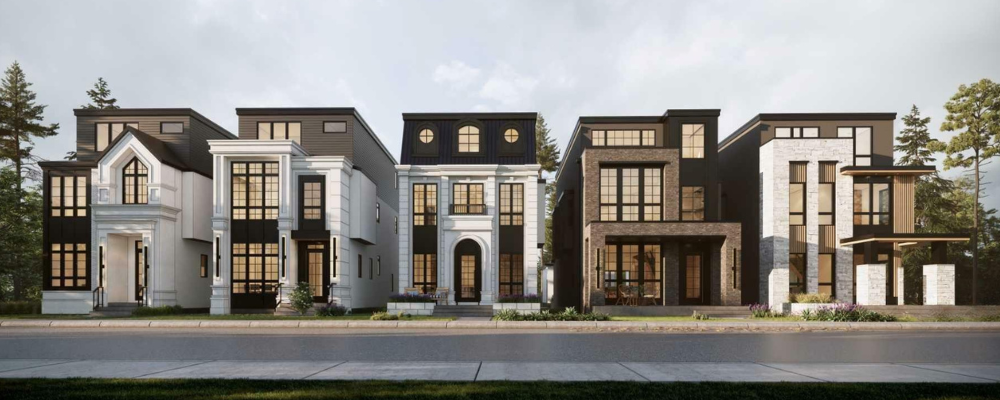
A builder floor typically emerges when a developer purchases a residential plot and constructs a multi-story building with one independent unit per floor.
Each homeowner owns:
- The interior living space of their floor
- Shared access areas such as stairways
- Limited or shared parking
- Partial land rights depending on the ownership structure
Unlike large condominium towers, builder floor buildings usually contain three to four units total, which keeps the scale relatively intimate.
Typical characteristics include:
- One residence per floor
- Separate entrances or stair access
- Private balconies or terraces
- Minimal shared amenities
- Smaller homeowners’ associations
Because there are fewer residents, the living environment often feels more private than large condo complexes.
Traditional Homes: The Long-Standing American Standard
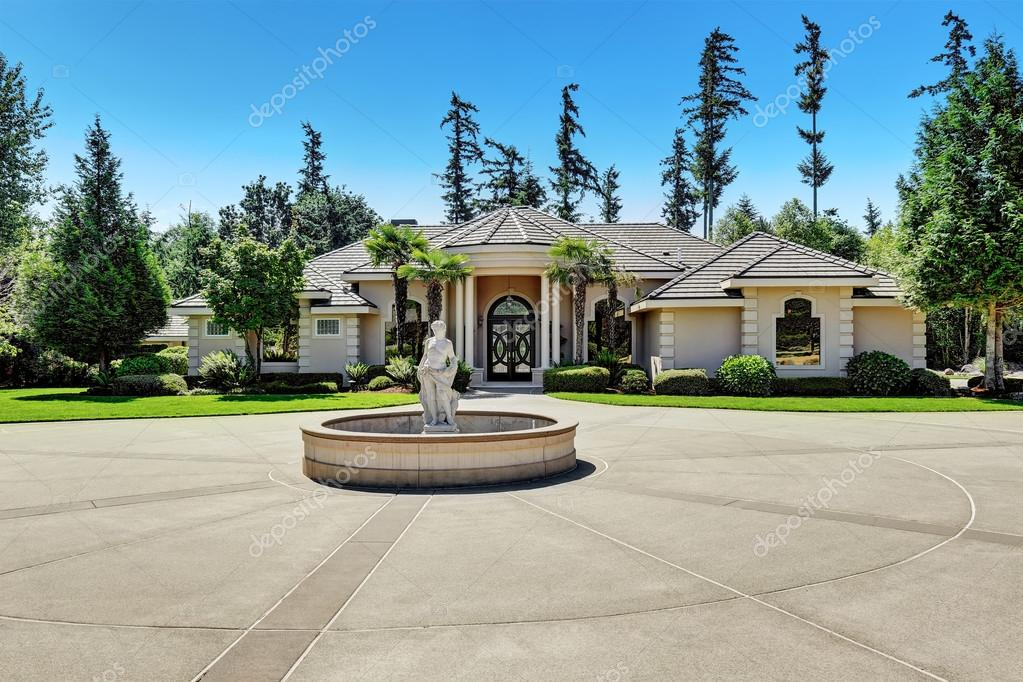
Traditional homes—often called single-family homes—remain the backbone of American housing.
These properties typically include:
- A private lot of land
- A detached house structure
- Exclusive yard space
- Independent utilities
- Full ownership of the property
According to housing data published by the U.S. Census Bureau, single-family housing starts still account for a significant share of new residential construction each year, reflecting strong buyer preference for standalone homes.
This housing model appeals to many buyers because it combines privacy, space, and long-term property control.
Why Builder-Style Floor Living Is Gaining Attention
Several trends are driving interest in builder-floor-type housing structures in dense urban environments.
Urban Land Scarcity
In cities where land prices are rising, developers often need to maximize usable living space on smaller plots.
Low-rise multi-unit homes allow:
- Multiple families to occupy a single parcel
- Reduced land costs per homeowner
- More housing supply in established neighborhoods
Privacy Compared to Large Condos
Unlike high-rise condominiums that may contain hundreds of units, builder floors typically include only a handful of residences.
This can offer:
- Fewer shared walls
- Less foot traffic
- A quieter living environment
Modern Customization
Because each unit is often sold during or shortly after construction, buyers may have opportunities to customize:
- Interior layouts
- Flooring and finishes
- Kitchen and bathroom designs
Lower Maintenance Burden
Compared with traditional homes, builder floors may involve:
- Less exterior maintenance
- Smaller yard responsibilities
- Shared structural upkeep
For urban professionals or smaller households, this balance between privacy and convenience can be appealing.
Advantages of Builder Floors
Builder floors offer several potential benefits for buyers seeking urban living with some independence.
Key advantages include:
- Greater privacy than large condominium complexes
- Modern construction and updated design layouts
- Lower land costs relative to standalone homes
- Reduced maintenance responsibilities
- Smaller residential communities
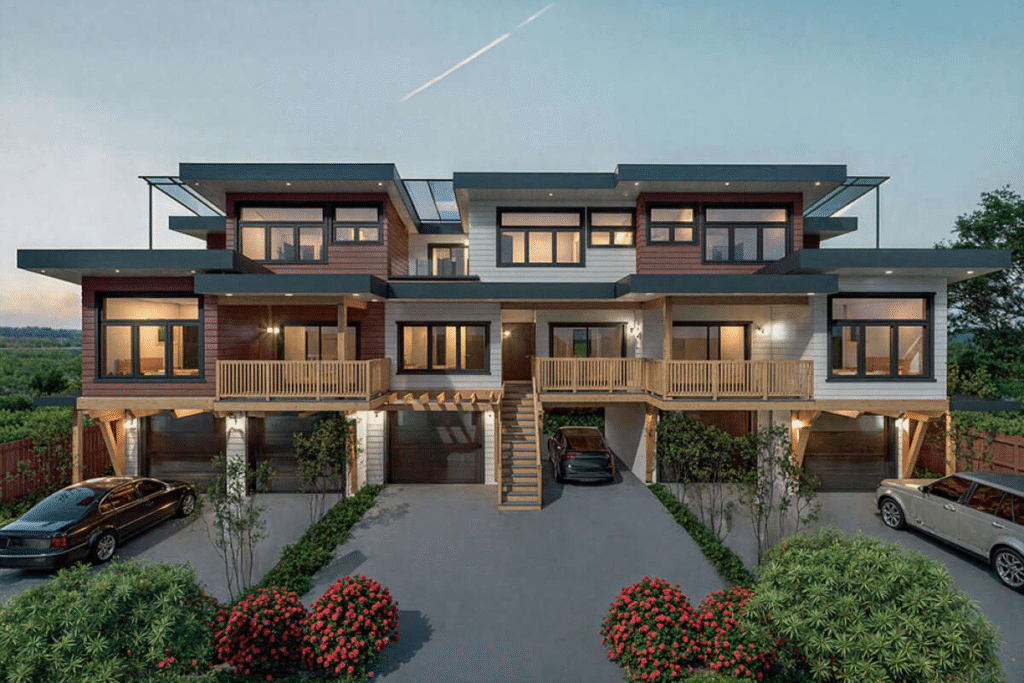
For example, in rapidly developing metropolitan neighborhoods where redevelopment replaces older houses, developers may construct three-story homes with one residence per floor. Buyers gain access to desirable locations without purchasing the entire property.
Advantages of Traditional Homes
Despite the emerging interest in builder-style housing, traditional homes maintain strong appeal.
Key benefits include:
- Full ownership of land and structure
- Greater flexibility for renovations or expansions
- Private outdoor space
- Higher long-term resale stability in many markets
- No shared structural decisions with neighbors
For families planning long-term residency, these factors often outweigh the cost savings of smaller housing structures.
In suburban areas, single-family homes also provide more space for children, pets, and recreational activities, which remains an important lifestyle consideration.
Cost Considerations
Cost plays a significant role in housing decisions.
Builder floors often cost less than purchasing an entire standalone house because land costs are distributed across multiple units.
However, several financial factors should be evaluated carefully.
Builder Floor Cost Factors
- Shared land ownership
- Limited parking availability
- Smaller resale market in some regions
- Possible homeowner association rules
Traditional Home Cost Factors
- Higher purchase price due to land ownership
- Maintenance responsibilities (roof, exterior, landscaping)
- Higher property taxes in some municipalities
- Larger renovation expenses
For example, a buyer choosing between a $550,000 duplex-style floor unit and a $750,000 single-family home must consider not only purchase price but also maintenance, insurance, and future resale demand.
Lifestyle Differences Buyers Should Consider
Housing choices are rarely based solely on financial factors. Lifestyle preferences also shape decisions.
Privacy Expectations
Builder floors offer moderate privacy, while standalone homes provide complete structural independence.
Outdoor Space
Traditional homes often include:
- Backyards
- Driveways
- Private landscaping
Builder floors may provide balconies or shared outdoor spaces instead.
Noise and Shared Areas
Although builder floors have fewer residents, neighbors still share:
- staircases
- parking
- building structure
Standalone homes eliminate most shared structural elements.
Community Environment
Some buyers prefer:
- quiet suburban neighborhoods
- detached homes with larger lots
Others prefer:
- walkable urban environments
- smaller residential communities
- proximity to workplaces and amenities
Which Option Is Gaining Ground?
In the United States, traditional single-family homes still dominate overall housing demand.
However, builder-floor-style developments are gaining traction in specific urban markets where land constraints are increasing.
The trend is particularly noticeable in:
- Redeveloped city neighborhoods
- Transit-oriented developments
- Smaller urban infill projects
- Townhouse and duplex communities
Developers are experimenting with low-rise multi-unit housing as a middle ground between large apartment buildings and detached homes.
Urban planners often call this housing type “missing middle housing”—a category that includes duplexes, triplexes, and small apartment buildings.
Cities such as Portland, Minneapolis, and Austin have introduced zoning reforms encouraging these housing models to increase density while maintaining neighborhood character.
Long-Term Investment Perspective
From an investment standpoint, both housing types offer advantages.
Traditional homes often provide stable long-term appreciation, particularly in suburban markets with strong school districts and community infrastructure.
Builder floors or similar multi-unit housing may offer lower entry costs and strong demand in urban areas, especially among young professionals or downsizing homeowners.
However, resale value can depend on:
- neighborhood demand
- property condition
- land ownership structure
- zoning regulations
Buyers considering either option should evaluate local housing trends rather than relying solely on national averages.
What Buyers Should Evaluate Before Choosing
Before deciding between a builder floor and a traditional home, buyers should consider several practical factors.
Important questions include:
- Is land ownership important for long-term value?
- How much privacy is required?
- Are outdoor spaces a priority?
- How much maintenance responsibility is acceptable?
- What housing models are common in the local market?
Working with experienced professionals such as licensed real estate agents, property inspectors, and real estate attorneys can help buyers understand the implications of different ownership structures.
Frequently Asked Questions
Are builder floors common in the United States?
They are less common than in some international markets but exist in forms such as duplexes, triplexes, and low-rise condominiums.
Is a builder floor the same as a condo?
Not exactly. Condos often involve larger buildings with shared amenities, while builder floors typically include only a few units with minimal shared facilities.
Do builder floors appreciate in value?
They can appreciate depending on location, demand, and land ownership structure, but resale markets may be smaller than for traditional homes.
Which option offers more privacy?
Traditional standalone homes offer the highest level of privacy since they do not share structural walls or common areas.
Are builder floors cheaper than houses?
Often yes, because land costs are shared among multiple homeowners.
Do builder floors have homeowner associations?
Many do, although the associations tend to be smaller and less complex than those in large condominium buildings.
Is maintenance easier in builder floors?
Maintenance responsibilities may be shared among residents, reducing individual upkeep compared with standalone homes.
Are builder floors good for first-time buyers?
They can be attractive for buyers seeking urban locations at a lower price point than single-family homes.
Can builder floors be rented out?
Rental policies depend on local regulations and homeowner association rules.
Which housing option is better for long-term living?
That depends on lifestyle needs, family size, and long-term financial goals.
A Housing Choice Shaped by Lifestyle and Location
Builder floors and traditional homes serve different needs within the housing market. Standalone houses continue to dominate American residential preferences due to land ownership and space. Yet smaller multi-unit structures are gaining attention in cities where land costs and housing shortages encourage creative development models.
Rather than replacing single-family homes, builder-floor-style housing is emerging as a complementary option, particularly in dense urban neighborhoods seeking additional housing supply without large apartment towers.
Key Points at a Glance
- Builder floors typically involve one independent residence per floor in a low-rise building
- Traditional homes offer full ownership of land and structure
- Builder floors may provide lower purchase costs in urban markets
- Single-family homes remain the dominant housing choice in the United States
- Urban zoning reforms are encouraging “missing middle” housing types
- Lifestyle priorities—privacy, outdoor space, and maintenance—often guide the final decision