

Summary
Cold storage facilities play a vital role in maintaining food safety, extending shelf life, and stabilizing supply chains across the United States. From farm harvests to grocery shelves, temperature-controlled infrastructure preserves perishable goods, reduces waste, and supports year-round availability. As consumer demand and global trade grow, modern refrigerated warehouses have become indispensable logistics hubs in the food economy.
Food rarely travels directly from farm to consumer. In most cases, it moves through a complex network of processors, transportation hubs, distribution centers, and retailers. Within this network, cold storage facilities quietly perform one of the most critical roles: preserving the safety, freshness, and value of perishable food products.
Without temperature-controlled storage, the modern food system would struggle to function. Fresh meat, dairy, seafood, produce, frozen meals, and pharmaceuticals all depend on strict temperature management to maintain quality and safety. In the United States alone, millions of tons of food move through refrigerated warehouses every year.
According to the Global Cold Chain Alliance, the U.S. cold storage industry now operates more than 3 billion cubic feet of refrigerated warehouse space, supporting agriculture, food processing, grocery retail, and international trade. As demand for fresh and frozen products grows, these facilities have become foundational infrastructure for the modern food supply chain.
What Is a Cold Storage Facility?
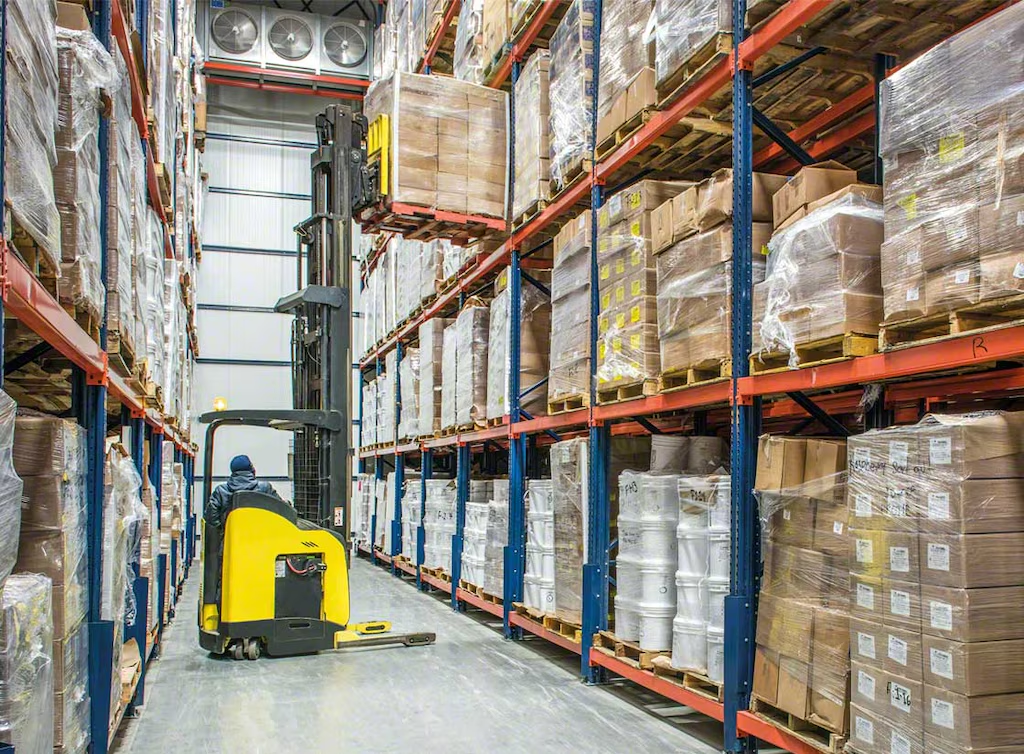
A cold storage facility is a specialized warehouse designed to store perishable goods at controlled temperatures. These facilities maintain precise environments using industrial refrigeration systems that regulate temperature, humidity, and airflow.
Depending on the product, storage environments may include:
- Refrigerated storage (32–50°F) for fresh produce, dairy, and beverages
- Frozen storage (-10–0°F) for meat, seafood, and frozen foods
- Blast freezing systems that rapidly freeze products to preserve texture and nutrients
- Controlled atmosphere rooms for fruits like apples and pears
Unlike standard warehouses, cold storage buildings require heavy insulation, specialized flooring, redundant refrigeration equipment, and constant monitoring to ensure temperature stability.
Even small temperature fluctuations can compromise food safety, shorten shelf life, or trigger regulatory compliance issues.
Why Cold Storage Is Essential for the Food Supply Chain
Cold storage infrastructure allows the food system to operate at a scale and efficiency that would otherwise be impossible.
Perishable foods degrade quickly when exposed to heat or temperature fluctuations. Refrigeration slows microbial growth, enzymatic reactions, and chemical changes that cause spoilage.
For many products, refrigeration extends shelf life dramatically:
- Fresh poultry: 1–2 days unrefrigerated vs. 1–2 weeks refrigerated
- Fresh fish: hours vs. several days
- Milk: less than a day unrefrigerated vs. weeks under refrigeration
- Frozen foods: months to years when properly stored
This extended shelf life allows producers, distributors, and retailers to move food safely across long distances.
Consider a typical example:
Fresh strawberries harvested in California’s Central Valley may travel thousands of miles to grocery stores in Chicago, Dallas, or New York. Along the way, they pass through refrigerated transport trucks, cross-docking facilities, and distribution centers before reaching retailers.
Without temperature-controlled storage at each stage, spoilage rates would skyrocket.
The Growing Demand for Refrigerated Warehousing
Several major trends are driving rapid growth in cold storage capacity across the United States.
First, consumer demand for fresh and frozen foods has increased significantly. Ready-to-cook meals, frozen vegetables, plant-based alternatives, and premium seafood all require temperature-controlled storage.
Second, e-commerce grocery delivery has created new distribution challenges. Companies like Instacart, Walmart, and Amazon Fresh rely heavily on refrigerated warehouses near urban populations.
Third, global food trade continues to expand. Imported seafood, fruit, and meat often pass through refrigerated port warehouses before entering domestic distribution networks.
According to IBISWorld, the U.S. refrigerated warehousing and storage industry generates over $10 billion in annual revenue, and capacity shortages have become common in key logistics regions.
As a result, developers and logistics companies are investing heavily in new cold storage construction.
Key Types of Cold Storage Facilities
Not all cold storage facilities operate the same way. Different models serve different segments of the food industry.
Public Refrigerated Warehouses
These facilities provide storage services for multiple clients. Food producers, distributors, and retailers rent space based on pallet count or cubic footage.
Public warehouses are often located near:
- Major ports
- Rail terminals
- Agricultural production regions
- Urban distribution centers
They function as shared logistics hubs for many businesses.
Private Cold Storage Facilities
Some large food companies operate their own refrigerated warehouses.
Examples include:
- Meat processors
- Frozen food manufacturers
- Dairy cooperatives
- National grocery chains
Private facilities allow companies to control inventory management, product handling, and distribution efficiency.
Automated Cold Storage Facilities
Modern warehouses increasingly use automation and robotics to operate in extremely cold environments.
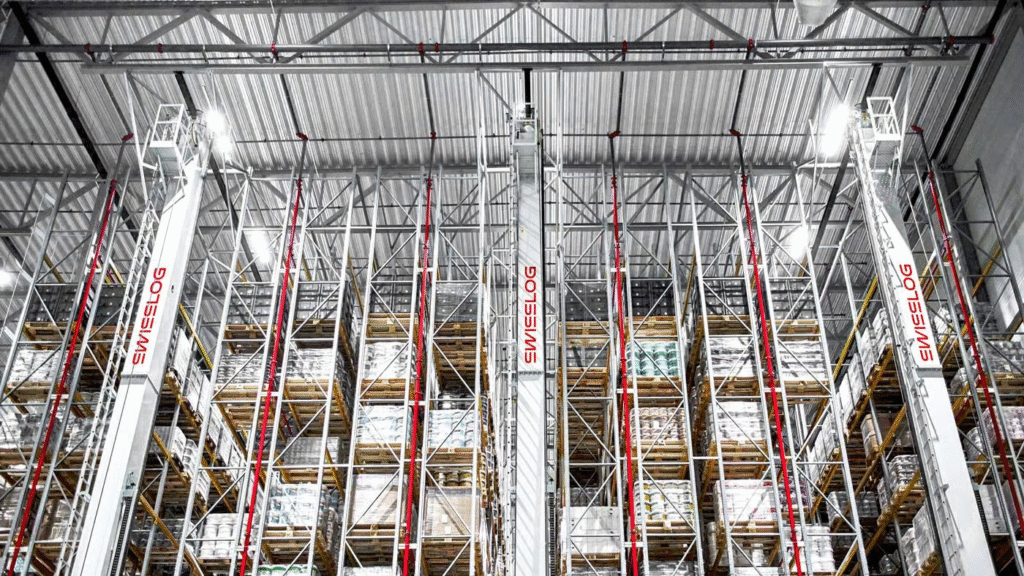
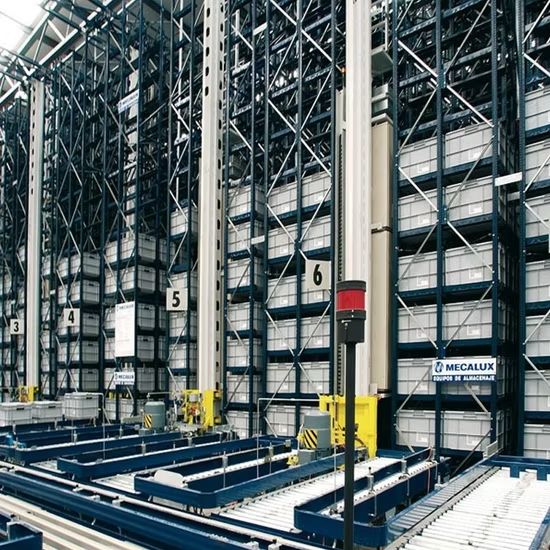
Automated storage and retrieval systems (AS/RS) can:
- Move pallets using robotic cranes
- Reduce labor requirements
- Improve inventory accuracy
- Increase storage density
Because human workers face safety and productivity challenges in sub-zero environments, automation is becoming a common solution.
How Cold Storage Protects Food Safety
Food safety is one of the primary reasons cold storage exists.
Bacteria multiply rapidly at temperatures between 40°F and 140°F, known as the “danger zone.” Proper refrigeration keeps food below this range, slowing microbial growth and reducing the risk of foodborne illness.
Cold storage facilities support food safety by maintaining:
- Continuous temperature monitoring
- Alarm systems for equipment failures
- Backup power generators
- Strict sanitation procedures
- Regulatory compliance with FDA and USDA standards
Facilities storing meat and poultry must meet strict inspection requirements under the U.S. Department of Agriculture (USDA).
Many warehouses also follow Hazard Analysis and Critical Control Points (HACCP) protocols, identifying points in the supply chain where contamination risks must be controlled.
Technology Transforming Modern Cold Storage
Cold storage operations today look very different from the warehouses built decades ago.
Advanced technologies are improving efficiency, safety, and sustainability.
Key innovations include:
- IoT temperature sensors that provide real-time monitoring across facilities
- Automated pallet handling systems
- AI-driven inventory forecasting
- Energy-efficient refrigeration compressors
- Solar power integration for high-energy facilities
- Predictive maintenance systems for refrigeration equipment
These technologies help operators reduce costs while maintaining strict temperature standards.
Energy efficiency is especially important because refrigeration systems consume enormous amounts of electricity.
According to the U.S. Department of Energy, refrigeration can account for 60–70% of total energy use in a typical cold storage warehouse.
Cold Storage and Food Waste Reduction
One of the most important benefits of refrigerated logistics is reducing food waste.
The United States wastes roughly 30–40% of its food supply, according to the USDA. A large portion of that waste occurs because food spoils before reaching consumers.
Cold storage extends shelf life and allows producers to better match supply with demand.
For example:
- Farmers can store produce longer before shipping
- Retailers can manage inventory more effectively
- Seasonal harvests can be distributed over time
Frozen storage also enables food processors to preserve surplus production rather than discarding it.
In this way, cold chain infrastructure plays a direct role in improving food system efficiency.
Challenges Facing the Cold Storage Industry
Despite its importance, the cold storage industry faces several operational challenges.
High Construction Costs
Cold storage warehouses are significantly more expensive to build than conventional warehouses.
Additional costs include:
- Insulated wall panels
- Heavy refrigeration systems
- Specialized flooring and vapor barriers
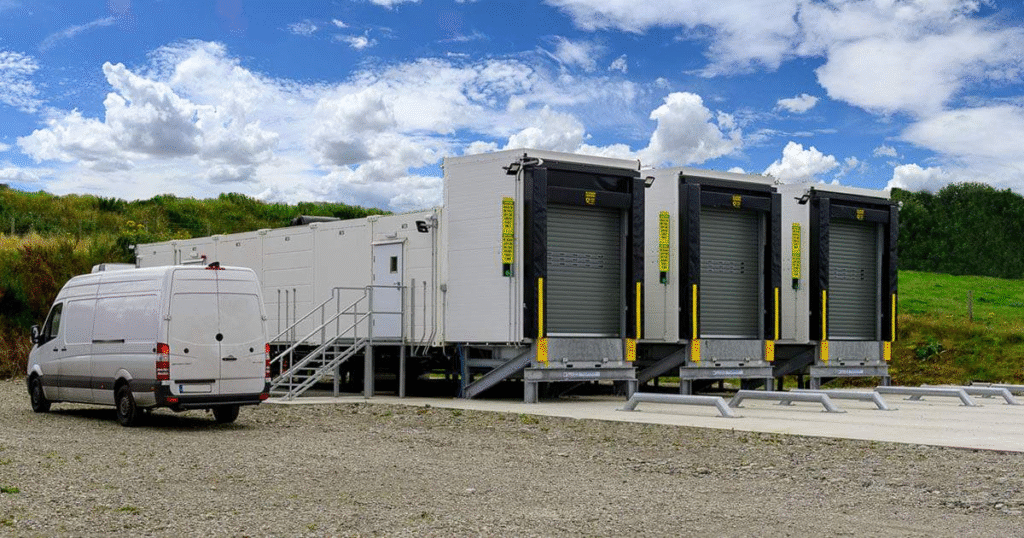
- Temperature-controlled loading docks
These features can make cold storage construction 2–3 times more expensive per square foot than traditional logistics facilities.
Energy Consumption
Cold storage facilities operate refrigeration systems continuously. Energy costs represent a major operating expense.
Rising electricity prices and sustainability goals are pushing operators toward energy-efficient technologies.
Labor Shortages
Working in sub-freezing environments is physically demanding. As a result, warehouses often struggle to recruit and retain workers.
Automation and robotics are increasingly used to address this challenge.
Supply Chain Disruptions
Events such as the COVID-19 pandemic, port congestion, and transportation shortages revealed vulnerabilities in cold chain logistics.
When refrigerated capacity becomes constrained, food distribution bottlenecks can quickly develop.
The Future of Cold Storage Infrastructure
Demand for refrigerated warehousing is expected to grow steadily over the next decade.
Several trends will shape the future of the industry:
- Expansion of regional cold storage hubs near major cities
- Growth of micro-fulfillment centers for grocery delivery
- Increased adoption of automated storage systems
- Stronger integration with digital supply chain platforms
- Greater investment in energy-efficient refrigeration technology
Cold storage is also becoming more important for industries beyond food, including pharmaceuticals, biotechnology, and vaccine distribution.
As supply chains become more global and consumer expectations for freshness increase, temperature-controlled logistics will remain a central pillar of modern infrastructure.
Frequently Asked Questions
What temperature is typically used in cold storage warehouses?
Most refrigerated warehouses operate between 32°F and 40°F, while frozen storage areas typically range from -10°F to 0°F, depending on the product being stored.
What foods require cold storage?
Common products include meat, seafood, dairy products, fresh produce, frozen meals, baked goods, and certain beverages.
How long can food stay in cold storage?
Shelf life varies by product. Fresh produce may last days or weeks, while properly frozen foods can remain safe for months or even years.
Are cold storage facilities regulated?
Yes. Facilities storing food products must comply with regulations from agencies such as the FDA, USDA, and state health departments.
What is the cold chain?
The cold chain refers to the temperature-controlled supply chain that moves perishable goods from production to final consumption.
Why is automation used in cold storage warehouses?
Automation reduces labor exposure to extreme cold, increases storage density, and improves operational efficiency.
How expensive is cold storage construction?
Cold storage facilities can cost $250–$350 per square foot or more, significantly higher than standard warehouses.
Where are most U.S. cold storage warehouses located?
Major clusters exist near California agricultural regions, Midwest food processing hubs, Gulf Coast ports, and large metropolitan distribution areas.
What happens if refrigeration fails in a cold storage facility?
Facilities typically use backup generators, redundant refrigeration systems, and alarm monitoring to prevent temperature excursions.
How does cold storage reduce food waste?
By slowing spoilage and extending shelf life, cold storage allows food to be transported longer distances and stored until demand exists.
Safeguarding Freshness from Farm to Table
Cold storage facilities rarely receive public attention, yet they support nearly every part of the modern food economy. From produce harvested thousands of miles away to frozen meals stocked in neighborhood grocery stores, refrigerated infrastructure ensures food remains safe, accessible, and reliable.
As consumer expectations for freshness grow and supply chains expand, investment in cold storage will continue to shape how food moves across the United States.
Quick Insights at a Glance
- Cold storage preserves food safety by controlling temperature and humidity
- The U.S. cold storage industry operates billions of cubic feet of refrigerated space
- Refrigeration dramatically extends shelf life for perishable foods
- Automation and IoT technology are transforming warehouse operations
- Cold chain infrastructure plays a key role in reducing food waste