

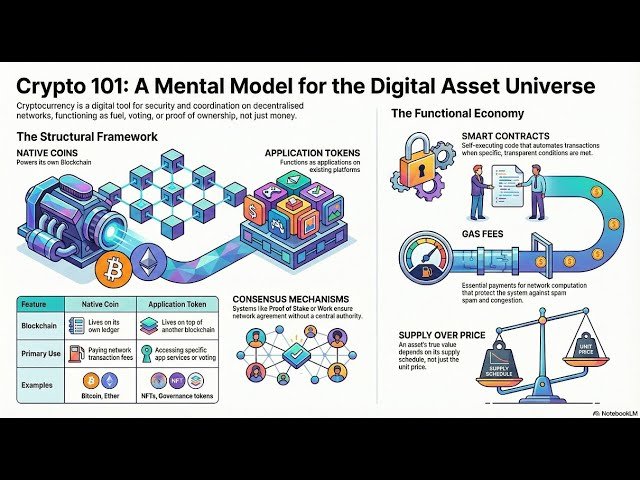
Digital assets are expanding far beyond cryptocurrencies. Blockchain technology now enables ownership of real-world assets, digital property, financial instruments, and intellectual rights through secure digital records. For U.S. investors and businesses, understanding how blockchain-based ownership works is increasingly important as tokenization, digital securities, and decentralized infrastructure reshape how assets are issued, transferred, and verified.
Understanding the Broader Meaning of Digital Assets
For many Americans, the phrase “digital assets” still immediately brings to mind cryptocurrencies like Bitcoin or Ethereum. While these digital currencies remain the most widely recognized examples, the concept of digital assets has expanded considerably.
Today, a digital asset can represent ownership of a wide range of items—from financial instruments to intellectual property rights. What makes these assets unique is that ownership is recorded electronically and often secured through blockchain technology.
Blockchain systems function as distributed ledgers that maintain a permanent record of transactions. Instead of relying on a single centralized authority, these ledgers are maintained across networks of computers. This structure helps ensure that ownership records are transparent, verifiable, and resistant to tampering.
As blockchain adoption grows, industries ranging from finance to real estate are exploring how digital assets can modernize traditional systems of ownership.
Why Blockchain Matters for Ownership Records
Traditional ownership systems rely heavily on centralized databases. Banks maintain financial records, government agencies track property titles, and corporations manage shareholder registries.
Blockchain introduces a different approach.
Because records are stored across a distributed network, ownership data can be verified without depending on a single authority. Each transaction becomes part of an immutable chain of records.
Key advantages of blockchain-based ownership systems include:
- Transparent transaction histories
- Reduced reliance on intermediaries
- Faster settlement of transactions
- Programmable contracts that automate transfers
- Greater accessibility for global participants
These characteristics have made blockchain technology appealing to companies seeking more efficient ways to manage complex ownership structures.
Moving Beyond Cryptocurrency
Cryptocurrencies were the first widely adopted digital assets, but they represent only one part of a much larger ecosystem.
Today’s blockchain-based asset landscape includes:
- Tokenized real estate
- Digital securities
- Intellectual property tokens
- Non-fungible tokens (NFTs)
- Supply chain ownership records
- Digital identity credentials
- Stablecoins linked to traditional currencies
Many of these assets operate using smart contracts on networks such as Ethereum, which allow transactions and ownership transfers to occur automatically once specific conditions are met.
This programmable infrastructure is enabling entirely new financial and legal frameworks for ownership.
Tokenization: Turning Real-World Assets Into Digital Assets
One of the most important developments in digital asset markets is tokenization.
Tokenization refers to the process of converting ownership rights of a real-world asset into digital tokens recorded on a blockchain. These tokens represent fractional ownership or rights associated with the asset.
For example, a commercial property valued at $20 million could theoretically be divided into thousands of digital tokens, each representing a small share of ownership.
Tokenization has several potential advantages:
- Lower investment barriers through fractional ownership
- Improved liquidity for traditionally illiquid assets
- Faster transaction settlement
- Transparent ownership records
Companies and financial institutions are increasingly exploring tokenization as a way to modernize asset markets.
Real Estate as a Leading Example
Real estate is often cited as one of the industries most likely to benefit from blockchain-based ownership systems.
Property transactions in the United States can involve multiple intermediaries—title companies, banks, escrow services, and local government registries. This process can take weeks to complete.
Blockchain-based property records could streamline this process by maintaining a digital record of ownership that updates automatically when transactions occur.
In tokenized real estate models, investors may be able to purchase fractional shares of properties, giving them exposure to real estate without needing to buy entire buildings.
While regulatory frameworks continue to evolve, many analysts believe tokenized real estate could expand access to property investment over time.
Digital Securities and Capital Markets
Another area where blockchain-based ownership is gaining attention is the issuance of digital securities.
Digital securities represent shares, bonds, or other financial instruments recorded on blockchain systems rather than traditional databases.
These instruments may offer several operational improvements:
- Automated compliance through smart contracts
- Faster clearing and settlement
- Reduced administrative costs
- Improved transparency for regulators and investors
The U.S. Securities and Exchange Commission continues to evaluate how existing securities laws apply to digital assets, particularly those that function as investment contracts.
As regulatory clarity improves, digital securities could play a larger role in capital markets.
The Role of Stablecoins in Digital Asset Ecosystems
Stablecoins represent another key category of blockchain-based digital assets. Unlike cryptocurrencies with highly variable prices, stablecoins are designed to maintain stable value by being linked to reserve assets such as the U.S. dollar.
Stablecoins serve several practical functions:
- Facilitating digital payments
- Enabling blockchain-based trading platforms
- Supporting decentralized financial services
- Acting as digital equivalents of cash
Because of their growing importance, regulators including the U.S. Department of the Treasury have studied how stablecoins should be governed within the broader financial system.
Practical Examples of Blockchain-Based Ownership
While some blockchain applications remain experimental, several practical use cases are already emerging.
These include:
Supply Chain Tracking
Companies use blockchain systems to verify the origin and ownership of goods throughout supply chains.
Intellectual Property Rights
Artists and creators can issue digital tokens representing ownership or licensing rights for creative works.
Digital Collectibles
Unique digital assets allow individuals to verify ownership of digital artwork or media.
Cross-Border Payments
Blockchain networks enable faster international transactions compared to traditional banking systems.
Each of these examples illustrates how blockchain-based ownership systems can simplify processes that previously required extensive documentation and intermediaries.
Regulatory Oversight in the United States
Digital assets operate within an evolving regulatory environment in the United States.
Several federal agencies play roles in oversight:
- U.S. Securities and Exchange Commission oversees digital securities
- Commodity Futures Trading Commission regulates certain digital commodities
- Financial Crimes Enforcement Network enforces anti-money-laundering requirements
- Internal Revenue Service provides tax guidance
The goal of these regulatory efforts is to protect investors while allowing technological innovation to develop responsibly.
For investors and businesses, staying informed about regulatory developments is an important part of navigating the digital asset ecosystem.
Challenges That Still Need to Be Addressed
Despite the promise of blockchain-based ownership systems, several challenges remain.
Some of the most commonly discussed issues include:
- Regulatory uncertainty in emerging asset categories
- Cybersecurity risks related to digital wallets
- Limited scalability of some blockchain networks
- Complexity for average users unfamiliar with blockchain technology
In addition, integrating blockchain systems with existing financial infrastructure remains a gradual process.
These challenges suggest that digital assets will likely evolve over many years rather than replacing traditional systems overnight.
Frequently Asked Questions
What are digital assets?
Digital assets are electronically stored items that represent value or ownership, often secured using blockchain technology.
Are cryptocurrencies the only type of digital asset?
No. Digital assets also include tokenized real estate, digital securities, NFTs, stablecoins, and other blockchain-based ownership records.
What is blockchain-based ownership?
Blockchain-based ownership refers to using distributed ledger technology to record and verify ownership of assets digitally.
What is tokenization?
Tokenization is the process of converting ownership rights of an asset into digital tokens stored on a blockchain.
Are digital assets regulated in the United States?
Yes. Various agencies—including the U.S. Securities and Exchange Commission—oversee different aspects of the digital asset market.
Can digital assets represent physical property?
Yes. Through tokenization, real estate, commodities, and other tangible assets can be represented digitally.
Are digital assets secure?
Blockchain technology is generally secure, but investors must protect private keys and use reputable platforms.
How are digital assets taxed?
The Internal Revenue Service typically treats many digital assets as property, meaning capital gains taxes may apply.
Why are businesses exploring blockchain ownership systems?
Businesses see potential benefits in efficiency, transparency, and reduced reliance on intermediaries.
Will blockchain replace traditional financial systems?
Most experts expect blockchain to complement existing systems rather than fully replace them.
The Expanding Concept of Digital Ownership
Digital assets represent more than a new investment category—they represent a shift in how ownership can be recorded and transferred in a digital economy.
From tokenized real estate to blockchain-based securities, these systems are gradually redefining the infrastructure behind asset markets. For businesses, investors, and policymakers, understanding these developments is increasingly important.
While the technology continues to evolve, the broader trend is clear: ownership itself is becoming more digital, more programmable, and potentially more accessible.
When Ownership Becomes Programmable
The most transformative aspect of blockchain-based assets may be their programmability. Smart contracts allow ownership rights, payments, and transfers to be embedded directly into digital systems.
This capability could streamline complex financial processes, reduce administrative costs, and expand access to new investment opportunities.
However, technological innovation must continue alongside regulatory oversight and investor education. Responsible adoption will likely depend on maintaining trust, security, and transparency within digital asset ecosystems.
Key Insights on Blockchain-Based Ownership
- Digital assets now extend far beyond cryptocurrencies.
- Blockchain provides a decentralized method for verifying ownership.
- Tokenization allows real-world assets to be represented digitally.
- Real estate and financial securities are leading tokenization use cases.
- Stablecoins play an important role in blockchain-based finance.
- Regulatory frameworks in the U.S. continue evolving.
- Security and education remain essential for responsible participation.
- Blockchain ownership systems may complement traditional markets.