

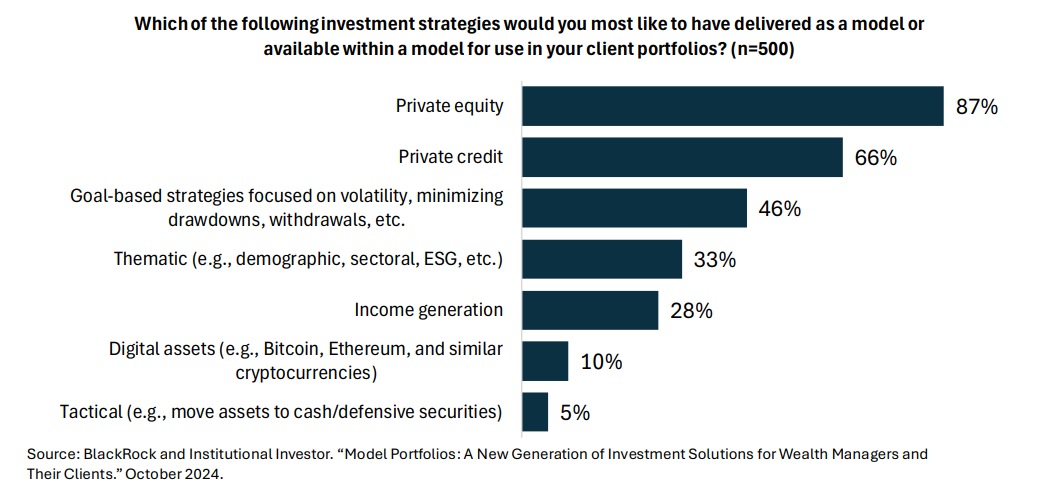
Financial advisors are cautiously integrating digital assets into retirement portfolios as client interest grows and regulatory clarity improves. While volatility and regulatory complexity remain concerns, some advisors view limited crypto exposure as a diversification tool. Understanding risk tolerance, custody options, tax treatment, and long-term portfolio construction principles is essential before incorporating digital assets into retirement planning strategies.
Why Retirement Investors Are Asking About Digital Assets
Over the past several years, digital assets have moved from speculative niche investments to a recognized asset class discussed in mainstream financial planning. Clients nearing retirement—and younger savers building long-term portfolios—are increasingly asking advisors:
- Should I hold Bitcoin in my IRA?
- Is crypto appropriate for a retirement portfolio?
- How much exposure is reasonable?
- Are digital assets too volatile for long-term planning?
Advisors are responding with measured analysis rather than enthusiasm or dismissal.
According to surveys conducted by financial industry groups such as the CFA Institute and major asset managers, a growing percentage of institutional and retail investors now view digital assets as part of the broader investment conversation. Meanwhile, the approval of U.S.-listed spot crypto exchange-traded products has made exposure more accessible within traditional brokerage accounts.
The question is no longer whether clients are interested. It is how advisors can approach the asset class responsibly.
The Core Challenge: Volatility Versus Long-Term Horizon
Retirement planning is built around stability, income generation, and long-term growth. Digital assets, particularly cryptocurrencies like Bitcoin and Ethereum, are historically volatile.
Retirement portfolios typically emphasize:
- Diversification across asset classes
- Risk-adjusted returns
- Income sustainability
- Capital preservation near retirement
Digital assets do not naturally fit the income or capital preservation categories. They do not generate dividends (in most cases) and have experienced price swings exceeding 50% within single calendar years.
However, some advisors argue that volatility must be evaluated within a broader context. Over long time horizons, certain digital assets have delivered high returns relative to traditional asset classes. The debate centers on whether small allocations can improve overall portfolio efficiency.
How Advisors Are Structuring Exposure
Most fiduciary advisors who incorporate digital assets into retirement portfolios follow several guardrails:
1. Limited Allocation
Exposure is typically capped between 1% and 5% of total portfolio value. This ensures volatility does not materially jeopardize retirement outcomes.
2. Long-Term Investment Thesis
Advisors emphasize that digital assets, if included, are held as long-term strategic allocations rather than trading vehicles.
3. Diversification Discipline
Crypto exposure does not replace core holdings like equities or bonds; it supplements them.
4. Rebalancing Strategy
Volatility may require disciplined rebalancing to prevent digital assets from becoming outsized positions during bull markets.
This structured approach reflects risk management—not speculation.
Tax Considerations in Retirement Accounts
One reason retirement accounts are frequently discussed in crypto planning is tax efficiency.
In taxable brokerage accounts, digital asset sales may trigger capital gains taxes. In contrast:
- Traditional IRAs allow tax-deferred growth.
- Roth IRAs allow tax-free qualified withdrawals.
- 401(k) plans may offer limited crypto options depending on plan sponsor policies.
However, advisors caution that crypto-specific retirement platforms may involve higher fees and additional custodial risks.
Additionally, self-directed IRAs that hold digital assets require careful compliance with IRS rules. Prohibited transactions can invalidate tax advantages.
Understanding the tax structure is as important as understanding the asset itself.
Custody and Security in Retirement Planning
Security becomes even more critical in retirement accounts, where investors often hold assets for decades.
Advisors evaluate:
- Whether assets are held with qualified custodians
- Insurance policies and limits
- Cold storage practices
- Regulatory oversight
- Transparency in reporting
Retirement savers cannot afford operational risk that threatens long-term security.
Unlike traditional brokerage assets covered under SIPC (Securities Investor Protection Corporation), crypto assets may not receive equivalent protections. Investors must carefully review account agreements.
Fiduciary Duty and Suitability
Advisors operating under fiduciary standards must act in clients’ best interests. This has influenced how digital assets are integrated into retirement portfolios.
Key suitability considerations include:
- Client age
- Risk tolerance
- Liquidity needs
- Time horizon
- Income requirements
- Overall financial stability
For a 30-year-old contributing to a Roth IRA, a small digital asset allocation may represent growth potential within a diversified portfolio. For a 65-year-old drawing income, volatility risk carries greater consequences.
Digital assets are not universally appropriate. Advisors emphasize personalization.
What Does the Research Say About Diversification?
Academic research on digital assets is still evolving. Some studies suggest low historical correlation between Bitcoin and traditional asset classes, which could theoretically improve diversification.
However, correlation patterns have shifted during periods of market stress. At times, digital assets have moved more closely with equities, particularly technology stocks.
This evolving correlation dynamic means advisors must continuously reassess assumptions rather than relying on static models.
Portfolio theory applies—but inputs must be updated regularly.
Behavioral Finance Considerations
Retirement planning is not just mathematical; it is psychological.
Digital asset volatility can trigger emotional responses that undermine long-term planning. Advisors report that clients who allocate modestly and understand risk parameters are less likely to panic during market downturns.
Clear communication is essential:
- What is the purpose of the allocation?
- What is the acceptable loss range?
- How does it fit into retirement income modeling?
When expectations are aligned, volatility becomes manageable.
Regulatory Developments and Access Expansion
The introduction of regulated exchange-traded crypto products in the United States has changed the accessibility landscape. Investors can now gain exposure through familiar brokerage platforms rather than specialized crypto exchanges.
This development has reduced some operational risks, though market risk remains.
Plan sponsors for employer-sponsored retirement plans are still navigating regulatory guidance regarding offering crypto options. Advisors monitor these developments carefully before recommending inclusion.
Practical Example: A Balanced Allocation Strategy
Consider a hypothetical 45-year-old investor with:
- $600,000 in retirement savings
- 20 years until retirement
- Moderate risk tolerance
An advisor might allocate:
- 60% equities
- 30% fixed income
- 5% alternatives (including real assets)
- 5% digital assets
In this structure, digital assets represent a growth-oriented satellite allocation. If the allocation doubles, rebalancing captures gains. If it declines significantly, overall portfolio damage is limited.
This disciplined framework contrasts sharply with concentrated speculative positions.
Risk Factors Retirement Investors Must Understand
Digital assets carry unique risks, including:
- Regulatory shifts
- Technological vulnerabilities
- Custody risks
- Market liquidity fluctuations
- Valuation uncertainty
Unlike established asset classes with decades of historical data, digital assets operate within evolving regulatory and technological frameworks.
Retirement investors should approach exposure as experimental within a controlled environment—not foundational.
Frequently Asked Questions
1. Is cryptocurrency safe for retirement accounts?
It depends on allocation size, custody structure, and risk tolerance. It is generally considered high risk.
2. How much crypto should be in a retirement portfolio?
Many advisors recommend limiting exposure to 1%–5%.
3. Can I hold Bitcoin in an IRA?
Yes, through certain custodians or ETFs, depending on account type.
4. Are crypto ETFs safer than holding coins directly?
They may reduce custody risk but still carry market risk.
5. Do digital assets produce retirement income?
Most cryptocurrencies do not generate income like bonds or dividend stocks.
6. What happens if regulations change?
Regulatory shifts could affect access, taxation, or valuation.
7. Should retirees avoid crypto entirely?
Those relying on steady withdrawals may prefer minimal or no exposure.
8. Is crypto correlated with stocks?
Correlation varies over time and may increase during market stress.
9. Are fees higher for crypto retirement accounts?
Often yes, especially with specialized custodians.
10. What is the biggest risk?
Volatility combined with long-term uncertainty.
A Maturing Conversation, Not a Speculative Trend
The integration of digital assets into retirement planning reflects broader market evolution. Advisors are not replacing traditional financial planning principles—they are adapting them.
Diversification, risk management, tax efficiency, and fiduciary responsibility remain central. Digital assets are evaluated within those frameworks, not outside them.
The conversation has shifted from “Should I buy crypto?” to “How does this fit within a retirement strategy?”
That is a meaningful distinction.
Planning for Longevity in an Era of Financial Innovation
Retirement portfolios must endure decades of market cycles. New asset classes inevitably emerge, but enduring principles remain constant.
Digital assets may play a role in certain retirement strategies, particularly for investors with long time horizons and moderate risk tolerance. However, infrastructure, regulation, custody safeguards, and disciplined allocation policies must guide decisions.
Retirement security is built on prudence—not enthusiasm.
Portfolio Signals Worth Monitoring
- Allocation discipline remains intact
- Volatility is contained within risk tolerance
- Custody arrangements are transparent
- Fees are justified relative to exposure
- Rebalancing rules are followed
- Regulatory developments are tracked
- Long-term income projections remain stable