

Summary
Farmhouses are experiencing renewed interest in the United States as buyers seek weekend retreats, lifestyle flexibility, and proximity to nature. Modern rural properties now combine traditional charm with updated amenities, remote-work capabilities, and investment potential. This article explores why farmhouses are gaining popularity, how rural real estate markets are evolving, and what buyers should consider before purchasing countryside property.
The Quiet Comeback of the American Farmhouse
For much of the 20th century, farmhouses were associated primarily with agricultural livelihoods. Today, they are being rediscovered as lifestyle properties. Across the United States, buyers are showing renewed interest in rural homes that provide space, privacy, and a slower pace of life—especially for weekend living.
This trend accelerated during the COVID-19 pandemic but has persisted well beyond it. Many Americans discovered that remote or hybrid work allowed them to spend more time outside dense urban environments. Farmhouses—once viewed as purely functional homes—are now considered desirable second homes or even primary residences.
According to the U.S. Department of Agriculture, rural counties experienced population growth in several regions between 2020 and 2023 as people relocated for affordability and lifestyle reasons. At the same time, the National Association of Realtors (NAR) has reported increasing interest in properties with acreage, outdoor space, and flexible land use.
Farmhouses offer exactly that combination.
Why Weekend Living in Rural Areas Is Growing
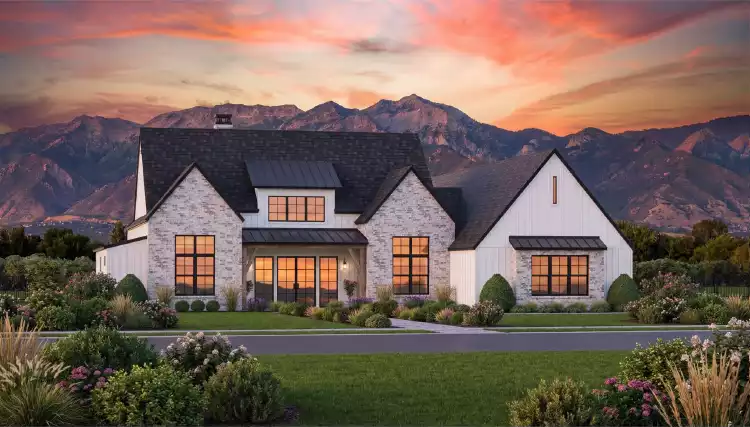
The modern farmhouse buyer is rarely a traditional farmer. More often, the buyer is a professional family from a nearby city looking for a weekend retreat or semi-rural lifestyle.
Several factors explain the rise of weekend living in rural areas.
Lifestyle and Wellness
Americans increasingly prioritize outdoor living and mental well-being. Rural environments provide quiet surroundings, fresh air, and proximity to nature.
Many farmhouse owners use their properties for:
- Gardening and small-scale farming
- Outdoor recreation such as hiking or fishing
- Hosting family gatherings and holidays
- Seasonal retreats away from city life
For many households, the farmhouse functions as a restorative space rather than a full-time agricultural property.
Hybrid Work Flexibility
Hybrid work arrangements have made rural living more practical. A homeowner may spend weekdays working remotely from the countryside and commute occasionally to a city office.
Reliable broadband internet—once a barrier to rural living—is expanding across many parts of the United States due to federal infrastructure programs.
Escaping Urban Density
Rising housing prices in major metropolitan areas have also pushed some buyers toward rural real estate. In many regions, farmhouse properties offer:
- Larger homes
- Significant acreage
- Lower property costs per square foot
For families seeking space, rural homes can represent a practical alternative.
How the Modern Farmhouse Has Evolved
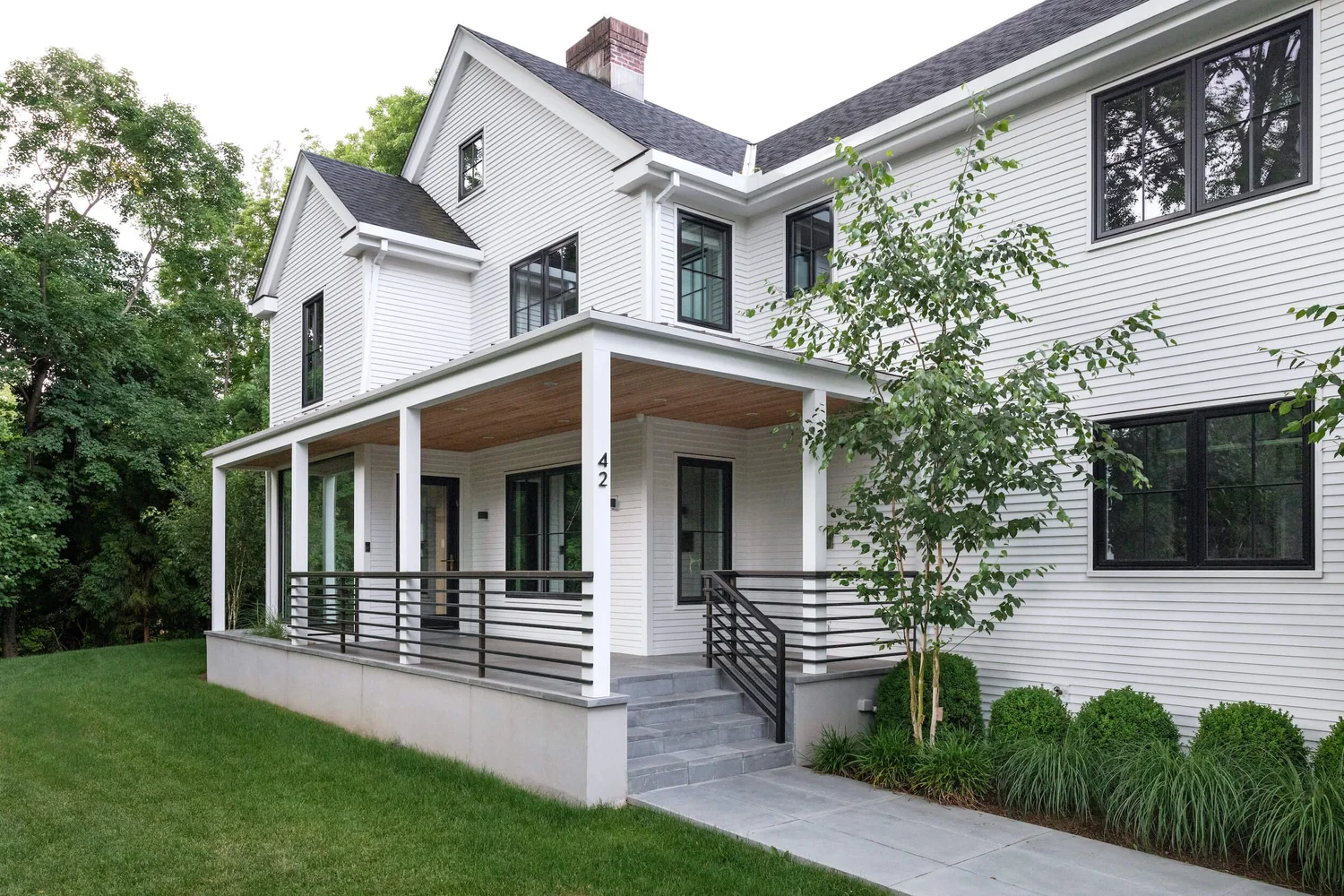
The farmhouse of today looks very different from the working farms of previous generations. While architectural elements such as wraparound porches and wood construction remain popular, interiors often reflect contemporary design.
Modern farmhouse renovations typically include:
- Open floor plans
- Updated kitchens with modern appliances
- Energy-efficient heating and cooling systems
- High-speed internet infrastructure
- Multi-use outbuildings or converted barns
Many properties also integrate sustainability features such as solar panels, rainwater collection, and efficient insulation.
Architecturally, the “modern farmhouse style” has become one of the most recognizable residential design trends in the United States. However, authentic rural farmhouses—particularly those built before the mid-20th century—require thoughtful renovation to balance historic character with modern functionality.
Regional Trends in Rural Real Estate
Farmhouse demand varies significantly across the United States, depending on geography, lifestyle appeal, and proximity to urban centers.
Northeast and Mid-Atlantic
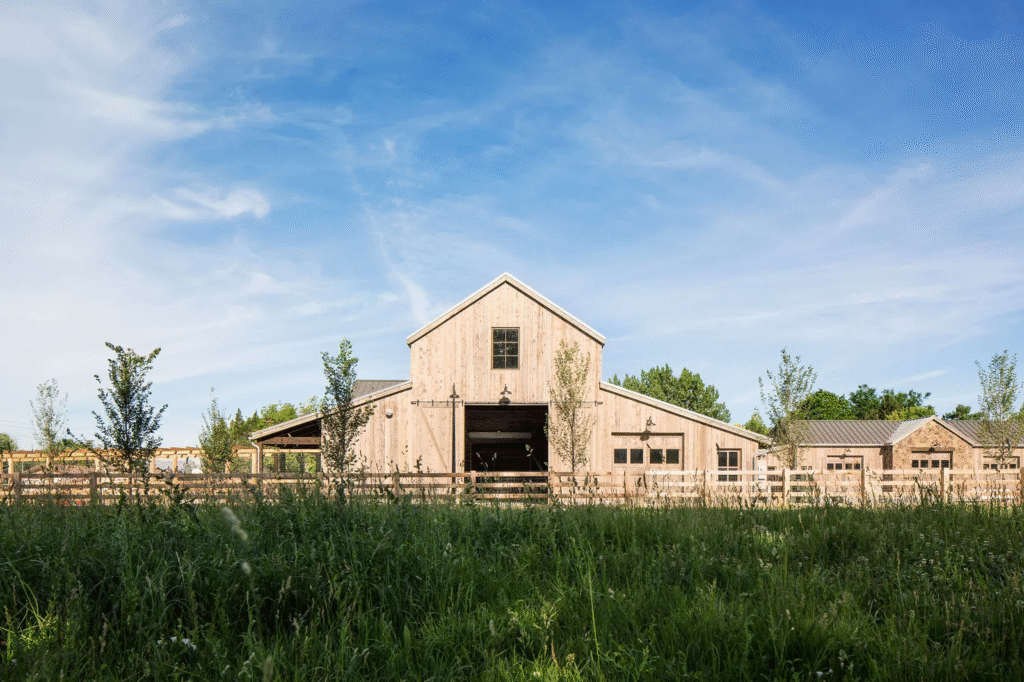
Historic farmhouses in states such as Pennsylvania, Vermont, and New York remain popular as weekend properties for residents of large metropolitan areas. Many buyers are drawn to traditional barns, stone homes, and scenic landscapes.
Midwest
The Midwest continues to offer some of the most affordable rural real estate. Buyers in states like Wisconsin, Michigan, and Ohio often purchase farmhouses for recreational use or small hobby farms.
Mountain West
Regions in Colorado, Montana, and Idaho have seen strong demand from buyers seeking rural privacy combined with outdoor recreation opportunities.
Southeast
Farmhouses in states such as North Carolina, Tennessee, and Georgia appeal to both retirees and younger families seeking lower living costs.
In most regions, properties located within two hours of a major city tend to see the strongest demand for weekend use.
What Buyers Look for in a Modern Farmhouse Property
Buyers interested in farmhouse properties often evaluate a broader set of criteria than typical suburban homes.
Important considerations include:
- Land size and usability — acreage suitable for gardens, animals, or recreation
- Water access — wells, ponds, or irrigation systems
- Zoning and land-use regulations
- Distance from healthcare and essential services
- Internet connectivity
- Access roads and winter maintenance
Unlike suburban housing developments, rural properties vary significantly in infrastructure and land conditions. Buyers often benefit from working with agents experienced in rural real estate transactions.
The Rise of Hobby Farms and Lifestyle Agriculture
A notable trend within rural real estate is the growth of hobby farming.
Rather than operating large commercial farms, many property owners cultivate small-scale agricultural activities such as:
- Vegetable gardens
- Orchards or vineyards
- Beekeeping
- Raising chickens or goats
These activities allow homeowners to engage with the land while maintaining other careers.
According to data from the USDA Census of Agriculture, small farms (defined as operations generating less than $350,000 annually) account for nearly 90% of farms in the United States. Many farmhouse buyers fall into this category of lifestyle-focused agriculture.
Investment Potential of Rural Farmhouses
While many farmhouse purchases are lifestyle-driven, some buyers also consider long-term investment potential.
Several factors influence property value in rural real estate.
Land Appreciation
Land near growing metropolitan areas can appreciate as development expands outward.
Short-Term Rentals
Farmhouses located near tourist regions or national parks may generate income through vacation rental platforms.
Agricultural Leasing
Some property owners lease portions of their land to neighboring farmers for crop production or grazing.
Renovation Value
Historic farmhouses with original architectural features can increase in value when restored carefully.
However, rural real estate markets often move differently than urban housing markets. Liquidity may be lower, and resale timelines can be longer.
Practical Considerations Before Buying a Farmhouse
Buying rural property requires careful evaluation beyond the house itself.
Buyers should investigate:
- Property access and easements
- Septic systems and well water quality
- Flood zones or soil conditions
- Agricultural restrictions or conservation easements
- Maintenance needs for barns and outbuildings
Older farmhouses may also require upgrades to electrical systems, plumbing, and insulation.
Working with professionals such as rural property inspectors, land surveyors, and agricultural extension advisors can help buyers make informed decisions.
The Future of Farmhouse Living in America
Farmhouse living is likely to remain an attractive option for Americans seeking flexibility and connection to nature. As infrastructure improves in rural regions—particularly broadband access—more buyers may consider part-time or full-time countryside living.
At the same time, sustainable land management and responsible development will become increasingly important. Preserving farmland while accommodating residential demand is an ongoing challenge in many regions.
The modern farmhouse represents more than a housing trend. It reflects a broader cultural shift toward balance—combining rural landscapes with contemporary lifestyles.
Frequently Asked Questions
Are farmhouses a good investment in the United States?
Farmhouses can offer long-term value, particularly when located near growing metropolitan areas or recreational destinations. However, appreciation rates vary depending on land quality, infrastructure, and regional demand.
How much land typically comes with a farmhouse?
Farmhouse properties may range from one acre to several hundred acres. Weekend properties often include between 5 and 20 acres, though this varies widely by region.
Can farmhouses be used as vacation rentals?
Yes. Many farmhouse owners rent their properties for short-term stays, especially in scenic or tourist regions. Local zoning regulations should be reviewed before listing a property.
Do farmhouses require more maintenance than suburban homes?
Often they do. Rural homes may include wells, septic systems, barns, and larger land areas that require ongoing upkeep.
What should buyers check before purchasing rural land?
Buyers should verify zoning laws, water access, soil quality, road access, property boundaries, and utility connections.
Are modern farmhouses different from traditional farmhouses?
Yes. Modern farmhouse designs often incorporate contemporary materials, open layouts, and energy-efficient systems while maintaining traditional architectural elements.
Is internet access available in rural farmhouse areas?
Internet availability varies by location, though broadband access has expanded significantly in many rural areas through federal infrastructure programs.
What is a hobby farm?
A hobby farm is a small agricultural property operated primarily for personal enjoyment rather than commercial profit.
How far from cities are most weekend farmhouses located?
Many are located within a one- to three-hour drive from major metropolitan areas.
Do lenders finance farmhouse properties?
Yes, though financing can depend on property classification, acreage size, and agricultural use.
A Changing Relationship With the American Countryside
The renewed interest in farmhouses reflects evolving priorities among American homebuyers. Rather than purely functional agricultural residences, farmhouses now serve as flexible spaces—weekend retreats, hobby farms, and long-term investments.
As rural infrastructure improves and lifestyle preferences shift toward outdoor living, farmhouse properties are likely to remain a distinctive part of the U.S. real estate landscape.
Key Insights From Today’s Rural Real Estate Shift
- Farmhouses are increasingly purchased as weekend homes rather than working farms
- Remote work flexibility has expanded interest in rural living
- Properties within driving distance of cities see the strongest demand
- Modern farmhouse renovations balance historic charm with contemporary amenities
- Hobby farming is a growing lifestyle trend
- Buyers should carefully evaluate infrastructure, land conditions, and zoning