

Summary
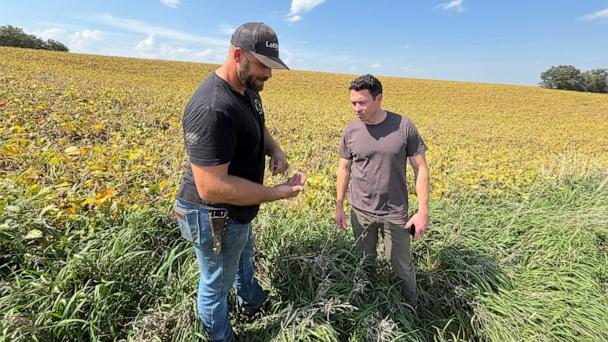
Farmland ownership in the United States is undergoing steady change as aging farmers retire, investors enter the market, and land values rise. Most farmland is still family-owned, but ownership patterns are shifting toward rented land, institutional investment, and consolidation into larger operations. Understanding these trends helps farmers, investors, policymakers, and rural communities plan for the future of American agriculture.
Farmland is one of the most valuable and strategically important assets in the United States. The country has nearly 900 million acres of farmland, according to the U.S. Department of Agriculture (USDA), and how that land is owned—and who controls it—has significant implications for food production, rural economies, environmental stewardship, and generational wealth.
Over the past several decades, farmland ownership patterns have gradually evolved. Aging landowners, increasing land prices, the rise of farmland investment funds, and shifts toward rental farming have reshaped the agricultural landscape. While family farmers still dominate land ownership, the structure behind that ownership is becoming more complex.
Understanding these changes is essential for anyone involved in agriculture, rural development, or land investment.
The Structure of Farmland Ownership in the United States
The United States still maintains a largely family-based farmland ownership model, though the details often surprise people outside agriculture.
According to the USDA Economic Research Service, roughly 95–97% of U.S. farmland is family-owned. However, this includes land owned by individuals, partnerships, family corporations, and trusts.
This structure allows families to retain control of land even when farming operations change.
Major ownership categories include:
- Owner-operators who farm the land they own
- Non-operating landlords who rent farmland to farmers
- Family trusts or estates holding farmland assets
- Corporations and partnerships created for tax or succession planning
- Institutional investors such as pension funds and farmland investment groups
One major shift is the growing number of non-operating landowners. Many farmland owners today do not actively farm the land themselves but instead lease it to working farmers.
This model allows farmland to remain within families while still supporting large-scale agricultural production.
The Rise of Farmland Rental Markets
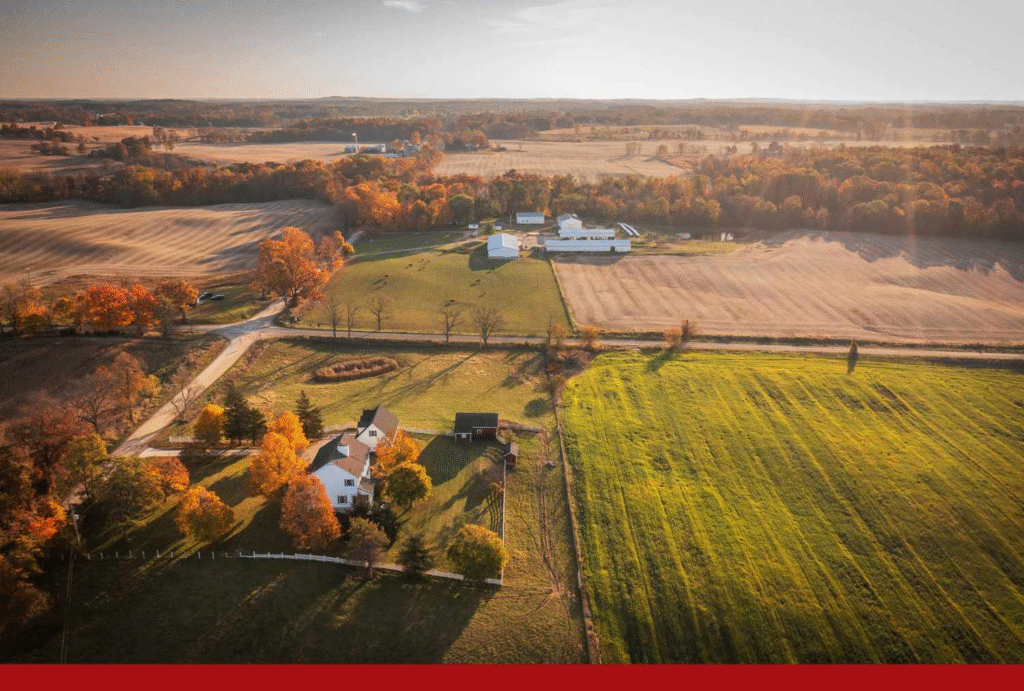
One of the most significant changes in U.S. agriculture is the expansion of rented farmland.
Today, approximately 39–40% of U.S. farmland is rented, according to USDA data. In some Midwest states, that percentage exceeds 50%.
Several factors have contributed to this shift.
First, farmland prices have increased dramatically. In many regions, buying farmland outright requires millions of dollars, making renting a more practical option for farmers expanding their operations.
Second, many landowners inherit farmland but live in cities or pursue careers outside agriculture. Rather than selling the land, they lease it to local farmers.
Typical rental arrangements include:
- Cash rent leases, where farmers pay a fixed annual amount
- Crop-share agreements, where landowners receive a percentage of harvest revenue
- Flexible leases, where rent adjusts based on crop prices or yields
For example, a landowner in Iowa may rent 160 acres to a neighboring corn farmer for $250–$350 per acre annually, depending on soil quality and local markets.
This structure keeps farmland productive while allowing ownership to remain within families.
The Aging Farmland Owner Population
A demographic trend that heavily influences farmland ownership is the aging of American farmers.
The average U.S. farmer is nearly 58 years old, according to the USDA Census of Agriculture.
Even more notable is that many farmland owners are older than the farmers operating the land.
Research from Iowa State University found that a large share of farmland landlords are:
- Over age 65
- Retired farmers
- Widows or heirs of farmers
- Urban residents who inherited farmland
This creates a significant upcoming transition.
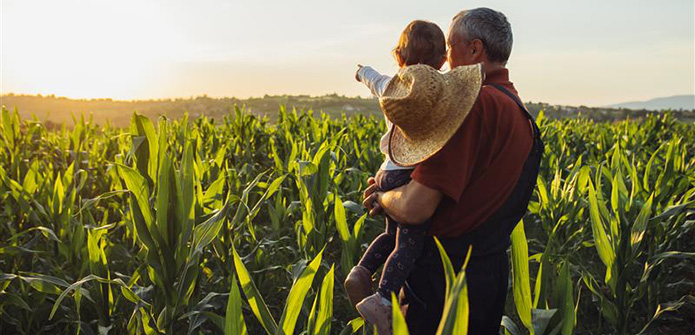
Experts estimate that over 300 million acres of farmland could change hands over the next two decades through inheritance, sale, or transfer to new operators.
This transition is often called the largest land transfer in American agricultural history.
The Growing Role of Institutional Investors
While family ownership still dominates farmland, institutional investment has increased noticeably since the early 2000s.
Farmland is attractive to investors for several reasons:
- Long-term appreciation in land values
- Relatively stable returns compared to stocks
- Inflation protection
- Growing global demand for food
Large investors involved in farmland include:
- Pension funds
- University endowments
- Farmland real estate investment trusts (REITs)
- Agricultural asset management firms
These investors typically purchase farmland and lease it to farmers rather than operate farms directly.
For example, a pension fund may purchase thousands of acres across multiple states and lease parcels to local producers.
Despite headlines suggesting investor domination, institutional investors still own only a small percentage of U.S. farmland—generally estimated at 2–3% nationally.
However, their presence is increasing in certain regions and specialty crop markets.
Consolidation of Farms and Land Holdings
Another clear trend is the gradual consolidation of farmland into larger operations.
Over the past 40 years:
- The number of farms has declined
- The average farm size has increased
According to USDA data:
- In 1987: about 2.1 million farms
- In recent years: around 2 million farms
Meanwhile, large farms now control a greater share of production.
Drivers of consolidation include:
- Economies of scale in modern agriculture
- High machinery costs
- Global commodity markets
- Land availability through rental markets
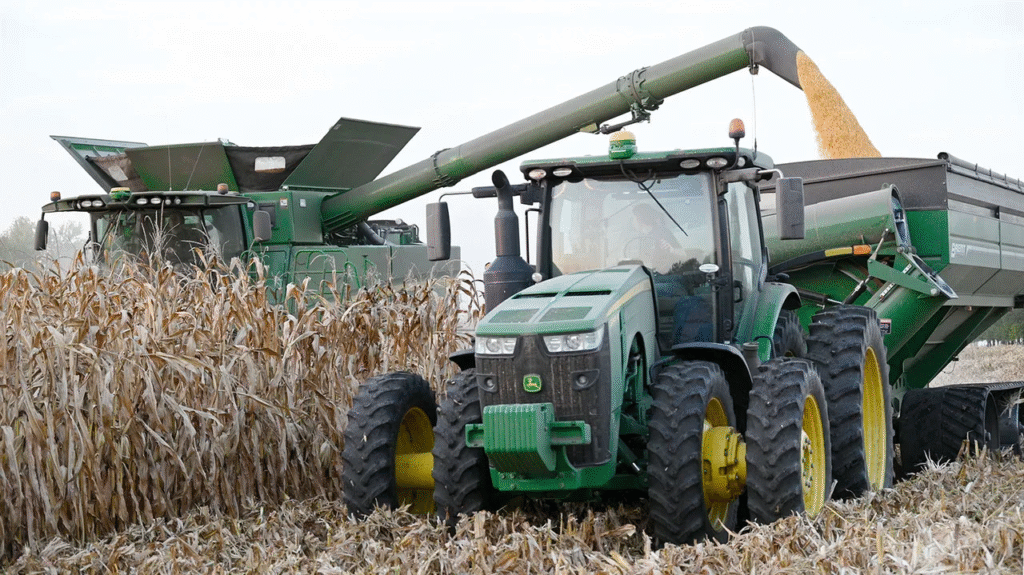
A modern grain operation in the Midwest may farm 5,000 to 15,000 acres, much of it rented from multiple landowners.
This model allows efficient production while farmland ownership remains fragmented among many families.
Foreign Ownership of U.S. Farmland
Foreign ownership of U.S. farmland receives significant political attention.
According to the USDA Agricultural Foreign Investment Disclosure Act (AFIDA) data, foreign entities own approximately 3–4% of privately held U.S. agricultural land.
Major foreign investors include companies from:
- Canada
- Netherlands
- Italy
- United Kingdom
Foreign ownership often involves:
- Timberland investments
- Renewable energy land leases
- Agricultural production partnerships
Recent debates have focused on national security concerns, particularly regarding farmland located near military installations.
Several states have passed laws limiting certain types of foreign ownership, though policies vary widely.
Rising Farmland Values Across the Country
Land prices strongly influence ownership patterns.
Over the past two decades, farmland values have risen steadily in many regions.
According to the USDA:
- Average U.S. farmland value in 2000: about $1,200 per acre
- Average value in 2023: roughly $4,080 per acre
High-quality cropland in states like Iowa and Illinois can exceed $15,000 per acre.
Key drivers of rising values include:
- Strong crop prices
- Limited supply of land for sale
- Investor demand
- Inflation hedging
- Agricultural productivity improvements
Higher land values benefit existing landowners but make it harder for new farmers to purchase land.
As a result, rental arrangements and partnership models have become more common.
Barriers Facing Beginning Farmers
One of the most discussed farmland ownership issues is the challenge facing new farmers.
Buying farmland requires significant capital, and younger farmers often struggle to compete with established operators or investors.
Common barriers include:
- High land prices
- Limited access to credit
- Competition from larger farms
- Lack of inherited land
Programs designed to address this include:
- USDA Beginning Farmer programs
- Conservation land access initiatives
- Farmer-landowner matching services
- Long-term lease arrangements
In many cases, new farmers start by renting land before eventually purchasing smaller parcels.
Regional Differences in Ownership Patterns
Farmland ownership varies widely across the United States.
For example:
Midwest
- Highly productive cropland
- High rental rates
- Strong family ownership tradition
Western States
- Large ranch holdings
- More corporate structures
- Significant public land grazing
Southeast
- Timberland investments
- Institutional ownership more common
Northeast
- Smaller farms
- Higher land pressure from development
Urban expansion also affects farmland ownership. In rapidly growing regions, farmland may be sold for residential or commercial development.
How Ownership Trends Affect Rural Communities
Farmland ownership patterns influence far more than agricultural production.
They shape:
- Rural tax bases
- Local economies
- Environmental land stewardship
- Community stability
For example, locally owned farmland often supports local spending and agricultural supply businesses.
When land ownership shifts toward absentee landlords or investment firms, local economic connections may weaken.
However, many institutional investors still rely heavily on local farmers to manage land and maintain agricultural productivity.
The impact varies depending on ownership structure and management practices.
Frequently Asked Questions
Who owns most farmland in the United States?
Family owners control roughly 95–97% of U.S. farmland, though much of that land is rented to farmers who operate it.
How much farmland in the U.S. is rented?
About 40% of farmland is rented, and in some agricultural regions that number exceeds 50%.
Are corporations buying up U.S. farmland?
Corporations and institutional investors own a small but growing share of farmland. Estimates suggest they control around 2–3% of total farmland nationally.
What is the average age of farmland owners?
Many farmland owners are over age 65, reflecting the aging population of farmers and rural landowners.
How much farmland will change ownership soon?
Experts estimate 300 million acres or more could transfer ownership in the next 20 years through inheritance or sale.
Is foreign ownership of farmland increasing?
Foreign ownership has increased slowly but remains limited, accounting for roughly 3–4% of U.S. agricultural land.
Why is farmland so expensive?
Farmland values rise due to strong agricultural demand, limited land supply, inflation protection, and increasing productivity.
Can new farmers realistically buy farmland today?
Yes, but many begin by renting land or entering partnerships before purchasing property.
Do farmland investors actually farm the land?
Most investors lease farmland to local farmers, who manage crop production and day-to-day operations.
Which states have the highest farmland values?
States like Iowa, Illinois, and California typically report some of the highest cropland values.
Looking Ahead: The Next Era of American Farmland
Farmland ownership in the United States is entering a transitional period. As older landowners pass farmland to heirs and investors continue to explore agricultural assets, the structure of land ownership will keep evolving.
Despite these shifts, family ownership remains the backbone of American agriculture. The coming decades will likely see a combination of inherited farmland, rental arrangements, investment partnerships, and new ownership models shaping the rural landscape.
For policymakers, farmers, and communities, the key challenge will be balancing economic opportunity with long-term stewardship of the nation’s most productive land.
Key Points Worth Remembering
- Most U.S. farmland remains family-owned
- Around 40% of farmland is rented to farmers
- Land values have increased dramatically over two decades
- Institutional investors own a small but growing share
- Aging landowners will drive massive farmland transfers
- Beginning farmers face high barriers to land ownership
- Regional patterns vary widely across the country
- Ownership structures strongly influence rural economies