

Summary
Homebuilders across the U.S. are adjusting designs, pricing strategies, and construction methods as buyer priorities shift toward affordability, flexibility, efficiency, and long-term value. This article explains how builders are responding in practical ways—through smaller floor plans, smarter layouts, energy efficiency, and market-specific decisions—while navigating labor shortages, higher costs, and evolving consumer expectations.
The U.S. housing market is no longer driven by a single buyer profile or dominant lifestyle trend. Instead, builders are responding to a wide range of shifting preferences shaped by affordability constraints, demographic changes, remote work, climate concerns, and long-term cost awareness.
Today’s buyers tend to be pragmatic. They are less focused on maximum square footage and more concerned with how a home functions, how much it costs to operate, and whether it fits their evolving life stage. Builders that succeed in this environment are those adapting their products thoughtfully rather than relying on past assumptions about what buyers want.
This article examines how builders are responding to these changes in practical, experience-based ways—and what it means for buyers, communities, and the future of residential construction.
Why Buyer Preferences Have Shifted
Several overlapping forces are reshaping buyer expectations. Higher mortgage rates have altered purchasing power, making affordability a central concern again. At the same time, household formation patterns are changing, with more single-person households, multigenerational families, and older buyers staying in place longer.
According to the National Association of Home Builders, affordability has become the top constraint in new-home construction, influencing everything from lot size to material selection. Meanwhile, data from the U.S. Census Bureau shows average household sizes declining, reinforcing demand for smaller but more efficient homes.
Remote and hybrid work have also left a lasting imprint. Buyers now expect spaces that support flexibility rather than rigid room definitions. These preferences are not speculative—they are showing up consistently in sales data, design revisions, and buyer feedback.
Smaller Homes With Smarter Layouts
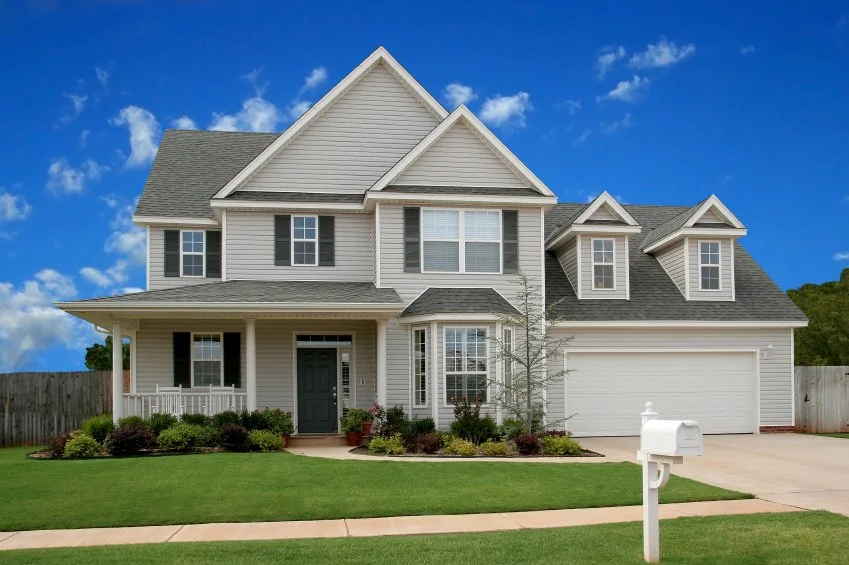
One of the clearest shifts is the move toward smaller homes that prioritize usability over scale. Builders are reducing square footage while investing more thought into layouts that minimize wasted space.
Instead of large formal dining rooms or oversized foyers, newer homes often feature:
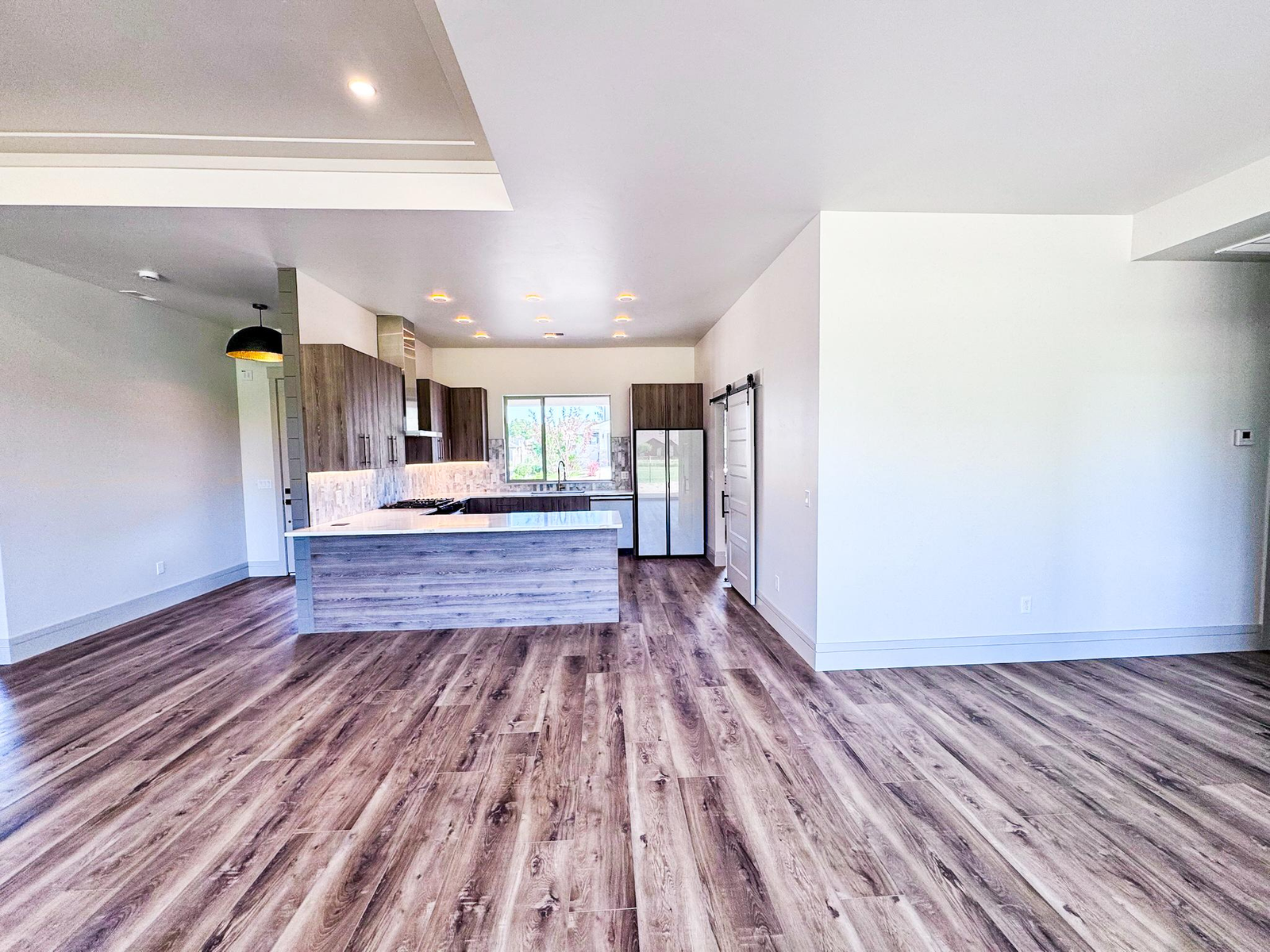
- Open but defined living areas that serve multiple purposes
- Kitchens designed for daily use rather than entertaining alone
- Bedrooms sized for function, not excess
This trend is partly economic. Smaller homes cost less to build and maintain, helping builders keep prices within reach. But it also reflects changing lifestyles. Buyers increasingly value homes that are easier to clean, heat, cool, and adapt over time.
Builders report that well-designed 1,800-square-foot homes can outperform poorly designed 2,400-square-foot models in both buyer satisfaction and resale appeal.
Flexibility Over Fixed Function
Buyers today are less interested in rooms with single, inflexible purposes. Builders are responding by designing spaces that can evolve without major renovations.
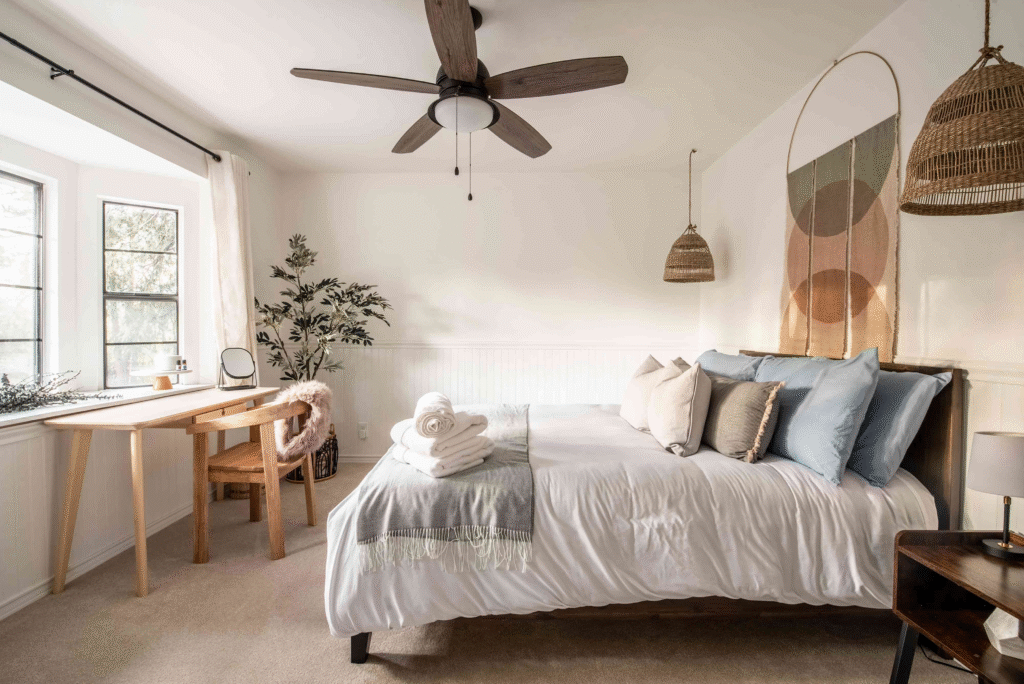
Home offices, for example, are no longer marketed as permanent workspaces. Instead, builders describe them as “flex rooms” or “bonus spaces” that can function as:
- A remote work area
- A guest room
- A hobby or fitness space
- A future bedroom
This flexibility is especially appealing to younger buyers who anticipate career changes and to older buyers planning to age in place. Builders are incorporating features such as wider doorways, accessible first-floor layouts, and adaptable lighting to accommodate long-term use without labeling homes as “senior-focused.”
Energy Efficiency as a Cost-Control Tool
Energy efficiency has moved beyond being a niche selling point. For many buyers, it is now a practical financial consideration tied to monthly affordability.
Builders are responding by standardizing features that were once upgrades, including:
- Improved insulation and air sealing
- High-efficiency HVAC systems
- Energy-efficient windows
- Smart thermostats
According to data from the U.S. Department of Energy, energy-efficient homes can reduce utility costs by 20–30 percent annually. Builders increasingly highlight these savings during sales conversations, framing efficiency as predictable cost control rather than environmental branding.
In some markets, solar readiness—rather than full installation—is becoming more common, allowing buyers to add systems later without major structural changes.
Entry-Level Housing and Price Discipline
Perhaps the most challenging adjustment for builders is the renewed demand for true entry-level housing. Rising land, labor, and material costs have made it difficult to deliver homes at lower price points without sacrificing margins.
Builders are responding with a combination of strategies:
- Developing smaller lots with higher density
- Simplifying exterior designs to reduce labor time
- Limiting customization options to control costs
Some builders are reintroducing standardized floor plans with fewer structural changes, allowing faster construction and more predictable pricing. This approach mirrors practices used successfully in the early 2000s but updated with modern materials and layouts.
While this limits personalization, many buyers accept these trade-offs in exchange for affordability and faster move-in timelines.
Regional and Climate-Specific Design Choices
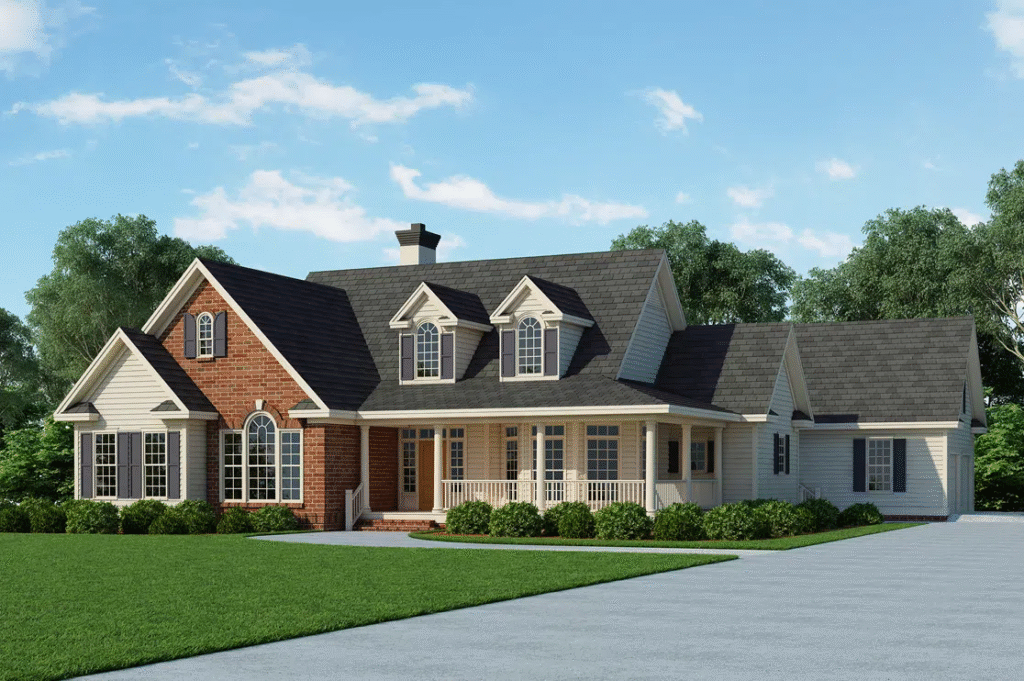
Buyer preferences are increasingly shaped by local climate and infrastructure realities. Builders in wildfire-prone areas, flood zones, and extreme heat regions are adapting designs accordingly.
Examples include:
- Fire-resistant exterior materials in Western states
- Elevated foundations and improved drainage in flood-prone regions
- Enhanced insulation and reflective roofing in hot climates
These changes are not always driven by regulation alone. Buyers are asking more informed questions about resilience, insurance costs, and long-term maintenance. Builders who can explain how design choices mitigate risk are often better positioned to build trust with cautious buyers.
Material Choices That Balance Cost and Durability
Buyers are paying closer attention to materials—not just aesthetics. Builders report increased interest in finishes that hold up over time rather than trend-driven upgrades.
In response, many builders are:
- Choosing mid-range materials with proven durability
- Reducing reliance on custom finishes that complicate repairs
- Offering fewer but more practical upgrade packages
For example, engineered wood flooring and composite decking are increasingly favored for their durability and lower maintenance requirements. These choices reflect a broader buyer mindset focused on long-term ownership costs rather than short-term visual appeal.
Technology That Supports Everyday Living
Smart home features are no longer about novelty. Buyers expect technology that improves daily convenience and security without complexity.
Builders are integrating systems such as:
- Smart locks and video doorbells
- Centralized wiring for future upgrades
- Reliable broadband infrastructure
Importantly, builders are avoiding overloading homes with proprietary systems that may become obsolete. Instead, they emphasize compatibility with widely used platforms, allowing buyers to customize over time.
What Buyers Commonly Ask Builders Today
Buyers now approach new construction with more detailed questions than in past cycles. Common concerns include:
- How much will monthly utilities realistically cost?
- Can rooms adapt as family needs change?
- What features reduce long-term maintenance?
- How resilient is the home to local climate risks?
Builders who train sales teams to answer these questions clearly—using data and real examples—are more likely to build confidence and reduce buyer hesitation.
Frequently Asked Questions
Why are new homes getting smaller?
Smaller homes help control prices and operating costs while still meeting functional needs through better layouts.
Are builders still offering customization?
Yes, but often in more limited, standardized ways to control construction timelines and costs.
Do energy-efficient homes really save money?
In most cases, yes—especially when efficiency features are integrated from the start rather than added later.
Is remote work still influencing home design?
Yes. Flexible spaces remain a priority even as work patterns continue to evolve.
Why do some new homes look simpler on the outside?
Simpler designs reduce labor costs and construction time, helping maintain affordability.
Are builders focusing more on first-time buyers again?
Many are, though delivering entry-level homes remains challenging due to rising input costs.
How do builders decide which features to include?
Decisions are based on buyer feedback, regional demand, cost efficiency, and long-term value.
Are climate-resilient features becoming standard?
In certain regions, yes—especially where insurance and risk awareness are increasing.
Will technology features become outdated quickly?
Builders increasingly focus on flexible infrastructure rather than fixed systems to avoid obsolescence.
Where This Shift Leaves the Industry
Builders are no longer designing homes around aspirational excess. Instead, they are responding to buyers who value predictability, adaptability, and cost control. This shift does not signal reduced quality—it reflects a recalibration toward homes that work better in real life.
As buyer expectations continue to evolve, builders that listen closely and adjust thoughtfully are likely to remain competitive, even in uncertain market conditions.
What This Means in Practice
- Buyers are prioritizing function over size
- Builders are simplifying designs to protect affordability
- Flexibility and efficiency now drive value
- Regional and climate realities shape construction decisions
- Long-term costs matter more than surface-level upgrades