


Summary
Demographic changes are reshaping how and where Americans live, work, and invest. Aging populations, migration patterns, remote work trends, and shifting household structures are influencing housing demand, commercial development, and infrastructure planning. Across the United States, developers are adapting projects to meet evolving needs—from smaller urban apartments to suburban mixed-use communities designed for growing families and retirees.
The Growing Influence of Demographics on Real Estate
Real estate development in the United States has always been closely tied to demographic trends. Population growth, household composition, age distribution, and migration patterns all shape the type of housing, commercial space, and infrastructure communities require.
Today, demographic shifts are occurring at a pace that developers, planners, and investors cannot ignore. According to the U.S. Census Bureau, the nation’s population reached more than 334 million people, but growth has slowed and is increasingly uneven across regions. Some metropolitan areas are expanding rapidly, while others are experiencing population declines.
These shifts influence everything from the demand for rental apartments to the need for logistics warehouses or retirement communities. Developers are increasingly using demographic data to guide decisions about land acquisition, project design, and long-term investment strategies.
Aging Population and the Rise of Senior-Focused Housing
One of the most significant demographic changes shaping real estate is the aging of the American population. The baby boomer generation, born between 1946 and 1964, is entering retirement in large numbers.
The U.S. Census Bureau estimates that by 2034, adults 65 and older will outnumber children under 18 for the first time in U.S. history.
This shift is influencing development in several ways.
Growing demand for senior-friendly housing
Developers are increasingly focusing on properties designed for aging residents. These include:
- Active adult communities (55+ housing developments)
- Assisted living facilities
- Continuing care retirement communities (CCRCs)
- Age-friendly apartments near healthcare and transit
These developments emphasize accessibility, healthcare proximity, walkability, and social amenities.
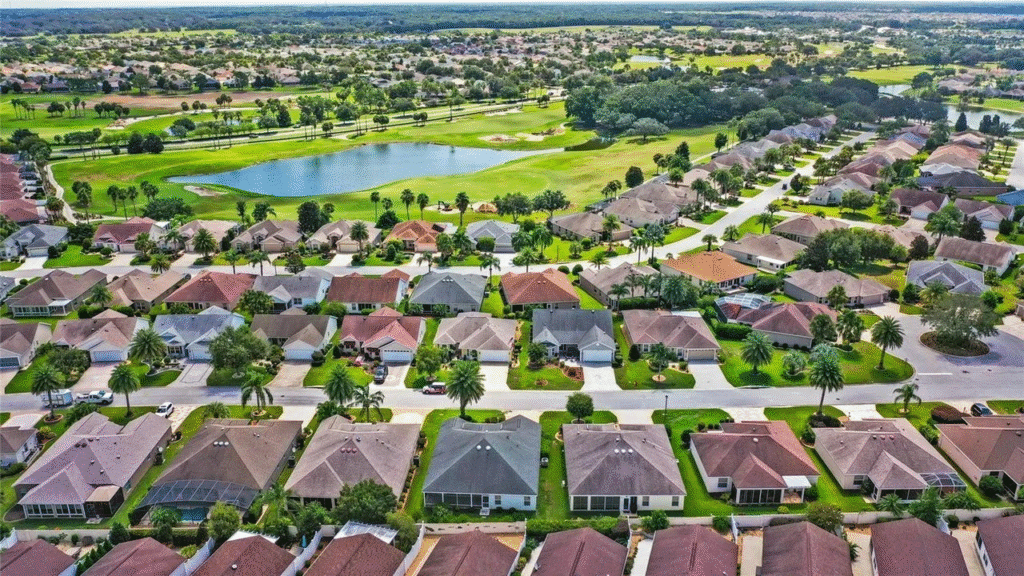
For example, many Sun Belt states—including Arizona, Florida, and Texas—have seen increased investment in senior housing communities due to their warm climate, relatively affordable housing, and strong healthcare infrastructure.
Developers are also redesigning traditional housing with “aging in place” features, such as wider hallways, step-free entries, and single-story floor plans.
Millennials and the Transformation of Housing Demand
Millennials, the largest generation in the United States workforce, are now entering their prime homebuying years.
According to the National Association of Realtors (NAR), millennials represent the largest share of homebuyers, accounting for roughly 38% of buyers in recent housing market reports.
Their preferences are influencing both residential and mixed-use real estate development.
Key millennial housing preferences
Developers are adapting projects to meet several trends associated with this demographic:
- Walkable neighborhoods near restaurants, transit, and employment hubs
- Flexible living spaces for remote work
- Access to community amenities such as fitness centers and shared outdoor areas
- Energy-efficient homes and sustainable design features
Urban apartment developments and suburban mixed-use communities increasingly reflect these priorities.
For example, many developers are building “live-work-play” communities, where residential units, retail stores, office spaces, and parks are integrated into a single development.
This model reduces commute times and appeals to younger professionals seeking convenience and lifestyle benefits.
Migration Patterns Reshaping Regional Development
Domestic migration trends are another major driver of real estate development.
Over the past decade, many Americans have relocated from high-cost urban areas to more affordable regions, particularly in the Sun Belt.
States experiencing strong population growth include:
- Texas
- Florida
- North Carolina
- Arizona
- Tennessee
Cities such as Austin, Raleigh, Nashville, and Tampa have seen significant real estate investment as new residents increase housing demand.
Why people are relocating
Several factors are driving this movement:
- Lower housing costs compared with coastal cities
- Job growth in technology, healthcare, and logistics sectors
- Remote work flexibility
- Lifestyle preferences, including warmer climates
Developers respond by accelerating residential construction, commercial projects, and infrastructure expansion in these high-growth regions.
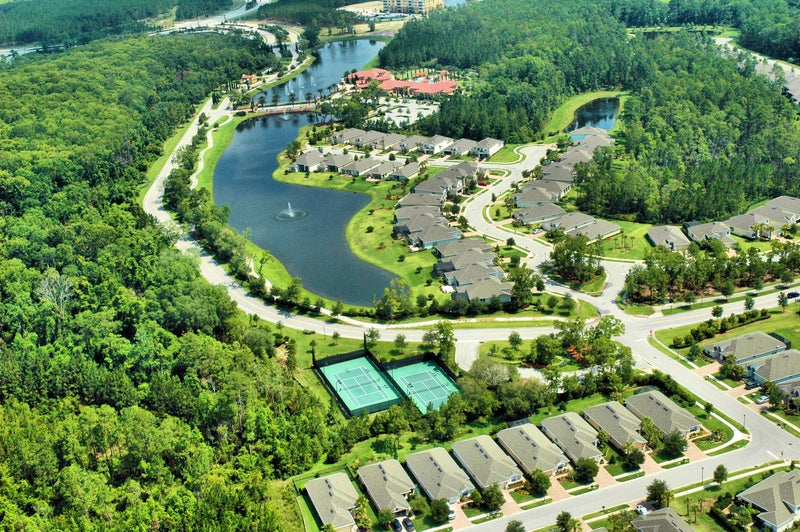
For example, many Sun Belt cities have seen a surge in master-planned communities that combine residential housing, schools, retail centers, and green spaces.
Remote Work and Its Impact on Real Estate Design
The widespread adoption of remote and hybrid work models is also influencing real estate development.
While traditional office demand remains important, many companies now require less centralized office space. At the same time, employees are placing greater emphasis on homes that support remote work.
Residential design changes driven by remote work
Developers are incorporating new design features into housing projects, including:
- Dedicated home office spaces
- High-speed internet infrastructure
- Sound-insulated work areas
- Shared co-working spaces within apartment communities
Suburban and exurban housing markets have particularly benefited from this trend, as remote workers prioritize larger homes and more affordable living options outside major city centers.
Meanwhile, commercial real estate developers are rethinking office layouts to accommodate flexible schedules and collaborative work environments.
Changing Household Structures
Another demographic trend shaping real estate development is the evolution of household structures.
American households today are more diverse than in previous decades. The Pew Research Center notes that single-person households have increased significantly, while traditional nuclear families represent a smaller share of total households.
These changes influence housing demand in several ways.
Housing types reflecting new household patterns
Developers are responding with:
- Smaller urban apartments and studio units
- Multi-generational housing designs
- Build-to-rent single-family communities
- Flexible housing layouts for roommates or extended family
For example, multi-generational households have grown due to economic factors and caregiving needs. As a result, some developers now design homes with separate living quarters or dual primary suites.
Urban Revitalization and Mixed-Use Development
Demographic shifts are also encouraging urban revitalization projects.
Many cities are redeveloping underutilized industrial areas or outdated commercial zones into mixed-use districts that combine residential, retail, office, and entertainment spaces.
These developments appeal to younger professionals, empty nesters, and retirees seeking walkable environments with easy access to services.
Examples of urban redevelopment trends
Common redevelopment projects include:
- Converting former warehouses into loft apartments
- Transforming shopping malls into mixed-use communities
- Redeveloping waterfront industrial land into residential districts
Cities such as Denver, Atlanta, and Minneapolis have successfully revitalized former industrial areas through mixed-use development.
These projects often attract significant investment because they meet the preferences of multiple demographic groups.
Infrastructure and Transportation Influences
Demographic changes also influence where infrastructure investment occurs, which in turn affects real estate development.
Growing regions require expanded transportation networks, schools, healthcare facilities, and utilities.
Developers often prioritize locations near:
- Major highways
- Public transit systems
- Airports
- Universities and research hubs
Infrastructure improvements can significantly increase property values and stimulate new construction.
For example, transit-oriented development near rail stations has become increasingly popular in cities such as Seattle, Washington D.C., and Los Angeles.
The Role of Data in Modern Real Estate Development
Today’s developers rely heavily on demographic data and predictive analytics to guide investment decisions.
Data sources commonly used include:
- U.S. Census Bureau population projections
- Labor market statistics
- Migration data from moving companies and tax filings
- Household income trends
These insights help developers determine:
- Where housing shortages exist
- Which regions are experiencing job growth
- What types of properties are most likely to succeed
As technology improves, real estate firms are increasingly combining demographic analysis with artificial intelligence and geographic mapping tools.
Frequently Asked Questions
1. Why are demographic trends important in real estate development?
Demographic trends determine who needs housing, where people move, and what types of properties are required. Developers use this data to design projects that match population needs.
2. Which generation currently drives housing demand?
Millennials are currently the largest group of homebuyers in the United States, making them a major influence on housing development.
3. How does an aging population affect real estate?
An aging population increases demand for senior housing, healthcare-related real estate, and homes designed for accessibility.
4. Why are Sun Belt states attracting so much real estate development?
Sun Belt states offer lower housing costs, job growth, warmer climates, and strong population migration trends.
5. How has remote work changed housing demand?
Remote work has increased demand for larger homes, dedicated office spaces, and suburban housing options.
6. What is a mixed-use development?
Mixed-use developments combine residential, commercial, and recreational spaces within a single community.
7. How do migration trends affect property values?
Regions with strong population growth often experience rising property demand and increased property values.
8. What types of housing are popular with younger buyers?
Younger buyers often prefer walkable neighborhoods, energy-efficient homes, and properties near employment centers.
9. How do developers use demographic data?
Developers analyze population growth, income levels, and household patterns to determine the best locations and property types for new projects.
10. Are urban areas still growing despite suburban migration?
Yes. Many cities are growing through redevelopment and mixed-use projects that attract residents seeking urban lifestyles.
Reading the Demographic Map of America’s Real Estate Future
Demographic trends act as a roadmap for real estate development across the United States. Aging populations, generational housing preferences, migration patterns, and evolving household structures all influence where construction occurs and what types of properties are built.
Developers who carefully analyze these shifts are better positioned to create communities that remain relevant for decades. As population patterns continue to evolve, real estate development will increasingly reflect the changing lifestyles, economic realities, and priorities of American households.
Key Insights at a Glance
- Aging baby boomers are increasing demand for senior housing and accessible homes
- Millennials are shaping residential development with preferences for walkable communities
- Sun Belt migration is driving major housing and infrastructure investment
- Remote work is influencing home design and suburban growth
- Mixed-use developments are becoming more common in urban redevelopment
- Household diversity is encouraging flexible housing layouts
- Infrastructure expansion often triggers new real estate investment
- Data analytics now plays a central role in development planning