


Institutional investors—including asset managers, pension funds, hedge funds, and banks—are approaching digital assets with structured risk management, regulatory oversight, and long-term portfolio discipline. Rather than speculative exposure, institutions focus on allocation limits, custody solutions, compliance frameworks, and diversified access vehicles such as ETFs and private funds. This guide explains how large investors evaluate, implement, and govern digital asset strategies in today’s evolving U.S. market.
The Institutional Shift: From Skepticism to Structured Participation
A decade ago, digital assets were largely dismissed by traditional finance. Today, the conversation has matured. While volatility and regulatory uncertainty remain central concerns, institutional participation is no longer theoretical.
Major asset managers now offer digital asset research divisions. Regulated custodians provide secure storage solutions. Futures markets operate under oversight. Exchange-traded products tied to digital assets trade on U.S. exchanges.
The shift has not been driven by hype—it has been driven by infrastructure, compliance improvements, client demand, and portfolio theory considerations.
Institutional investors are not attempting to “time” the market. Instead, they are asking structured questions:
- Does this asset class improve risk-adjusted returns?
- How does it correlate with traditional equities and bonds?
- What is the appropriate allocation size?
- What are the regulatory and fiduciary implications?
These are governance questions, not speculative ones.

Who Counts as an Institutional Investor?
Institutional investors include:
- Public and private pension funds
- University endowments
- Insurance companies
- Sovereign wealth funds
- Asset management firms
- Hedge funds
- Registered investment advisors (RIAs)
- Commercial and investment banks
Each group has distinct mandates. A pension fund managing retirement liabilities behaves differently from a hedge fund seeking short-term alpha. Understanding this difference is key to understanding digital asset adoption patterns.
Why Institutions Are Evaluating Digital Assets
Institutional evaluation generally revolves around four primary drivers.
1. Portfolio Diversification
Research from asset managers and academic institutions has shown that digital assets—particularly Bitcoin—have at times demonstrated low to moderate correlation with traditional asset classes. While correlation tends to increase during market stress, periods of independence have attracted portfolio strategists.
Even a small allocation may, under certain conditions, alter risk-return characteristics.
2. Inflation and Monetary Policy Concerns
Some institutions evaluate limited-supply digital assets as potential hedges against monetary expansion. While empirical evidence is mixed, the discussion remains active within macro-focused investment committees.
3. Client Demand
High-net-worth clients and institutional clients increasingly request exposure. Registered investment advisors report rising inquiries about digital assets as part of diversified portfolios.
4. Technological Infrastructure Development
Improved custody, reporting, and compliance systems have reduced operational barriers. Institutional-grade custodians and regulated futures markets have made access more feasible.
How Institutions Conduct Due Diligence
Institutional adoption follows structured processes. Unlike retail investors, institutions typically undergo multi-stage evaluations.
Governance and Risk Committees Review:
- Regulatory clarity
- Custody arrangements
- Counterparty risk
- Liquidity metrics
- Market structure integrity
- Tax implications
- Accounting standards
Many institutions conduct months—or even years—of research before initial allocation.
For example, a university endowment considering digital assets might:
- Commission internal research.
- Consult external advisors.
- Review academic literature.
- Conduct scenario stress testing.
- Approve limited pilot allocations.
The emphasis is on risk management rather than performance chasing.

Allocation Strategies: How Much Are Institutions Investing?
Institutional allocations to digital assets remain modest relative to total portfolios.
Common allocation ranges:
- 0.5% to 3% for conservative institutions
- 3% to 5% for higher-risk strategies
- Larger exposures within hedge funds specializing in digital markets
For pension funds managing billions in liabilities, even a 1% allocation represents significant capital.
Crucially, these allocations are often funded from alternative investment buckets rather than core equity or fixed-income holdings.
Vehicles Institutions Use to Gain Exposure
Institutions rarely purchase digital assets through retail exchanges. Instead, they utilize structured vehicles.
Common Access Channels:
- Regulated exchange-traded funds (ETFs)
- Futures contracts on regulated exchanges
- Private digital asset funds
- Venture capital exposure to blockchain companies
- Direct custody through regulated institutions
- Public equities with blockchain exposure
Each vehicle carries different risk and liquidity characteristics.
For example, futures-based exposure may avoid direct custody risks but introduces rollover costs and tracking error. Direct ownership requires secure custody but eliminates intermediary tracking discrepancies.
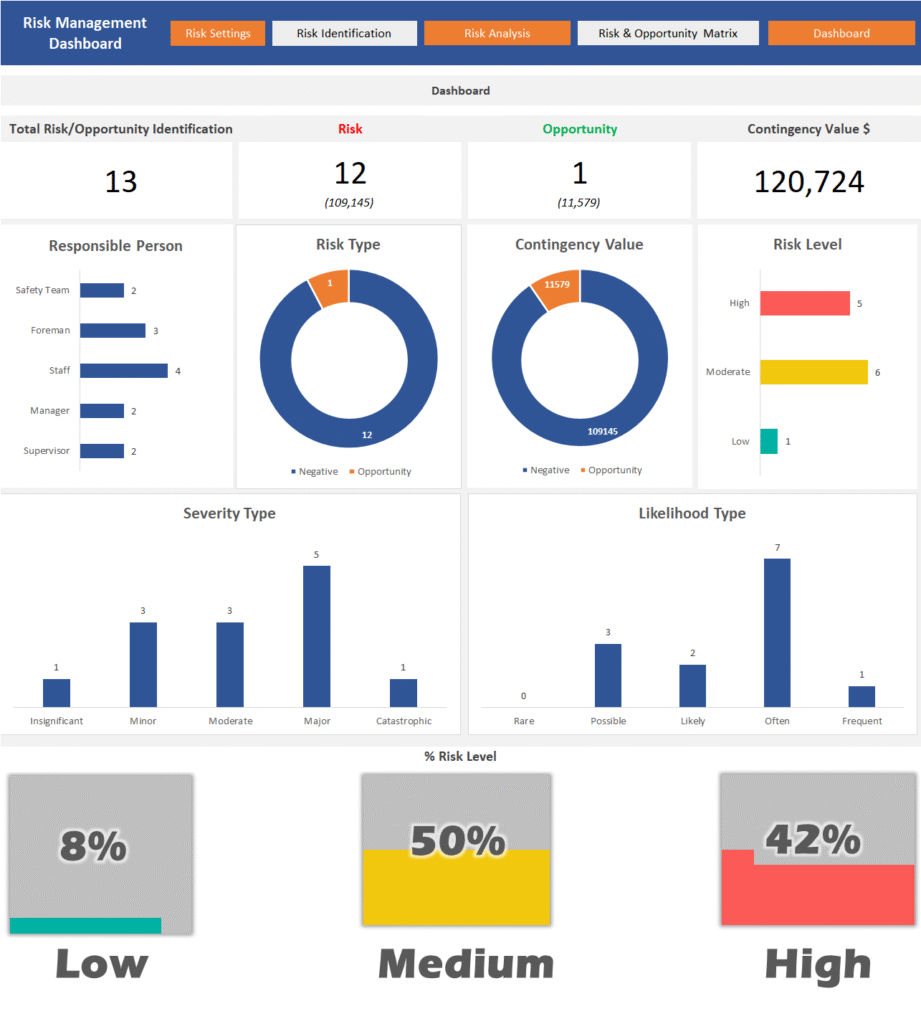
Risk Management Frameworks in Practice
Institutional investors implement formal risk oversight systems.
Key components include:
- Position limits
- Daily valuation and reporting
- Independent custodial verification
- Counterparty diversification
- Stress testing scenarios
- Liquidity buffers
- Insurance coverage where available
Volatility management is central. Bitcoin, for instance, has experienced multiple historical drawdowns exceeding 50%. Institutions prepare for such scenarios before allocating.
Regulatory Landscape in the United States
Regulatory clarity remains a defining factor in institutional participation.
U.S. oversight involves multiple agencies:
- Securities and Exchange Commission (SEC)
- Commodity Futures Trading Commission (CFTC)
- Internal Revenue Service (IRS)
- Financial Crimes Enforcement Network (FinCEN)
Institutions must navigate:
- Securities classification questions
- Anti-money laundering (AML) requirements
- Custody rules
- Tax reporting standards
- Accounting treatment guidelines
Compliance costs are part of the evaluation equation.
Custody: A Non-Negotiable Requirement
Institutional investors require institutional-grade custody solutions.
Unlike retail investors managing private keys directly, institutions typically:
- Use regulated custodians
- Require multi-signature authorization
- Maintain insurance policies
- Conduct third-party audits
- Implement internal access controls
Custody risk has historically been a barrier. Improvements in this area have significantly influenced institutional adoption.
Digital Assets in Pension and Endowment Portfolios
Public pension funds and university endowments face fiduciary obligations. Their participation has therefore been cautious and limited.
When allocations occur, they are often:
- Small relative to total assets
- Structured via diversified funds
- Integrated within alternative investment mandates
For long-term liability-driven investors, volatility remains a concern. However, long time horizons may allow limited exposure where governance committees approve.
Hedge Funds and Active Managers
Hedge funds operate differently. Many view digital assets as:
- Volatility trading opportunities
- Arbitrage environments
- Macro positioning tools
- Venture investment sectors
Active managers may allocate higher percentages due to flexible mandates. However, risk tolerance varies widely across strategies.
Institutional Concerns That Remain
Despite growth, institutions continue to raise legitimate concerns:
- Market manipulation risks
- Regulatory changes
- Accounting standard inconsistencies
- Liquidity fragmentation
- Cybersecurity threats
- Stablecoin counterparty risk
These concerns prevent over-allocation and maintain disciplined exposure limits.
Are Institutions Increasing Exposure in 2026?
Institutional interest appears steady but measured. Surveys conducted by asset management firms in recent years indicate that a meaningful percentage of institutional investors either hold digital assets or are evaluating them.
However, expansion tends to follow regulatory developments and infrastructure improvements—not price surges alone.
Institutional behavior is deliberate, not reactive.
How Retail Investors Can Interpret Institutional Participation
Retail investors often view institutional participation as validation. However, institutions:
- Allocate small percentages.
- Diversify across vehicles.
- Hedge exposures.
- Accept long evaluation timelines.
- Maintain strict governance frameworks.
Imitating institutional behavior requires similar discipline—not concentration or speculation.
Frequently Asked Questions
1. Are pension funds investing in cryptocurrency?
Some have allocated small percentages, typically through structured funds rather than direct holdings.
2. Why don’t institutions allocate more?
Volatility, regulatory uncertainty, and fiduciary constraints limit exposure.
3. Do banks hold digital assets directly?
Some banks provide custody and infrastructure services, but direct balance-sheet exposure varies.
4. Are ETFs safer than direct ownership?
They reduce custody complexity but still carry market risk.
5. What role does regulation play?
Regulatory clarity significantly influences institutional participation.
6. Do institutions treat Bitcoin differently from other tokens?
Often yes. Bitcoin is frequently viewed as more established relative to smaller tokens.
7. Is institutional adoption driving prices?
Institutions influence liquidity, but digital asset markets remain global and multifaceted.
8. Are insurance companies investing?
Some insurers have explored limited allocations, typically with strict capital guidelines.
9. Do institutions use leverage?
Certain hedge funds may, but pension funds and endowments generally avoid excessive leverage.
10. Is institutional participation permanent?
Participation depends on market structure, regulation, and long-term performance.
Governance, Discipline, and the Long View
Institutional investors approach digital assets through governance committees, compliance teams, and risk officers. They emphasize documentation, scenario analysis, and gradual implementation.
The lesson is not that digital assets are risk-free or inevitable. The lesson is that large-scale capital allocators are incorporating them within disciplined frameworks.
Institutions rarely act impulsively. Their measured approach reflects fiduciary duty rather than enthusiasm.
Capital Allocation in an Era of Financial Transformation
Digital assets represent an evolving component of financial markets. Institutional investors are not ignoring them—but neither are they overcommitting.
Their approach is defined by:
- Careful sizing
- Regulatory engagement
- Operational safeguards
- Long-term evaluation
- Portfolio integration rather than replacement
This measured integration reflects how institutional capital adapts to innovation: cautiously, deliberately, and within established governance boundaries.
What the Institutional Playbook Reveals
- Allocations are generally modest.
- Governance precedes capital deployment.
- Custody and compliance are foundational.
- Diversification drives interest—not speculation.
- Risk frameworks remain central.
- Regulatory clarity influences expansion.
- Institutions prioritize long-term structure over short-term performance.