


Summary
Interest rate shifts are reshaping how Americans buy homes—often quietly, but decisively. From smaller loan sizes to longer decision timelines, buyers are adapting their strategies in response to borrowing costs. This article explains how rising and fluctuating rates influence behavior, affordability, negotiations, and long-term planning, offering practical insight grounded in real market conditions and data.
Interest rates rarely dominate headlines the way home prices do, yet they exert a steady, powerful influence over nearly every real estate decision. Over the past few years, Americans have watched mortgage rates rise, stabilize, and fluctuate in ways that feel unfamiliar after more than a decade of historically low borrowing costs. While the surface narrative often focuses on whether rates are “high” or “coming down,” the deeper story is how buyers are subtly changing their behavior in response.
These changes are not dramatic retreats from the market. Instead, they show up in smaller choices—how much buyers borrow, where they’re willing to live, how long they search, and what trade-offs they accept. Understanding these behavioral shifts matters for buyers, sellers, agents, lenders, and policymakers alike, because they shape market activity long before sales data makes it official.
Why Interest Rates Matter More Than Most Buyers Expect
For many Americans, the purchase price of a home feels like the primary constraint. In practice, monthly payment tolerance is often the real limiting factor. Mortgage rates directly affect that payment, sometimes more than modest price changes.
According to data from Freddie Mac, a one-percentage-point increase in mortgage rates can raise monthly payments by hundreds of dollars on a median-priced U.S. home. That change alters affordability without changing the sticker price, quietly narrowing what buyers can reasonably afford.
Buyers respond in ways that aren’t always obvious:
- Reducing loan amounts rather than exiting the market
- Shifting from preferred neighborhoods to adjacent areas
- Choosing smaller homes or different property types
- Reconsidering long-term plans like renovations or expansions
These adaptations don’t look like panic. They look like recalibration.

Slower Decisions and Longer Search Timelines
One of the clearest behavioral changes tied to higher or uncertain interest rates is decision speed. When rates were near historic lows, buyers felt pressure to act quickly. Locking in cheap financing often mattered more than perfect fit.
Today, buyers are taking more time.
Higher monthly costs encourage deeper evaluation:
- Buyers run multiple payment scenarios instead of relying on rough estimates
- Rate lock timing becomes part of the decision, not an afterthought
- Inspection, negotiation, and comparison periods lengthen
Agents across many U.S. markets report fewer impulsive offers and more conditional ones. Buyers want reassurance that they are making a sustainable choice, not just a competitive one.
This slower pace doesn’t mean buyers lack motivation. It reflects greater caution in a higher-cost borrowing environment.
Shifts in Price Sensitivity and Budget Discipline
Interest rate increases tend to sharpen buyers’ sensitivity to price—even among higher-income households. When financing costs rise, buyers become less flexible at the margins.
Rather than stretching budgets, many are setting firmer ceilings:
- Maximum monthly payment targets replace maximum purchase price goals
- Buyers walk away from bidding wars more readily
- Concessions, credits, and buy-downs matter more than list prices
For example, a buyer who once accepted an extra $25,000 in price to secure a home may now prioritize closing cost credits or seller-paid rate reductions instead. The psychology shifts from “winning the house” to “managing the payment.”
This discipline has quietly cooled demand in some markets without triggering sharp price declines.
Growing Interest in Rate Buy-Downs and Creative Financing
As rates climbed, buyers didn’t simply accept higher payments—they began looking for ways to mitigate them. Temporary and permanent rate buy-downs, once niche tools, have become mainstream discussion points.
Common approaches include:
- Seller-funded temporary buy-downs (such as 2-1 structures)
- Permanent rate reductions negotiated in lieu of price cuts
- Adjustable-rate mortgages with conservative planning assumptions
These strategies reflect a more financially literate buyer base. Rather than focusing solely on headline rates, buyers are evaluating total cost over time and assessing risk tolerance more carefully.
Importantly, this behavior suggests confidence that rates may change again—buyers are planning for flexibility, not permanence.
Location Flexibility Is Increasing—Quietly
Interest rate pressure is also changing where buyers are willing to live. Rather than abandoning homeownership, many buyers are widening their geographic criteria.
This shows up in subtle ways:
- Willingness to commute slightly farther for affordability
- Increased interest in secondary suburbs or smaller metro areas
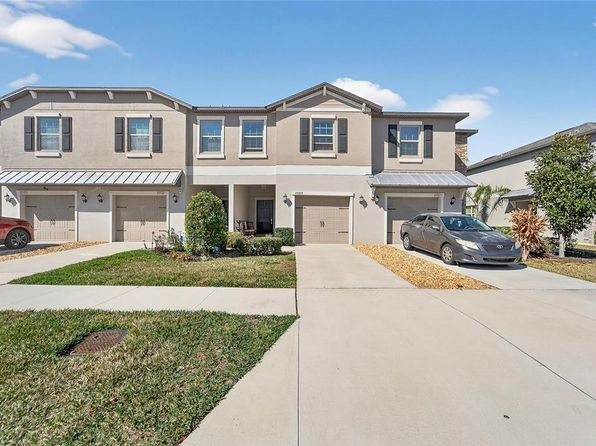
- Openness to townhomes or attached housing near job centers
Census migration data from recent years indicates that affordability concerns, including financing costs, are pushing buyers to reevaluate trade-offs between space, distance, and price. Remote and hybrid work arrangements amplify this effect, allowing buyers to prioritize value over proximity.
The result is not a mass exodus from cities, but a redistribution of demand within regions.
First-Time Buyers Are Adapting Differently Than Repeat Buyers
First-time buyers feel interest rate changes more acutely because they lack home equity and prior mortgage experience. As rates rise, their behavior diverges from repeat buyers in notable ways.
First-time buyers increasingly:
- Delay purchases longer to save larger down payments
- Rely more heavily on affordability programs and grants
- Opt for smaller starter homes with clearer upgrade paths
Repeat buyers, by contrast, often face “rate lock-in” psychology. Many hesitate to sell homes financed at lower rates, reducing inventory and indirectly shaping buyer behavior through limited options.
This dynamic reinforces market segmentation, where first-time buyers adapt while move-up buyers wait.
Negotiation Dynamics Are Shifting Back Toward Balance
Interest rate increases have quietly restored negotiation leverage in many markets. While conditions vary locally, buyers are more willing to ask—and sellers more willing to listen.
Common negotiation points now include:
- Closing cost assistance
- Repair credits rather than repairs themselves
- Flexible timelines to secure financing
This doesn’t mean buyers control the market. Well-priced, desirable homes still attract competition. But rate pressure has softened extremes, creating space for practical compromise.
Over time, this balance may contribute to healthier transaction dynamics overall.
What the Data Suggests About Long-Term Buyer Behavior
Historical data from the Federal Reserve and housing research organizations shows that buyers eventually adapt to higher-rate environments. The adjustment period is behavioral, not structural.
Patterns tend to include:
- Lower transaction volume without widespread distress
- Stabilization of prices rather than dramatic drops
- Increased financial scrutiny and planning by buyers
Today’s buyers are demonstrating these patterns in real time. They are not disappearing—they are recalibrating expectations, timelines, and priorities.

Questions Americans Are Asking About Interest Rates and Home Buying
Are high interest rates stopping people from buying homes?
Not entirely. Rates influence how people buy more than whether they buy, leading to smaller loans, longer searches, and different location choices.
Should buyers wait for rates to fall before purchasing?
That depends on personal finances, job stability, and local market conditions. Many buyers prioritize affordability and flexibility over timing rate cycles.
How much do interest rates really affect monthly payments?
Even small rate changes can significantly alter payments over a 30-year term, often more than modest price fluctuations.
Are adjustable-rate mortgages risky right now?
They can be appropriate for some buyers with strong financial planning, but they require careful understanding of future rate adjustments.
Do sellers need to adjust pricing because of rates?
In many markets, sellers must consider financing costs as part of pricing and concessions, especially if buyer demand softens.
Are first-time buyers at a disadvantage?
They face higher barriers, but many adapt through savings strategies, assistance programs, and adjusted expectations.
How do rate buy-downs work?
Buy-downs reduce the interest rate temporarily or permanently, often funded by sellers or builders to make payments more manageable.
Will rates returning to “normal” change buyer behavior again?
Yes. Buyer behavior evolves with borrowing conditions, but changes tend to be gradual rather than abrupt.
The Quiet Rewriting of Buyer Expectations
Interest rate shifts rarely announce themselves loudly in daily life, yet they steadily rewrite what buyers consider reasonable, affordable, and worthwhile. Today’s buyers are showing a more measured, analytical approach to homeownership—one shaped by real costs rather than optimistic assumptions.
This recalibration may feel uncomfortable for some, but it also reflects a maturing market where decisions are grounded in long-term sustainability rather than short-term urgency.
What This Shift Ultimately Signals
- Buyers are prioritizing payment stability over headline prices
- Flexibility and financial planning are becoming core buying skills
- Market health increasingly depends on adaptation, not acceleration