


Summary
Smart tax planning goes far beyond filing on time. By understanding how income, investments, retirement accounts, and life events interact with the tax code, Americans can reduce long-term tax drag, improve cash flow, and preserve wealth. Strategic planning helps align tax decisions with broader financial goals over decades, not just a single year.
Why Tax Planning Is a Long-Term Financial Lever
Many Americans think about taxes only once a year, usually under deadline pressure. That mindset often leads to reactive decisions—missing opportunities that could meaningfully improve long-term financial outcomes. Smart tax planning is different. It treats taxes as an ongoing factor that influences how income is earned, invested, saved, and transferred over time.
According to IRS data, federal income taxes are the largest single expense for many middle- and upper-income households. Over a 30- or 40-year working life, even small inefficiencies can compound into six-figure differences. Effective tax planning does not eliminate taxes; it manages them deliberately, legally, and in coordination with broader financial goals.
Tax planning works best when it is proactive. Decisions made years in advance—such as how retirement contributions are structured or how assets are titled—often matter more than last-minute deductions.
Tax Planning vs. Tax Preparation: A Critical Distinction
Tax preparation focuses on reporting what already happened. Tax planning focuses on shaping what happens next.
A tax preparer’s role is to ensure accuracy and compliance. A tax planner’s role is to evaluate future decisions and their tax impact. While many professionals offer both services, the value of planning comes from forward-looking analysis rather than historical reporting.
Tax planning often involves:
- Evaluating income timing
- Choosing between account types (taxable, tax-deferred, tax-free)
- Managing capital gains exposure
- Coordinating tax strategy with retirement and estate planning
Understanding this distinction helps set realistic expectations and encourages earlier, more strategic engagement.
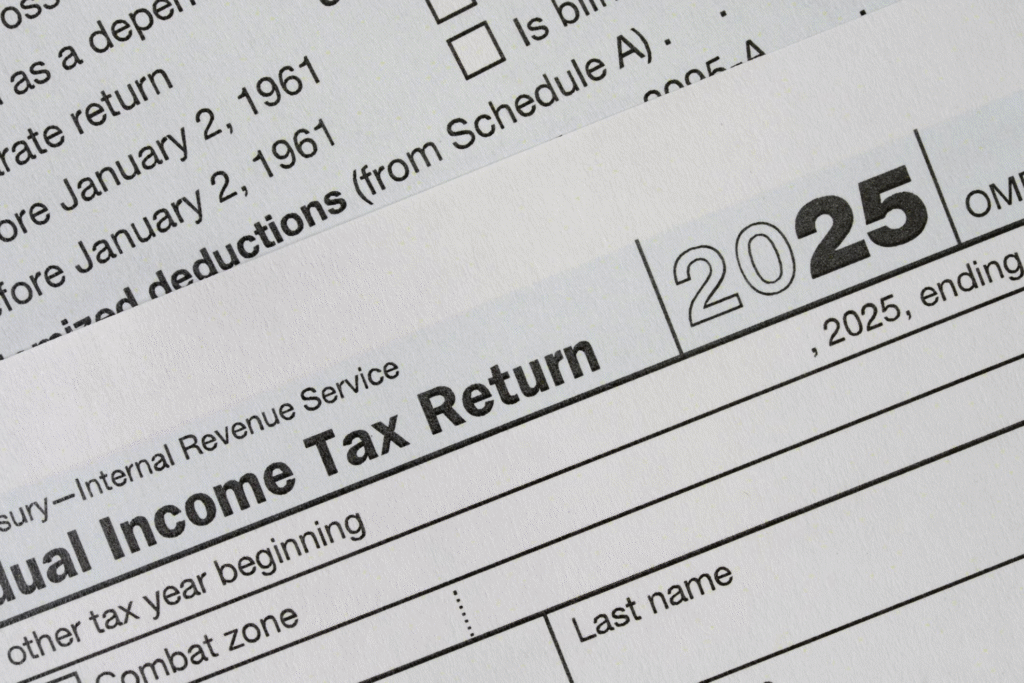
How Taxes Quietly Erode Long-Term Wealth
Taxes affect nearly every financial decision. Income taxes reduce take-home pay. Investment taxes reduce compounding. Estate taxes can reduce what heirs receive. Over time, these effects accumulate.
Consider two investors earning the same gross return. One invests primarily in tax-efficient vehicles, while the other ignores tax impact. After 25 years, the difference in after-tax returns can be substantial—even if pre-tax performance is identical. This “tax drag” is often overlooked because it is incremental rather than dramatic.
Smart planning seeks to:
- Reduce unnecessary taxable events
- Match asset types with appropriate account structures
- Shift income to lower-tax periods when possible
None of these tactics are aggressive. They are structural decisions that improve efficiency over time.
Income Timing: Why When You Earn Matters
The U.S. tax system is progressive, meaning marginal tax rates increase as income rises. Timing income across years can sometimes reduce lifetime tax liability, especially for individuals with fluctuating earnings.
For example, a consultant who expects a high-income year may choose to:
- Defer bonuses when feasible
- Accelerate deductible expenses
- Increase retirement contributions
Conversely, lower-income years can be opportunities to recognize income at favorable rates, such as converting a portion of traditional retirement funds to Roth accounts. These decisions are situational and require careful modeling, but timing often matters more than people realize.
Retirement Accounts as Tax Strategy Tools
Retirement accounts are among the most powerful long-term tax planning vehicles available to Americans. However, many people use them without fully understanding the strategic implications.
Traditional accounts offer tax deductions upfront but create taxable income later. Roth accounts reverse that equation. Taxable brokerage accounts offer flexibility but less shelter. The right mix depends on expected future tax rates, career trajectory, and retirement goals.
Research from the Employee Benefit Research Institute consistently shows that households using diversified tax treatments in retirement accounts are better positioned to manage withdrawals efficiently. Having multiple “tax buckets” allows retirees to control taxable income year by year, potentially reducing Medicare premiums and Social Security taxation.
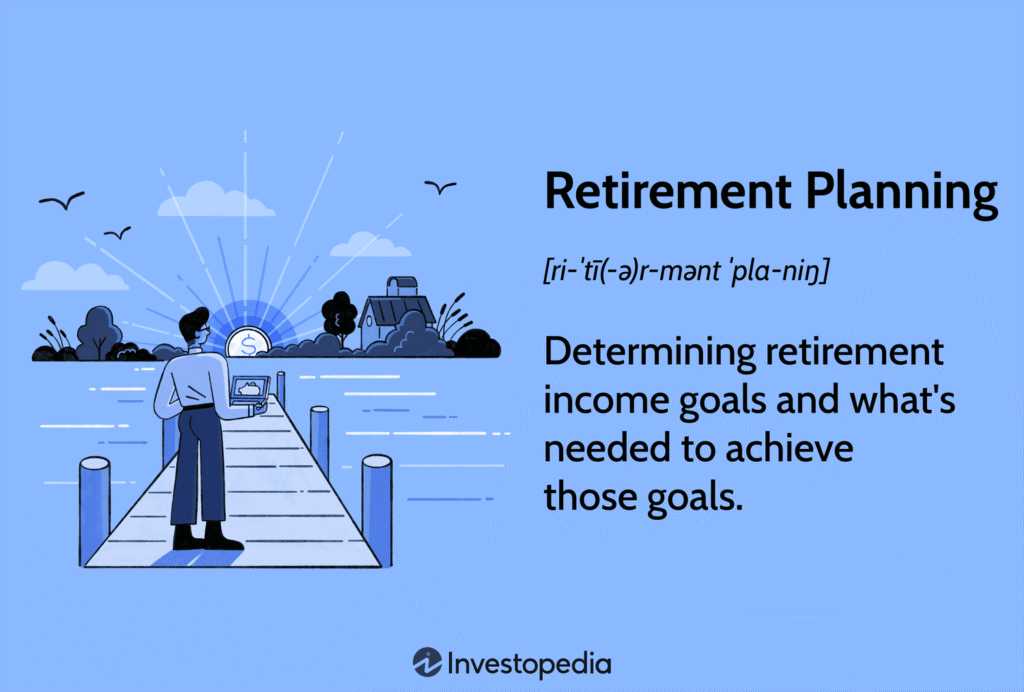
Investment Decisions Through a Tax Lens
Investment returns are only meaningful after taxes. Yet many investors focus exclusively on performance metrics without considering tax efficiency.
Tax-aware investment planning often includes:
- Holding high-turnover or income-generating assets in tax-advantaged accounts
- Using index-based strategies in taxable accounts
- Harvesting capital losses strategically
- Managing holding periods to qualify for long-term capital gains rates
These techniques do not require frequent trading or complex structures. They require awareness of how investments interact with tax rules and patience to let compounding work.
Life Events That Demand Tax Strategy Adjustments
Major life changes often create new tax considerations. Marriage, divorce, home purchases, inheritance, and career changes all alter the tax picture in meaningful ways.
For example, inheriting assets can introduce step-up basis rules that significantly affect capital gains. Selling a home may trigger exclusions or recapture depending on usage. Changing employment status can affect retirement contribution options and deductions.
Smart tax planning adapts to these events rather than reacting after the fact. Reviewing tax strategy during transitions often prevents costly missteps.
Small Business Owners and Independent Earners
Self-employed individuals and business owners face a more complex tax landscape—but also more planning opportunities. Entity structure, compensation methods, retirement plans, and expense timing all influence long-term outcomes.
Data from the Small Business Administration shows that tax complexity is among the top concerns for small businesses. Yet those who engage in consistent planning often gain greater flexibility and predictability. The goal is not aggressive avoidance, but alignment between business operations and tax efficiency.
Estate and Legacy Considerations
Tax planning extends beyond one lifetime. Estate taxes, beneficiary designations, and asset titling affect how wealth transfers across generations.
Even households below federal estate tax thresholds benefit from thoughtful planning. Coordinating beneficiary choices with tax treatment can reduce burdens on heirs and preserve intent. Long-term planning ensures that assets are transferred efficiently and predictably.
How Often Should Tax Planning Happen?
Effective tax planning is not a one-time exercise. It evolves with income, laws, and personal circumstances. Annual reviews are common, but meaningful planning often looks five, ten, or even twenty years ahead.
Periodic reassessment helps:
- Incorporate tax law changes
- Adjust for income shifts
- Rebalance account strategies
- Coordinate with broader financial planning
The most successful plans are flexible rather than rigid.

Frequently Asked Questions
Is tax planning only for high-income earners?
No. While higher incomes create more complexity, thoughtful planning benefits households across income levels.
Can tax planning reduce risk as well as taxes?
Yes. Diversifying tax exposure can reduce uncertainty in retirement and during market volatility.
Is tax planning legal?
Yes. Tax planning uses existing laws and regulations. It differs fundamentally from evasion.
How early should someone start tax planning?
The earlier the better. Even early-career decisions influence long-term outcomes.
Do tax laws change too often for planning to matter?
While laws change, structural principles remain valuable and adaptable.
Should tax planning be coordinated with financial planning?
Absolutely. Isolated decisions are often less effective.
How does tax planning affect retirement withdrawals?
It can significantly influence net income, Medicare costs, and portfolio longevity.
Is professional help always necessary?
Not always, but complex situations benefit from experienced guidance.
Can poor tax planning be fixed later?
Some decisions are reversible; others are not. Early planning reduces regret.
Why Long-Term Tax Awareness Pays Off
Taxes are one of the few financial factors that touch nearly every decision. Ignoring them does not simplify life—it often makes outcomes less predictable. Smart tax planning provides clarity, flexibility, and control. Over decades, those advantages translate into tangible financial resilience, not just lower bills.
Key Themes to Keep in Mind
- Tax decisions compound over time
- Timing often matters more than complexity
- Coordination beats isolated choices
- Flexibility is a form of financial strength