

Summary
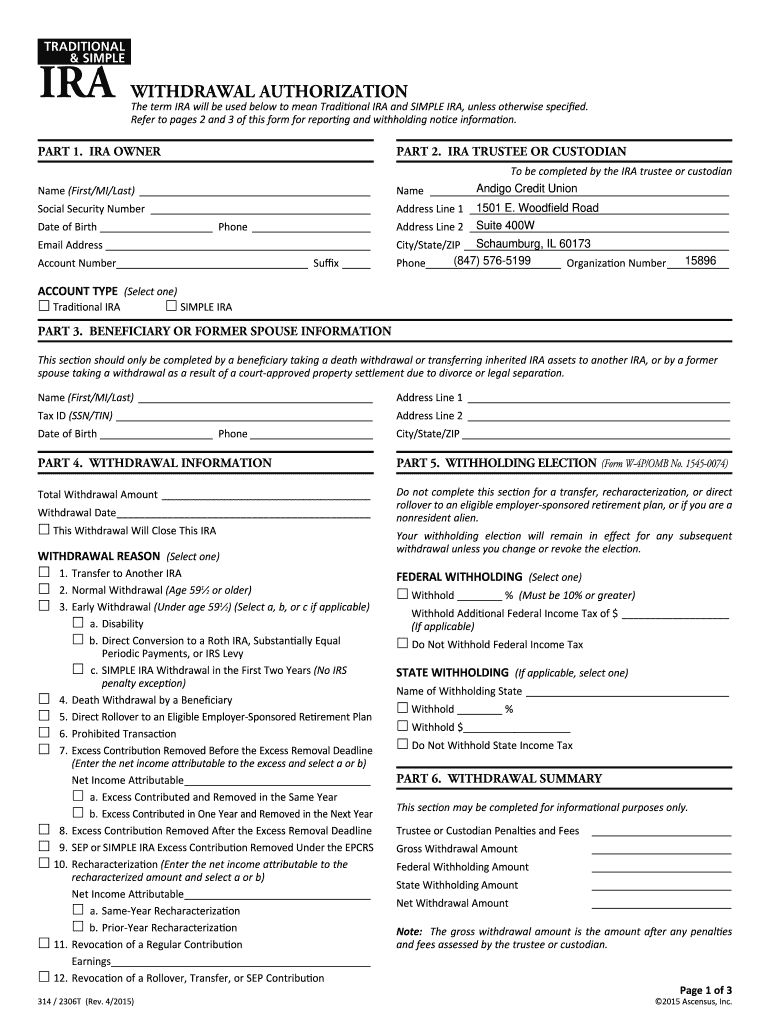
Tax-deferred retirement accounts such as 401(k)s and traditional IRAs allow Americans to postpone taxes while saving. But once withdrawals begin, the rules shift. Income taxes apply, required minimum distributions may kick in, and the timing of withdrawals can affect tax brackets. Understanding how withdrawals are taxed helps retirees plan income streams more efficiently and avoid unnecessary tax surprises.
Understanding the Basics of Tax-Deferred Retirement Accounts
Tax-deferred retirement accounts are one of the most widely used tools for long-term retirement savings in the United States. Millions of workers contribute to accounts such as 401(k)s, 403(b)s, and traditional IRAs because they allow individuals to delay paying taxes on contributions and investment growth.
During your working years, contributions to these accounts are typically made before income taxes are applied. The money then grows tax-deferred, meaning you don’t pay annual taxes on dividends, interest, or capital gains inside the account.
However, tax deferral doesn’t mean tax elimination. When you begin withdrawing funds in retirement, the IRS generally treats those withdrawals as ordinary income.
According to the Investment Company Institute, Americans held more than $12 trillion in defined contribution retirement plans in recent years, much of it in tax-deferred accounts. That means a large portion of retirees eventually face the same question:
What actually happens when you start taking the money out?

What Happens When You Take Your First Withdrawal
Once withdrawals begin, the tax treatment becomes straightforward but important to understand.
Money withdrawn from tax-deferred retirement accounts is usually taxed at your current income tax rate, not the rate you had when you contributed.
For example:
- If you withdraw $40,000 from a traditional 401(k) in a given year
- That amount is generally added to your taxable income
- It may push you into a higher tax bracket depending on your total income
This is why many retirement planners emphasize withdrawal strategy, not just savings strategy.
A retiree who withdraws too much from a tax-deferred account in a single year could face a higher tax bill than expected.
When You’re Allowed to Start Withdrawing
The IRS establishes age rules for tax-deferred retirement withdrawals.
In most cases:
- Age 59½ – You can begin withdrawals without early-withdrawal penalties
- Before 59½ – Withdrawals may face a 10% early withdrawal penalty, plus income tax
- Age 73 – Required Minimum Distributions (RMDs) begin for most accounts under current law
These age rules apply to most tax-deferred retirement accounts.
The early-withdrawal penalty exists to encourage long-term saving, but there are exceptions in some circumstances, such as disability or certain medical expenses.
Required Minimum Distributions: The IRS Timeline
One of the biggest shifts in retirement tax planning occurs when Required Minimum Distributions (RMDs) begin.
RMDs are mandatory withdrawals from tax-deferred accounts once you reach a certain age. The IRS introduced these rules to ensure that deferred taxes eventually get collected.
Currently, under the SECURE 2.0 Act, most retirees must begin RMDs at age 73.
The amount required each year is calculated using:
- Your account balance from the previous year
- Your life expectancy factor from IRS tables
For example:
- A retiree age 73 with a $500,000 IRA
- Life expectancy factor of about 26.5
- First RMD would be roughly $18,868
Failing to take RMDs can result in substantial penalties, though recent legislation has reduced those penalties compared with earlier rules.

How Withdrawals Affect Your Tax Bracket
A common misconception is that retirement automatically leads to lower taxes.
In reality, retirement income often comes from multiple sources:
- Social Security
- Retirement accounts
- Pensions
- Investment income
- Part-time work
When withdrawals from tax-deferred accounts are added to these sources, they can increase taxable income more than expected.
Consider this example.
A married couple receives:
- $36,000 in Social Security
- $20,000 from a pension
- $35,000 from a 401(k)
Their combined taxable income may push them into a higher tax bracket than they anticipated when they first retired.
This is why financial planners often recommend coordinating withdrawals carefully across different types of accounts.
Why Withdrawal Timing Matters
The timing of withdrawals can significantly affect long-term tax outcomes.
For example, some retirees intentionally withdraw smaller amounts from tax-deferred accounts in their early retirement years, before Social Security begins or before RMDs start.
Those early withdrawals may:
- Occur in a lower tax bracket
- Reduce future RMD balances
- Create more predictable retirement income later
This strategy sometimes includes Roth conversions, where money is moved from a traditional IRA into a Roth IRA and taxes are paid upfront.
The potential benefit is that Roth withdrawals later may be tax-free.
However, this decision should be evaluated carefully because conversions increase taxable income in the year they occur.
Coordinating Withdrawals With Social Security
Another important factor involves how withdrawals interact with Social Security taxation.
Depending on income levels, up to 85% of Social Security benefits can become taxable.
Tax-deferred withdrawals may increase the “combined income” used to determine this taxation threshold.
For example:
- A retiree withdraws $30,000 from a traditional IRA
- That withdrawal increases taxable income
- A larger portion of Social Security may then become taxable
This is one reason many retirement planners look at multi-year tax projections, not just annual income.
Managing Withdrawals Over Decades
Retirement can last 25 to 30 years or longer, which means withdrawal planning should consider long-term tax effects.
Instead of taking withdrawals randomly, many retirees follow structured withdrawal strategies.
Common approaches include:
- Tax bracket management – withdrawing only enough to stay within a certain tax bracket
- Diversified withdrawal sources – balancing taxable accounts, tax-deferred accounts, and Roth accounts
- Early retirement withdrawals – using lower-income years strategically
- Gradual IRA drawdowns – reducing future RMD size
These strategies are often discussed in financial planning because they help maintain predictable income while managing taxes over time.
Real-World Example of a Retirement Withdrawal Strategy
Consider a hypothetical example.
Linda retires at age 65 with:
- $600,000 in a traditional IRA
- $150,000 in a taxable brokerage account
- $80,000 in a Roth IRA
Instead of leaving the IRA untouched until RMD age, she withdraws about $25,000 annually from the IRA between ages 65 and 72.
The benefits may include:
- Lower IRA balance when RMDs begin
- Reduced required withdrawals later
- Better control of annual taxable income
By the time she reaches age 73, her required distributions may be smaller than if the account had continued compounding untouched.
While individual outcomes vary, this example illustrates why withdrawal strategy matters as much as savings strategy.
Common Mistakes Retirees Make With Tax-Deferred Accounts
Many retirees encounter avoidable tax surprises because they focus on saving but not on withdrawal planning.
Some of the most common issues include:
- Waiting until RMD age to begin withdrawals
- Taking large one-time withdrawals that trigger higher tax brackets
- Overlooking how withdrawals affect Social Security taxation
- Ignoring the role of Roth accounts in tax diversification
- Forgetting about state income taxes on retirement income
Small planning decisions made early in retirement can significantly influence tax outcomes later.

Frequently Asked Questions
1. Are all withdrawals from tax-deferred accounts taxed?
Most withdrawals from traditional 401(k)s and IRAs are taxed as ordinary income. However, after-tax contributions or certain rollovers may have different tax treatment.
2. What happens if I withdraw money before age 59½?
You may owe regular income tax plus a 10% early withdrawal penalty, unless an exception applies.
3. Do Roth IRAs follow the same rules?
No. Qualified withdrawals from Roth IRAs are typically tax-free, which is why many retirees value having both account types.
4. What are Required Minimum Distributions?
RMDs are mandatory withdrawals from tax-deferred accounts starting at age 73 for most retirees.
5. Can withdrawals affect my Medicare premiums?
Yes. Higher taxable income can increase Medicare Part B and Part D premiums due to income-related adjustments.
6. Are 401(k) withdrawals taxed differently than IRA withdrawals?
Generally, both are taxed as ordinary income, though plan rules may differ slightly.
7. Can I spread withdrawals over multiple accounts?
Yes, many retirees draw income from different account types to manage tax brackets more efficiently.
8. Do states tax retirement withdrawals?
Some states tax retirement income while others do not, which can affect overall retirement tax planning.
9. Should I withdraw retirement money before taking Social Security?
Some retirees do this strategically to use lower tax brackets, though the best approach varies by situation.
10. Do financial advisors help with withdrawal strategies?
Many advisors focus on retirement income planning, which includes coordinating withdrawals to manage taxes and preserve assets.
The Long-Term Perspective on Retirement Withdrawals
Tax-deferred retirement accounts provide powerful savings advantages during working years, but their true impact becomes clearer during retirement.
Once withdrawals begin, the decisions surrounding timing, tax brackets, Social Security interaction, and required distributions can shape income and taxes for decades.
For many retirees, the goal is not simply minimizing taxes in one year, but maintaining consistent, sustainable income while managing tax exposure over the long term.
Understanding how withdrawals work is a critical step toward making retirement income more predictable.
Key Points to Remember About Tax-Deferred Withdrawals
- Tax-deferred accounts postpone taxes but do not eliminate them
- Withdrawals are typically taxed as ordinary income
- Early withdrawals before age 59½ may trigger penalties
- Required Minimum Distributions usually begin at age 73
- Withdrawal timing can affect tax brackets and Social Security taxation
- Coordinating multiple retirement accounts can improve tax flexibility
- Long-term planning often produces more predictable outcomes