

Summary
Zoning rules and local housing policies play a decisive role in how much housing gets built in the United States. From limits on density to lengthy approval processes, local decisions shape affordability, supply shortages, and where growth occurs. Understanding these policies helps explain why housing remains scarce—and what realistic reforms can change.
Introduction: Why Local Rules Matter More Than National Headlines
When Americans talk about the housing shortage, the conversation often centers on mortgage rates, construction costs, or population growth. Those factors matter—but they don’t fully explain why housing supply remains constrained even in strong economic cycles. The more decisive influences are often local: zoning codes written decades ago, approval processes shaped by political pressure, and municipal policies that quietly determine what can—and cannot—be built.
Unlike federal interest rate policy or national lending standards, zoning and land-use decisions are made city by city, sometimes neighborhood by neighborhood. These local rules affect everything from the size of a home to the number of units allowed on a single lot. Over time, they accumulate into structural supply constraints that shape prices, rents, and housing availability across the country.
Understanding how zoning and local policy influence housing supply isn’t just an academic exercise. It helps explain why some regions build abundantly while others remain chronically short of housing—and why affordability varies so widely across the U.S.
What Is Zoning, and How Does It Affect Housing Supply?
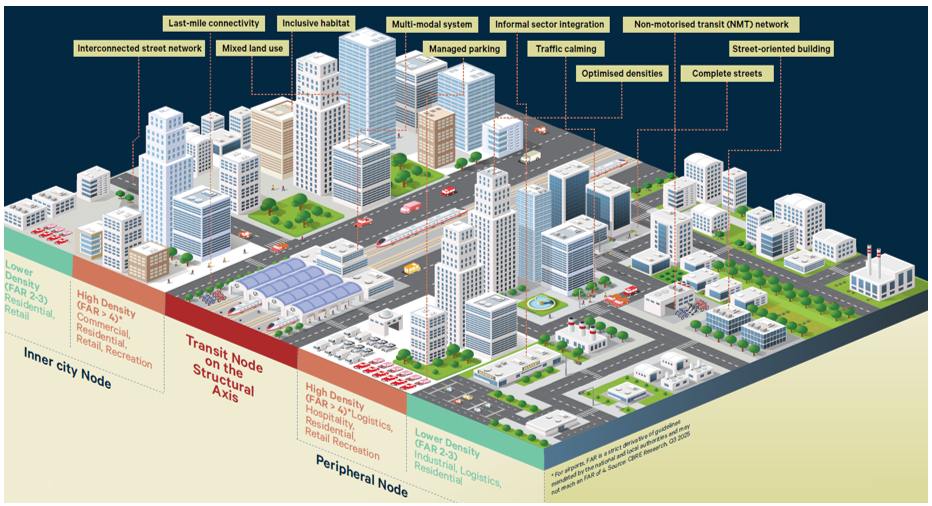
Zoning laws govern how land can be used. Most American cities divide land into residential, commercial, industrial, and mixed-use categories, then further regulate density, building height, lot size, parking requirements, and unit types within each zone.
At a practical level, zoning determines whether a piece of land can support:
- A single-family home only
- A duplex or small apartment building
- Mixed-use development with housing above retail
- Accessory dwelling units (ADUs) like backyard cottages
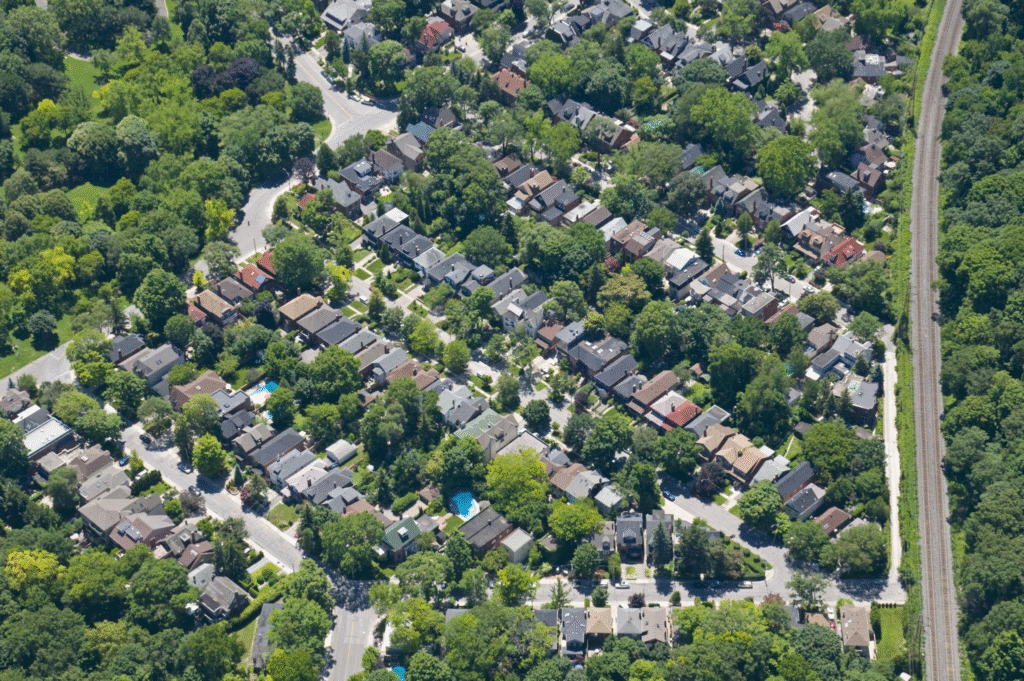
In many U.S. cities, especially those with high housing demand, zoning heavily favors single-family development. According to research from the Brookings Institution, more than 70% of residential land in many metro areas is restricted to detached single-family homes. This severely limits the number of units that can be built—even where demand is strongest.
When land use is capped this way, housing supply grows slowly, if at all. Over time, prices rise not because demand is unusual, but because supply is structurally constrained.
Density Limits and the Cost of Scarcity
Density restrictions are among the most powerful supply constraints in local zoning codes. Rules such as minimum lot sizes, maximum floor-area ratios, and height limits directly cap how many homes can be built on valuable land.
For example, a centrally located parcel that could support 20 apartments under a higher-density zoning designation may be limited to just one or two homes under existing rules. The result is fewer housing units, higher per-unit land costs, and elevated prices.
Cities like Minneapolis made national headlines when they eliminated single-family-only zoning citywide in 2019. While the reform did not instantly solve affordability challenges, it removed a key regulatory barrier to incremental density, allowing duplexes and triplexes in areas previously closed to them.
Density reforms tend to produce gradual but meaningful supply increases—especially when paired with streamlined permitting and infrastructure investment.
Approval Processes: The Hidden Bottleneck
Even where zoning technically allows housing, the approval process can quietly restrict supply. In many jurisdictions, new developments require multiple discretionary approvals, public hearings, environmental reviews, and design board sign-offs.
These processes introduce uncertainty, delays, and costs that discourage builders—particularly smaller developers. A project that takes five years to approve instead of one year becomes significantly more expensive, and some projects never move forward at all.
According to the National Association of Home Builders, regulatory costs account for roughly 25% of the final price of a new single-family home and over 40% for multifamily development in some markets. These costs are ultimately passed on to buyers and renters.
Lengthy approval timelines also make housing supply less responsive to changing demand, worsening shortages during periods of population growth or economic expansion.
Parking Requirements and Their Unintended Effects
Mandatory parking minimums are another local policy with outsized impact on housing supply. Many cities require one or more off-street parking spaces per housing unit, regardless of proximity to transit or actual car ownership patterns.
Parking requirements:
- Increase construction costs
- Reduce buildable space for housing units
- Make small or infill projects financially unviable
In dense urban areas, structured parking can add tens of thousands of dollars per unit. Cities such as Buffalo and San Diego have begun eliminating parking minimums near transit corridors, freeing up land and lowering development costs without increasing congestion as much as critics feared.
Local Opposition and the Politics of Housing
Zoning decisions are deeply political. Homeowners often oppose new development out of concern for traffic, neighborhood character, or property values. This opposition—sometimes referred to as “neighborhood veto power”—can stall or block projects even when they comply with zoning rules.
Public hearings and discretionary approvals amplify this dynamic, giving small groups disproportionate influence over housing outcomes. While community input is important, excessive veto points can make it nearly impossible to add housing in high-demand areas.
Research from Harvard University has shown that regions with more fragmented local governance and stronger neighborhood opposition tend to produce less housing relative to demand, contributing to higher prices.
Case Study: Why Some Cities Build More Than Others
Comparing cities highlights how zoning and policy shape outcomes.
Houston, often cited for its relative affordability, has minimal traditional zoning and allows greater flexibility in land use. While not without challenges, the city consistently produces more housing per capita than many coastal metros.
By contrast, cities like San Francisco combine strict zoning, height limits, environmental review requirements, and strong neighborhood opposition. Despite enormous demand, housing production remains constrained, keeping prices among the highest in the nation.
The lesson isn’t that zoning should be eliminated, but that policy design strongly influences housing outcomes.
State-Level Intervention: A Growing Trend
As housing shortages persist, more states are stepping in to override local zoning rules. States including California, Oregon, and Massachusetts have passed laws requiring cities to allow more housing types, particularly near transit and job centers.
These policies reflect a growing recognition that local control, while valuable, can also entrench scarcity. State-level frameworks aim to set minimum standards for housing production while still allowing local customization.
Early evidence suggests these reforms increase permitted housing capacity, though actual construction depends on market conditions and enforcement.
How Zoning Affects Different Types of Housing
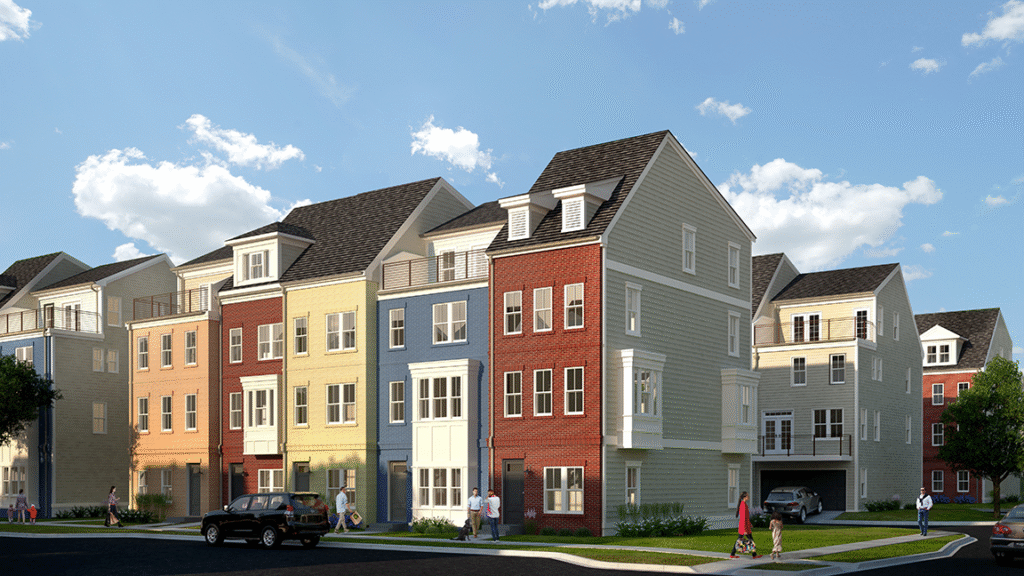
Local policy doesn’t affect all housing equally. Entry-level and “missing middle” housing—such as duplexes, townhomes, and small apartment buildings—are often the most constrained by zoning rules.
Luxury developments, by contrast, are more likely to absorb regulatory costs and delays. This dynamic skews new supply toward higher-priced units, even when demand is strongest at moderate price points.
Reforms that legalize smaller multifamily buildings in residential neighborhoods can help diversify supply and support more attainable housing options.
What Americans Are Asking About Zoning and Housing
Many housing questions Americans search for online trace back to zoning and local policy:
- Why is housing so expensive in growing cities?
- Why can’t developers build more homes where people want to live?
- Why do new homes tend to be larger and more expensive?
- How do local governments influence rent and home prices?
The answers often lie not in market failure, but in policy design.

Frequently Asked Questions
1. What is the biggest zoning barrier to housing supply?
Single-family-only zoning and density limits are among the most restrictive barriers in high-demand areas.
2. Do zoning reforms lower housing prices immediately?
No. They increase long-term supply capacity, which moderates prices over time rather than causing sudden drops.
3. Why don’t cities just rezone everything?
Infrastructure capacity, political opposition, and planning constraints limit how quickly zoning can change.
4. How do parking requirements affect housing costs?
They raise construction costs and reduce the number of units that can be built on a site.
5. Are state zoning overrides effective?
They can be, especially when paired with enforcement and funding for infrastructure.
6. Does zoning impact renters and buyers differently?
Both are affected, but renters often feel the impact sooner through rising rents.
7. What is “missing middle” housing?
Housing types between single-family homes and large apartment buildings, such as duplexes and fourplexes.
8. Can zoning reforms increase density without harming neighborhoods?
Yes, especially when changes allow gradual, small-scale density rather than large disruptions.
9. Why does local opposition have so much influence?
Because many zoning decisions rely on discretionary approvals and public hearings.
The Policy Choices That Shape Where—and Whether—Homes Get Built
Housing supply in the U.S. is not constrained by a lack of land or builders. It is constrained by policy choices made at the local level, often with long-term consequences that extend far beyond city boundaries. Zoning and local rules determine whether housing can respond to demand or remain artificially scarce.
As more Americans confront affordability challenges, understanding these policies becomes essential—not just for planners and developers, but for voters, homeowners, and renters alike.
What This Means in Plain Terms
- Local zoning rules often matter more than national housing trends
- Density limits and approval delays significantly restrict supply
- Parking and design requirements add hidden costs
- State-level reforms are reshaping local control
- Long-term affordability depends on policy, not just markets