

Summary
New residential developments across the United States are evolving rapidly as buyer expectations shift toward flexibility, sustainability, and lifestyle-driven design. Modern communities now prioritize energy efficiency, adaptable spaces, wellness features, and neighborhood connectivity. Understanding these emerging design trends helps homebuyers, investors, and developers make smarter decisions about where—and how—future housing will be built.
Why Residential Design Is Changing So Quickly
Residential design in the United States has entered a period of rapid transformation. Demographic shifts, remote work, sustainability demands, and rising housing costs are all influencing how new communities are planned and how homes are designed.
According to the National Association of Home Builders (NAHB), more than 70% of builders report that buyers now prioritize energy efficiency, flexible floor plans, and outdoor living spaces when evaluating new homes. At the same time, local zoning reforms and urban density pressures are encouraging developers to rethink traditional suburban layouts.
The result is a new generation of residential developments that blend practicality, lifestyle amenities, and long-term sustainability.
Unlike older housing subdivisions designed around large, single-use homes, today’s developments are increasingly planned as integrated living environments. These communities emphasize walkability, shared amenities, environmental efficiency, and adaptable home designs.
Understanding these trends is useful not only for buyers but also for investors, planners, and policymakers shaping the next era of American housing.
The Rise of Flexible Floor Plans
One of the most noticeable changes in new residential developments is the shift toward multi-functional living spaces.
Over the past decade—and particularly since the remote work surge following the pandemic—homebuyers increasingly want homes that can adapt to changing needs.
Traditional layouts with rigidly defined rooms are giving way to spaces designed for multiple purposes.
Examples include:
- Home offices that convert into guest rooms
- Open living areas that support both work and family activities
- Sliding walls or partitions that allow rooms to expand or divide
- Basement spaces designed for rental units or multi-generational living
Developers have responded by introducing “flex rooms” in many new homes. These rooms may function as a gym, office, playroom, or extra bedroom depending on the homeowner’s needs.
A growing number of builders also design homes that allow future expansion, such as unfinished basement suites or optional garage loft apartments.
This flexibility reflects a simple reality: people want homes that evolve with their lifestyles rather than forcing them to move when circumstances change.
Sustainability Is Now a Core Design Priority
Sustainability has moved from a niche feature to a mainstream expectation in residential design.
Many new developments are now built around energy efficiency, water conservation, and climate resilience.
Several factors are driving this shift:
- Rising energy costs
- State and local efficiency standards
- Growing consumer interest in environmentally responsible homes
Modern developments often include features such as:
- High-performance insulation and windows
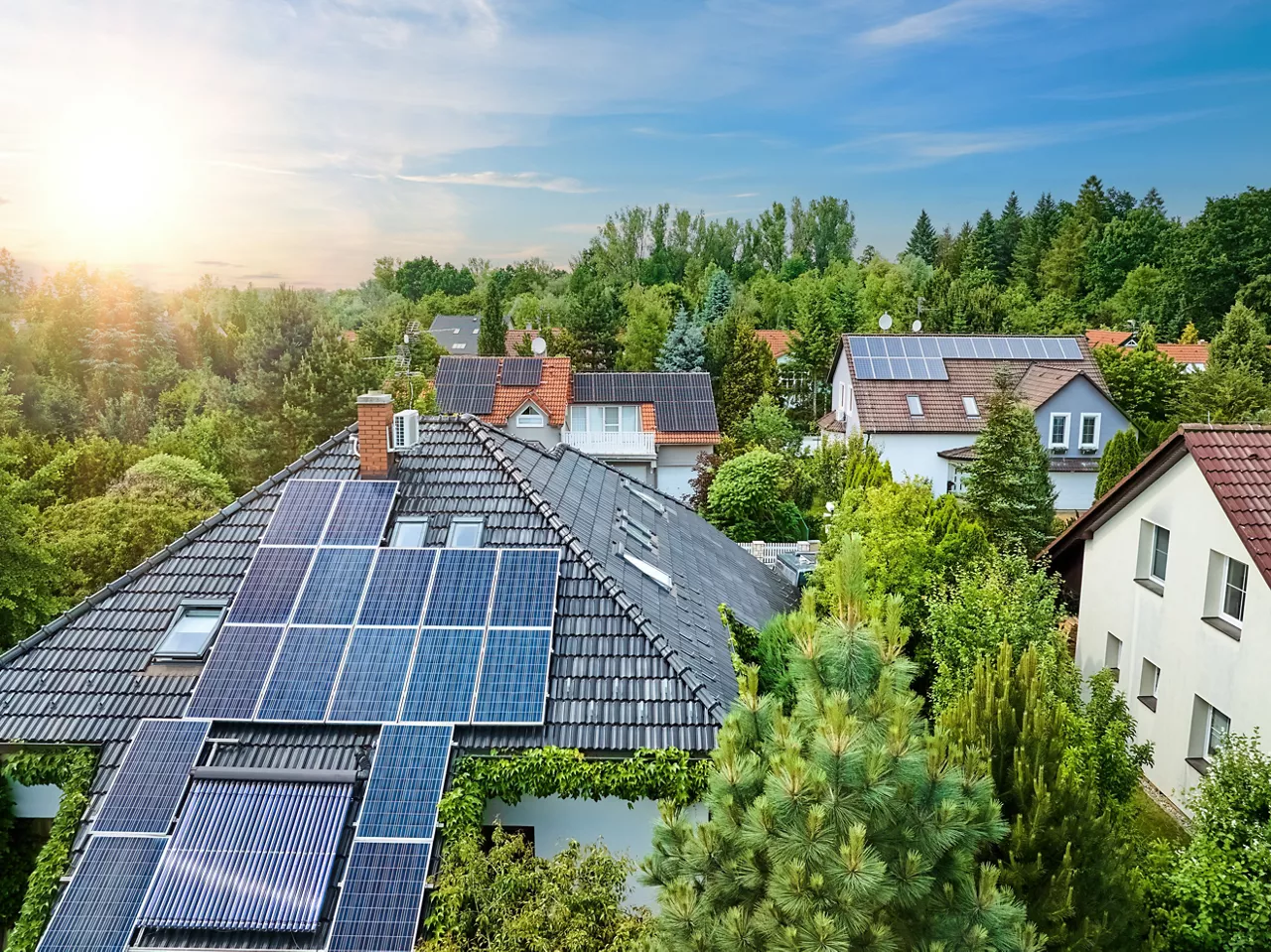
- Solar-ready roofing systems
- Energy-efficient HVAC systems
- Smart thermostats and energy monitoring
- Native landscaping that reduces irrigation needs
In states like California, solar panels are now required on most new homes, pushing builders nationwide to integrate renewable energy planning into residential projects.
Green design also extends beyond the individual home. Many communities now include stormwater management systems, permeable sidewalks, and preserved green spaces to reduce environmental impact.
These changes are not just environmentally beneficial—they can also reduce long-term operating costs for homeowners.
Outdoor Living Spaces Are Becoming Essential
Outdoor living areas have become one of the most influential design features in modern residential developments.
Instead of treating backyards as unused space, developers are designing homes where outdoor environments function as natural extensions of indoor living.
This trend reflects both lifestyle changes and growing interest in wellness-focused design.
Common features now include:
- Covered patios or outdoor kitchens
- Fire pits and communal gathering spaces
- Large sliding doors connecting indoor and outdoor areas
- Rooftop terraces in urban developments
- Landscaped walking trails throughout neighborhoods
According to surveys from real estate platforms like Zillow, listings that highlight outdoor living features often receive higher buyer interest and sell faster.
In dense developments such as townhome communities or urban infill projects, shared outdoor amenities—like pocket parks or rooftop lounges—help compensate for smaller private yards.
Walkable Communities and Lifestyle Amenities
Modern residential developments increasingly focus on community experience, not just individual homes.
In many new projects, developers plan neighborhoods with built-in amenities designed to support daily life without relying heavily on cars.
These communities often incorporate elements of mixed-use planning, blending residential housing with retail, parks, and services.
Examples include:
- Neighborhood cafés and small retail spaces
- Community pools and fitness centers
- Co-working lounges for remote workers
- Dog parks and playgrounds
- Walking trails connecting homes to shared spaces
Walkability has become a particularly strong selling point. Studies from Smart Growth America show that walkable neighborhoods tend to attract higher property values and stronger long-term demand.
The goal is to create neighborhoods where residents can socialize, exercise, and run errands within a short walk or bike ride.
Smaller Homes With Smarter Layouts
Another significant trend in new residential developments is the gradual shift toward smaller but more efficient homes.
Rising construction costs and affordability challenges have pushed developers to rethink traditional home sizes.
Rather than simply shrinking homes, builders are focusing on smarter layouts that maximize usable space.
Examples include:
- Built-in storage throughout the home
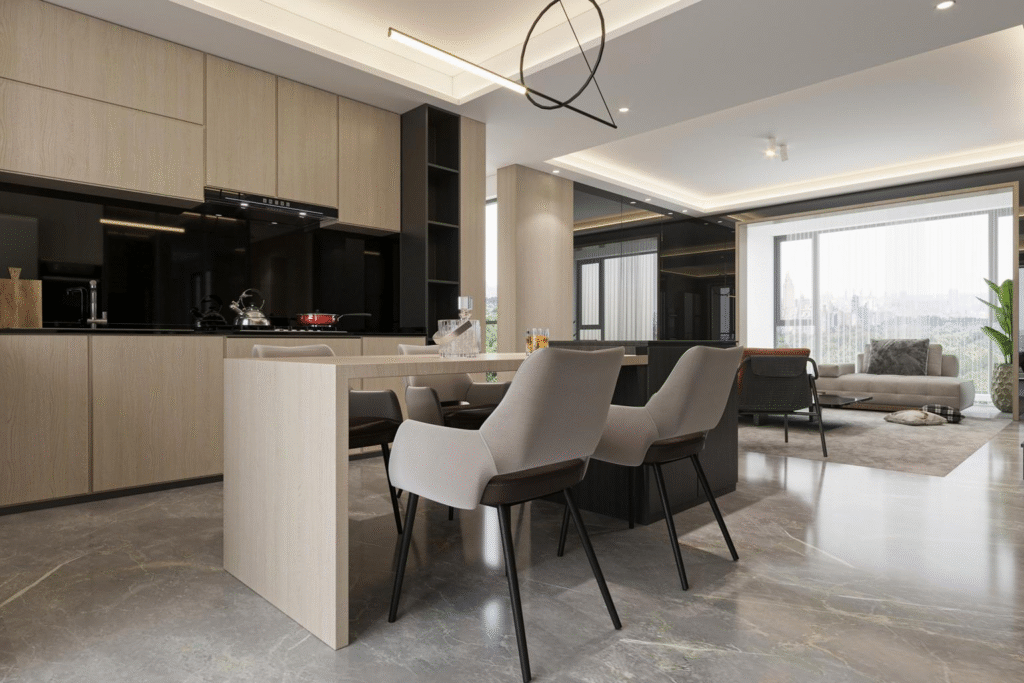
- Kitchen islands that double as dining areas
- Combined laundry and mudroom spaces
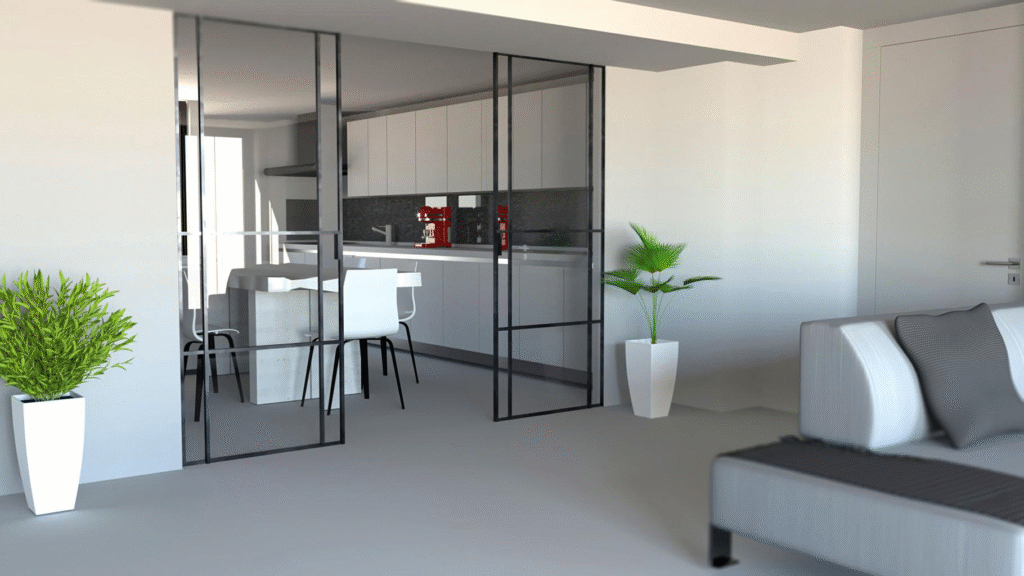
- Pocket doors to save floor area
- Multi-purpose loft spaces
This approach allows homes to remain comfortable while reducing construction costs and energy usage.
Townhomes, duplexes, and cottage-style clusters are also becoming more common in new developments, offering buyers lower entry prices while maintaining access to neighborhood amenities.
Smart Home Technology Integration
Smart technology has rapidly become a standard feature in many new residential developments.
Builders increasingly pre-install connected systems that allow homeowners to manage their homes more efficiently.
Common smart home features now include:
- Smart lighting systems
- Integrated security cameras and doorbells
- App-controlled thermostats
- Energy monitoring dashboards
- Smart garage door controls
In some master-planned communities, developers are experimenting with community-wide smart infrastructure, including shared Wi-Fi networks, smart street lighting, and app-based community management systems.
For buyers who value convenience and security, these technologies have become a significant selling point.
Multi-Generational Housing Is Expanding
Changing demographics are also influencing residential design.
With rising housing costs and longer life expectancy, more families are choosing multi-generational living arrangements.
Developers have responded by designing homes that allow privacy while keeping family members under one roof.
Popular design solutions include:
- In-law suites with private entrances
- Garage apartments
- Dual primary bedroom layouts
- Separate living areas within the same home
These designs help families support aging parents or adult children while maintaining independence.
Multi-generational housing has grown particularly quickly in regions with high housing costs, where sharing a home can significantly reduce financial pressure.
Design Trends in Urban vs. Suburban Developments
Although many trends apply nationwide, residential design varies depending on location.
Urban Developments
In cities, space constraints and density often lead to:
- Mid-rise condo or apartment buildings
- Rooftop shared amenities
- Limited parking or car-free planning
- Micro-units or compact floor plans
Urban developments often emphasize transit access and walkability rather than private space.
Suburban Developments
Suburban communities still prioritize private homes but increasingly incorporate:
- Smaller lots with shared amenities
- Neighborhood centers or retail clusters
- Community parks and trails
- Hybrid work-friendly home layouts
The line between urban and suburban development styles is gradually blurring as planners aim to combine convenience with livability.
What Buyers Should Look for in New Developments
For prospective homebuyers, understanding these design trends can help evaluate which communities will remain desirable over time.
Key factors worth evaluating include:
- Long-term energy efficiency and sustainability features
- Flexibility of the home’s layout
- Quality and accessibility of shared amenities
- Walkability and community connectivity
- Future resale potential
Developments that integrate lifestyle amenities, sustainability, and adaptable design often maintain stronger property values over time.
Frequently Asked Questions
What are the biggest trends in new residential developments?
Major trends include flexible floor plans, energy-efficient construction, smart home technology, walkable communities, and expanded outdoor living spaces.
Why are new homes getting smaller?
Rising land and construction costs have encouraged builders to design smaller homes with more efficient layouts, allowing buyers to maintain affordability while preserving functionality.
Are smart homes becoming standard in new developments?
Yes. Many new homes now include pre-installed smart thermostats, security systems, lighting controls, and energy monitoring features.
What is a master-planned community?
A master-planned community is a large residential development designed with coordinated amenities, parks, and infrastructure to create a cohesive neighborhood environment.
Why do new developments focus on walkability?
Walkable neighborhoods improve quality of life, reduce reliance on cars, and often support stronger property values.
Are sustainable homes more expensive?
Upfront construction costs can be slightly higher, but energy-efficient homes often reduce long-term utility expenses.
What is a flex room in modern homes?
A flex room is a space designed to serve multiple purposes, such as an office, guest room, gym, or playroom.
Why are outdoor living spaces becoming so popular?
Outdoor areas provide additional usable space, support wellness-focused lifestyles, and allow homeowners to entertain more easily.
Are multi-generational homes becoming more common?
Yes. Rising housing costs and demographic shifts have increased demand for homes that support extended family living.
Do new developments hold their value better?
Developments that incorporate modern amenities, efficient design, and strong community planning often maintain stronger resale demand.
Looking Ahead: The Future Shape of American Neighborhoods
Residential development in the United States is shifting toward a more holistic approach to housing. Instead of focusing only on individual homes, developers are designing entire neighborhoods that support evolving lifestyles.
Flexibility, sustainability, technology integration, and community connectivity will likely define the next generation of housing. As economic and demographic conditions continue to change, the most successful developments will be those that anticipate how people actually want to live—not just today, but decades into the future.
Key Insights at a Glance
- Residential developments now prioritize lifestyle design rather than just home size
- Flexible floor plans allow homes to adapt to remote work and changing family needs
- Sustainability and energy efficiency are becoming baseline expectations
- Walkable neighborhoods with shared amenities attract strong buyer interest
- Outdoor living spaces are increasingly integrated into home design
- Smart home technology is becoming standard in new construction
- Multi-generational housing options are expanding
- Smaller homes with smarter layouts are improving affordability