


Summary
Land developers play a critical role in shaping how American communities grow. They transform undeveloped land into neighborhoods, commercial districts, and mixed-use environments through planning, infrastructure investment, zoning coordination, and construction partnerships. This article explains how land development works, the steps developers follow, costs involved, risks they manage, and how their work influences housing supply, local economies, and long-term community planning.
Understanding the Role of Land Developers
Land developers are responsible for converting raw or underutilized land into usable real estate. Their work typically occurs long before builders begin constructing homes or businesses open their doors. Developers identify suitable land, secure approvals, design infrastructure, and prepare sites for vertical construction.
In the United States, land development is a major component of the real estate industry. According to data from the National Association of Home Builders (NAHB), roughly 60–70% of the cost of a new home in many markets is tied to land acquisition and development costs, including permitting, infrastructure, and regulatory compliance.
Developers act as the bridge between undeveloped land and finished communities. Their responsibilities often include coordinating with architects, engineers, city planners, environmental consultants, contractors, and lenders.
Unlike homebuilders, developers typically focus on preparing land rather than constructing buildings. In many cases, they sell finished lots to builders who then construct homes or commercial structures.
Why Land Development Matters for Communities
Land development directly affects housing availability, infrastructure expansion, and local economic growth. As populations expand, cities and suburbs rely on developers to create the land-ready foundations for future housing, retail, and employment centers.
A well-planned development can create entire neighborhoods with schools, parks, utilities, and transportation access already built into the design.
The benefits of responsible development often include:
- Increased housing supply
- Expansion of tax revenue for local governments
- New jobs during construction and long-term operations
- Infrastructure improvements such as roads and utilities
- Organized community planning instead of unplanned sprawl
For example, many suburban areas surrounding cities like Dallas, Phoenix, and Atlanta have expanded through master-planned developments where land developers prepared thousands of acres for residential and commercial use.

The Step-by-Step Process of Land Development
Land development is a long process that often takes three to ten years from initial acquisition to final construction. Each stage requires specialized expertise and significant financial investment.
1. Land Acquisition
Developers begin by identifying land with strong growth potential. This could be farmland near expanding suburbs, industrial land ready for redevelopment, or large parcels on the edge of growing metro areas.
During acquisition, developers analyze:
- Local population growth
- Zoning regulations
- Infrastructure access
- Environmental constraints
- Market demand for housing or commercial space
A developer might purchase 200 acres near a growing suburb anticipating future demand for housing over the next decade.
2. Feasibility and Market Analysis
Before moving forward, developers conduct feasibility studies to determine whether the project will be profitable.
These studies examine:
- Construction costs
- Land preparation expenses
- Market demand
- Expected sale prices
- Financing options
For instance, if the cost to prepare a residential lot exceeds the price builders are willing to pay, the project may not proceed.
3. Zoning and Entitlement
Entitlement is one of the most complex phases of development. Developers must obtain government approval to build according to a specific land use plan.
This typically involves:
- Rezoning applications
- Public hearings
- Environmental impact studies
- Infrastructure planning reviews
The entitlement process can take years depending on local regulations and community feedback.
4. Site Planning and Engineering
Once approvals are secured, developers work with civil engineers and planners to design the development layout.
Plans usually include:
- Road networks
- Water and sewer systems
- Drainage and stormwater systems
- Utility corridors
- Lot configurations
- Parks and open space
A large subdivision might include hundreds of residential lots along with sidewalks, green spaces, and community amenities.
5. Infrastructure Installation
This phase is often the most capital-intensive. Developers build the foundational infrastructure that makes land usable.
Typical infrastructure includes:
- Roads and sidewalks
- Sewer and water lines
- Electrical and gas connections
- Stormwater systems
- Grading and drainage improvements
Once infrastructure is installed, individual lots can be sold to builders.
6. Lot Sales and Vertical Construction
After the land is prepared, developers sell lots to homebuilders or commercial builders.
Homebuilders then construct houses, while commercial developers may build retail centers, offices, or apartments.
The developer’s profit typically comes from selling improved land at a higher value than its original purchase price plus development costs.
Types of Land Development Projects
Land development varies widely depending on project size and intended use. Some projects focus solely on housing, while others combine residential, commercial, and recreational spaces.
Common types of developments include:
Residential Subdivisions
These projects prepare land for single-family homes, townhomes, or apartment complexes.
Large suburban developments may include thousands of homes built over multiple phases.
Master-Planned Communities
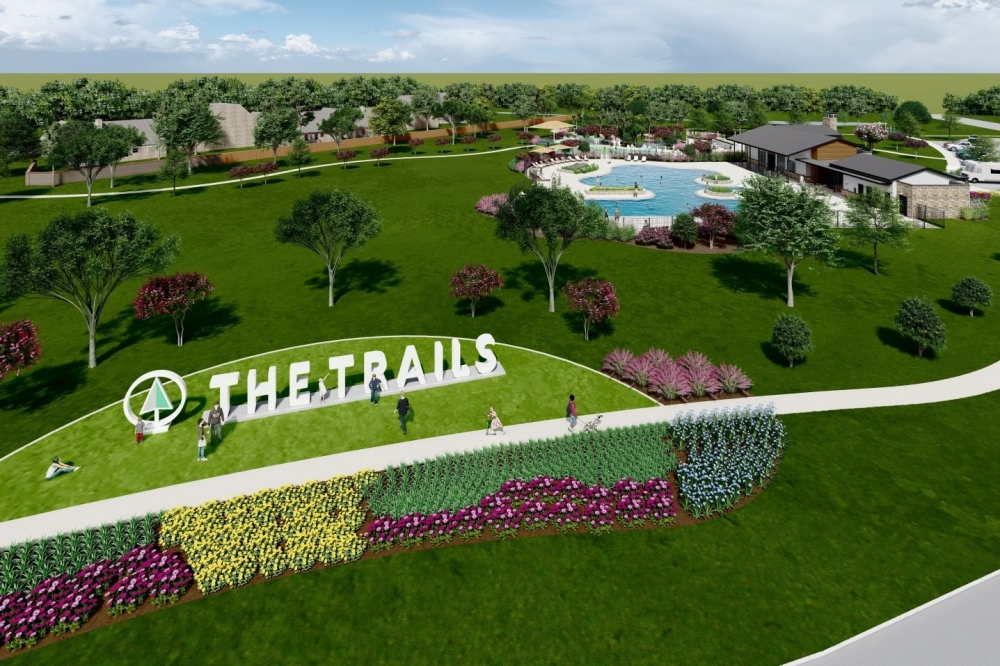
Master-planned communities are large developments that include housing, retail areas, schools, parks, and recreational amenities within a single integrated plan.
Examples across the U.S. include developments spanning thousands of acres designed to function like small towns.
Commercial Land Development
Developers also prepare land for retail centers, office parks, warehouses, and industrial facilities.
E-commerce growth has significantly increased demand for industrial land development near major highways and logistics hubs.
Mixed-Use Developments
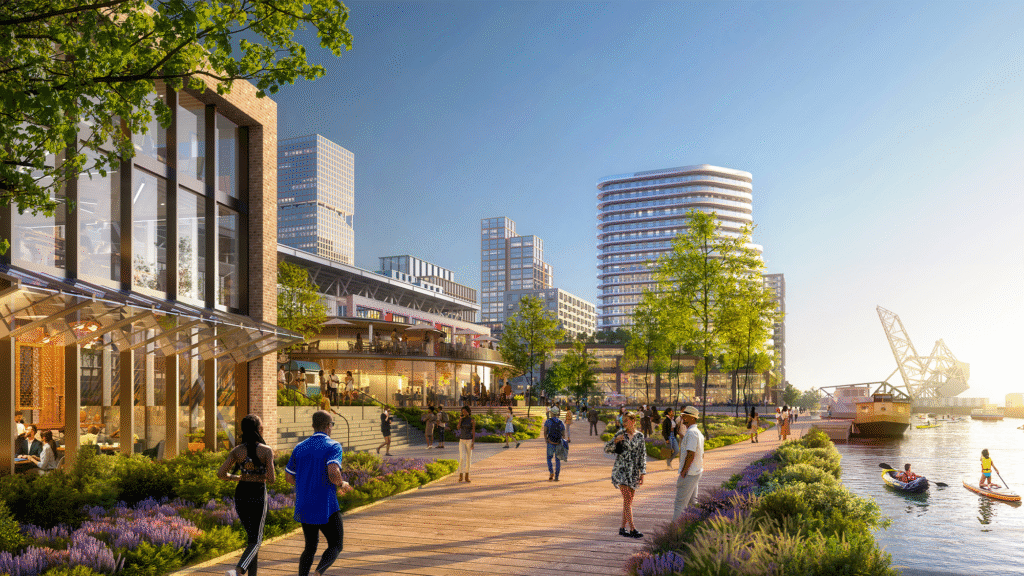
Mixed-use projects combine residential, commercial, and entertainment spaces in one walkable environment.
These developments are increasingly popular in urban areas where space is limited.
The Financial Risks Land Developers Manage
Land development involves significant financial risk. Projects require millions — sometimes hundreds of millions — of dollars before any revenue is generated.
Common financial challenges include:
- Rising construction costs
- Delays in government approvals
- Interest rate fluctuations
- Changes in housing demand
- Infrastructure overruns
Developers often rely on construction loans, private equity investors, and joint ventures to finance projects.
Because projects span many years, market conditions can shift dramatically during the development timeline.
For example, the 2008 housing crisis left many partially developed communities across the United States when housing demand collapsed.
Environmental and Regulatory Considerations
Modern development must comply with numerous environmental regulations designed to protect ecosystems and water systems.
Developers frequently work with environmental consultants to evaluate:
- Wetlands
- Wildlife habitats
- Soil conditions
- Flood risk
- Stormwater management
Federal laws such as the Clean Water Act and state environmental regulations often influence how land can be developed.
Sustainable practices are becoming increasingly common, including:
- Preserving green space
- Implementing energy-efficient infrastructure
- Designing walkable communities
- Protecting natural waterways
These approaches can improve long-term property values while reducing environmental impact.
How Land Developers Influence Housing Supply
Housing shortages across many U.S. regions have highlighted the importance of land development.
The U.S. housing market currently faces a shortage estimated at several million homes, according to housing economists and industry research groups.
Developers influence housing availability through:
- Creating buildable residential lots
- Expanding suburban growth areas
- Redeveloping underused land
- Supporting higher-density housing projects
However, regulatory barriers can slow development. Lengthy zoning approvals, environmental reviews, and local opposition often delay projects.
In high-growth states such as Texas, Florida, and Arizona, streamlined development policies have helped accelerate housing production.
Real-World Example: Building a Suburban Community
Consider a hypothetical 300-acre development outside a growing metropolitan area.
A developer purchases farmland and plans a residential community with:
- 900 single-family homes
- Two neighborhood parks
- Walking trails
- A small retail center
Over five years, the developer installs roads, sewer systems, utilities, and drainage infrastructure.
Once completed, builders purchase lots and construct homes in phases. The development eventually becomes a fully functioning neighborhood with thousands of residents.
Projects like this are common in expanding metro regions across the United States.
Frequently Asked Questions
What does a land developer do?
A land developer purchases raw or underused land and prepares it for construction by installing infrastructure, securing zoning approvals, and designing site layouts.
How long does land development usually take?
Development timelines typically range from three to ten years, depending on project size, regulatory approvals, and infrastructure complexity.
Is land development profitable?
Land development can be profitable, but it carries substantial financial risk due to large upfront costs, market fluctuations, and regulatory delays.
What is the difference between a land developer and a homebuilder?
A land developer prepares land for construction, while a homebuilder constructs houses or buildings on the prepared lots.
How much does land development cost?
Costs vary widely but often include land acquisition, infrastructure installation, engineering, permits, and financing. These costs can reach tens of thousands of dollars per residential lot.
Why is zoning important in land development?
Zoning regulations determine what type of buildings can be constructed on a property and influence density, building height, and land use.
Do developers build the houses themselves?
In many cases, developers sell finished lots to builders who construct homes or commercial buildings.
What risks do land developers face?
Major risks include regulatory delays, economic downturns, construction cost inflation, and changing market demand.
Can land development affect property values?
Yes. New developments often increase nearby property values by improving infrastructure and adding amenities.
Are sustainable developments becoming more common?
Yes. Many modern developments incorporate green space, stormwater management systems, and walkable designs to improve environmental sustainability.
Building the Foundations of Tomorrow’s Neighborhoods
Land developers shape the physical structure of growing communities. From infrastructure planning to environmental compliance, their work transforms undeveloped land into places where people live, work, and gather.
As housing demand continues to rise across the United States, thoughtful and responsible development will remain essential for balancing growth, affordability, and sustainability.
Successful developments require collaboration between developers, local governments, engineers, and builders to ensure that new communities are functional, resilient, and designed for long-term livability.
Key Insights About Land Development
- Land developers convert raw land into buildable lots for residential and commercial use
- Development projects often take several years from planning to completion
- Infrastructure installation represents one of the largest project expenses
- Zoning approvals and environmental reviews significantly influence timelines
- Developers play a critical role in addressing housing shortages