

Summary
Buying or selling property in the United States involves far more than agreeing on a price. Residential and commercial real estate transactions carry legal obligations involving contracts, disclosures, financing, zoning laws, title verification, and regulatory compliance. Understanding these legal considerations helps buyers, sellers, and investors avoid costly disputes, protect ownership rights, and complete transactions smoothly.
Why Legal Considerations Matter in Property Transactions
Real estate transactions represent some of the largest financial commitments Americans make. According to the National Association of Realtors (NAR), the median home price in the United States surpassed $400,000 in 2024, while commercial property deals often involve millions of dollars. With sums this large, even small legal oversights can lead to significant financial consequences.
Property transactions involve a combination of contract law, property law, tax regulations, and local zoning requirements. While residential and commercial deals share certain legal foundations, commercial transactions often require deeper due diligence because of tenant agreements, business operations, and regulatory approvals.
Failing to address legal considerations early can lead to:
- Title disputes
- Financing problems
- Breach-of-contract litigation
- Regulatory violations
- Unexpected tax liabilities
For buyers, sellers, investors, and developers, understanding these issues before signing a contract can prevent expensive problems later.
Understanding the Purchase Agreement
The purchase agreement is the central legal document in any real estate transaction. It outlines the obligations of both parties and governs how the transaction will proceed.
In residential transactions, these contracts are typically standardized by state real estate associations but still contain complex provisions. Commercial agreements are often negotiated from scratch and may involve attorneys on both sides.
Key elements typically include:
- Purchase price and payment terms
- Earnest money deposit requirements
- Financing contingencies
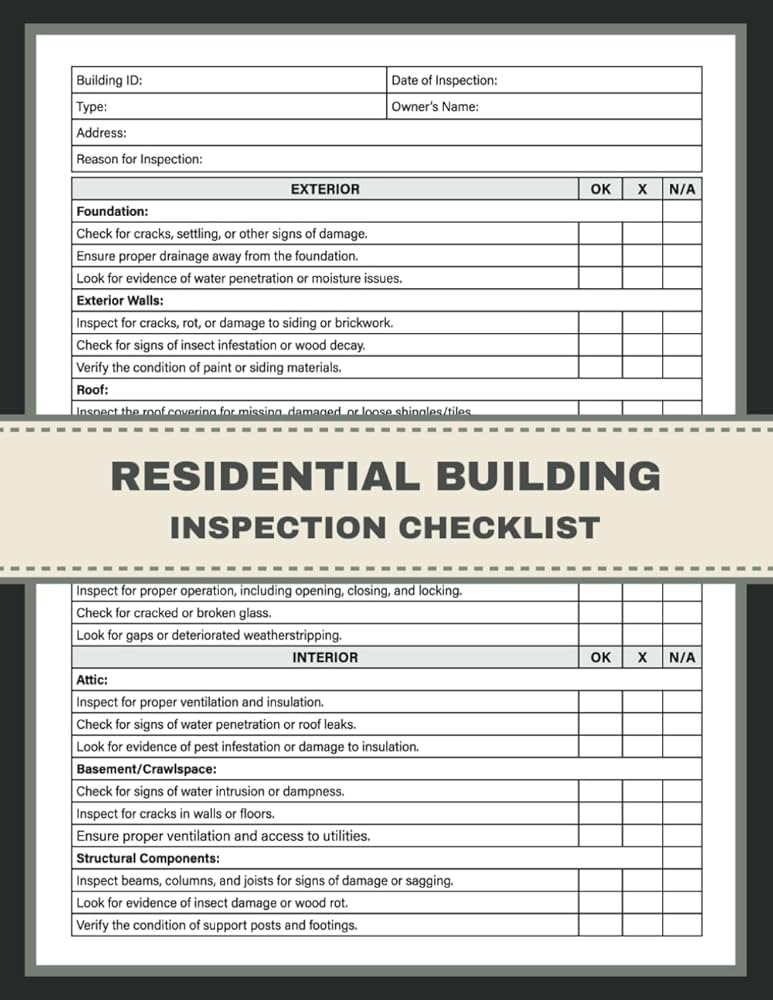
- Inspection contingencies
- Closing timeline
- Allocation of closing costs
- Remedies for contract breaches
For example, a residential buyer might include a financing contingency, allowing them to withdraw from the deal if mortgage approval falls through. Without this clause, the buyer could lose their earnest money deposit if financing fails.
Commercial deals frequently include longer due diligence periods and more detailed provisions related to property operations, leases, and environmental conditions.
Because the purchase agreement controls nearly every stage of the transaction, legal review before signing is often recommended.
Title Searches and Ownership Verification
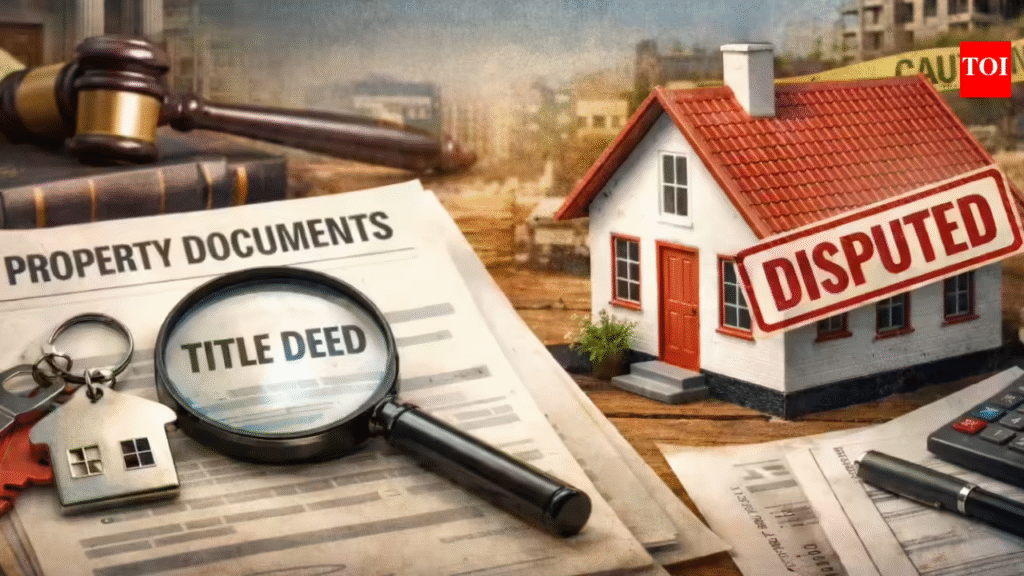
One of the most important legal steps in any property transaction is confirming that the seller actually has the legal right to transfer ownership.
A title search examines public records to identify:
- Existing mortgages or liens
- Unpaid property taxes
- Easements affecting the property
- Ownership disputes
- Court judgments attached to the property
If a property has unresolved liens or ownership claims, the buyer could inherit those legal problems after closing.
Title insurance is commonly purchased to protect against unknown claims. According to the American Land Title Association, title issues affect roughly one in four real estate transactions, though most are resolved before closing.
Two types of title insurance typically exist:
- Lender’s title insurance – protects the mortgage lender
- Owner’s title insurance – protects the buyer’s ownership rights
Although owner’s title insurance is technically optional in many states, experienced real estate attorneys frequently recommend it.

Property Disclosures and Seller Responsibilities
In most U.S. states, sellers must disclose known material defects about the property. Disclosure laws vary, but common requirements include informing buyers about:
- Structural damage
- Water intrusion or flooding
- Mold problems
- Pest infestations
- Lead-based paint (for homes built before 1978)
- Previous insurance claims
Failure to disclose known issues can lead to post-sale lawsuits.
For instance, if a seller hides recurring basement flooding and the buyer later discovers the issue, the buyer may sue for damages or rescind the sale.
Commercial property disclosures tend to focus more heavily on operational factors such as:
- Environmental contamination
- Building code violations
- ADA compliance issues
- Lease obligations with tenants
Because commercial property buyers often rely heavily on due diligence, disclosure obligations may be narrower than in residential transactions, but they still carry legal significance.
Due Diligence in Commercial Real Estate Transactions
Commercial property transactions typically involve a more extensive due diligence process than residential deals. Investors must confirm that the property is financially and legally viable.
A typical due diligence review might include:
- Lease agreements with existing tenants
- Rent rolls and income statements
- Environmental site assessments (Phase I or Phase II)
- Building inspection reports
- Zoning and land-use verification
- Property tax history
Environmental compliance is particularly important. Under federal law, buyers may become liable for environmental contamination even if they did not cause it.
For example, purchasing a former gas station without conducting an environmental assessment could expose the buyer to cleanup liability under the Comprehensive Environmental Response, Compensation, and Liability Act (CERCLA).
This is why commercial transactions almost always involve real estate attorneys and specialized inspectors.
Zoning Laws and Land-Use Restrictions
Local governments regulate how land can be used through zoning laws. These regulations determine whether a property can be used for residential, commercial, industrial, or mixed purposes.
Zoning laws may restrict:
- Building height
- Property density
- Parking requirements
- Business operations
- Signage
For residential buyers, zoning concerns usually arise when planning renovations or additions.
For commercial buyers, zoning is often a deal-breaker. A property zoned for office use may not legally allow retail operations or restaurants.
Buyers should confirm zoning compliance before closing, especially if the property will be used for a specific business purpose.
In some cases, buyers may seek a zoning variance or special use permit, but approval is never guaranteed.
Financing and Mortgage Legalities
Most property transactions involve financing, which introduces another layer of legal complexity.
Mortgage agreements typically require borrowers to comply with detailed legal obligations, including:
- Maintaining insurance coverage
- Paying property taxes
- Avoiding unauthorized transfers
- Maintaining the property
Failure to meet these requirements can trigger default provisions that allow lenders to begin foreclosure proceedings.
Commercial real estate financing can involve additional legal structures such as:
- Commercial mortgage-backed securities (CMBS)
- Mezzanine financing
- Bridge loans
- Syndicated investment structures
Each financing method comes with unique legal requirements and risks.
Borrowers should carefully review loan documents, particularly sections covering:
- Default triggers
- Prepayment penalties
- Personal guarantees
- Escrow requirements
The Closing Process and Legal Documentation
The closing process finalizes the transaction and transfers ownership.
Key documents typically signed at closing include:
- Deed transferring ownership
- Mortgage agreement
- Settlement statement
- Title insurance documents
- Property tax adjustments
A closing agent, escrow company, or attorney usually coordinates the transaction depending on the state.
At closing:
- Funds are transferred to the seller
- The deed is recorded with the local county recorder
- Title officially transfers to the buyer
Once recorded, the buyer becomes the legal owner of the property.
Tax Implications of Property Transactions
Real estate transactions often trigger tax consequences that buyers and sellers should understand.
Common tax considerations include:
- Capital gains tax on property sales
- Property transfer taxes
- Depreciation recapture (commercial properties)
- 1031 exchanges for investment properties
For example, investors selling commercial property may use a 1031 exchange to defer capital gains taxes by reinvesting the proceeds into another qualifying property.
Tax planning is particularly important for investors managing large real estate portfolios.
The Role of Real Estate Attorneys
Not every state requires an attorney for residential closings, but legal guidance can be valuable for both buyers and sellers.
Real estate attorneys typically assist with:
- Contract review and negotiation
- Title issue resolution
- Closing document preparation
- Legal compliance verification
- Dispute resolution
Commercial transactions almost always involve attorneys due to the complexity of leases, financing structures, and regulatory requirements.
In large commercial deals, legal teams may include specialists in environmental law, zoning law, and tax law.

Frequently Asked Questions
1. Do you need a lawyer for a real estate transaction in the U.S.?
Some states require attorney involvement at closing, while others allow title companies or escrow agents to handle the process. Even when not required, many buyers and sellers choose legal counsel for contract review.
2. What is the biggest legal risk when buying property?
Title issues and undisclosed defects are two of the most common risks. Proper title searches and inspections reduce these risks significantly.
3. What does “due diligence” mean in real estate?
Due diligence refers to the investigation period during which buyers verify the property’s condition, legal status, financial performance, and compliance with regulations.
4. Can a real estate deal fall apart after signing a contract?
Yes. If contingencies such as financing approval or inspections fail, buyers or sellers may legally terminate the contract.
5. What happens if a seller fails to disclose property defects?
Buyers may sue for damages or rescind the transaction depending on the severity of the undisclosed issue and state laws.
6. What is title insurance and why is it important?
Title insurance protects buyers and lenders from financial losses caused by ownership disputes, undiscovered liens, or recording errors.
7. Are commercial real estate contracts different from residential contracts?
Yes. Commercial contracts are typically more complex and heavily negotiated, often including detailed due diligence provisions and tenant-related terms.
8. How long does a typical property closing take?
Residential closings typically occur within 30–45 days, while commercial transactions may take several months depending on financing and due diligence.
9. What is an earnest money deposit?
Earnest money is a deposit made by the buyer to show serious intent. It is typically held in escrow and applied toward the purchase price at closing.
10. What legal documents transfer property ownership?
Ownership is transferred through a deed, which is signed at closing and recorded with the local government.
Safeguarding Property Deals from Start to Finish
Successful real estate transactions depend on more than price negotiations. Legal preparation ensures that ownership transfers smoothly, liabilities are identified early, and both parties understand their obligations.
From contract drafting to title verification and regulatory compliance, every step of a property transaction carries legal implications. Buyers, sellers, and investors who prioritize legal due diligence protect themselves from costly disputes and ensure their real estate investments remain secure for the long term.
Key Points to Remember Before Signing Any Property Deal
- Real estate transactions involve multiple legal disciplines including contract, property, and tax law.
- Purchase agreements determine the rights and responsibilities of both parties.
- Title searches and title insurance protect against ownership disputes.
- Sellers must disclose known property defects under state disclosure laws.
- Commercial real estate transactions require extensive due diligence.
- Zoning regulations can restrict how property may be used.
- Mortgage agreements contain strict legal obligations.
- Closing documents officially transfer ownership through a recorded deed.