

Summary
Orchards are increasingly viewed as real estate assets within specialty agriculture. Investors, landowners, and agricultural entrepreneurs are exploring fruit and nut orchards for their combination of land appreciation, agricultural income, and long-term sustainability. Understanding orchard development costs, crop selection, land suitability, and market demand is essential for evaluating these properties as viable agricultural investments in the United States.
The Growing Interest in Orchard-Based Agricultural Real Estate
Across the United States, farmland has long been considered a stable real estate category, but within that sector, specialty agriculture properties—particularly orchards—are attracting increasing attention from investors and agricultural operators alike.
Unlike commodity crops such as corn or soybeans, orchards produce high-value crops including almonds, apples, citrus, cherries, pistachios, and walnuts. These crops often command premium prices in both domestic and export markets.
According to the USDA Economic Research Service, U.S. farmland values have risen steadily over the past two decades, with irrigated cropland and specialty crop land often commanding the highest prices per acre. Orchard properties fall squarely within this category, offering a combination of productive land, perennial crops, and long-term asset appreciation.
For many buyers, orchard properties represent more than farmland—they function as income-producing real estate with agricultural productivity built into the land itself.
Why Orchards Are Considered Valuable Agricultural Assets
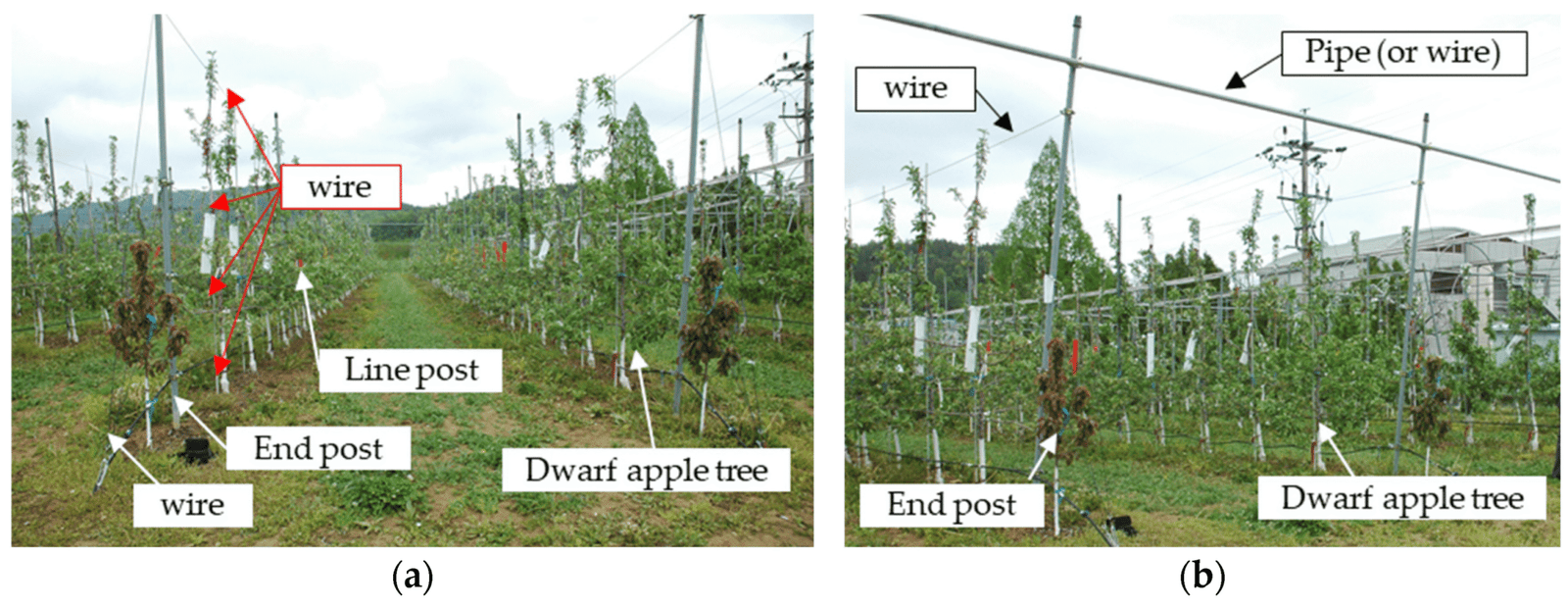
Orchards differ from many other forms of agricultural land because the crops themselves—trees or vines—are long-term biological assets. Once established, an orchard can produce for decades.
This creates a distinctive investment profile compared with annual crop farmland.
Several characteristics make orchard real estate appealing:
- Long-term production cycles that provide consistent harvests over many years
- High-value crops with strong consumer demand
- Export opportunities for nuts and fruit varieties
- Land appreciation potential, particularly in water-secure regions
- Compatibility with agritourism, farm markets, and specialty food production
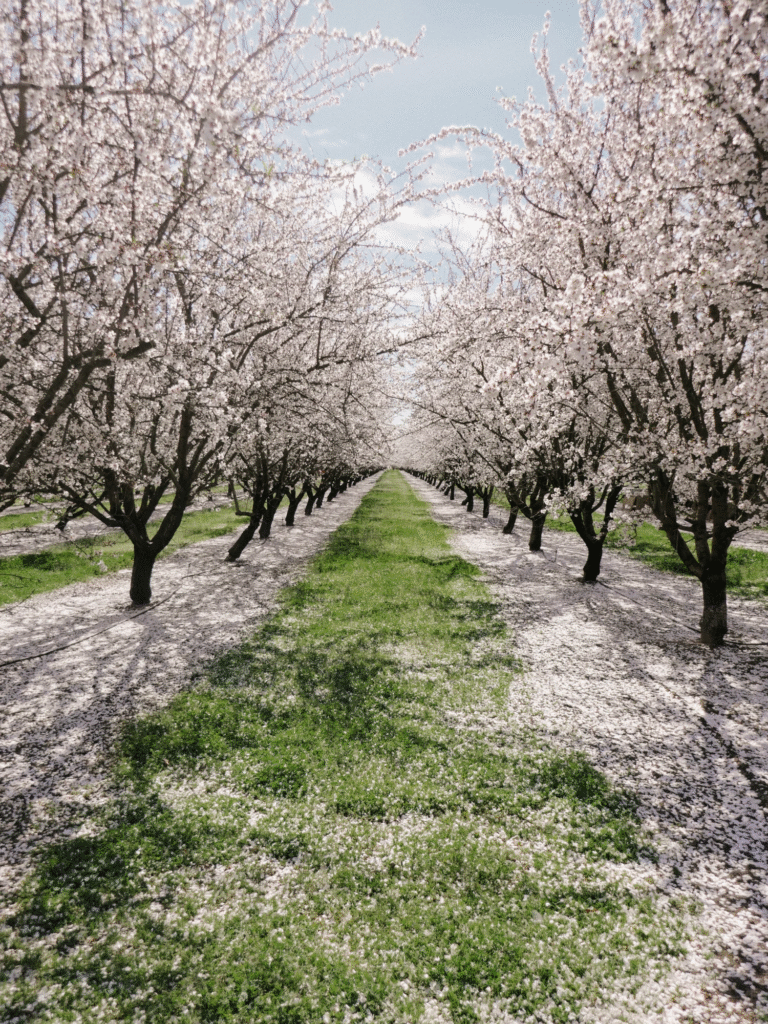
For example, almond orchards in California’s Central Valley have become one of the most valuable agricultural property types in the country due to strong global demand.
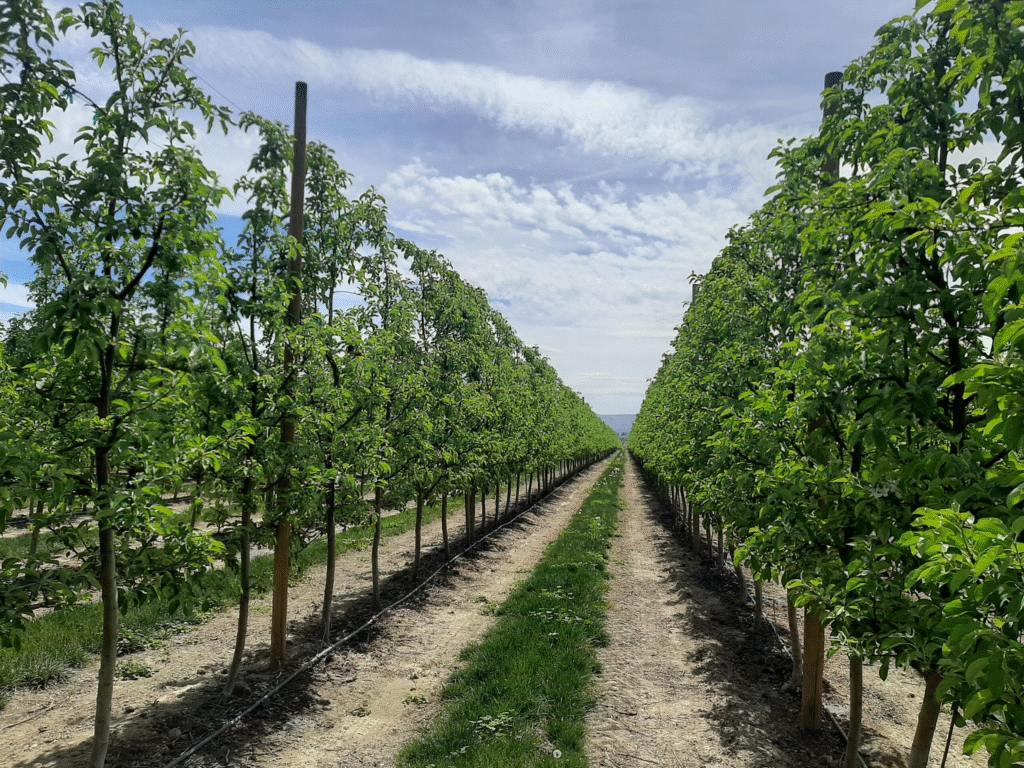
Similarly, apple orchards in Washington State and cherry orchards in Michigan have built regional agricultural economies around specialty fruit production.
From a real estate perspective, these properties blend land ownership, agricultural business, and long-term biological assets.
Popular Orchard Types Across the United States
Different regions of the U.S. support different orchard crops depending on climate, soil, and water availability. Investors evaluating orchard properties often begin by understanding which crops perform best in specific regions.
Some of the most common orchard types include:
Nut Orchards
Nut crops dominate the highest-value orchard markets.
Common varieties include:
- Almond orchards (California)
- Pistachio orchards (California and Arizona)
- Walnut orchards (California and Pacific Northwest)
- Pecan orchards (Georgia, Texas, New Mexico)
California alone produces around 80% of the world’s almonds, making almond orchards a significant agricultural real estate segment.
Fruit Orchards
Fruit orchards remain a cornerstone of specialty agriculture.
Major fruit orchard regions include:
- Apple orchards in Washington, New York, and Michigan
- Cherry orchards in Washington and Michigan
- Peach orchards in Georgia and South Carolina
- Citrus orchards in California, Florida, and Texas
These crops often supply both fresh produce markets and food processing industries.
Specialty and Emerging Orchard Crops
Certain orchard crops are gaining popularity among smaller agricultural investors.
Examples include:
- Olive orchards for specialty olive oil production
- Fig orchards for niche food markets
- Persimmon orchards in specialty produce markets
- Avocado orchards in California
Many of these crops are tied to specialty food trends and premium agricultural products.
How Orchard Real Estate Generates Income
Unlike residential real estate that generates rental income, orchard properties generate revenue through crop production and agricultural operations.
Income may come from several channels.
Crop Sales
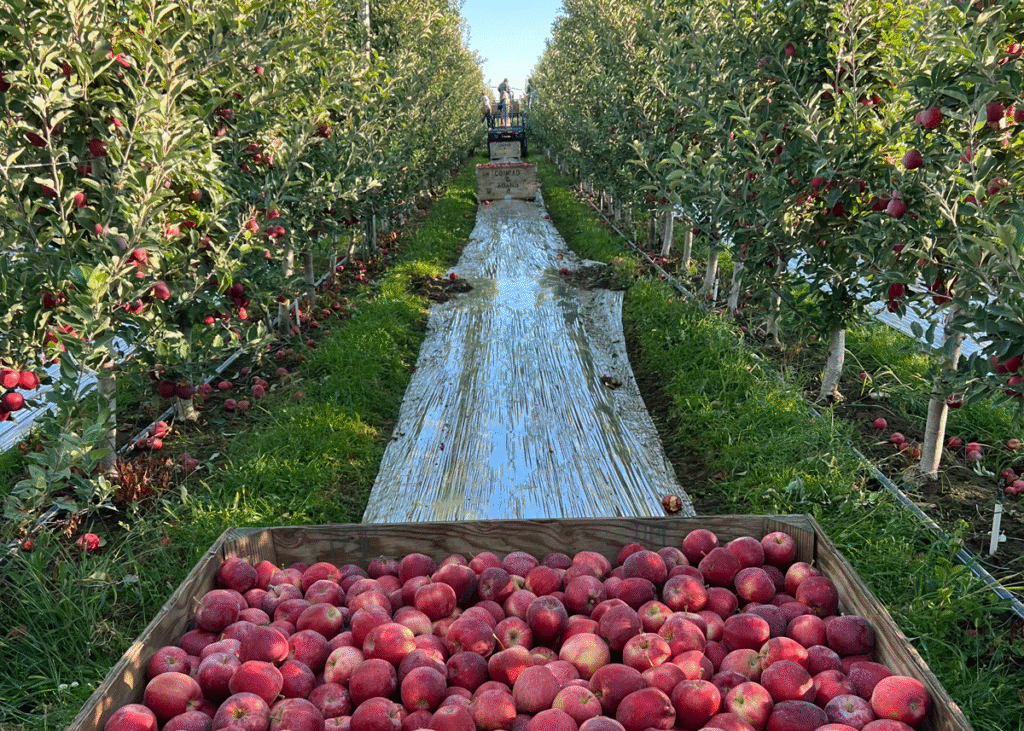
The primary revenue source is annual or seasonal harvests sold to:
- Produce distributors
- Food processors
- Export markets
- Local wholesale markets
High-value crops like almonds or cherries can produce substantial revenue per acre when yields and market conditions are favorable.
Lease Agreements
Some landowners lease orchard properties to experienced growers rather than operating them directly.
These leases may include:
- Cash rent per acre
- Revenue-sharing agreements
- Long-term agricultural leases
This approach allows investors to own orchard real estate while relying on professional operators.
Agritourism and Direct Sales
Many orchard properties supplement income through consumer-facing activities such as:
- Pick-your-own fruit operations
- Farm stands and local markets
- Seasonal events like apple festivals
- Farm-to-table experiences
In regions close to metropolitan areas, agritourism can significantly increase property revenue.
Key Factors That Influence Orchard Property Value
Not all agricultural land is suitable for orchard development. Successful orchard real estate investments depend on a combination of environmental and economic factors.
Soil Quality
Fruit and nut trees require well-drained soil with balanced nutrient levels.
Soil tests typically evaluate:
- pH levels
- organic matter content
- drainage characteristics
- mineral composition
Certain crops, such as almonds or pistachios, require particularly specific soil conditions.
Water Availability
Reliable water access is one of the most critical factors for orchard viability.
In many western states, water rights significantly influence farmland value.
Irrigation infrastructure may include:
- drip irrigation systems
- wells and groundwater access
- surface water rights
- irrigation district connections
Properties with secure water sources often command higher prices.
Climate Suitability
Each orchard crop requires specific climate conditions.
Examples include:
- Chilling hours required for apples or cherries
- Frost sensitivity in citrus orchards
- Heat tolerance in nut crops
Long-term climate stability plays an important role in orchard viability.
Tree Age and Productivity
The maturity of an orchard affects its value.
An orchard may move through several stages:
- Newly planted (no production yet)
- Developing production phase
- Peak production years
- Declining productivity
Buyers typically analyze historical yield data before purchasing orchard properties.
Costs Associated With Developing an Orchard
Establishing an orchard from raw land involves significant upfront investment.
Typical development costs include:
- Land preparation and soil conditioning
- Tree or sapling purchase
- Irrigation system installation
- Labor for planting and early maintenance
- Equipment for pruning, harvesting, and pest control
Depending on crop type and region, establishing an orchard may cost between $10,000 and $40,000 per acre before full production begins.
Additionally, some crops require several years before generating revenue. For example:
- Almond trees often reach full production after 5–7 years
- Apple orchards may produce commercial yields after 3–5 years
This delayed revenue timeline is an important factor in orchard real estate investment planning.
Regional Orchard Markets in the United States
Certain regions dominate U.S. orchard production.
California
California leads the nation in specialty orchard crops, including:
- Almonds
- Pistachios
- Walnuts
- Citrus
- Avocados
The state’s climate and irrigation infrastructure make it ideal for high-value orchards.
Pacific Northwest
Washington and Oregon support large fruit orchard industries, particularly apples, cherries, and pears.
Washington alone produces over 60% of U.S. apples, according to the Washington Apple Commission.
Southeast
States like Georgia and South Carolina are known for peach orchards, while pecan orchards thrive across Georgia, Texas, and New Mexico.
Midwest and Northeast
Michigan and New York remain important apple and cherry-producing regions.
These regional clusters help sustain agricultural infrastructure such as processing facilities, transportation networks, and research institutions.
Risk Factors in Orchard Real Estate Investments
While orchard properties can offer long-term value, they also involve unique risks compared with traditional real estate.
Key risk factors include:
- Weather variability, including frost and drought
- Crop diseases and pests
- Commodity price fluctuations
- Water availability restrictions
- Labor shortages during harvest seasons
Diversification and professional farm management are common strategies used to reduce these risks.
Evaluating an Orchard Property Before Purchase
Prospective buyers often conduct detailed due diligence before purchasing orchard real estate.
Typical evaluation steps include:
- Reviewing historical yield data
- Inspecting irrigation systems and water rights
- Assessing tree health and orchard age
- Examining regional crop market demand
- Consulting agricultural extension specialists
Agricultural appraisers and farm management consultants are frequently involved in these assessments.
Because orchards combine real estate, agriculture, and long-term crop management, proper evaluation is essential for informed decision-making.
The Long-Term Outlook for Specialty Orchard Agriculture
Global demand for fruit and nut products continues to grow as dietary patterns shift toward plant-based foods, healthy snacks, and specialty food products.
U.S. orchards play a major role in this supply chain, particularly for export-oriented crops such as almonds, pistachios, and apples.
Meanwhile, technological innovations are reshaping orchard management:
- precision irrigation systems
- drone-based crop monitoring
- automated harvesting technologies
- improved pest management methods
These developments are helping orchard operations become more efficient and sustainable.
As a result, orchard properties remain an important segment of agricultural real estate and specialty farming economies.
Frequently Asked Questions
Are orchards a good real estate investment?
Orchards can be attractive agricultural investments due to land appreciation and crop revenue potential. However, they require agricultural expertise, long-term planning, and careful evaluation of climate, soil, and water resources.
How much land is needed to start an orchard?
Commercial orchards often range from 10 to several hundred acres, depending on crop type and production goals. Smaller orchards can also support specialty markets or agritourism businesses.
Which orchard crops are most profitable in the United States?
Almonds, pistachios, apples, cherries, and walnuts are among the highest-value orchard crops, though profitability depends on region, yield, and market conditions.
How long does it take for an orchard to produce income?
Many orchard crops take 3 to 7 years to reach full production after planting, meaning investors should plan for delayed revenue during the early years.
What factors affect orchard land prices?
Land prices depend on water access, soil quality, crop type, orchard maturity, regional demand, and proximity to agricultural infrastructure.
Can orchard properties be leased to farmers?
Yes. Many landowners lease orchard properties to experienced growers through cash rent agreements or revenue-sharing contracts.
What are the biggest risks of orchard ownership?
Weather events, pests, crop diseases, water shortages, and market price fluctuations are among the main risks.
Do orchard properties qualify as agricultural land for tax purposes?
In many states, orchard land qualifies for agricultural tax treatment, though eligibility rules vary by jurisdiction.
Are orchards compatible with agritourism?
Yes. Many orchards offer pick-your-own experiences, seasonal festivals, and farm markets, particularly near urban areas.
What professionals help evaluate orchard properties?
Agricultural appraisers, farm management consultants, soil scientists, and local extension agents can provide expertise when evaluating orchard real estate.
The Land Behind the Harvest
Orchards represent a unique intersection of real estate ownership and agricultural enterprise. Unlike many other property types, they depend on living assets—trees that mature, produce, and evolve over time.
For landowners, growers, and investors willing to understand both the agricultural and real estate dimensions, orchards can offer a long-term connection to land productivity, food systems, and regional agricultural economies.
As demand for specialty crops continues to expand, orchard properties will likely remain an important component of the broader agricultural real estate landscape.
Key Insights at a Glance
- Orchards combine land ownership with agricultural production
- Specialty crops such as almonds, apples, and cherries drive high-value markets
- Water access and soil quality are essential to orchard success
- Orchard development involves significant upfront investment
- Many crops require several years before reaching full production
- Regional agricultural clusters support orchard industries
- Leasing arrangements allow investors to own orchards without direct farming
- Agritourism and direct sales can supplement orchard revenue