

Summary
Penthouse apartments have become one of the most visible symbols of luxury living in major U.S. cities. Positioned at the top of residential towers, these residences combine panoramic views, architectural innovation, and exclusive amenities. As urban populations grow and luxury housing evolves, penthouses are influencing how developers design skylines, attract global buyers, and redefine the meaning of premium city living.
The Rise of Penthouse Living in American Cities
Penthouse living has long represented the highest tier of urban housing, but its significance has expanded in recent decades. In cities like New York, Miami, Los Angeles, and Chicago, penthouse residences are no longer simply larger apartments at the top of a building. They are architectural statements that influence entire developments and often shape the identity of modern skylines.
Today’s luxury towers are designed with penthouses as centerpiece residences. Developers understand that these units serve both as profitable real estate and as marketing anchors for the building itself. The presence of a distinctive penthouse floor can elevate the reputation of an entire project.
Urban population growth and the resurgence of downtown living have contributed to this trend. According to data from the U.S. Census Bureau, many metropolitan areas have experienced strong downtown population increases over the past decade, leading developers to build vertically rather than outward. Penthouse units occupy the most desirable space within these high-rise environments.
Unlike earlier penthouses that were often retrofitted spaces, modern versions are planned from the beginning of the development process. Architects design them to maximize natural light, privacy, and uninterrupted views.
What Defines a Penthouse Apartment Today?
The traditional definition of a penthouse is simple: a residential unit located on the top floor of a building. However, modern luxury developments have expanded this definition considerably.
Today, penthouses are distinguished not just by location but by a combination of space, design, and exclusivity.
Typical features include:
- Expansive floor plans often exceeding 3,000 square feet
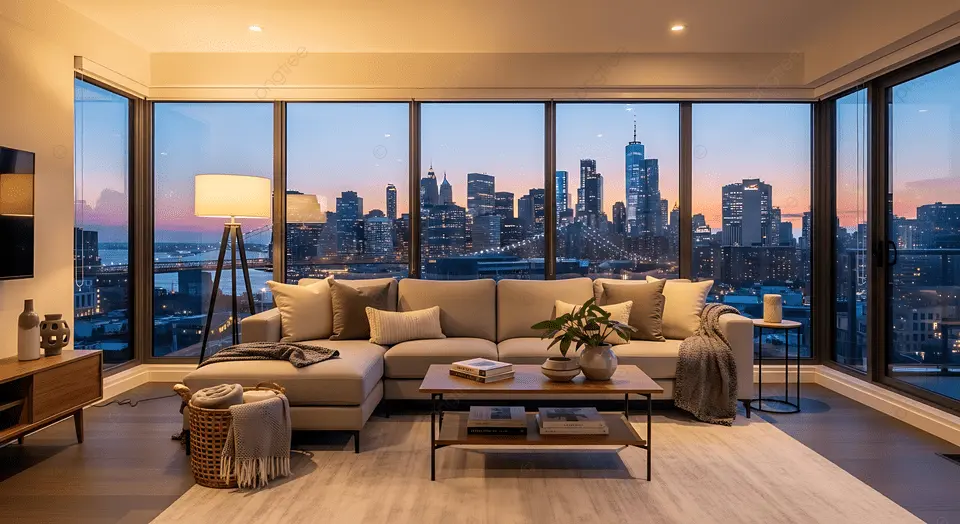
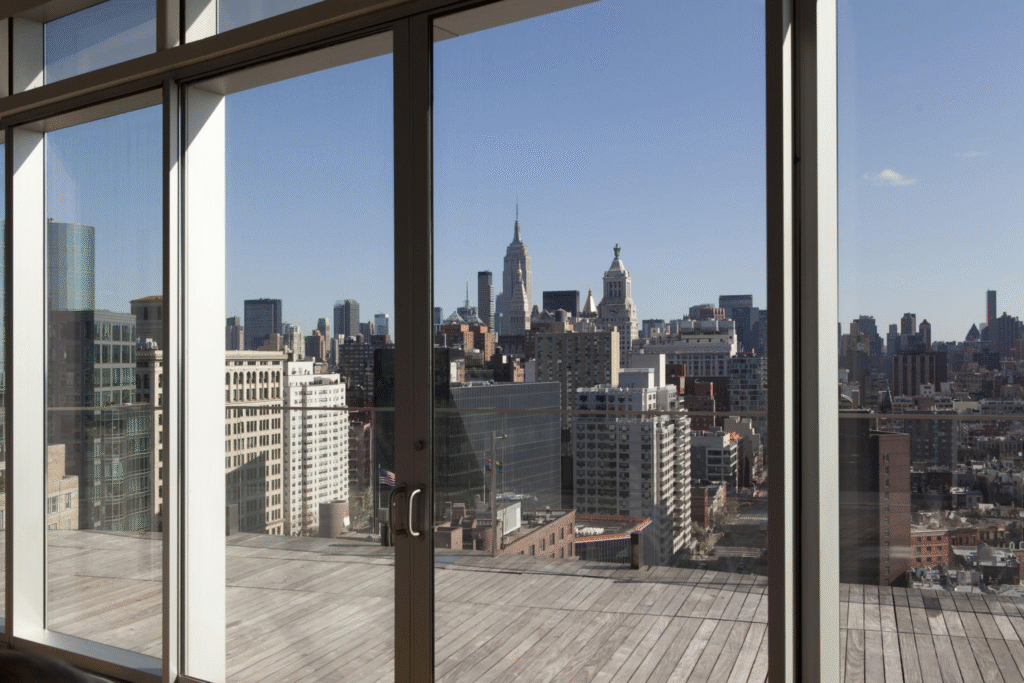
- Floor-to-ceiling windows offering panoramic skyline or waterfront views
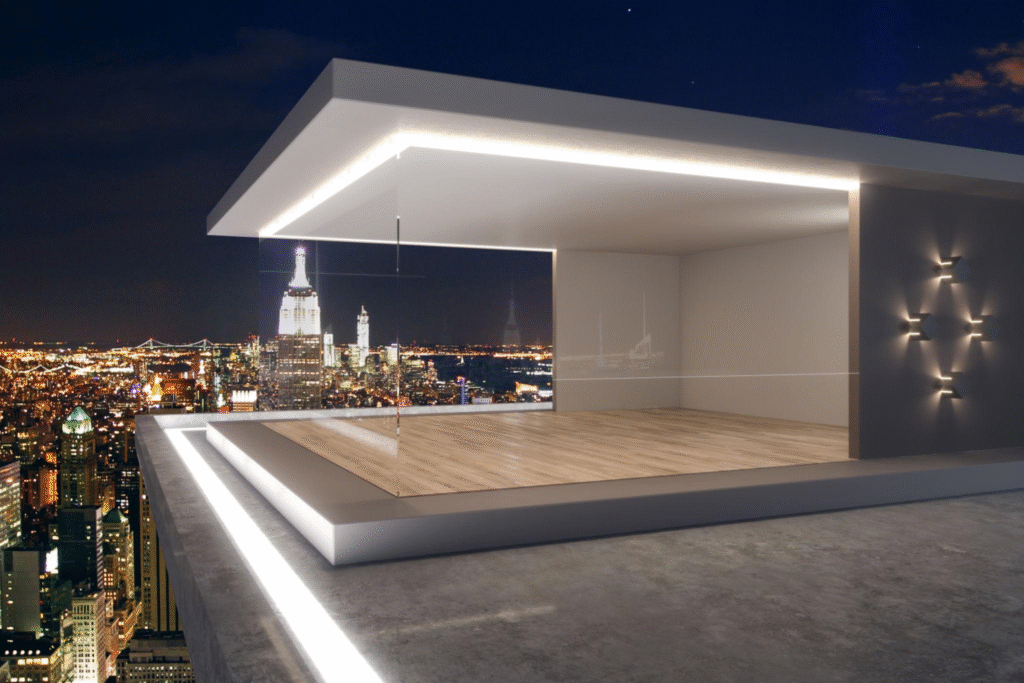
- Private terraces or rooftop gardens
- Dedicated elevator access or private lobbies
- Custom interior design and high-end finishes
- Smart-home technology and advanced security systems
In luxury developments, penthouses often occupy entire floors or multiple levels. Some feature private outdoor pools, wine rooms, or home theaters.
What truly differentiates penthouse living is the experience. Residents gain both privacy and proximity: the quiet of a top-floor retreat while remaining steps from cultural, dining, and professional centers.
How Penthouse Residences Influence City Skylines
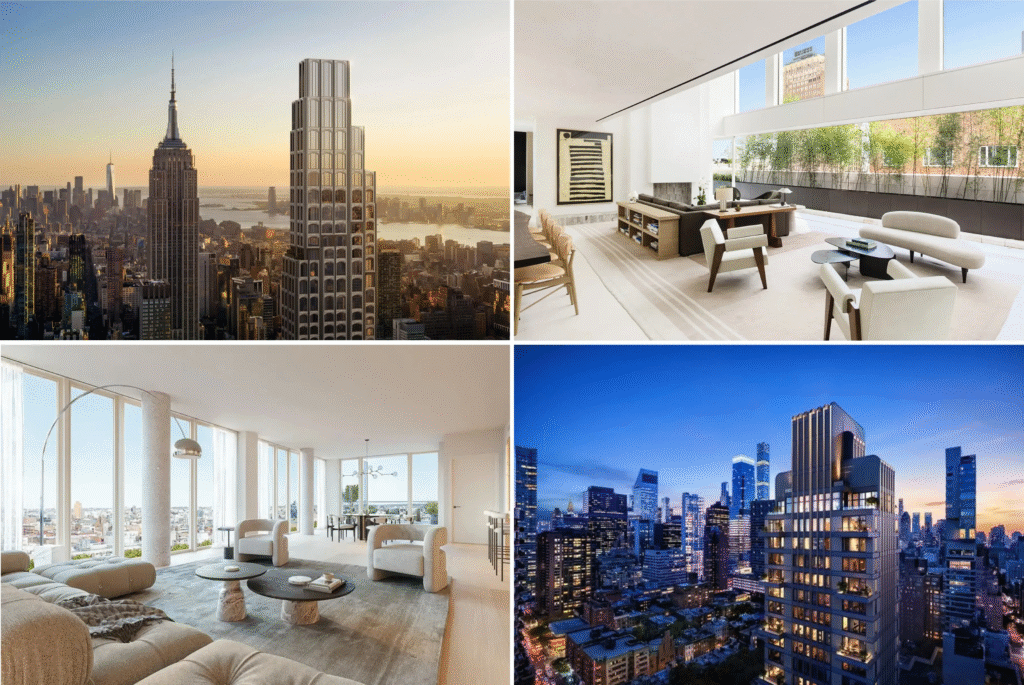
Penthouse design increasingly shapes the architectural identity of new residential towers. Architects frequently treat the top floors as a distinctive element rather than simply a continuation of the building structure.
For example, some towers feature sculpted crowns, glass pavilions, or multi-level rooftop terraces specifically created for penthouse residences. These architectural features make the building recognizable from afar.
In cities experiencing rapid vertical growth, penthouses contribute to a sense of prestige and architectural diversity. Consider several major U.S. markets:
- New York City: Ultra-luxury towers along Billionaires’ Row feature multi-story penthouses that often command prices exceeding $50 million.
- Miami: Oceanfront towers incorporate expansive penthouse terraces designed to maximize views of the Atlantic.
- Los Angeles: High-rise developments downtown and in West Hollywood are integrating penthouses with rooftop entertainment spaces.
- Chicago: Lakeside towers emphasize penthouse views of Lake Michigan and the city skyline.
These developments demonstrate how penthouses influence both design priorities and marketing strategies within the luxury housing sector.
Why Developers Prioritize Penthouse Units
For developers, penthouses represent both financial and branding opportunities. Because they occupy the most desirable space in a building, they often sell at significantly higher prices per square foot than other units.
In some luxury towers, penthouses can represent a disproportionate share of total project revenue.
Several factors drive this demand:
- Limited supply of top-floor residences
- Strong interest from high-net-worth buyers
- International demand in global cities
- Appeal of privacy within dense urban environments
Developers also understand that a well-designed penthouse can elevate the prestige of the entire building. Even buyers purchasing smaller units often value living in a tower known for its signature penthouse.
The Amenities That Define Modern Penthouse Living
Luxury penthouse buyers expect more than space and views. They seek a residential experience comparable to high-end hospitality.
Modern developments increasingly integrate lifestyle amenities that support this expectation.
Common amenities include:
- Private rooftop terraces with outdoor kitchens
- Personal elevators or secure entry corridors
- Concierge services and 24-hour building staff
- Private fitness studios or wellness rooms
- Wine cellars and tasting spaces
- Home automation systems controlling lighting, climate, and security
Many luxury towers also offer shared building amenities that complement penthouse living, such as rooftop pools, spa facilities, and private dining rooms.
This combination of private and shared luxury spaces reflects broader trends in high-end residential development.
Who Typically Buys Penthouses?
Penthouse buyers are diverse but tend to fall into several identifiable categories.
These include:
- Business executives relocating to urban centers
- Entrepreneurs and technology leaders
- International buyers seeking investment properties
- Retirees downsizing from large suburban homes
- Entertainment and sports professionals
In cities like New York and Miami, penthouses frequently attract global buyers who view them as both residences and long-term investments.
At the same time, domestic demand remains strong among professionals seeking luxury housing near business districts.
The Role of Architecture and Interior Design
Penthouse residences often serve as showcases for architectural innovation and interior design.
Architects focus on maximizing views and natural light, frequently incorporating:
- Corner glass walls
- Double-height living spaces
- Open-plan layouts
- Custom staircases connecting multiple levels
Interior designers then personalize these spaces with high-end materials such as natural stone, hardwood flooring, and bespoke cabinetry.
The design approach reflects a balance between urban sophistication and residential comfort. While penthouses are visually impressive, they must still function as everyday living spaces.
Penthouse Living vs. Luxury Condos: What’s the Difference?
Many buyers wonder how penthouses differ from other luxury condominiums.
The primary distinctions involve location, scale, and exclusivity.
Key differences include:
- Location: Penthouses occupy top floors with unobstructed views.
- Space: They are usually significantly larger than standard luxury units.
- Privacy: Many offer private elevators or limited neighboring units.
- Outdoor Areas: Penthouses frequently include private terraces.
- Customization: Interiors often allow extensive design personalization.
While luxury condos may offer high-end finishes and amenities, penthouses represent the most exclusive residential tier within a building.
Investment Potential of Penthouse Properties
For investors, penthouses can provide unique advantages. Because supply is extremely limited, these units often retain value even during slower real estate cycles.
Several factors contribute to their investment appeal:
- Scarcity within each building
- Strong international demand
- High resale visibility
- Premium rental potential in certain markets
However, penthouse investments also require careful evaluation. Pricing at the top of the market can fluctuate with broader economic trends.
Real estate professionals often advise buyers to focus on prime locations and reputable developers when evaluating penthouse purchases.
How Penthouse Trends Reflect the Future of Urban Housing
The evolution of penthouse living reflects broader shifts in how Americans approach urban housing.
Several trends are shaping future penthouse development:
- Increased demand for private outdoor space
- Integration of wellness features such as spa bathrooms and meditation rooms
- Greater emphasis on sustainable building materials
- Advanced smart-home systems
- Multi-functional spaces designed for remote work
As cities continue to grow vertically, penthouses will likely remain an important part of luxury real estate development.
They symbolize both architectural ambition and the evolving expectations of urban homeowners.
Frequently Asked Questions
What is considered a penthouse apartment?
A penthouse is typically a luxury residence located on the top floor of a building, often featuring larger layouts, premium finishes, and private outdoor spaces.
Why are penthouses more expensive than other apartments?
Their price reflects limited availability, prime location within the building, larger floor plans, and superior views.
Which U.S. cities have the most penthouse developments?
New York City, Miami, Los Angeles, Chicago, and San Francisco are among the most active penthouse markets.
Do penthouses always occupy the entire top floor?
Not always. Some buildings have multiple penthouse units, while others dedicate the entire top floor to a single residence.
Are penthouses a good investment?
In prime urban markets, penthouses can hold value well due to scarcity, but buyers should evaluate location, building quality, and market conditions.
What amenities do penthouses typically include?
Private terraces, high ceilings, premium appliances, custom interiors, and smart-home technology are common features.
Can penthouses be rented?
Yes. Some owners rent penthouses long-term or short-term depending on building policies and local regulations.
How large is a typical penthouse?
Sizes vary widely, but many penthouses range from 2,500 to over 8,000 square feet.
Are penthouses always in skyscrapers?
No. Some boutique residential buildings also include penthouse units on their upper floors.
Do penthouses offer better privacy?
Yes. Many include private elevators or fewer neighboring units, providing greater privacy than typical apartments.
The Enduring Appeal of Life at the Top
Penthouse living represents a unique intersection of architecture, urban lifestyle, and luxury real estate strategy. As American cities continue to grow vertically, the top floors of residential towers remain the most coveted addresses.
For buyers, penthouses offer a rare combination of privacy, expansive views, and sophisticated design. For developers and architects, they provide opportunities to create iconic structures that contribute to the visual identity of city skylines.
While housing preferences will continue to evolve, the appeal of living at the highest point of the city remains remarkably consistent.
Key Insights from the Penthouse Market
- Penthouses play a major role in defining luxury residential towers.
- Demand is strongest in major metropolitan markets.
- Design innovation often begins at the top floors of new developments.
- Limited supply supports long-term property value.
- Modern penthouses integrate technology, wellness, and outdoor living.