

Summary
Poultry farming relies on specialized infrastructure and carefully selected land to operate efficiently and safely. From housing systems and waste management to zoning and logistics, the real estate behind poultry production plays a critical role in profitability and compliance. Understanding how farmland, buildings, utilities, and transportation networks interact helps farmers, investors, and landowners make informed decisions about poultry farm development.
Understanding the Real Estate Behind Poultry Production
Poultry farming in the United States is both an agricultural activity and a specialized form of real estate development. While the public often focuses on livestock management, the underlying land, buildings, and infrastructure determine whether a poultry operation can function efficiently, comply with regulations, and remain profitable over time.
According to the United States Department of Agriculture, the U.S. poultry industry produces more than 9 billion broiler chickens annually, making it one of the country’s largest agricultural sectors. Supporting this production requires farms designed with precise environmental controls, biosecurity measures, and logistics infrastructure.
At its core, poultry farm infrastructure combines:
- Agricultural land
- Purpose-built poultry houses
- Waste management systems
- Utility connections
- Transportation access
Together, these elements form a real estate asset that is highly specialized compared with other agricultural properties.
Choosing the Right Land for a Poultry Operation
The success of a poultry farm often begins with selecting appropriate land. Not every agricultural property can support commercial poultry production.
Farmers, developers, and agricultural investors evaluate several factors before purchasing land.
Key site selection considerations include:
- Local zoning regulations allowing livestock operations
- Adequate acreage for poultry houses and waste management
- Distance from residential developments
- Access to water and electricity
- Soil conditions suitable for litter management
- Proximity to feed mills and processing plants
Many states require setback distances between poultry houses and neighboring residences or waterways. These requirements help address environmental and odor concerns.
For example, a typical broiler farm may require 20–40 acres, depending on the number of houses and waste disposal plans.
Real estate professionals working with agricultural buyers often recommend rural properties with established agricultural zoning to reduce permitting delays.
Core Structures in Modern Poultry Farm Infrastructure
Poultry farms are built around specialized housing structures designed to maintain controlled conditions for birds.
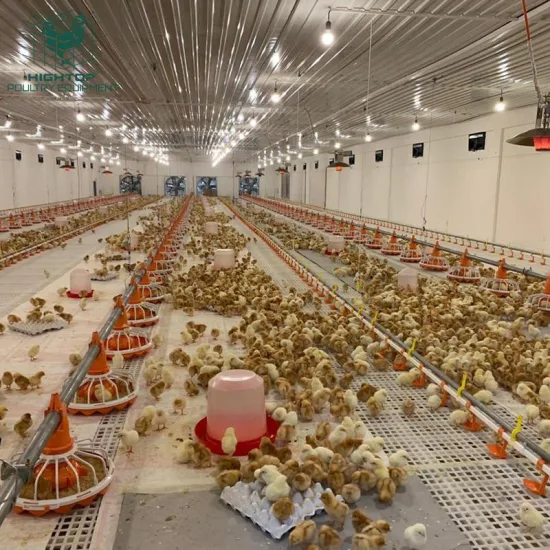
Modern poultry houses are far more sophisticated than traditional barns. They incorporate automated systems that regulate temperature, ventilation, humidity, lighting, and feeding.
A standard commercial broiler house may measure 400–600 feet long and 40–60 feet wide, allowing space for tens of thousands of birds.
Key Infrastructure Components
- Poultry Houses
Climate-controlled buildings where birds are raised. - Ventilation Systems
Fans, air inlets, and tunnel ventilation to maintain air quality. - Feeding Systems
Automated feeders distributing balanced poultry feed. - Watering Systems
Nipple drinkers or automated watering lines. - Lighting Systems
Programmable lighting schedules for bird health and growth. - Backup Power Generators
Critical during power outages.
These facilities require substantial capital investment. A single poultry house can cost $300,000 to $500,000, depending on equipment and automation levels.
Environmental Control and Biosecurity Infrastructure
Maintaining bird health requires strict environmental control and biosecurity measures.
Diseases such as Avian Influenza have caused significant losses in poultry operations worldwide. As a result, farms incorporate infrastructure designed to minimize disease risks.
Biosecurity infrastructure typically includes:
- Controlled entry points for vehicles and personnel
- Sanitation stations
- Vehicle disinfection pads
- Perimeter fencing
- Equipment storage buildings
Environmental systems also play a key role in bird welfare.
Temperature inside poultry houses must remain within narrow ranges. Automated ventilation and heating systems prevent heat stress or respiratory problems.
These systems rely on reliable utilities and backup power infrastructure, making utility access a critical real estate consideration.
Waste Management and Land Requirements
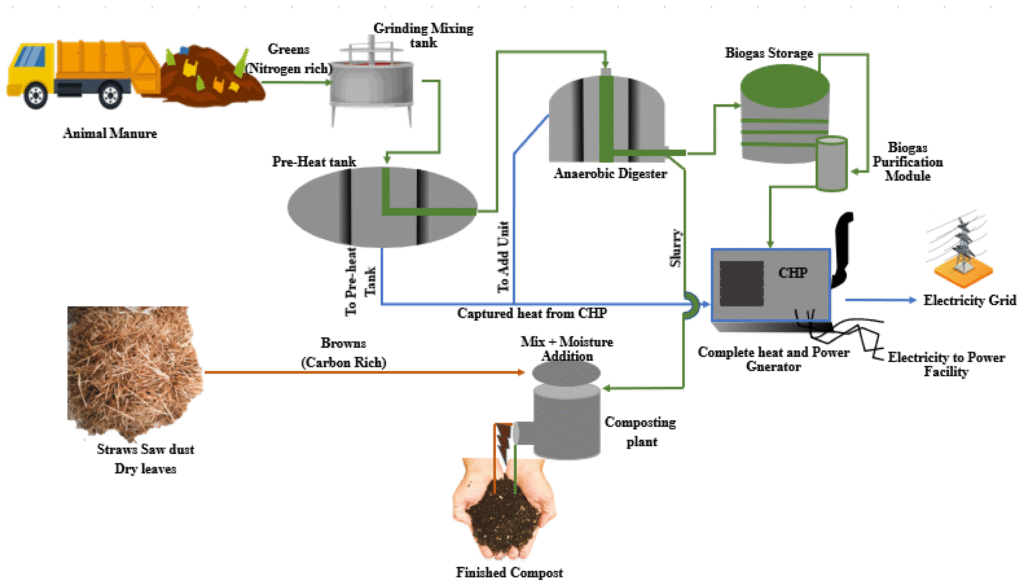
Poultry farming generates significant organic waste known as poultry litter, a mixture of bedding material and manure.
Proper management of this waste is essential for environmental compliance and farm sustainability.
The Environmental Protection Agency regulates many agricultural operations under water protection laws, including rules governing nutrient runoff.
Most poultry farms use litter as fertilizer for nearby cropland. This practice requires adequate acreage to safely distribute nutrients.
Infrastructure for waste management often includes:
- Litter storage sheds
- Composting areas
- Drainage systems
- Nutrient management planning
Because of these requirements, poultry farms typically require additional land beyond the footprint of the poultry houses themselves.
Transportation and Logistics Infrastructure
Poultry farming depends on efficient logistics networks. Birds, feed, and finished products must move quickly between farms, feed mills, and processing plants.
Real estate near major transportation routes provides operational advantages.
Important logistics considerations include:
- Access to paved roads for heavy trucks
- Distance to feed suppliers
- Proximity to processing plants
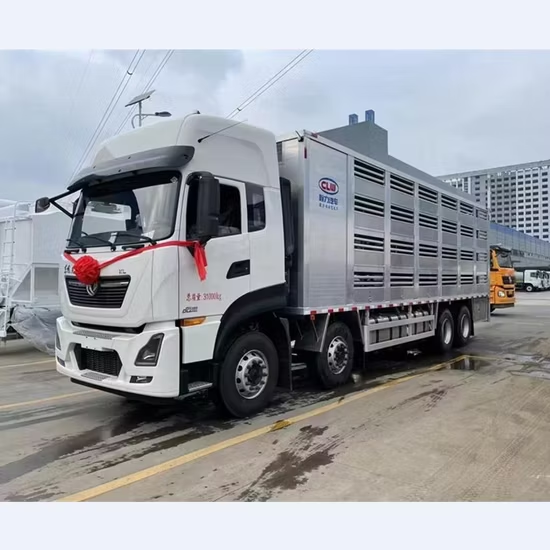
- Transportation infrastructure for live bird hauling
In many regions, poultry farms are clustered within specific agricultural corridors where processing facilities are located.
For example, states such as Georgia, Arkansas, and North Carolina have large poultry production zones supported by nearby processing plants and feed mills.
This clustering creates localized real estate markets for poultry-compatible farmland.
Utilities and Energy Infrastructure
Poultry farms are energy-intensive operations. Maintaining ventilation systems, lighting, and automated feeding equipment requires reliable electricity.
Typical infrastructure requirements include:
- High-capacity electrical service
- Water wells or municipal water connections
- Backup generators
- Fuel storage for heating systems
Water usage can be substantial. A single poultry house may consume hundreds of gallons per day, depending on bird age and climate.
In rural areas, drilling private wells is common, but water quality testing is essential before establishing a farm.
Energy efficiency improvements—such as LED lighting and improved insulation—have become increasingly common in newer poultry houses.
Real Estate Investment Potential in Poultry Farms
Poultry farms represent a niche agricultural real estate investment category. While highly specialized, they can generate stable income when managed properly.
Many farms operate under contracts with poultry processing companies. These agreements often provide growers with predictable revenue in exchange for raising birds to company specifications.
From a real estate perspective, poultry farms may appeal to investors because they combine:
- Agricultural land ownership
- Long-term production infrastructure
- Potential leasing arrangements with experienced operators
However, investors must understand the operational complexities involved.
Unlike general farmland, poultry farm properties have limited alternative uses, which can affect resale values.
Professional due diligence is essential before acquiring such properties.
Regulatory and Zoning Considerations
Poultry farm development requires compliance with multiple layers of regulation.
Local governments regulate zoning, land use, and building permits, while state and federal agencies oversee environmental and animal health issues.
Key regulatory considerations include:
- Agricultural zoning requirements
- Environmental permits
- Stormwater management plans
- Animal welfare standards
- Waste disposal regulations
Working with experienced agricultural attorneys and consultants can help navigate these requirements efficiently.
Future Trends in Poultry Farm Infrastructure
The poultry industry continues to evolve as new technologies and environmental concerns reshape farm design.
Emerging trends include:
- Smart monitoring systems using sensors and data analytics
- Improved ventilation efficiency
- Renewable energy integration
- Enhanced biosecurity infrastructure
Automation is also increasing. Many modern poultry houses allow farmers to monitor temperature, feed levels, and bird conditions remotely using mobile applications.
These innovations may influence future real estate development patterns for poultry farms.
Frequently Asked Questions
How much land is typically required for a poultry farm?
Commercial poultry farms often require 20–40 acres or more, depending on the number of poultry houses and waste management plans.
What infrastructure is required for a poultry farm?
Essential infrastructure includes poultry houses, ventilation systems, feeding and watering equipment, waste storage areas, utility connections, and transportation access.
Are poultry farms profitable real estate investments?
They can be profitable when operated efficiently and often under contract with poultry processors, but they require specialized management and regulatory compliance.
What zoning is needed for poultry farming?
Most poultry farms must be located in agricultural-zoned areas, though requirements vary by county and state.
How much does it cost to build a poultry house?
Construction costs typically range from $300,000 to $500,000 per house, depending on size and equipment.
What utilities are needed for poultry farms?
Reliable electricity, water supply, backup generators, and heating systems are essential.
How do poultry farms manage waste?
Most farms compost or spread poultry litter as fertilizer on nearby cropland following nutrient management plans.
Why are poultry farms often located near processing plants?
Shorter transportation distances reduce stress on birds and improve logistical efficiency.
Can poultry farm land be used for other purposes?
In some cases yes, but specialized infrastructure may limit alternative uses.
What role does biosecurity play in farm infrastructure?
Biosecurity measures protect flocks from disease outbreaks and are essential for modern poultry operations.
From Farmland to Food Supply: Why Poultry Farm Real Estate Matters
Behind every poultry operation lies a carefully planned real estate foundation. Land selection, building design, utilities, waste systems, and transportation infrastructure all shape how efficiently a farm can operate.
For farmers, investors, and rural landowners, understanding this infrastructure transforms poultry farms from simple agricultural properties into complex production environments that support a major segment of the American food supply.
Key Insights at a Glance
- Poultry farming depends on specialized infrastructure and carefully selected land
- Commercial poultry houses require climate control, automation, and reliable utilities
- Waste management and environmental regulations influence farm size and layout
- Transportation access and proximity to processing plants are essential
- Poultry farm real estate represents a niche but important agricultural investment sector