


Summary
Property management services help landlords navigate a rental market shaped by shifting regulations, tenant expectations, and economic uncertainty. Professional managers handle leasing, maintenance, compliance, and financial oversight, allowing property owners to protect income and reduce risk. This guide explains how modern property management works, when it adds value, and how landlords can choose services that support long-term investment performance.
Why Property Management Matters More Than Ever
Rental housing in the United States has become more complex to manage over the past decade. Regulations have expanded, tenant expectations have evolved, and market conditions fluctuate more quickly than many landlords can track on their own.
According to the U.S. Census Bureau, more than 44 million housing units in the United States are renter-occupied, representing roughly one-third of the national housing stock. With demand rising in many regions, landlords are increasingly treating rental properties as long-term investment assets rather than side income.
However, managing rental property now involves much more than collecting rent.
Owners must navigate:
- Local and state landlord-tenant regulations
- Fair housing compliance
- Tenant screening standards
- Maintenance coordination
- Financial reporting and tax preparation
- Lease enforcement and eviction procedures
For landlords who own multiple units—or those living far from their properties—professional property management services have become an operational necessity rather than a convenience.
What Property Management Services Actually Do
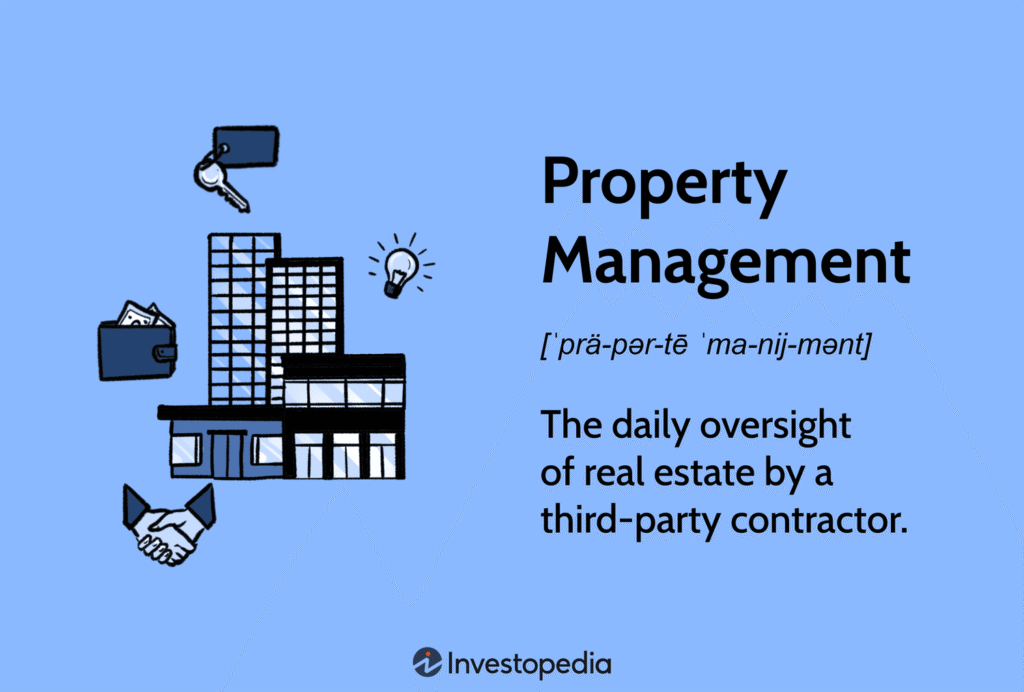
Many new landlords assume property management simply means collecting rent and responding to maintenance calls. In reality, modern property managers act as operational partners for rental property owners.
A full-service property management company typically handles the entire lifecycle of rental operations, from tenant acquisition to financial reporting.
Key responsibilities usually include:
- Marketing vacant units across rental listing platforms
- Tenant screening, including credit checks and income verification
- Lease preparation and enforcement
- Rent collection and payment processing
- Maintenance coordination and vendor management
- 24/7 emergency response
- Legal compliance with housing regulations
- Monthly financial reporting and owner statements
Experienced managers also provide market insight, helping landlords set competitive rental rates based on local demand, comparable properties, and seasonal trends.
For example, a property manager in Phoenix might recommend adjusting rents quarterly during high-migration periods, while one in Chicago may focus on winter vacancy prevention strategies.
The Challenges Landlords Face in Today’s Rental Market
The rental housing landscape has changed significantly since the early 2000s. Property owners today face pressures that many individual landlords are not equipped to manage alone.
1. Expanding Housing Regulations
Cities and states continue introducing new tenant protection laws. These may include:
- Just-cause eviction rules
- Rent stabilization policies
- Security deposit limits
- Mandatory notice requirements
- Fair housing enforcement updates
Failure to comply with these regulations can lead to fines, lawsuits, or eviction delays.
Professional property managers track these rules daily, helping landlords avoid costly compliance mistakes.
2. Rising Tenant Expectations
Today’s renters expect responsive communication, online services, and well-maintained properties.
Common tenant expectations now include:
- Online rent payments
- Digital maintenance requests
- Fast response times
- Transparent lease policies
- Clean, safe, professionally maintained homes
Property management firms typically use software platforms that streamline these services.
3. Maintenance Complexity
Maintenance is often the largest operational burden for landlords.
Common issues include:
- Emergency plumbing failures
- HVAC breakdowns
- Roofing leaks
- Appliance replacement
- Seasonal maintenance
Professional managers maintain networks of vetted contractors, ensuring repairs are completed quickly and at competitive prices.
Financial Benefits of Professional Property Management
Although property management services typically cost 8–12% of monthly rental income, the financial benefits often outweigh the expense for many landlords.
Reduced Vacancy Periods
Professional managers market listings aggressively across major rental platforms and maintain waitlists in high-demand markets.
Shorter vacancy periods mean:
- Faster tenant placement
- More consistent rental income
- Lower turnover costs
Stronger Tenant Screening
Tenant screening is one of the most important risk management tools landlords have.
Experienced managers verify:
- Credit history
- Employment and income stability
- Rental history
- Eviction records
High-quality tenants tend to:
- Pay rent on time
- Stay longer
- Cause fewer property damages
Preventative Maintenance
Property managers often schedule routine inspections and preventative maintenance that help landlords avoid expensive repairs later.
For example:
- HVAC servicing before summer heat waves
- Roof inspections after severe weather
- Plumbing inspections in older properties
Preventative care extends the lifespan of major systems and preserves property value.
How Property Managers Help With Legal Compliance
Legal compliance is one of the most overlooked reasons landlords hire property managers.
Rental housing law operates across multiple layers:
- Federal housing regulations
- State landlord-tenant law
- Local city ordinances
- Building codes and safety requirements
For example, federal law prohibits discrimination under the Fair Housing Act, but states may add additional protected classes such as source of income or marital status.
Professional property managers ensure:
- Leasing practices comply with fair housing standards
- Security deposits follow state regulations
- Lease terms meet legal requirements
- Evictions follow proper court procedures
Mistakes in these areas can lead to significant legal exposure.
Technology Is Transforming Property Management
The property management industry has rapidly adopted technology over the past decade. Modern software platforms allow managers to oversee hundreds or even thousands of units efficiently.
Common tools used today include:
- Online rent payment systems
- Automated lease management
- Tenant communication portals
- Maintenance request tracking
- Digital inspection reports
- Accounting and financial dashboards
These systems provide landlords with real-time visibility into property performance, including occupancy rates, repair expenses, and income reports.
For owners managing properties across multiple cities—or even multiple states—technology has made professional oversight significantly easier.
When Landlords Should Consider Hiring a Property Manager
Not every landlord needs a property manager. Owners with a single nearby property may prefer to handle operations themselves.
However, property management services become increasingly valuable under certain conditions.
Landlords often benefit from professional management when they:
- Own multiple rental units
- Live far from their properties
- Have limited time for day-to-day management
- Lack experience with tenant screening
- Want to scale their real estate investments
- Prefer passive income rather than active involvement
For example, an investor who owns several duplexes across different cities may find it nearly impossible to coordinate maintenance and tenant communication without professional help.
How to Choose a Reliable Property Management Company
Choosing the right property manager requires careful evaluation. The quality of management directly affects rental income, tenant satisfaction, and property condition.
Landlords should look for firms with strong experience in their specific market.
Important evaluation factors include:
- Local market expertise
- Transparent fee structure
- Clear maintenance policies
- Detailed monthly financial reporting
- Tenant screening standards
- Communication practices
It is also helpful to request references from other property owners currently working with the company.
A reputable manager should be willing to explain exactly how they:
- Handle tenant disputes
- Approve repair costs
- Conduct property inspections
- Manage late payments
Transparency is essential for long-term partnerships.
Property Management Fees Explained
Property management costs vary depending on location, property size, and service level.
Typical fees include:
- Monthly management fee: 8–12% of collected rent
- Tenant placement fee: 50–100% of one month’s rent
- Lease renewal fee: sometimes charged annually
- Maintenance coordination fees: occasionally applied for large projects
Some companies offer flat-rate management packages, particularly for large portfolios.
Before signing a contract, landlords should review the full fee schedule carefully to avoid unexpected charges.
The Future of Property Management
As housing markets continue evolving, property management services will likely play an even larger role in rental housing operations.
Several trends are shaping the industry:
- Increased regulation of rental housing
- Growth in institutional real estate investors
- Rising tenant expectations for service quality
- Expansion of property technology platforms
In many markets, professionally managed properties are becoming the standard rather than the exception.
For landlords seeking stable income and long-term asset appreciation, professional management can provide operational consistency in a complex and changing housing environment.

Frequently Asked Questions
1. What does a property management company do for landlords?
Property managers oversee day-to-day rental operations including tenant screening, lease administration, rent collection, maintenance coordination, and legal compliance.
2. How much do property management services cost?
Most companies charge 8–12% of monthly rental income, though fees vary depending on services, location, and property size.
3. Is property management worth it for one rental property?
For some owners, yes—especially if they live far away, have demanding schedules, or lack experience managing tenants and maintenance.
4. Can property managers handle evictions?
Yes. Property managers typically coordinate eviction processes in compliance with state and local laws, though court representation may involve legal counsel.
5. Do property managers set rental prices?
Yes. Experienced managers analyze local market data to recommend competitive rental rates that balance occupancy and income.
6. How do property managers screen tenants?
Tenant screening typically includes credit checks, employment verification, rental history review, and eviction record searches.
7. Who pays for maintenance repairs?
Property owners generally pay for repairs, while property managers coordinate vendors and oversee the work.
8. Can landlords still make decisions if they hire a manager?
Yes. Most management agreements allow owners to approve large repairs, rent adjustments, or major policy decisions.
9. How often do property managers inspect rental units?
Many companies perform annual or semi-annual inspections, along with move-in and move-out evaluations.
10. What types of properties use management services?
Property management is common for single-family rentals, apartment buildings, vacation rentals, and multi-unit investment properties.
The Landlord’s Operational Advantage
Professional property management services offer landlords more than convenience—they provide operational structure in an increasingly complex rental market. From regulatory compliance to tenant relations, experienced managers help owners protect property value while maintaining stable rental income.
For investors focused on long-term real estate performance, strong management can be just as important as choosing the right property.
Key Insights for Rental Property Owners
- Property management companies oversee leasing, maintenance, compliance, and financial reporting
- Professional management often reduces vacancy periods and tenant turnover
- Legal compliance is one of the most valuable services managers provide
- Technology platforms now enable real-time oversight of rental performance
- Management services become increasingly useful as portfolios grow
- Transparent contracts and strong communication are essential when choosing a manager