

Summary
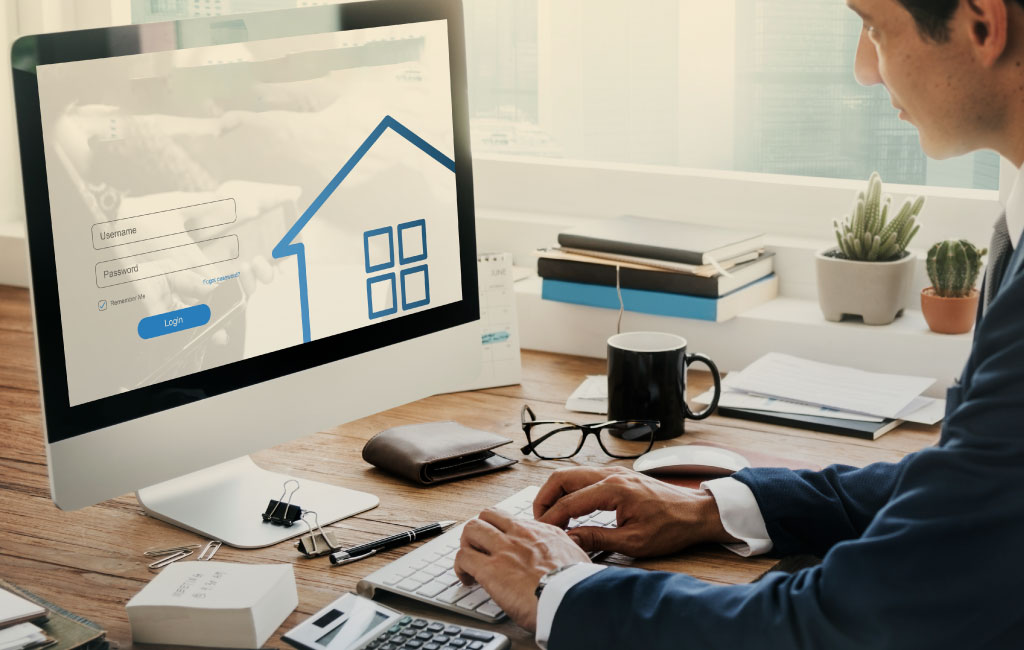
Property management technology is reshaping how residential and commercial properties are operated across the United States. From automated rent collection to AI-driven maintenance tracking, digital platforms are helping property owners reduce administrative work, improve tenant communication, and gain clearer insights into performance. Understanding these tools helps landlords, investors, and managers operate properties more efficiently in an increasingly data-driven market.
The Digital Shift in Property Management
For decades, property management relied heavily on spreadsheets, paper records, and manual communication with tenants. Today, technology is steadily replacing those traditional processes with centralized digital systems.
Across the United States, property owners are adopting software platforms and smart tools that streamline daily operations—from screening tenants and signing leases to scheduling repairs and collecting rent online.
The shift has been driven by several practical factors:
- Growing rental housing demand
- Increasing expectations from tech-savvy tenants
- Rising operational costs
- The need for real-time property performance data
According to the National Apartment Association, more than 75% of large property management firms now rely on dedicated management platforms to handle leasing, payments, and maintenance coordination. These tools are not only helping larger firms scale operations but are also becoming accessible to smaller landlords managing just a handful of units.
In practice, technology does not replace property managers. Instead, it allows them to focus on strategic responsibilities—tenant satisfaction, asset planning, and property improvements—while routine tasks are automated.
What Is Property Management Technology?
Property management technology refers to software platforms, automation tools, and smart devices used to operate and maintain rental properties more efficiently.
These tools typically integrate multiple functions into a single dashboard, allowing property managers to track everything related to a property or portfolio.
Most modern platforms combine:
- Accounting and financial tracking
- Tenant communication portals
- Maintenance management systems
- Lease administration tools
- Marketing and listing integrations
- Reporting and analytics dashboards
Instead of juggling separate systems, managers can monitor rent payments, maintenance requests, and lease timelines from one interface.
For example, a property manager overseeing a 120-unit apartment building might use a digital platform to automatically send rent reminders, approve maintenance requests, and track occupancy rates without needing separate software or manual spreadsheets.
Online Rent Collection and Financial Automation
Rent collection has historically been one of the most time-consuming aspects of property management. Checks arriving by mail, late payments, and manual bookkeeping often created administrative headaches.
Modern platforms now allow tenants to pay rent digitally through secure online portals.
Benefits of digital rent systems include:
- Automatic payment reminders
- ACH transfers and credit card payments
- Instant payment tracking
- Reduced late payments
- Integrated accounting records
For property owners, the financial visibility can be significant. Instead of reconciling payments manually, managers can generate real-time financial reports showing:
- rental income
- outstanding balances
- operating expenses
- cash flow performance
Many systems also integrate with accounting platforms, helping property owners maintain accurate records for tax preparation.
For example, a landlord managing several duplex properties might use automated rent collection to receive payments on the first of each month without handling physical checks or manual deposits.
Tenant Portals and Communication Platforms
Clear communication between tenants and property managers is essential for maintaining satisfaction and minimizing disputes. Technology is helping simplify this process.
Most property management platforms now offer tenant portals, secure digital dashboards where renters can interact with property managers.
These portals typically allow tenants to:
- Submit maintenance requests
- Pay rent online
- Review lease documents
- Receive building announcements
- Track request updates
This centralized communication system reduces the need for email chains, phone calls, and manual paperwork.
For example, if a tenant notices a leaking faucet, they can upload photos and submit a repair request through the portal. The system automatically logs the request and alerts the property manager, who can assign it to a maintenance technician.
This kind of transparency helps tenants feel informed and reduces misunderstandings about repair timelines or responsibilities.

Maintenance Management and Smart Work Orders
Maintenance coordination is one of the most operationally complex aspects of property management. Without clear systems in place, repair requests can easily become delayed or overlooked.
Property management technology helps address this challenge by introducing digital work-order systems.
These systems allow managers to:
- Track maintenance requests from submission to completion
- Assign tasks to vendors or maintenance staff
- Monitor repair timelines
- Maintain service histories for each property unit
For example, if a heating system requires servicing, the maintenance platform logs the issue, assigns it to a technician, and records the repair date. Over time, this creates a maintenance history that can help identify recurring issues.
Predictive maintenance tools are also emerging. These systems analyze repair patterns to identify potential equipment failures before they occur.
In commercial properties such as office buildings, predictive maintenance can significantly reduce downtime and repair costs.
Leasing Automation and Digital Documents
Leasing paperwork traditionally required in-person meetings, printed contracts, and manual signatures. Today, digital leasing tools have streamlined the entire process.
Property managers can now:
- Market vacancies online
- Accept digital rental applications
- run tenant screening reports
- issue electronic lease agreements
- collect security deposits digitally
These systems significantly shorten the time between listing a property and securing a qualified tenant.
Common automation features include:
- automated tenant screening reports
- identity verification tools
- credit and background checks
- digital lease signatures
For example, a prospective renter can apply for an apartment online, submit identification documents, and sign a lease electronically—often within a single day.
This speed benefits both tenants and property owners by reducing vacancy periods.
Data Analytics and Performance Insights
Modern property management platforms increasingly rely on data analytics to help owners understand property performance.
Instead of relying on rough estimates, owners can access detailed dashboards showing:
- occupancy rates
- rental revenue trends
- maintenance costs
- lease expiration schedules
- marketing performance
This information helps owners make more informed decisions about pricing, renovations, and portfolio growth.
For example, if a property manager notices that multiple leases expire in the same month, they can plan renewal offers in advance to avoid a sudden spike in vacancies.
Similarly, analytics can reveal whether rent increases in a particular building align with market trends.
Smart Building Technology and IoT Devices
Another emerging area of property management technology involves smart building systems and Internet of Things (IoT) devices.
These technologies help monitor building performance and improve energy efficiency.
Common smart property technologies include:
- smart thermostats
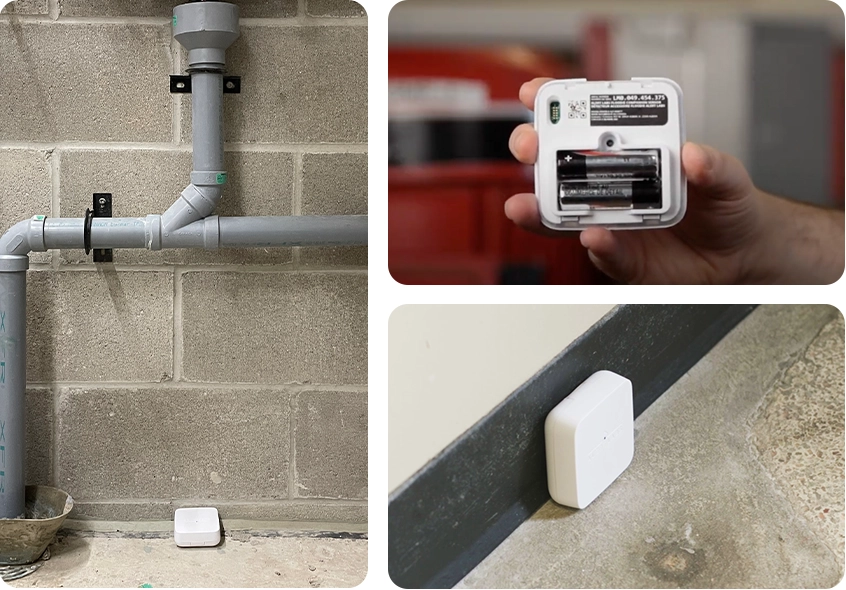
- leak detection sensors
- smart locks and access control systems
- energy monitoring tools
- smart lighting systems
In apartment buildings, smart locks can allow tenants to enter using digital keys while also enabling temporary access for maintenance staff.
Leak detection sensors are especially useful in preventing water damage. If a pipe begins leaking, sensors can alert property managers immediately, allowing them to address the issue before major damage occurs.
Commercial office buildings are increasingly using smart systems to optimize heating, cooling, and energy use—reducing operating costs over time.
Marketing Technology for Rental Listings
Technology has also transformed how rental properties are marketed.
Instead of posting listings individually on multiple websites, property managers can now use listing syndication tools that automatically distribute vacancies to major rental platforms.
These marketing tools help property owners:
- publish listings across multiple rental sites
- update availability in real time
- track listing engagement metrics
- analyze lead sources
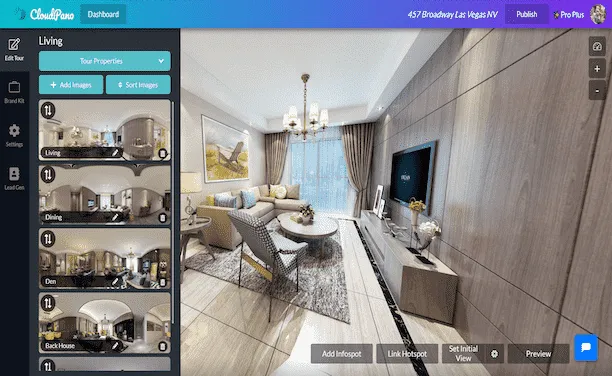
Professional photography, virtual tours, and 3D walkthroughs are also becoming standard in rental marketing.
For example, a prospective tenant relocating from another state can take a virtual tour of an apartment without visiting in person, allowing property managers to attract renters from broader geographic areas.
Security and Data Protection Considerations
As property management becomes more digital, protecting sensitive information becomes increasingly important.
Property management platforms often store:
- tenant personal data
- payment details
- lease agreements
- financial records
For this reason, reputable platforms emphasize data security features such as:
- encrypted payment systems
- secure cloud storage
- multi-factor authentication
- role-based access permissions
Property managers should carefully evaluate vendors to ensure they follow recognized cybersecurity practices.
Failure to protect tenant information can lead to legal liability and reputational damage.
Challenges of Implementing Property Management Technology
Despite its advantages, adopting new technology is not always straightforward.
Some common challenges include:
- learning curves for staff unfamiliar with new systems
- initial software subscription costs
- data migration from older systems
- integration issues with accounting platforms
However, most property managers find that the long-term benefits—improved efficiency and clearer financial visibility—outweigh the initial adjustment period.
For smaller landlords, many software providers now offer simplified platforms designed for portfolios with fewer than ten units.
Frequently Asked Questions
What is property management software?
Property management software is a digital platform used to manage rental properties, including rent collection, tenant communication, maintenance tracking, and financial reporting.
How does technology help property managers?
Technology reduces administrative tasks, improves communication with tenants, and provides real-time financial and operational data.
Is property management software expensive?
Costs vary widely. Many platforms charge monthly subscription fees based on the number of units managed, while some offer free versions with limited features.
Can small landlords benefit from property management technology?
Yes. Many tools are designed specifically for small landlords managing a few rental units.
What features should property owners look for?
Key features often include rent collection tools, maintenance tracking, tenant portals, accounting integration, and reporting dashboards.
Are online rent payments secure?
Most reputable platforms use encrypted payment processing similar to banking systems.
Does technology replace property managers?
No. Technology supports property managers by automating routine tasks, allowing them to focus on tenant relationships and strategic decisions.
What are smart building technologies?
Smart building technologies use connected devices—such as sensors and automated thermostats—to monitor building performance and improve efficiency.
How do digital leases work?
Digital lease systems allow tenants and landlords to sign legally binding contracts electronically using secure signature platforms.
Can technology help reduce maintenance costs?
Yes. Maintenance tracking and predictive analytics can identify recurring problems early, helping property owners address issues before they become expensive repairs.
A Look Ahead at the Tech-Enabled Property Manager
The property management profession is steadily evolving alongside technological innovation. What once required stacks of paperwork and manual coordination is increasingly handled through integrated digital platforms.
Property managers who embrace these tools are often better positioned to respond quickly to tenant needs, track property performance, and operate buildings efficiently.
As rental housing demand continues to grow across many U.S. cities, technology will likely remain a central component of effective property management.
Key Insights for Property Owners and Managers
- Property management technology streamlines operations across leasing, payments, and maintenance
- Tenant portals improve communication and transparency
- Digital rent collection reduces administrative work and late payments
- Data analytics help property owners make better investment decisions
- Smart building devices support preventive maintenance and energy efficiency
- Marketing automation expands the reach of rental listings
- Security and data protection are essential considerations when selecting software
- Technology supports property managers rather than replacing them