

Summary
Residential developers are reshaping the U.S. housing market as affordability pressures, population shifts, zoning reforms, and new construction technologies transform how homes are built. From build-to-rent communities to mixed-use developments and modular construction, developers now play a central role in addressing supply shortages while adapting to changing buyer expectations, economic cycles, and evolving urban planning priorities.
The U.S. housing market is undergoing one of its most significant structural shifts in decades. Rapid population changes, rising construction costs, affordability pressures, and new living preferences are forcing residential developers to rethink how communities are planned and built.
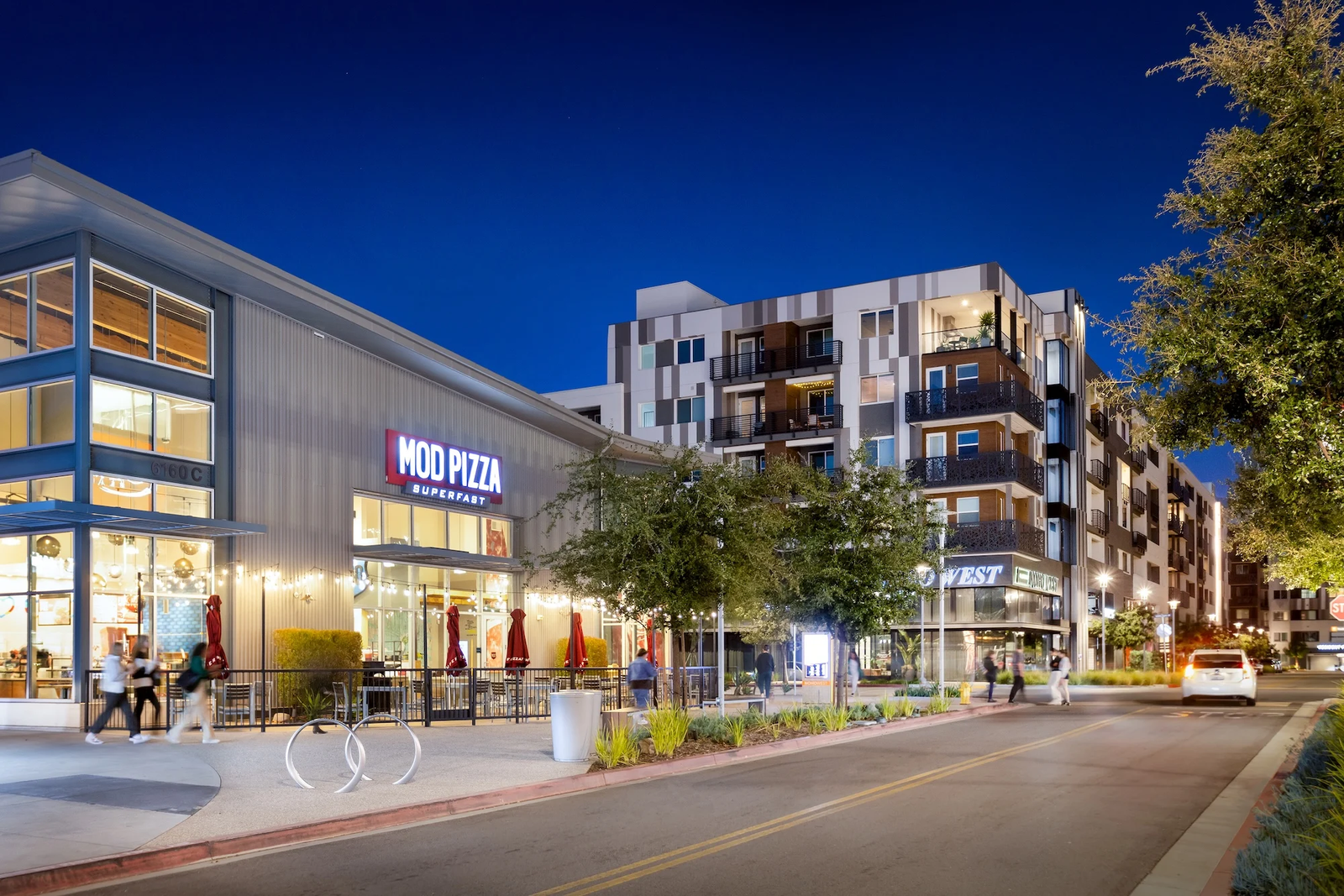
In many regions, developers are no longer simply building subdivisions or apartment complexes. They are designing entire living ecosystems—mixed-use neighborhoods, build-to-rent communities, transit-oriented housing, and flexible urban developments designed for modern lifestyles.
According to the U.S. Census Bureau, the United States faces a housing shortage estimated between 3.8 million and 5.5 million homes, depending on methodology used by housing researchers. This shortage has put residential developers at the center of policy discussions about affordability, zoning reform, and sustainable urban growth.
Understanding how developers are responding to these pressures offers valuable insight into the future of American housing.
Why Residential Developers Are So Important Right Now
Residential developers serve as the bridge between land, capital, regulation, and housing demand. Their decisions determine where housing supply grows and how quickly it reaches the market.
Historically, housing development followed predictable patterns: suburban expansion, urban apartment construction, and occasional large master-planned communities. But today’s environment requires far more complex strategies.
Developers must navigate:
- Rising material costs
- Labor shortages in construction
- Complex zoning and permitting processes
- Interest rate fluctuations
- Increasing demand for affordability
These constraints mean housing supply cannot expand quickly enough to meet demand in many U.S. cities.
For example, the National Association of Home Builders (NAHB) estimates regulatory costs can account for up to 24% of the final price of a new home in some markets. Developers therefore spend years securing permits and approvals before construction begins.
The result is a slower housing pipeline at a time when demand remains strong.
Population Migration Is Changing Development Patterns
Over the past several years, major population shifts have reshaped housing demand across the United States.
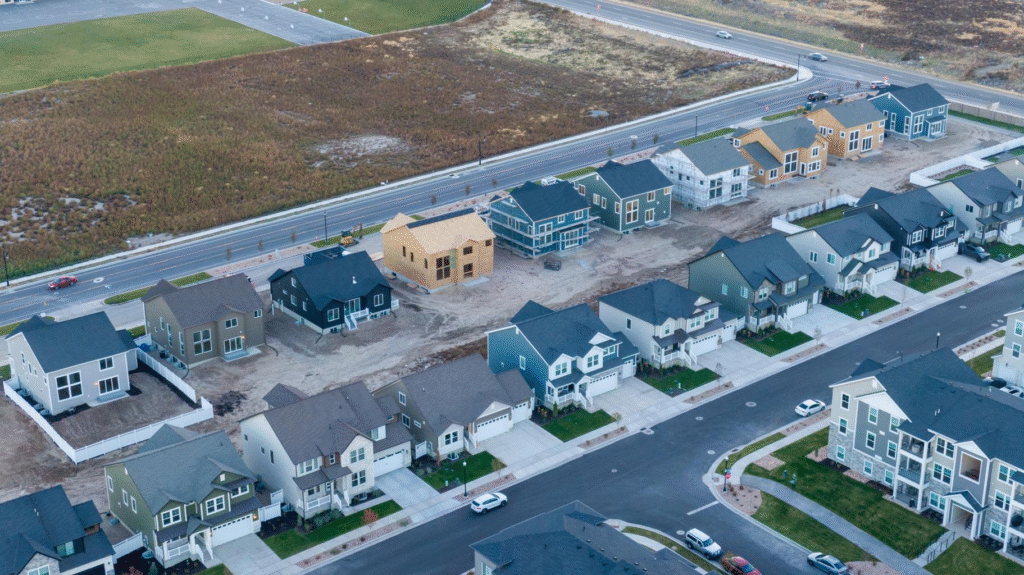
During and after the pandemic, millions of Americans relocated from high-cost metropolitan areas toward more affordable regions. Cities across the Sun Belt—including Austin, Nashville, Tampa, and Phoenix—experienced explosive population growth.
Developers quickly responded by expanding residential construction in these areas.
Key migration trends influencing development include:
- Movement from coastal cities to interior metro areas
- Growth of smaller metropolitan regions
- Expansion of suburban housing demand
- Increased interest in secondary cities
For example, Austin, Texas added tens of thousands of new housing units over the past decade as technology companies expanded their presence there.
Similarly, cities such as Raleigh, North Carolina and Boise, Idaho have seen rapid development as professionals relocate for lower costs of living.
These population changes require developers to adapt quickly to emerging regional demand.
The Rise of Build-to-Rent Communities
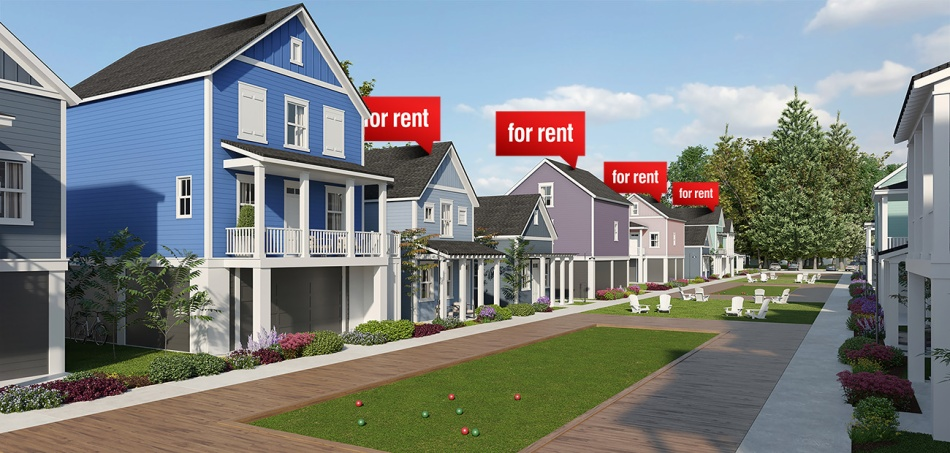
One of the most significant shifts in residential development is the rapid growth of build-to-rent (BTR) housing.
Instead of selling newly constructed homes to individual buyers, developers build entire communities of single-family homes designed specifically for renters.
These neighborhoods often include:
- Professionally managed properties
- Community amenities like pools and parks
- Maintenance services
- Flexible leasing options
Build-to-rent communities appeal to households that want the space of a single-family home without the financial commitment of ownership.
They also attract:
- Younger families saving for a down payment
- Remote workers relocating temporarily
- Older adults downsizing from homeownership
According to John Burns Real Estate Consulting, build-to-rent construction has grown dramatically, with over 90,000 units completed or under construction in recent years.
Developers increasingly view this model as a stable investment because rental demand remains strong even during periods of housing market volatility.
Zoning Reform Is Opening New Opportunities
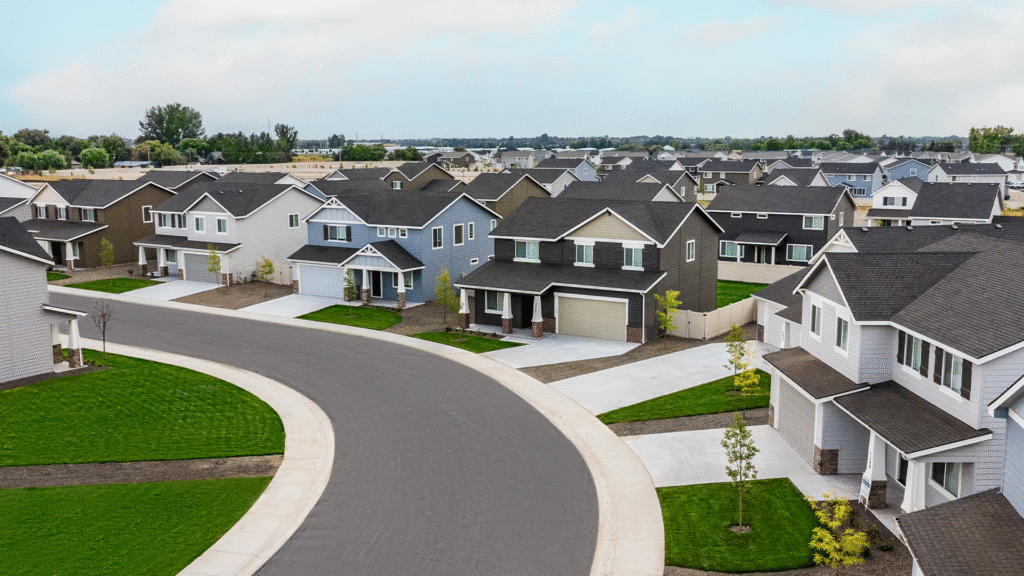
For decades, restrictive zoning laws limited housing density in many American cities. Large portions of urban land were reserved exclusively for single-family homes.
However, growing housing shortages have prompted many local governments to reconsider these regulations.
Cities and states have begun implementing reforms such as:
- Allowing accessory dwelling units (ADUs)
- Legalizing duplexes and triplexes in single-family zones
- Encouraging transit-oriented development
- Streamlining permitting processes
For residential developers, these changes can unlock new opportunities to build housing in previously restricted neighborhoods.
For example, Minneapolis eliminated single-family-only zoning in 2019, allowing small multi-family homes across the city. Other states, including California, have introduced legislation making it easier to build ADUs in existing neighborhoods.
These policy changes allow developers to increase housing supply without expanding city boundaries.
Technology Is Transforming How Homes Are Built
Construction technology is also reshaping the role of residential developers.
Traditional construction methods are slow and labor-intensive. Developers increasingly explore new building technologies that promise faster timelines and lower costs.
Some emerging solutions include:
- Modular construction, where housing components are built in factories
- 3D-printed building materials for structural components
- prefabricated panels for faster assembly
- digital construction planning using advanced modeling software
For example, modular housing factories can produce large sections of buildings off-site and transport them for final assembly. This reduces construction time significantly.
While these technologies are not yet widespread, many developers see them as potential tools to address housing shortages and rising labor costs.
Sustainability Is Becoming a Core Development Strategy
Environmental considerations increasingly influence residential development decisions.
Buyers, renters, and municipalities are demanding housing that reduces environmental impact while lowering long-term operating costs.
Developers now frequently incorporate:
- Energy-efficient building envelopes
- Solar panel systems
- Smart home technology
- Electric vehicle charging infrastructure
- Water-efficient landscaping
Cities such as Denver, Seattle, and Los Angeles have introduced building codes requiring higher efficiency standards.
These sustainability features can increase upfront construction costs, but developers often find that energy efficiency improves property value and attracts environmentally conscious buyers.
The Challenge of Housing Affordability
Despite innovation and new development models, affordability remains the most pressing issue in the U.S. housing market.
Home prices have risen dramatically over the past decade. According to Redfin, the median U.S. home price more than doubled between 2012 and 2022.
Several factors contribute to the affordability challenge:
- Land costs in major metro areas
- Rising construction materials prices
- Interest rate fluctuations
- Labor shortages in skilled trades
- Local zoning restrictions
Developers often struggle to build housing at price points accessible to middle-income buyers.
In response, many projects now include mixed-income housing models, where market-rate units subsidize affordable units within the same development.
Public-private partnerships are also becoming more common as cities attempt to accelerate affordable housing construction.
Mixed-Use Communities Are Replacing Traditional Suburbs
Another major trend shaping residential development is the rise of mixed-use communities.
Instead of separating residential, retail, and office spaces, developers increasingly combine them into integrated neighborhoods.
These developments typically include:
- Apartments or townhomes
- Retail shops and restaurants
- Office space
- Public parks and walkable streets
Mixed-use projects are particularly popular near transit hubs and urban centers where residents want to live close to work, entertainment, and services.
For developers, mixed-use projects diversify revenue streams and reduce reliance on a single property type.
For residents, they create more convenient and walkable communities.
Financing Has Become More Complex
Residential development requires substantial capital, and financing conditions have become more challenging in recent years.
Higher interest rates increase borrowing costs for developers, making some projects financially unfeasible.
Developers now rely on a mix of funding sources, including:
- Institutional investors
- Private equity funds
- Real estate investment trusts (REITs)
- Government housing programs
Large institutional investors have become particularly influential in the housing sector. Their involvement has helped fund large-scale developments but has also sparked debate about the role of investment firms in the housing market.
What the Future May Look Like for U.S. Housing
The next decade will likely see continued experimentation in residential development strategies.
Several emerging trends are expected to shape the future:
- Increased density in urban neighborhoods
- Greater acceptance of smaller housing units
- Expansion of build-to-rent communities
- Continued migration to mid-size metropolitan areas
- Wider adoption of construction technology
Developers will also play a central role in addressing climate resilience and infrastructure challenges.
Ultimately, the success of future housing development will depend on collaboration between developers, local governments, investors, and communities.
Common Questions About Residential Developers and U.S. Housing
1. What does a residential developer do?
Residential developers acquire land, secure financing, obtain permits, and manage the design and construction of housing projects.
2. Why is the U.S. experiencing a housing shortage?
Limited construction after the 2008 financial crisis, population growth, zoning restrictions, and rising building costs all contribute to the shortage.
3. What is build-to-rent housing?
Build-to-rent communities consist of newly constructed single-family homes designed specifically for long-term rental rather than sale.
4. How do zoning laws affect housing development?
Zoning laws control land use and density. Restrictive zoning can limit how many homes developers are allowed to build.
5. Why are new homes so expensive to build?
Construction materials, labor shortages, regulatory costs, and land prices significantly increase development expenses.
6. Are developers responsible for rising housing prices?
Developers respond to market conditions. Many price increases are driven by supply shortages, land costs, and regulatory barriers.
7. What are accessory dwelling units (ADUs)?
ADUs are small housing units built on the same property as an existing home, often used to increase density.
8. How do mixed-use developments benefit communities?
They create walkable neighborhoods where residents can live, work, and shop in the same area.
9. Will technology make housing cheaper?
New construction technologies may reduce costs over time, but widespread adoption will take years.
10. Which U.S. regions are seeing the most new housing development?
Sun Belt cities and mid-size metropolitan areas have experienced the fastest housing growth.
Shaping the Next Era of American Neighborhoods
Residential developers now influence far more than housing supply—they shape the structure of cities, transportation patterns, and long-term economic growth. As zoning reforms expand opportunities and technology improves construction efficiency, developers will remain key players in solving the housing shortage.
Their ability to balance affordability, sustainability, and community design will determine how future American neighborhoods evolve.
Key Insights at a Glance
- The U.S. housing shortage has placed residential developers at the center of housing policy debates
- Population migration toward Sun Belt cities has accelerated regional development
- Build-to-rent communities are one of the fastest-growing housing segments
- Zoning reforms are opening new opportunities for housing density
- Construction technology may improve efficiency and reduce development timelines
- Affordability remains the biggest challenge in the housing market
- Mixed-use developments are redefining modern community design