

Summary
Neighborhood retail districts across the United States are experiencing renewed interest as consumers prioritize convenience, walkability, and community-focused shopping. For small businesses, these local commercial corridors offer lower costs, loyal customer bases, and strong long-term potential. Understanding how these spaces work—location dynamics, tenant mix, lease structures, and evolving consumer behavior—can help entrepreneurs successfully establish profitable neighborhood storefronts.
The Quiet Comeback of Neighborhood Retail
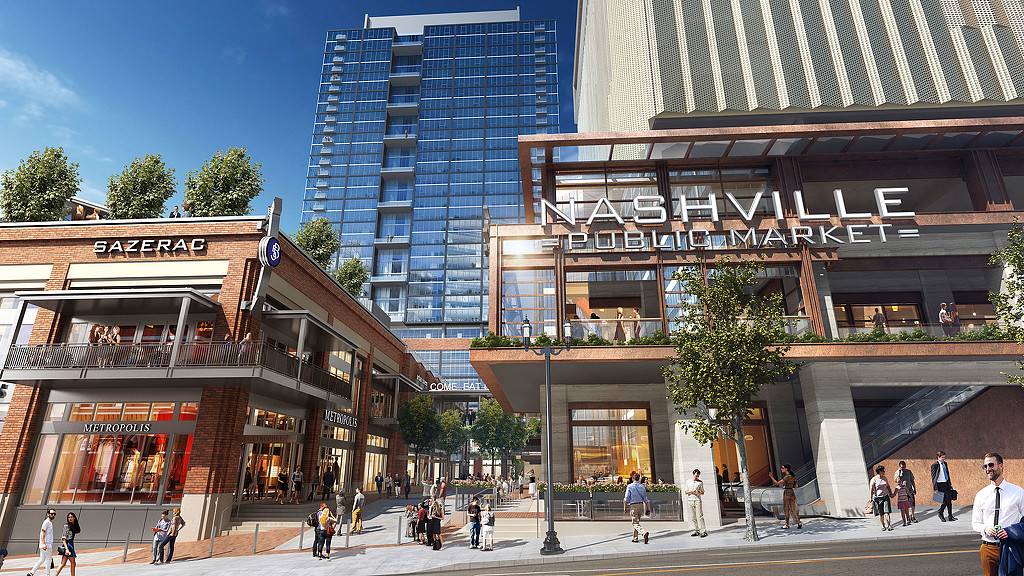
Over the past decade, many American cities and suburbs have witnessed a noticeable shift in where retail growth happens. While major shopping malls and big-box centers still exist, an increasing share of new small businesses are opening in neighborhood commercial districts—compact clusters of storefronts embedded within residential areas.
These areas may include:
- Small strip plazas serving surrounding neighborhoods
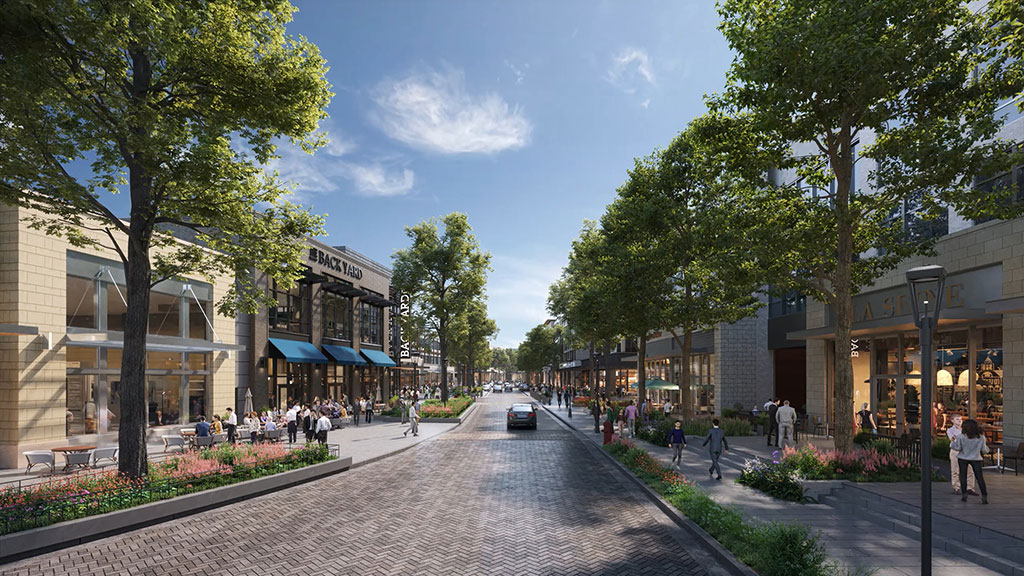
- Walkable main streets in older suburbs
- Ground-floor retail within mixed-use developments
- Redeveloped community shopping centers
Urban planning trends, changing consumer habits, and rising commercial rents in prime retail corridors have combined to make neighborhood retail spaces especially attractive for entrepreneurs.
According to the International Council of Shopping Centers, neighborhood and community centers remain one of the most stable retail property types in the U.S., largely because they serve daily needs rather than discretionary shopping.
For small business owners, this stability translates into a meaningful opportunity.
Why Consumers Are Returning to Local Commercial Corridors
One of the primary reasons neighborhood retail is gaining momentum is simple: convenience.
After years of e-commerce growth and pandemic-driven lifestyle shifts, many Americans now prioritize shopping close to home. Short errands, quick dining stops, and service-based businesses thrive when located within minutes of residential areas.
Several behavioral trends are driving this shift.
The “10-Minute Errand” Economy
Consumers increasingly prefer businesses that fit easily into daily routines. Instead of traveling across town to large retail centers, customers often choose neighborhood shops where they can quickly pick up essentials.
Examples include:
- A coffee shop near a residential cluster
- A neighborhood pharmacy
- A boutique fitness studio
- Local bakeries or specialty food stores
For entrepreneurs, this means smaller spaces in neighborhood districts can generate consistent traffic.

Work-From-Home Influence
Remote and hybrid work models have reshaped daytime retail demand. Millions of Americans now spend more time in their neighborhoods during working hours.
The result:
- Higher daytime demand for cafés
- More lunch traffic at local restaurants
- Increased demand for personal services such as salons and fitness studios
This trend significantly benefits businesses located within residential communities.
What Defines a Neighborhood Retail District?
Not all small commercial areas function the same way. Understanding the structure of neighborhood retail districts can help entrepreneurs evaluate potential locations.
Typical characteristics include:
- 3,000–50,000 square feet of retail space
- Anchored by convenience businesses (grocery, pharmacy, or services)
- Located within residential neighborhoods
- Designed for short visits and frequent trips
- Limited but accessible parking
Common tenant mixes often include:
- Coffee shops
- Hair salons
- Quick-service restaurants
- Medical or dental offices
- Pet services
- Boutique fitness studios
- Local specialty retail
These clusters create what real estate professionals call “daily-needs retail.”
The presence of complementary businesses increases customer traffic for all tenants.
Lower Entry Costs Compared to Major Retail Districts
For small businesses, one of the biggest advantages of neighborhood retail spaces is affordability.
Prime commercial districts—downtown cores or luxury retail streets—often demand high rents that are difficult for new businesses to sustain. Neighborhood retail corridors typically offer more manageable lease terms.
Potential advantages include:
- Lower rent per square foot
- Smaller space requirements
- Less expensive tenant improvements
- Reduced marketing costs due to local visibility
- Less direct competition from large chains
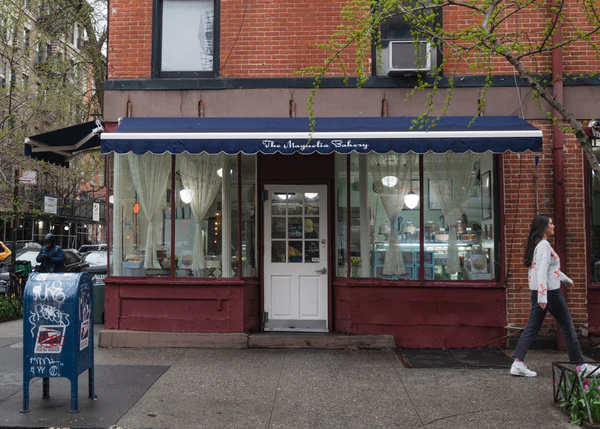
For example, a small bakery might struggle to afford space in a downtown shopping district but could thrive in a neighborhood center serving nearby residents.
Entrepreneurs often underestimate how valuable proximity can be.
A location surrounded by thousands of nearby residents can outperform a larger but less convenient retail area.
Built-In Customer Loyalty
Neighborhood businesses frequently develop deeper relationships with customers compared to retailers in large shopping centers.
This happens because local residents visit regularly and become familiar with store owners and staff.
Common patterns in successful neighborhood businesses include:
- Repeat weekly visits
- Word-of-mouth referrals among neighbors
- Community event participation
- Strong local brand identity
For example, a neighborhood bookstore that hosts reading groups or children’s story hours can become a community hub.
These emotional connections often lead to long-term customer loyalty that is difficult for large chains to replicate.
Mixed-Use Development Is Expanding the Opportunity
Another major factor driving neighborhood retail growth is mixed-use development.
Many modern residential developments now integrate ground-floor retail directly into housing projects. This format combines apartments, offices, and retail in a single walkable environment.
Cities encourage these projects because they:
- Reduce car dependency
- Support local businesses
- Increase property tax revenue
- Create walkable communities
Mixed-use retail typically attracts businesses such as:
- Cafés
- Yoga studios
- Dry cleaners
- Boutique grocery stores
- Specialty retail
For entrepreneurs, these developments offer immediate access to a built-in customer base—often hundreds or thousands of residents living directly above the storefronts.
What Small Businesses Should Look for in a Neighborhood Retail Space
Choosing the right space requires more than simply finding affordable rent.
Entrepreneurs should evaluate several key factors before signing a lease.
Local Demographics
Understanding the surrounding neighborhood is critical.
Questions to consider:
- How many households live within a one-mile radius?
- What is the average household income?
- What are the age demographics?
- Are there schools or community centers nearby?
Tools like census data or local planning reports can provide valuable insights.
Tenant Mix
The success of many neighborhood centers depends on complementary businesses.
For example:
- A coffee shop benefits from nearby fitness studios
- Restaurants benefit from grocery anchors
- Personal services benefit from steady daily foot traffic
An isolated retail unit without surrounding activity may struggle to generate traffic.
Parking and Accessibility
Even walkable neighborhoods often require some parking.
A successful neighborhood retail space should have:
- Easy street access
- Safe pedestrian routes
- Adequate parking turnover
- Visibility from main roads
Visibility plays a surprisingly large role in spontaneous visits.
Businesses That Often Succeed in Neighborhood Retail Districts
While many concepts can work in neighborhood retail corridors, some categories consistently perform well.
Common successful business types include:
Food & Beverage
- Coffee shops
- Local bakeries
- Casual restaurants
- Ice cream shops
Personal Services
- Hair salons
- Nail salons
- Massage therapy
- Barber shops
Health & Wellness
- Boutique fitness studios
- Physical therapy clinics
- Yoga or Pilates studios
Specialty Retail
- Pet supply stores
- Gift shops
- Local clothing boutiques
- Hobby stores
These businesses align well with daily neighborhood needs and repeat visits.
Challenges Small Businesses Should Anticipate
Although neighborhood retail districts offer many advantages, they are not without risks.
Common challenges include:
Limited Foot Traffic Compared to Major Retail Corridors
Neighborhood retail relies heavily on local residents rather than destination shoppers.
Businesses must actively engage the community to build consistent traffic.
Smaller Spaces
Many neighborhood retail units are compact.
While this reduces rent costs, it can limit inventory or seating capacity.
Local Market Saturation
In some areas, certain business types—especially coffee shops or salons—may already be well represented.
Market research is essential before committing to a location.
How Local Governments Are Supporting Neighborhood Retail
Many municipalities across the United States are actively encouraging neighborhood retail development.
Cities often support these areas through:
- Small business grants
- Façade improvement programs
- zoning changes allowing mixed-use buildings
- pedestrian infrastructure investments
- reduced parking requirements
Organizations like the Urban Land Institute have repeatedly highlighted neighborhood retail as a critical component of sustainable urban planning.
These policies help strengthen local economies while improving community quality of life.
Practical Steps for Entrepreneurs Exploring Neighborhood Retail
Small business owners interested in these spaces should approach the process strategically.
Key steps include:
- Conduct a detailed neighborhood demographic analysis
- Observe foot traffic patterns at different times of day
- Evaluate competing businesses within a two-mile radius
- Speak with nearby business owners about customer behavior
- Negotiate flexible lease terms when possible
Early preparation significantly improves the chances of long-term success.
FAQ: Neighborhood Retail Spaces for Small Businesses
1. What is a neighborhood retail district?
A neighborhood retail district is a small commercial area serving nearby residential communities with everyday goods and services such as food, personal care, and convenience shopping.
2. Why are neighborhood retail spaces becoming popular again?
Consumers increasingly prefer convenient, local shopping experiences, especially with more people working from home and spending time in their neighborhoods.
3. Are rents cheaper in neighborhood retail areas?
Generally yes. Rents are typically lower than prime downtown or high-traffic retail corridors, making them more accessible to small businesses.
4. What types of businesses work best in neighborhood retail districts?
Food service, personal services, health and wellness businesses, and specialty retail tend to perform well because they generate repeat local visits.
5. How much space do most neighborhood retail units require?
Many successful businesses operate in spaces between 800 and 2,500 square feet, depending on the concept.
6. Do neighborhood retail districts rely on foot traffic?
Yes, but the traffic primarily comes from nearby residents rather than large regional shoppers.
7. What role do mixed-use developments play?
Mixed-use buildings place residential units above retail spaces, creating a built-in customer base for ground-floor businesses.
8. Are neighborhood retail locations good for new businesses?
They can be ideal because they often involve lower startup costs and stronger local relationships.
9. How can entrepreneurs evaluate a neighborhood location?
Research local demographics, observe traffic patterns, analyze nearby competitors, and evaluate accessibility and visibility.
10. Are these retail districts growing nationwide?
Yes. Many cities are encouraging neighborhood retail through zoning changes, redevelopment programs, and mixed-use projects.
Community Retail’s Next Chapter
Neighborhood retail districts represent more than just affordable storefronts—they reflect a broader shift toward local commerce and community-based economies.
For small businesses, these spaces offer a rare combination of manageable costs, loyal customer bases, and sustainable growth potential.
Entrepreneurs who carefully study neighborhood demographics, choose complementary locations, and build authentic local relationships are often well positioned to succeed in these emerging retail hubs.
Key Insights at a Glance
- Neighborhood retail districts serve daily community needs
- Remote work has increased daytime neighborhood shopping
- Mixed-use developments are expanding retail opportunities
- Lower rents make these spaces accessible to small businesses
- Customer loyalty tends to be stronger in local retail environments
- Successful businesses often focus on repeat neighborhood visits
- Careful market research remains essential before opening