

Summary
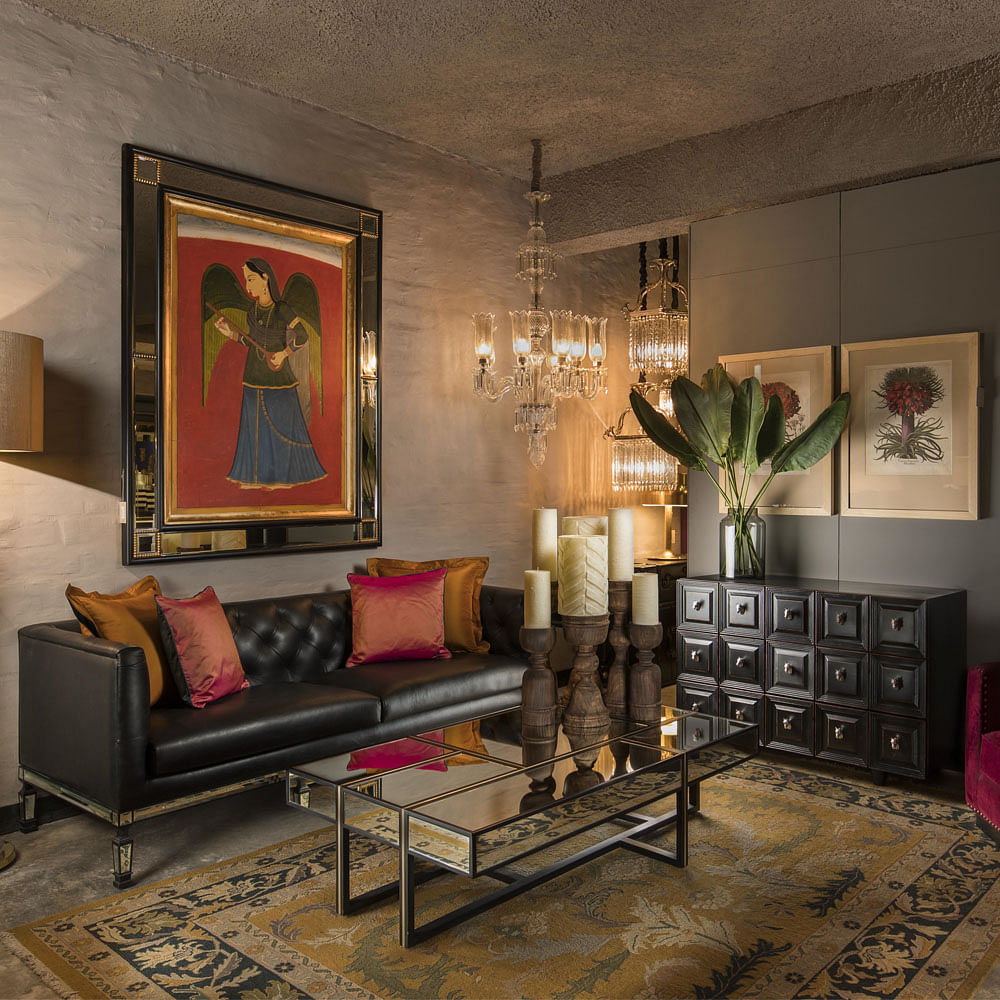
Retail showrooms are no longer just places to display products. They are becoming immersive environments where customers interact with brands, test products, attend events, and build emotional connections. Experiential retail spaces blend digital tools, storytelling, and personalized service to drive engagement, boost loyalty, and support omnichannel sales—making the showroom a strategic asset in modern retail.
The Shift From Product Display to Customer Experience
For decades, showrooms served a straightforward purpose: display products so customers could see and evaluate them before making a purchase. Whether it was furniture, appliances, automobiles, or fashion, the showroom acted as a physical catalog.
Today, that role is changing.
Retailers across the United States are redesigning showrooms to prioritize experience over inventory. Instead of rows of products on shelves, visitors increasingly encounter interactive environments designed to help them imagine how products fit into their lives.
Several forces are driving this transformation.
First, e-commerce has reshaped consumer expectations. According to the U.S. Department of Commerce, online retail sales exceeded $1.1 trillion in 2024, continuing a decade-long trend of digital growth. Because many purchases now begin online, physical stores must offer something the internet cannot—hands-on interaction, emotional connection, and real-world context.
Second, consumers are seeking experiences rather than transactions. Research from Eventbrite found that 78% of millennials prefer spending money on experiences rather than products, a mindset that increasingly influences retail design.
As a result, showrooms are evolving into spaces where customers:
- Test products in realistic environments
- Attend workshops or brand events
- Interact with digital tools
- Receive personalized guidance
- Share experiences on social media
This shift is transforming the showroom from a simple retail asset into a brand storytelling platform.
Why Experiential Retail Matters in an Omnichannel World
Modern retail is omnichannel by default. Customers move fluidly between digital and physical touchpoints—researching online, visiting a store, comparing prices on mobile, and sometimes completing the purchase later.
Experiential showrooms play a crucial role in this journey.
Rather than competing with online stores, they complement them.
A showroom can function as a discovery hub where shoppers explore products before ordering through an app or website. Many retailers now operate “inventory-light” showrooms, where customers test products but have them shipped directly to their homes.
This model reduces real estate costs and enables:
- Smaller store footprints
- Flexible merchandising
- Faster product updates
- Reduced inventory risk
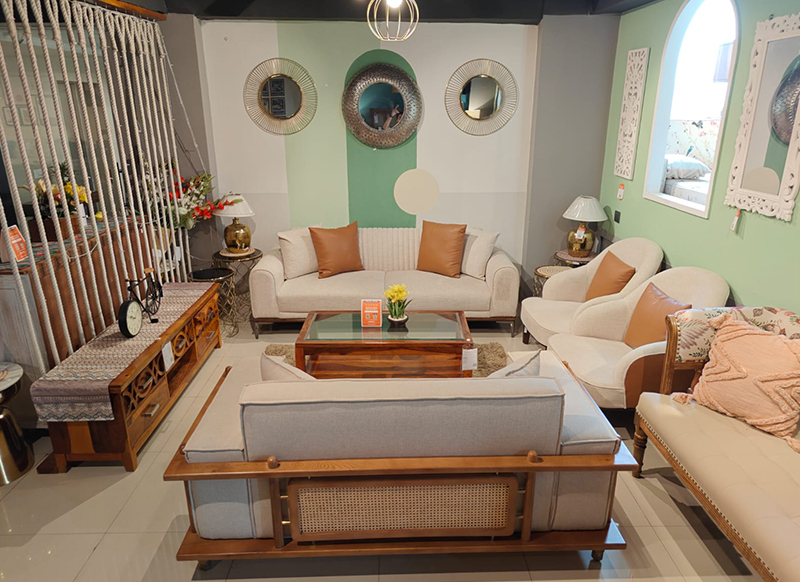
For example, furniture companies increasingly use showroom models that allow visitors to sit on sofas, feel fabrics, and visualize layouts through digital displays. The purchase often happens later online.
This approach blends the trust of physical retail with the convenience of e-commerce.
What Makes a Retail Space “Experiential”?
Experiential retail is not simply about adding technology or hosting occasional events. The most effective spaces are designed around customer interaction and narrative.
Successful experiential showrooms typically incorporate several elements.
Immersive product environments
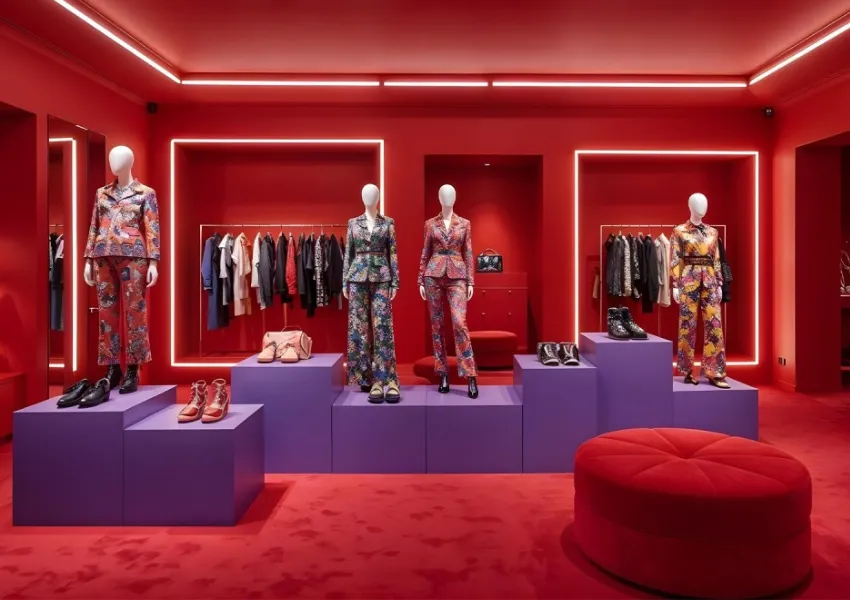
Products are displayed in real-life contexts rather than on shelves. Kitchen appliances appear in functioning kitchens. Outdoor gear is presented in simulated adventure settings. Furniture appears in fully designed rooms.
Hands-on exploration
Customers are encouraged to touch, test, and interact with products. This tactile engagement builds confidence and reduces purchase hesitation.
Digital integration
Technology enhances exploration without overwhelming it. Examples include:
- augmented reality product visualization
- interactive product screens
- mobile checkout options
- personalized product recommendations
Community and events
Experiential spaces frequently host workshops, classes, and brand gatherings. These events transform stores into community hubs rather than transaction points.
Personalized service
Staff often act more like consultants than sales associates. Their role is to guide discovery, answer questions, and help customers envision solutions.
Together, these elements transform showrooms into interactive brand environments.
Real-World Examples of Experiential Showrooms
Across the U.S., several brands illustrate how experiential retail works in practice.
Furniture showrooms designed for living
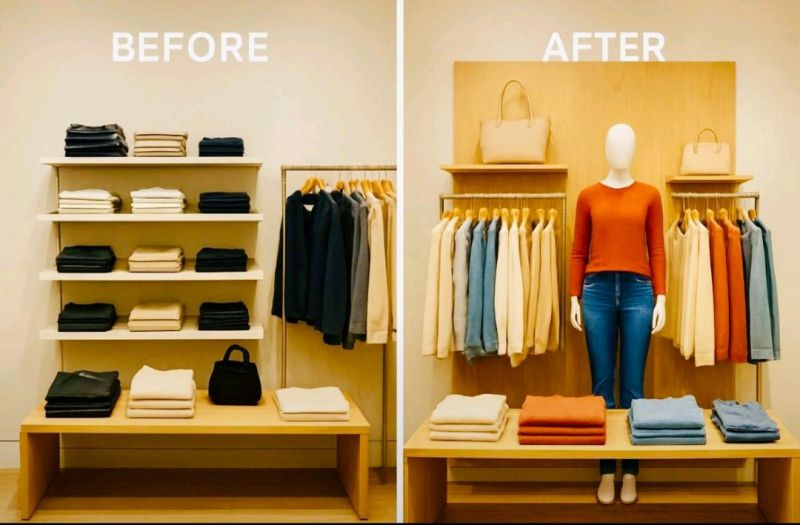
Modern furniture retailers increasingly present products in fully furnished living spaces. Instead of rows of couches, customers walk through staged apartments or rooms that demonstrate layout possibilities.
Visitors can experiment with configurations using digital tools and speak with design consultants about floor plans.
This environment helps shoppers answer a key question: “How will this look in my home?”
Direct-to-consumer brands entering physical retail
Many online-native brands have launched experiential showrooms to complement their digital presence.
These spaces often feature:
- small product assortments
- educational displays
- relaxed seating areas
- interactive demos
The goal is not necessarily immediate sales but customer education and brand trust.
For example, mattress companies frequently encourage visitors to test products in quiet sleep pods while staff explain material differences.
Automotive experience centers
Automakers are also reinventing showrooms.
Traditional dealerships often focused heavily on inventory and sales negotiations. In contrast, modern automotive experience centers emphasize exploration.
Visitors might encounter:
- digital car configurators
- virtual driving simulations
- educational displays about electric vehicles
- relaxed lounge environments
These spaces allow customers to explore technology and design features before scheduling test drives.
How Technology Is Transforming Showroom Design
Technology plays a major role in modern experiential retail, but it works best when integrated subtly.
The goal is enhanced discovery, not digital overload.
Several technologies are shaping next-generation showrooms.
Augmented reality and visualization tools
Augmented reality allows customers to visualize products in their own spaces. For instance, shoppers can scan a QR code to see how a couch might look in their living room using their phone camera.
This technology reduces uncertainty and supports confident purchasing decisions.
Interactive product displays
Touchscreen stations allow customers to explore specifications, compare models, and customize features.
Instead of relying solely on printed signage, retailers can present rich digital content including videos, diagrams, and customer reviews.
Smart mirrors and fitting technologies
In apparel showrooms, smart mirrors allow customers to request different sizes, see styling suggestions, or even preview alternate colors digitally.
These tools streamline the shopping process while improving personalization.
Data-driven personalization
Retailers increasingly use customer data—often from loyalty programs or mobile apps—to personalize in-store experiences.
For example:
- tailored product recommendations
- appointment-based consultations
- personalized welcome messages
When implemented thoughtfully, these tools create a sense of individual attention.
The Business Benefits of Experiential Showrooms
Retailers are investing heavily in experiential spaces because they deliver measurable advantages.
Stronger brand loyalty
Memorable experiences create emotional connections that traditional stores often fail to achieve.
Customers who participate in workshops, events, or personalized consultations are more likely to return and recommend the brand.
Higher conversion rates
Hands-on product interaction increases purchase confidence.
Research from PwC’s “Future of Customer Experience” report found that 73% of consumers say experience is an important factor in purchasing decisions.
Increased dwell time
Experiential stores encourage visitors to stay longer, which increases opportunities for engagement and purchasing.
Social media amplification
Immersive spaces often generate organic social media content.
Visitors frequently photograph visually striking displays or interactive installations, providing free brand exposure.
Omnichannel sales support
Even when purchases occur online later, the showroom plays a crucial role in influencing the decision.
Retailers increasingly measure success through total customer lifetime value, not just immediate store sales.
Designing an Effective Experiential Showroom
Creating a successful experiential retail space requires strategic planning. Simply adding flashy displays rarely produces meaningful results.
Retailers typically follow several design principles.
Focus on a clear brand narrative
Every element of the showroom should communicate the brand’s identity and values.
For example, an outdoor gear brand might design a store that evokes national parks or adventure travel.
Prioritize flow and discovery
Customers should move naturally through the space, encountering different zones that tell a story.
These zones might include:
- product exploration areas
- consultation spaces
- interactive displays
- community gathering areas
Balance technology with human interaction
Digital tools should enhance—not replace—personal service.
Well-trained staff remain one of the most important components of an experiential showroom.
Design for flexibility
Retail environments must adapt quickly to new products and changing customer expectations.
Modular displays and adaptable layouts help retailers refresh the experience regularly.
Challenges Retailers Face With Experiential Spaces
Despite their advantages, experiential showrooms also introduce challenges.
Higher upfront investment
Immersive environments, digital installations, and architectural redesigns can be expensive.
Retailers must carefully measure return on investment through long-term customer value rather than short-term sales.
Measuring performance
Traditional metrics such as same-store sales do not fully capture the impact of experiential retail.
Many companies now track:
- engagement time
- event participation
- online conversions linked to store visits
- loyalty program activity
Operational complexity
Hosting events, maintaining technology, and training staff require ongoing operational support.
Retailers must ensure these elements remain consistent across locations.
Avoiding gimmicks
Experiential retail works best when experiences feel authentic and relevant.
Overly flashy or unrelated installations can feel gimmicky and fail to deliver meaningful engagement.
The Future of Showrooms in Retail Strategy
Looking ahead, experiential showrooms are likely to become even more central to retail strategy.
Several trends are shaping the next phase of showroom evolution.
Hybrid retail environments
Stores will increasingly combine:
- showroom spaces
- community gathering areas
- fulfillment hubs for online orders
This hybrid model supports both discovery and convenience.
Appointment-based shopping
Many brands now offer private consultations, design sessions, or product demonstrations.
These appointments create deeper relationships and more personalized service.
Localized community experiences
Retailers are designing events and experiences tailored to local communities.
Examples include cooking classes in kitchen showrooms, fitness events in athletic stores, or design workshops in furniture studios.
Sustainability storytelling
As consumers become more environmentally conscious, showrooms will increasingly highlight supply chains, materials, and sustainability practices.
These educational elements help build transparency and trust.
Frequently Asked Questions
What is experiential retail?
Experiential retail refers to physical retail spaces designed to create immersive customer experiences through interactive displays, events, and storytelling rather than simply displaying products.
Why are retailers investing in showrooms again?
Showrooms allow customers to interact with products physically, which builds trust and complements online shopping in an omnichannel retail environment.
Do experiential showrooms increase sales?
Yes, they often increase conversion rates and long-term customer loyalty by providing hands-on product experiences and personalized service.
Are experiential stores replacing traditional retail?
Not entirely. Many retailers operate hybrid models that combine experiential showrooms with traditional inventory-based stores.
Which industries benefit most from showroom experiences?
Furniture, home improvement, automotive, electronics, and apparel retailers commonly use experiential showrooms because customers benefit from testing products physically.
How does technology enhance experiential retail?
Technology such as augmented reality, digital product displays, and mobile checkout tools helps customers explore products more easily and personalize their shopping experience.
What role do events play in experiential retail?
Events transform retail spaces into community hubs where customers can learn, socialize, and build relationships with the brand.
Do customers actually want retail experiences?
Yes. Consumer research consistently shows that experiences strongly influence purchasing decisions and brand loyalty.
Are experiential stores smaller than traditional stores?
Often yes. Many experiential showrooms carry limited inventory and rely on online fulfillment for purchases.
Will experiential retail continue growing?
Most industry analysts believe experiential retail will expand as brands seek ways to differentiate physical stores from online shopping.
Where the Showroom Journey Is Heading Next
The modern showroom is evolving into a hybrid environment where experience, discovery, and brand storytelling intersect. Rather than replacing e-commerce, experiential retail strengthens it by giving customers confidence, inspiration, and human connection.
Retailers that design thoughtful, engaging showrooms will continue to turn physical spaces into one of their most powerful strategic assets.
Key Insights at a Glance
- Showrooms are shifting from product display spaces to immersive brand environments
- Experiential retail supports omnichannel shopping journeys
- Interactive design, technology, and storytelling drive engagement
- Hands-on experiences increase purchase confidence and loyalty
- Events and community programming strengthen brand relationships
- Digital tools enhance exploration without replacing human service
- Retail success metrics now include engagement and lifetime value